
Gardening
Sustainable Lawn Care: 7 Tips for a Healthier Backyard
Discover how to transition to sustainable lawn care practices that improve soil health, save water, and foster a thriving, eco-friendly backyard ecosystem.
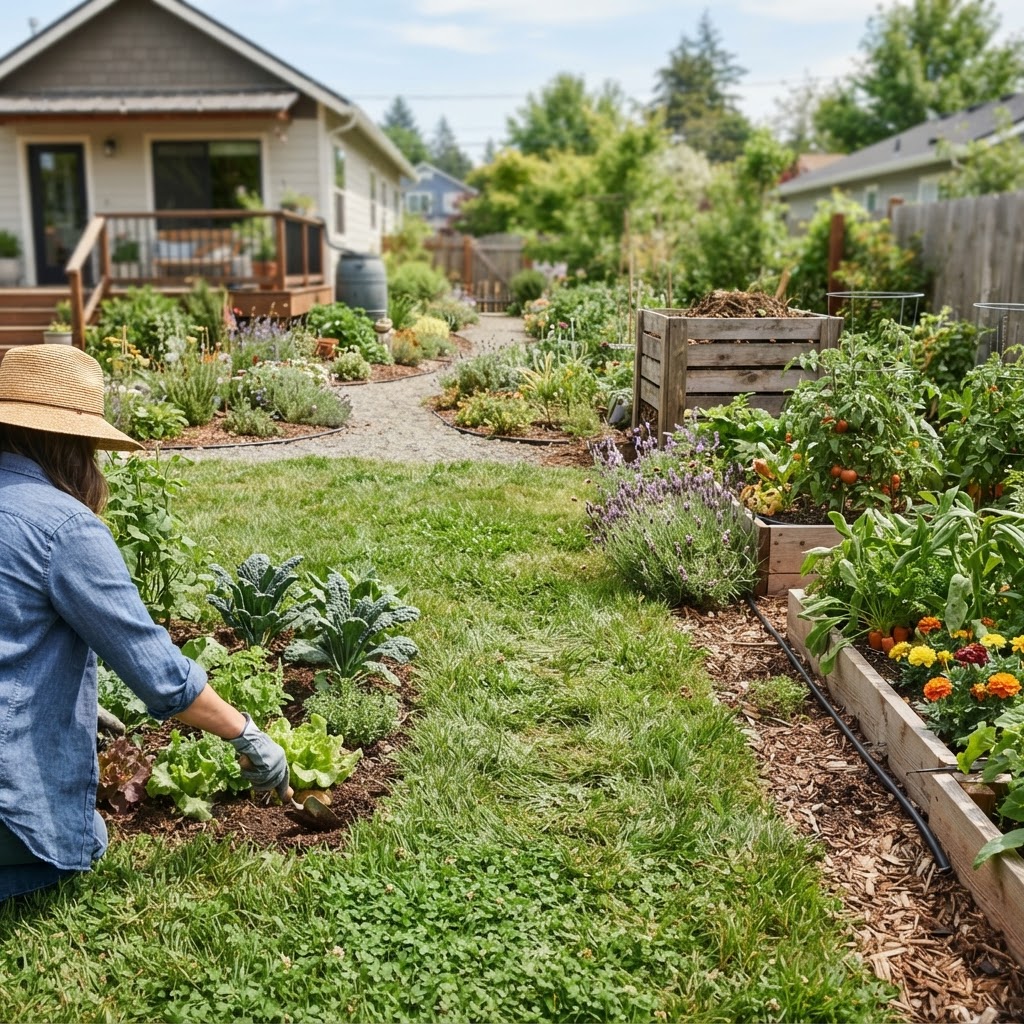
For many homeowners, the quest for the perfect lawn has traditionally involved a regimen of synthetic fertilizers, chemical pesticides, and heavy water usage. However, a growing movement toward sustainable lawn care is changing how we view our outdoor spaces. By shifting our perspective from viewing the lawn as a manicured carpet to seeing it as a living, breathing ecosystem, we can create a backyard that is both beautiful and environmentally responsible.
What is Sustainable Lawn Care?
Sustainable lawn care is an approach to yard maintenance that works with nature rather than against it. Its core principles include fostering soil health, utilizing native species, minimizing chemical inputs, and managing resources like water and waste efficiently. Instead of forcing grass to grow in environments where it may not be naturally suited, sustainable practices prioritize the long-term health of the soil and the broader local environment.
The Benefits of an Eco-Friendly Lawn
Transitioning to an eco-friendly lawn offers a myriad of benefits. Beyond the obvious reduction in your environmental footprint, these practices can save you significant time and money over the long term. A healthy, self-sustaining lawn is more resilient to pests and diseases, reducing the need for costly interventions. Furthermore, by fostering biodiversity, you provide essential habitats for pollinators and beneficial insects, contributing to the overall health of your local ecosystem.
Best Practices for Sustainable Grass Management
Soil Health and Natural Fertilization
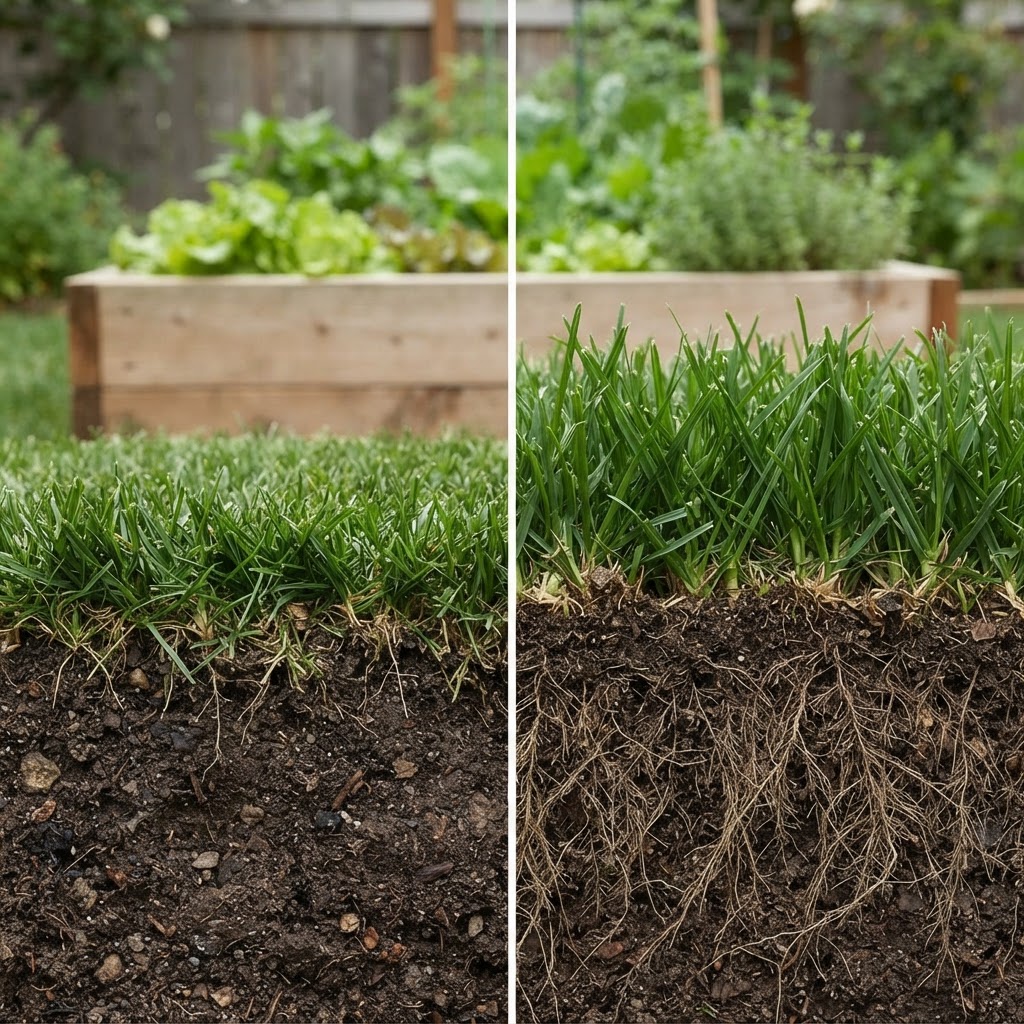
The foundation of any healthy lawn is the soil. Synthetic fertilizers provide a quick burst of nutrients but can disrupt the complex web of microbial life in the earth. Instead, focus on building organic matter. Top-dressing your lawn with a thin layer of compost is one of the most effective ways to improve soil structure and provide slow-release nutrients. You can learn more about this in our Home Garden organic composting guide.
Water Conservation Techniques
Water is a precious resource, and many lawns are overwatered. Sustainable management involves encouraging deeper root growth, which makes grass more drought-tolerant. Instead of frequent, light watering, opt for deeper, less frequent soaking. This encourages roots to grow down toward deeper moisture levels. Implementing Home Garden water-wise irrigation techniques can help you optimize your delivery methods, such as utilizing drip irrigation or timing your watering to early mornings to minimize evaporation.
Mowing Habits for Thicker Turf
Your mowing routine significantly impacts the health of your turf. A primary rule of sustainable grass cutting is to raise your mower deck. Keeping grass slightly longer—typically between 3 to 4 inches—shades the soil, which helps retain moisture and prevents weed seeds from germinating. Furthermore, leaving your grass clippings on the lawn acts as a natural fertilizer, returning nitrogen and organic matter directly to the soil as they decompose.
Reducing Chemical Dependency
Moving away from synthetic pesticides and herbicides requires a shift in mindset. Many common "weeds" are simply plants that have found a home in your soil. By focusing on dense, healthy turf through proper mowing and aeration, you naturally crowd out unwanted plants. If pests become an issue, research integrated pest management strategies that utilize physical barriers or biological controls before resorting to chemical applications.
Introducing Native Plants and Alternatives
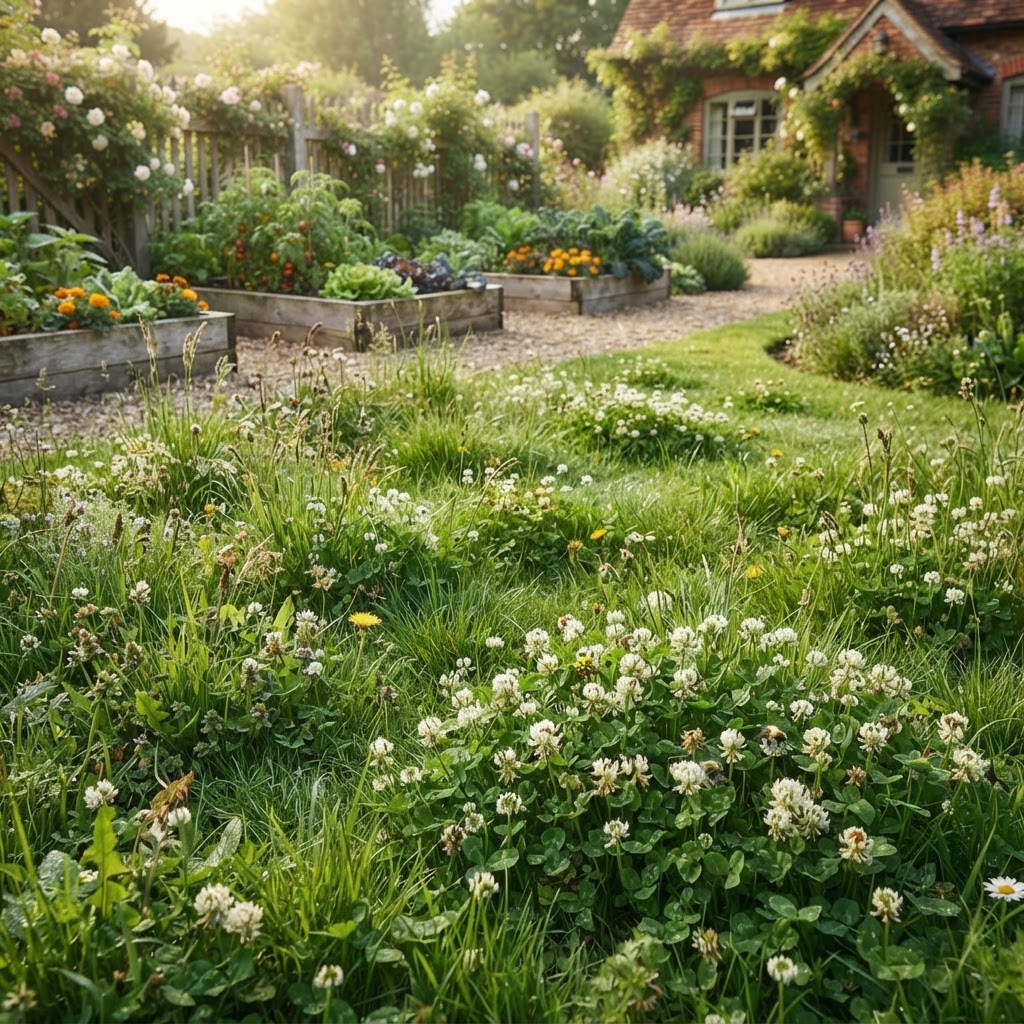
Perhaps the most radical step in sustainable landscaping is questioning the necessity of a traditional grass monoculture. If you have areas that are difficult to mow or where grass struggles to grow, consider replacing them with native ground covers or meadow patches. Native plants are adapted to your specific climate and soil, requiring significantly less water and maintenance once established. Explore our Home Garden guide to native wildflowers for inspiration on incorporating indigenous flora into your backyard design.
Conclusion: Cultivating a Greener Future
Transitioning to sustainable lawn care is a journey, not a destination. By making small, intentional changes—whether it is composting, adjusting your mower height, or introducing native species—you are contributing to a healthier, more resilient landscape. Not only does this benefit the planet, but it also creates a peaceful, authentic outdoor space for you to enjoy. Start with one or two changes this season and observe how your backyard ecosystem responds.
Frequently Asked Questions
- What are the core principles of sustainable lawn care? The core principles focus on working with natural biological cycles, prioritizing soil health, using native plants, and minimizing synthetic chemical and water inputs.
- How can I grow a healthy lawn without synthetic chemicals? By building soil organic matter through composting, mowing at a higher blade setting, and promoting biodiversity, you create an environment where grass thrives naturally, making it more resistant to pests.
- Does a sustainable lawn require more maintenance? In the transition phase, it may require more observation, but in the long run, sustainable lawns typically require less time and money than conventional lawns because they are self-regulating.
- What are the benefits of leaving grass clippings on the lawn? Grass clippings are an excellent natural fertilizer that returns nitrogen and carbon to the soil as they break down, reducing the need for additional fertilizer applications.
- How can I reduce water usage for my garden and lawn? You can reduce water usage by watering deeply but infrequently, using mulch to retain soil moisture, and replacing high-water-need grass with drought-tolerant native plants.

Sources
- #sustainable lawn care
- #organic gardening
- #water conservation
- #native plants
- #soil health
Related Articles
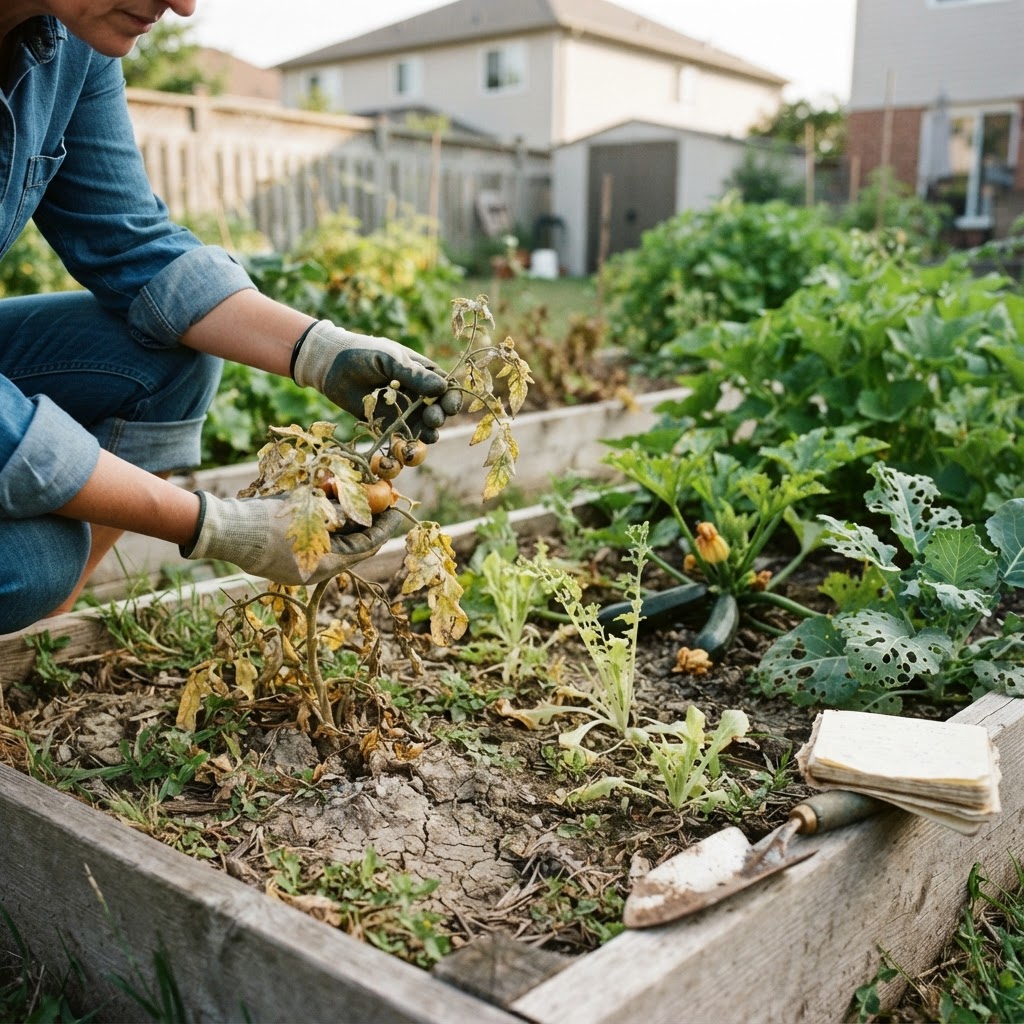
Vegetable Garden Failures: How to Fix Common Problems
Discover how to diagnose and resolve common vegetable garden challenges using practical, science-based troubleshooting techniques to save your plants.
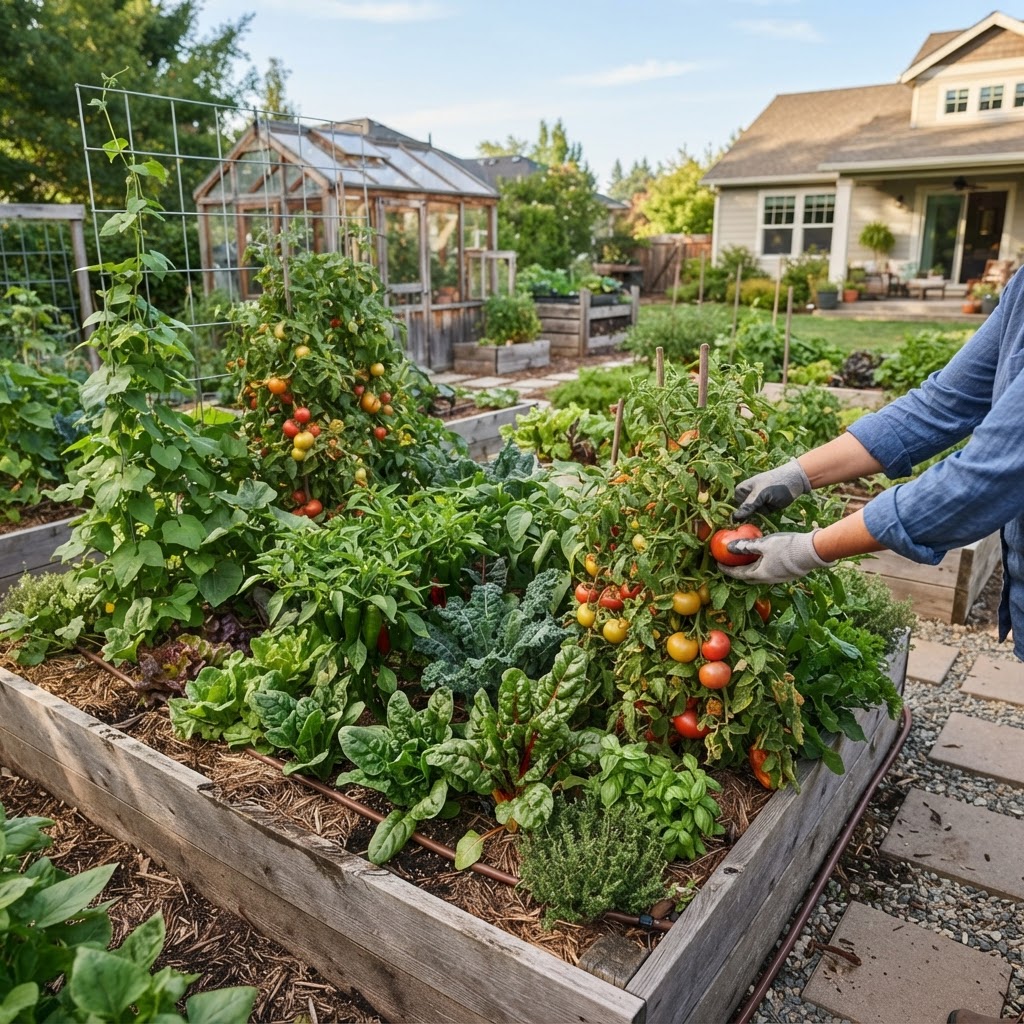
High Yield Vegetable Gardening: Advanced Methods for Success
Take your harvest to the next level by implementing intensive planting strategies, precision nutrient management, and data-driven garden planning techniques.
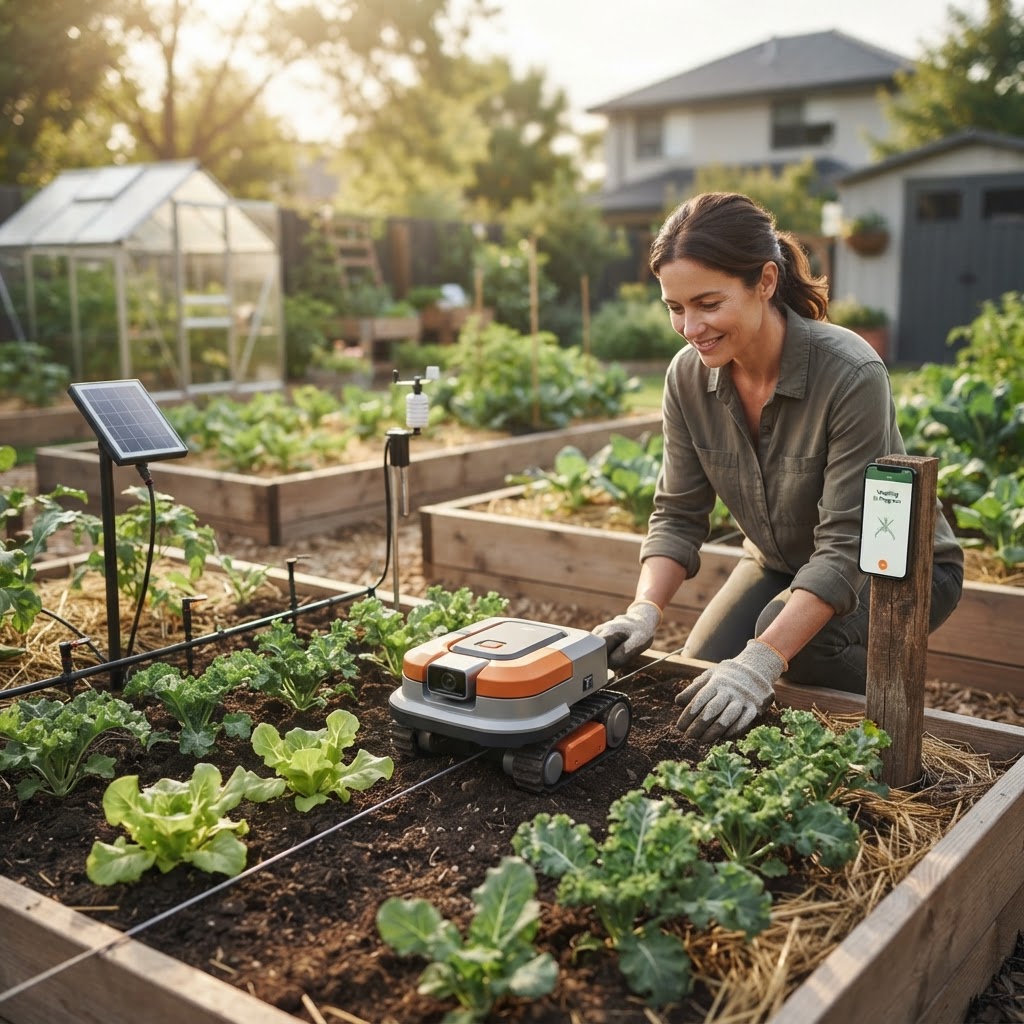
Automated Garden Tools for Beginners: A Complete Guide
Learn how to use smart technology to streamline your gardening chores without losing the joy of working in the soil. This guide covers the basics of garden automation for beginners.