
Gardening
How to Improve Garden Soil for Healthy, Thriving Plants
Transform your garden’s productivity by learning how to effectively improve garden soil through organic matter, proper testing, and sustainable maintenance practices.
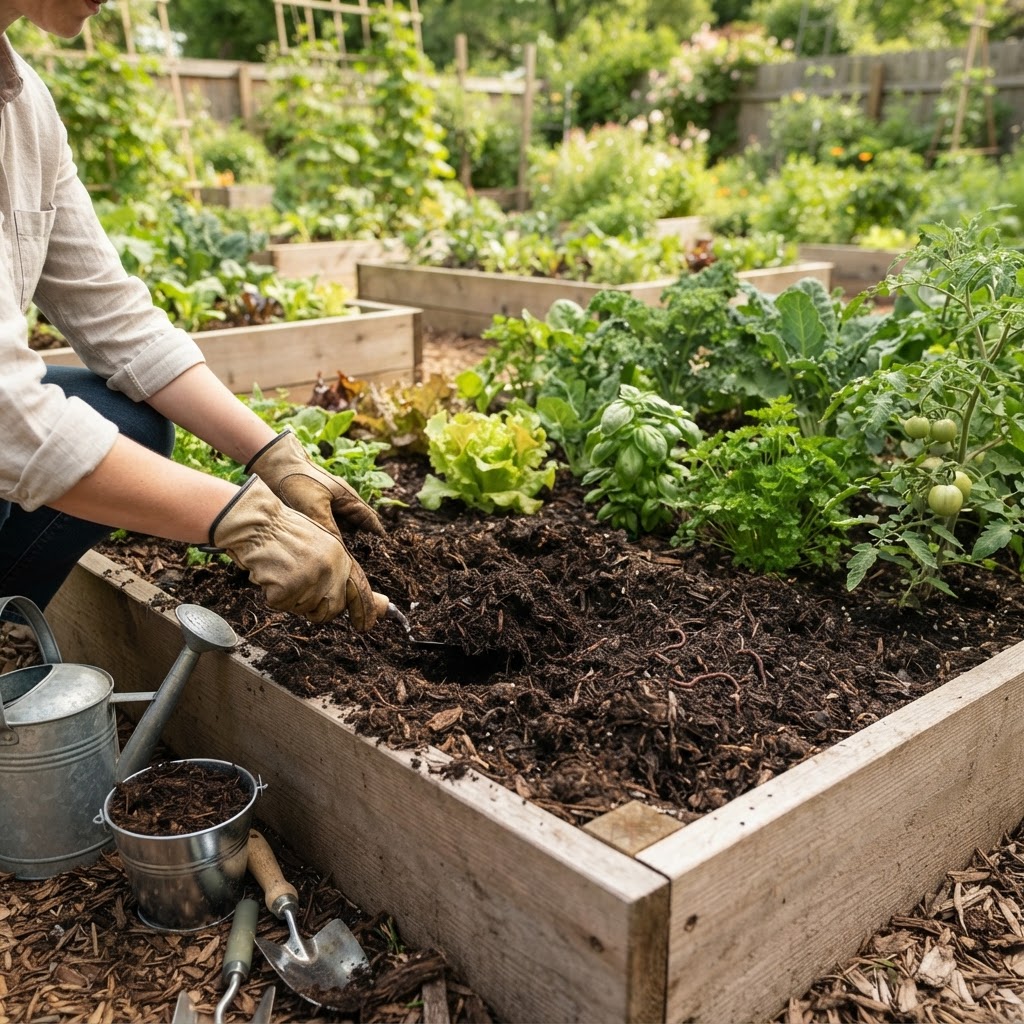
At the heart of every bountiful vegetable harvest lies a foundation often overlooked by beginners: the soil. To truly improve garden soil is to unlock the potential of your plants, providing them with the essential nutrients, water-holding capacity, and oxygen flow they need to flourish. Whether you are battling heavy clay, sandy earth, or depleted plots, understanding the biology beneath your feet is the first step toward a more resilient garden.
Why Soil Quality Matters for Your Vegetable Garden
Soil is not merely dirt; it is a complex, living ecosystem. High-quality soil acts as a reservoir, storing water and nutrients while providing a stable anchor for root systems. When soil is compacted or nutrient-deficient, plants struggle to uptake what they need, leaving them vulnerable to pests, diseases, and stunted growth. By focusing on soil structure and biological activity, gardeners can reduce the need for synthetic fertilizers and create a self-sustaining environment that produces healthier, more flavorful vegetables.
How to Test Your Garden Soil
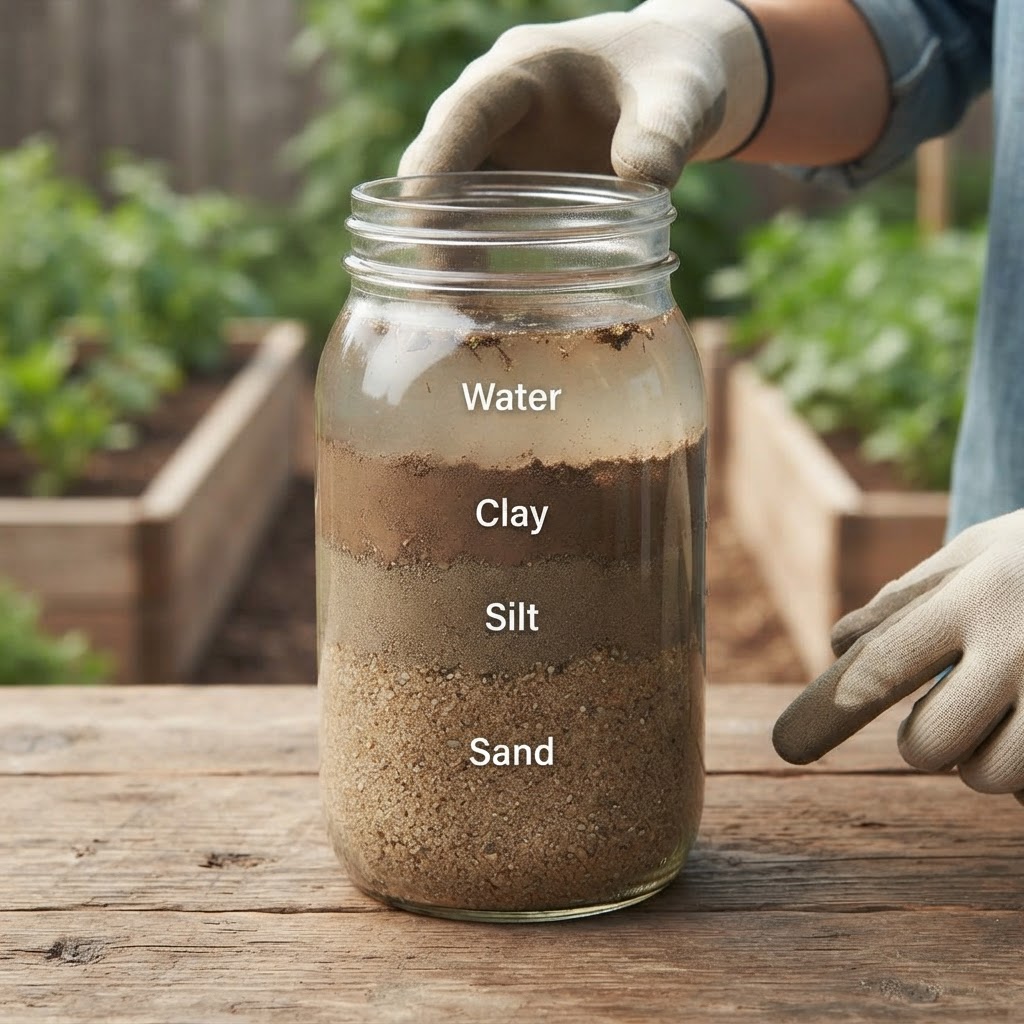
Before you begin adding amendments, it is essential to understand what your soil is lacking. Guesswork often leads to imbalanced soil chemistry, which can be difficult to fix later. A soil test provides a roadmap, identifying the current nutrient profile and the structural composition of your earth.
Understanding pH Levels and Nutrient Deficiencies
The pH of your soil determines how easily plants can access nutrients. Most vegetables prefer a slightly acidic to neutral range, typically between 6.0 and 7.0. If the pH is too high or too low, even nutrient-rich soil can become unusable because the chemistry prevents roots from absorbing minerals. At-home testing kits can provide a basic reading, but for comprehensive results, consider sending a sample to a local agricultural extension office. These reports often include specific recommendations for how much lime or organic matter to add to balance your plot.
Methods to Improve Garden Soil Naturally
Improving soil is a marathon, not a sprint. The most effective approach mimics the natural cycles of a forest floor, where organic matter is constantly broken down and integrated into the earth.
Adding Organic Matter: Compost and Humus
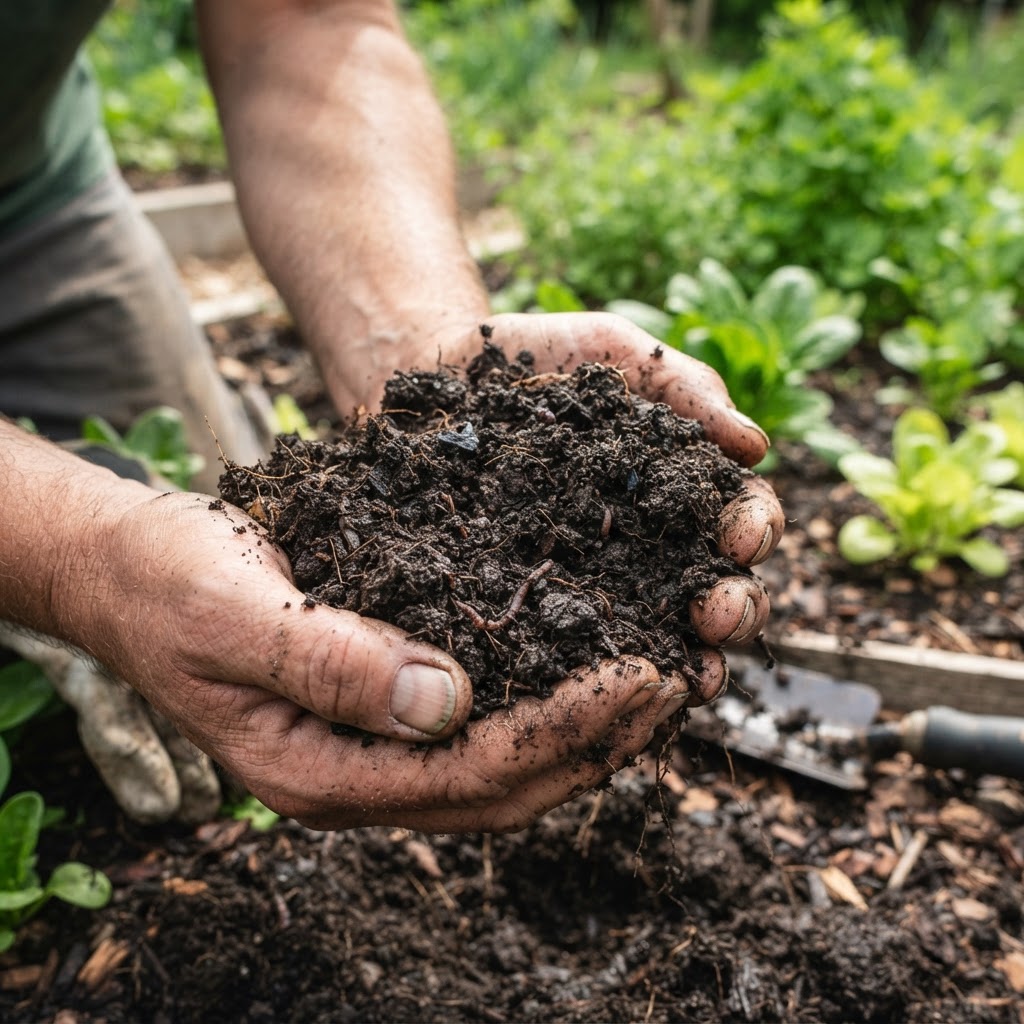
Compost is the gold standard for soil health. It introduces beneficial microorganisms that break down minerals and improve soil structure. For a new garden bed, aim to incorporate a two-to-three-inch layer of finished compost into the top six inches of your soil. This adds necessary humus, which acts like a sponge for water and helps store nutrients for slow release.
Using Cover Crops for Soil Regeneration
Cover crops, or 'green manures,' are plants grown specifically to benefit the soil rather than for harvest. Crops like clover, vetch, or winter rye protect the soil from erosion, suppress weeds, and add nitrogen or biomass back into the ground when they are mowed or tilled under before flowering. This is one of the best ways to rebuild soil vitality over the winter months.
Adjusting Soil Texture: Dealing with Clay or Sand
Clay soil is nutrient-dense but suffers from poor drainage, while sandy soil drains quickly but loses nutrients rapidly. In both cases, the primary remedy is organic matter. For clay, compost helps create 'aggregates,' which are clumps of soil that improve aeration. For sandy soil, organic matter increases the water-holding capacity, preventing nutrients from leaching away during heavy rains.
Common Mistakes When Amending Soil
The most common error is 'over-tilling.' Frequent, deep tilling destroys the delicate fungal networks (mycelium) that help plants extract water and nutrients. Another mistake is adding raw, uncomposted manure, which can introduce pathogens and 'burn' plant roots due to high nitrogen levels. Always ensure your compost is fully finished before application.
Long-Term Soil Maintenance Strategies
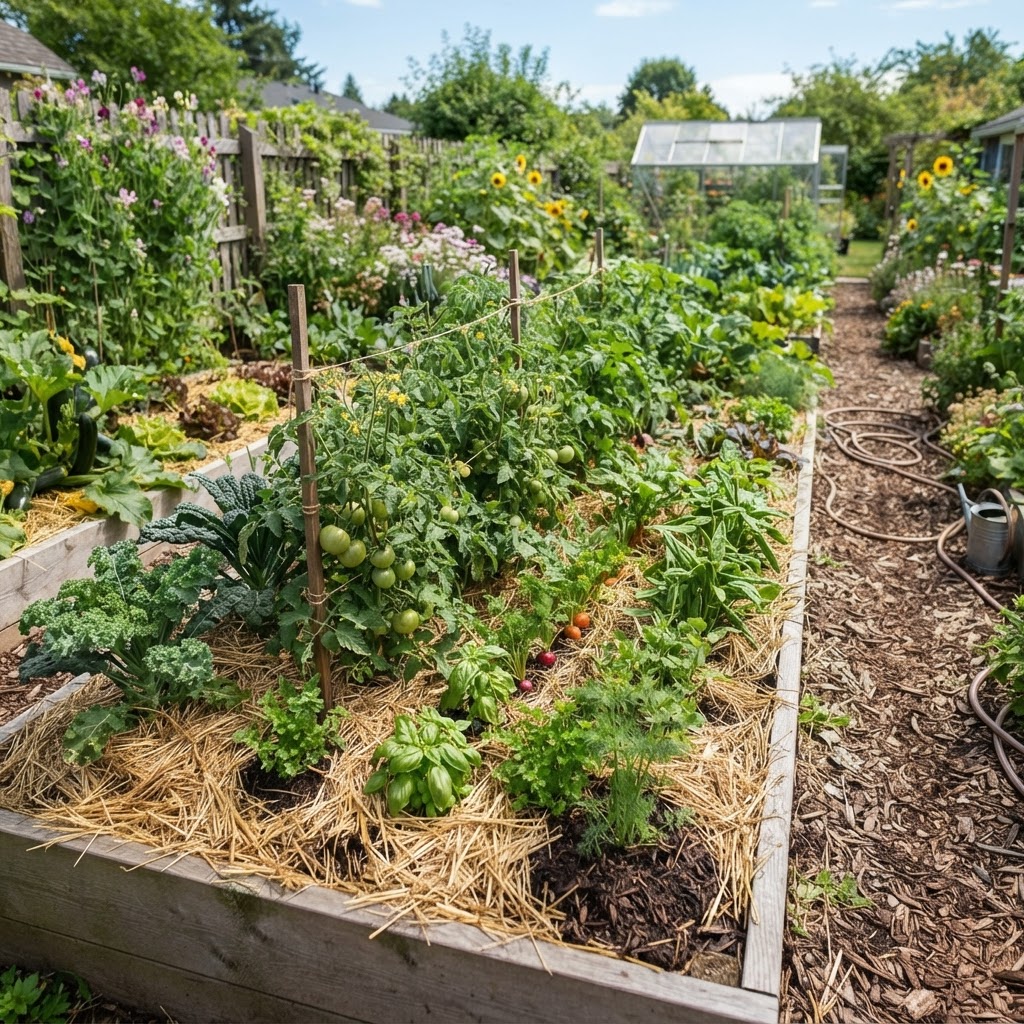
Once you have achieved healthy soil, the goal is to keep it that way. Practice crop rotation to prevent the depletion of specific nutrients by certain plant families. Use organic mulches, such as straw or shredded leaves, to cover the soil year-round. Mulch suppresses weeds and prevents the sun from baking the life out of your soil surface. Treat your garden soil as a living member of your household, and it will reward you with seasons of abundance.
Sources
- #organic gardening
- #soil management
- #composting
- #garden planning
Related Articles
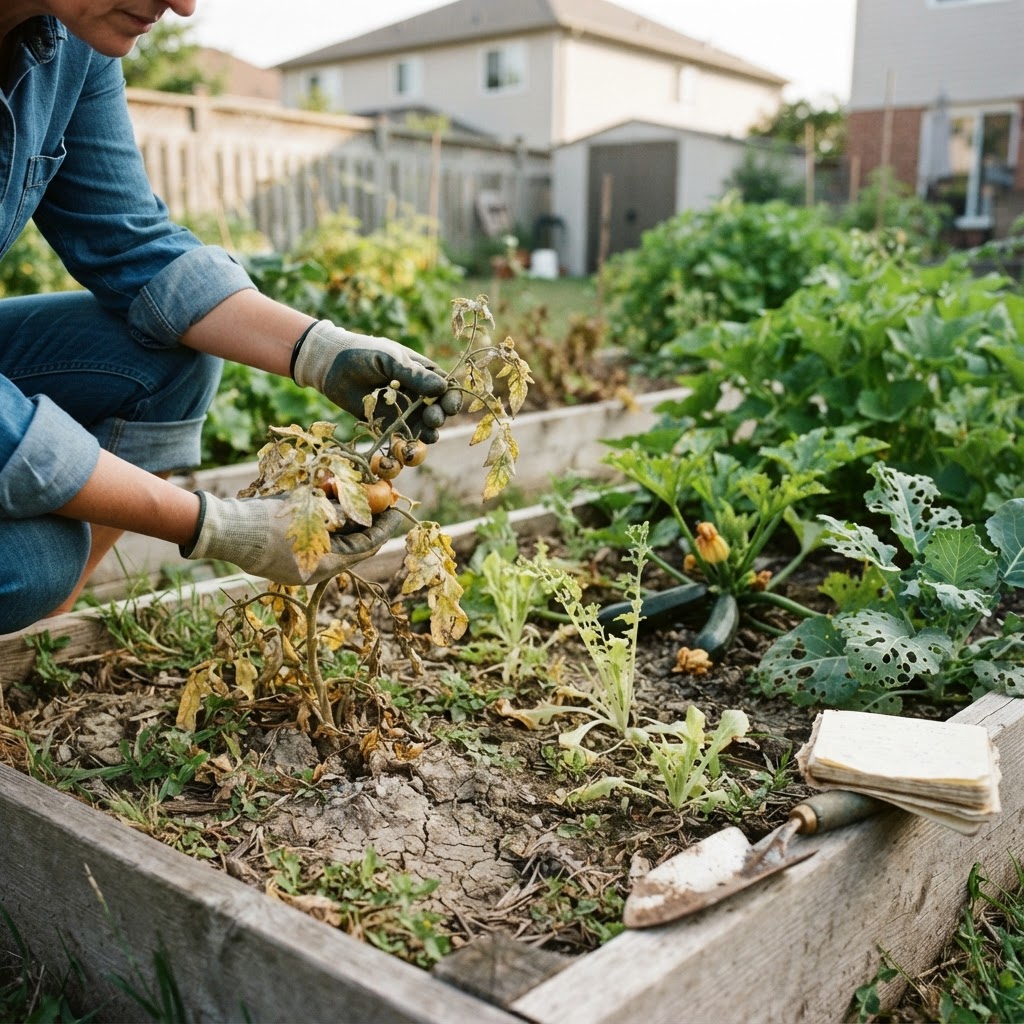
Vegetable Garden Failures: How to Fix Common Problems
Discover how to diagnose and resolve common vegetable garden challenges using practical, science-based troubleshooting techniques to save your plants.
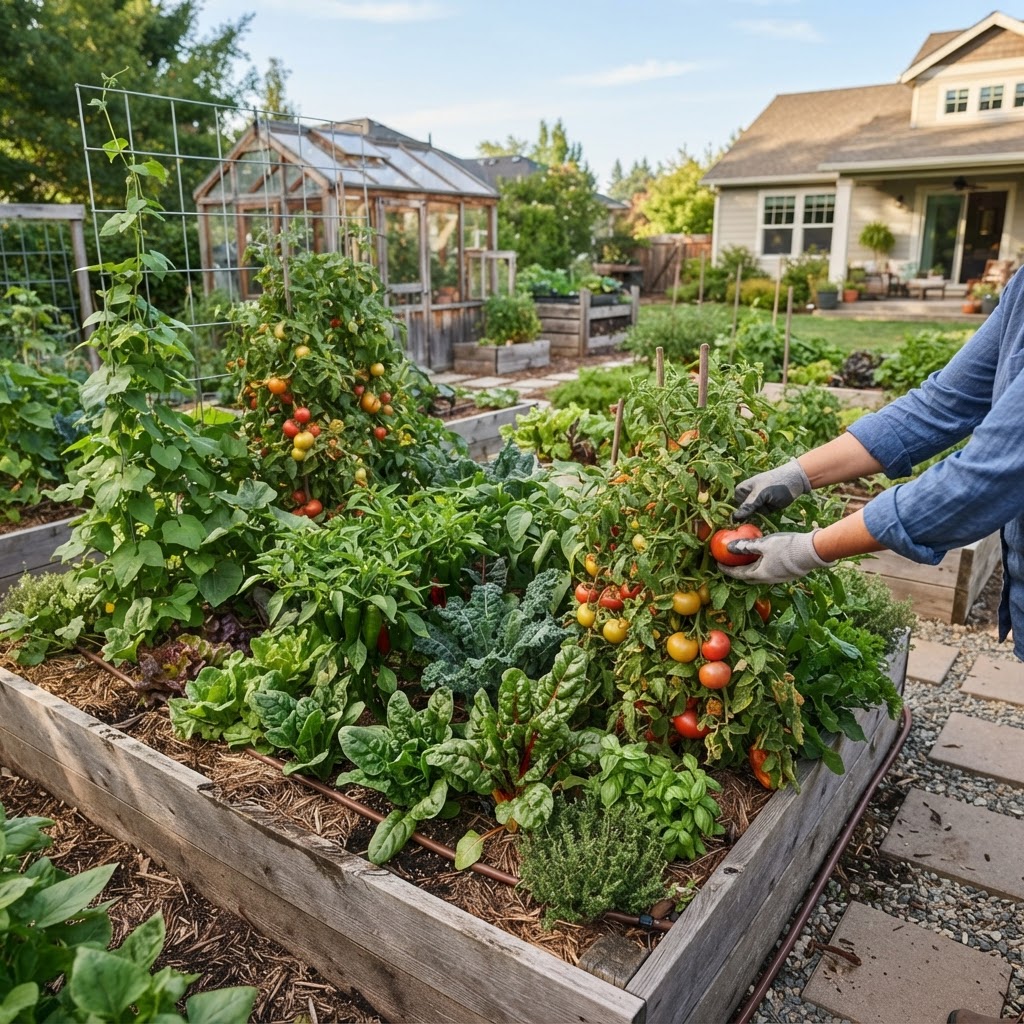
High Yield Vegetable Gardening: Advanced Methods for Success
Take your harvest to the next level by implementing intensive planting strategies, precision nutrient management, and data-driven garden planning techniques.
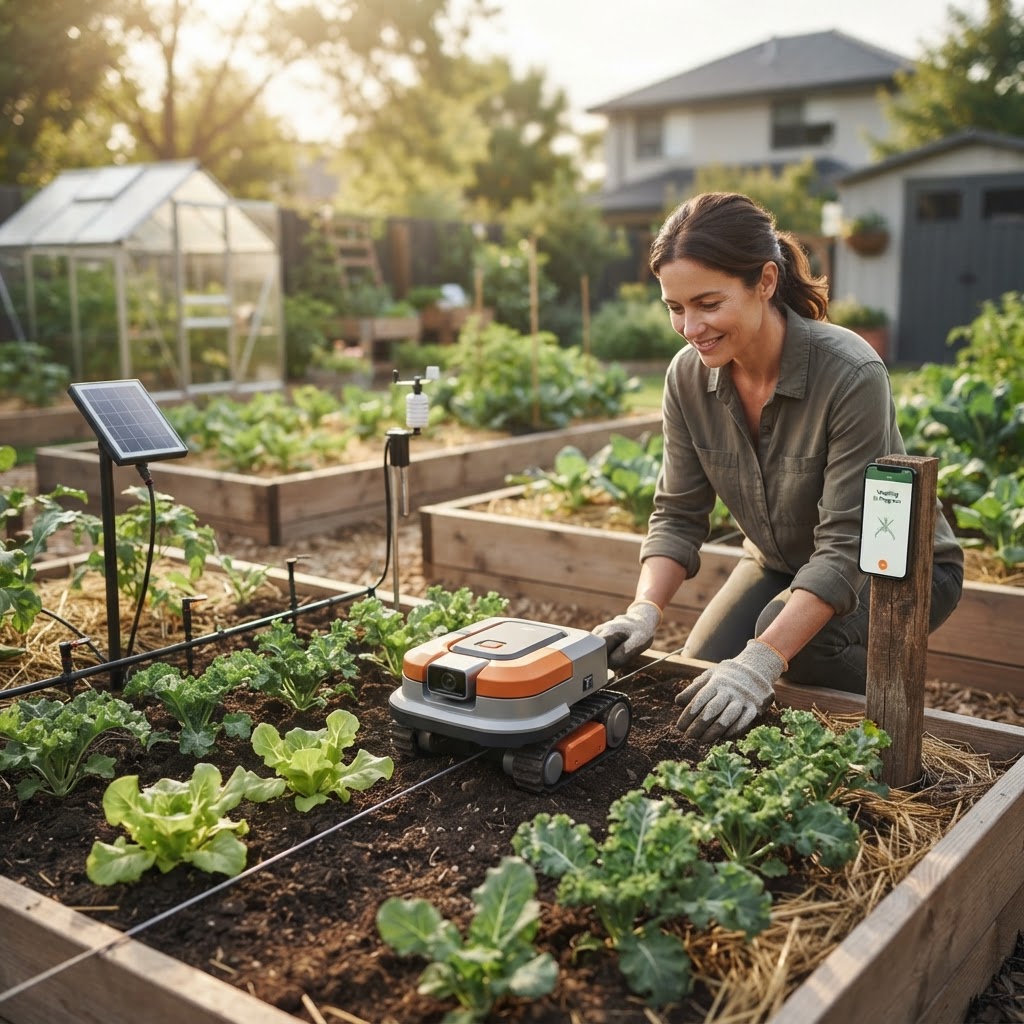
Automated Garden Tools for Beginners: A Complete Guide
Learn how to use smart technology to streamline your gardening chores without losing the joy of working in the soil. This guide covers the basics of garden automation for beginners.