
Gardening
Vertical Gardening 101: Creative Ideas for Small Spaces
Maximize your small urban space by growing food upwards. Our guide covers everything you need to know about vertical gardening to start your own productive, space-saving garden today.
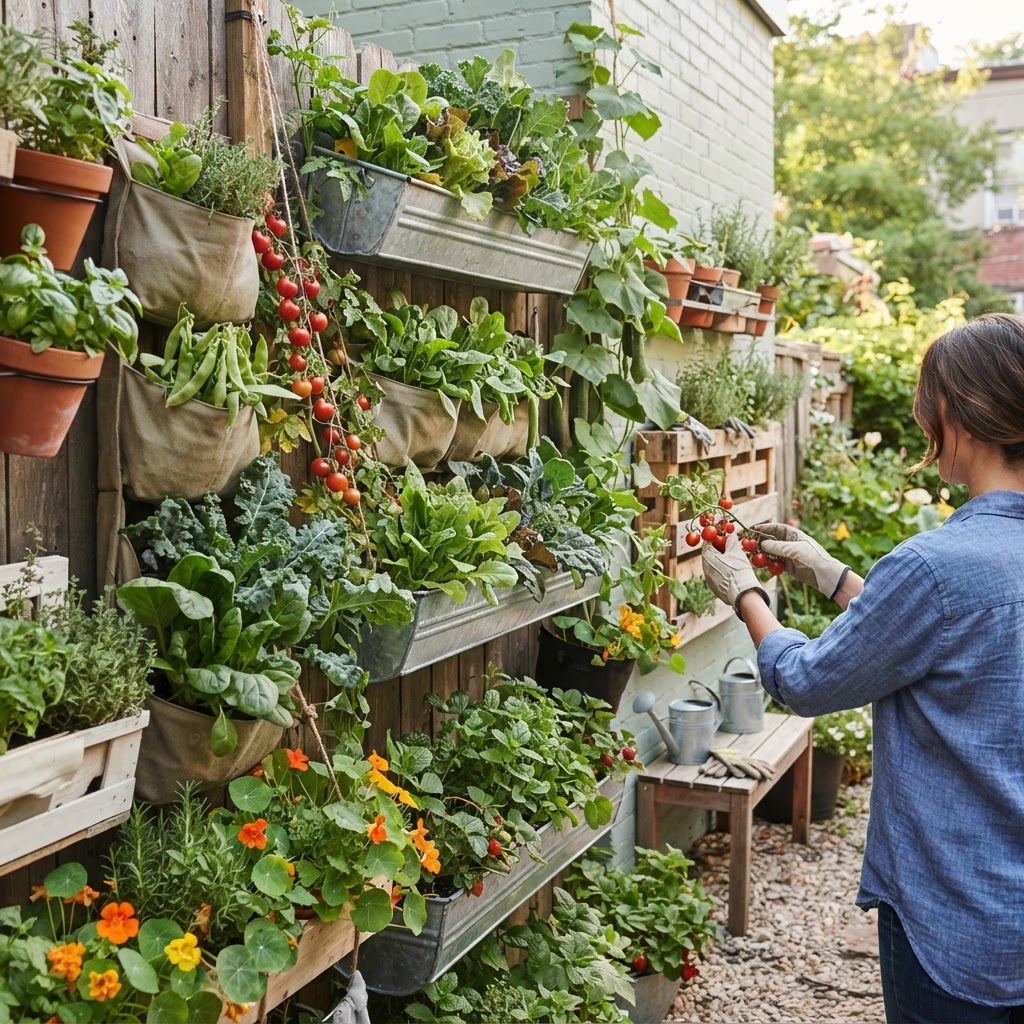
What is Vertical Gardening?
Vertical gardening is the practice of growing plants upwards instead of outwards across the ground. By utilizing structures like trellises, walls, fences, and hanging systems, urban gardeners can significantly increase their growing area without requiring more square footage. It is an ingenious solution for apartment dwellers or anyone with a small patio who wants to enjoy a productive garden.
Instead of relying on large garden beds, you use height to your advantage. This technique transforms blank, unused walls or narrow alleyways into lush, edible landscapes, proving that limited space doesn't have to limit your harvest.
The Benefits of Growing Upwards
The most obvious advantage of vertical gardening is space efficiency, but the benefits go far beyond just saving room. When plants grow vertically, they are often healthier and easier to manage. Here are a few key benefits:
- Improved Airflow: By keeping foliage off the ground, you reduce the risk of fungal diseases and pests that thrive in humid, soil-level environments.
- Easier Maintenance: Growing at eye level or waist height makes weeding, pruning, and harvesting much more comfortable, saving your back and knees.
- Better Sunlight Exposure: Vertical structures can be positioned to capture the maximum amount of light, ensuring your plants grow vigorously.
- Aesthetic Appeal: A wall of living greens or vining vegetables adds a stunning, natural element to any small patio or balcony.
Best Vegetables and Plants for Vertical Gardens
Not every plant is suited for vertical growth, but many high-yield vegetables thrive when given the proper support. For beginners, it is best to start with vigorous vining plants or those with lightweight growth habits. Consider these options:
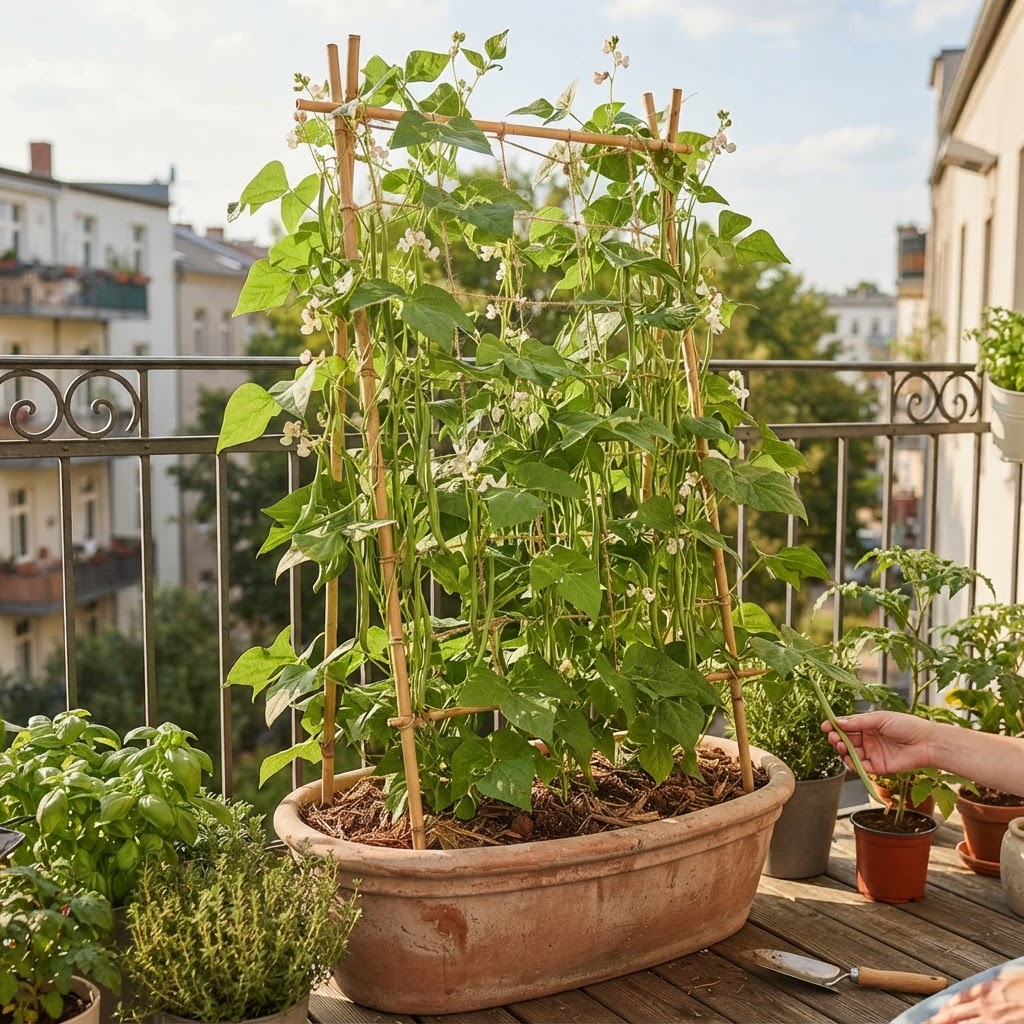
- Pole Beans and Peas: These are natural climbers that will eagerly scale any trellis or netting you provide.
- Cherry Tomatoes: Many indeterminate varieties perform beautifully in vertical setups, though they will require sturdy support as they grow heavy with fruit.
- Cucumbers: These are classic candidates for vertical training. They produce cleaner, straighter fruit when grown off the ground.
- Vining Squashes: Small-fruited varieties, such as delicata or summer squash, can be trained upwards. Just ensure the fruits are supported with a mesh sling if they become heavy.
For more inspiration on plant varieties, check out our guide on Best vegetables for beginners to help you select the right starters.
Creative Vertical Gardening Ideas for Beginners
Getting started with vertical gardening doesn't require expensive equipment. You can build a productive space using simple DIY solutions.
Using Trellises and Arbors
A simple wooden or metal trellis is the foundation of many vertical gardens. Arbors are perfect for creating shaded walkways that double as productive food zones. If you are handy, you can build these from reclaimed wood or purchase lightweight, collapsible versions that are perfect for renters.
Hanging Baskets and Pocket Planters
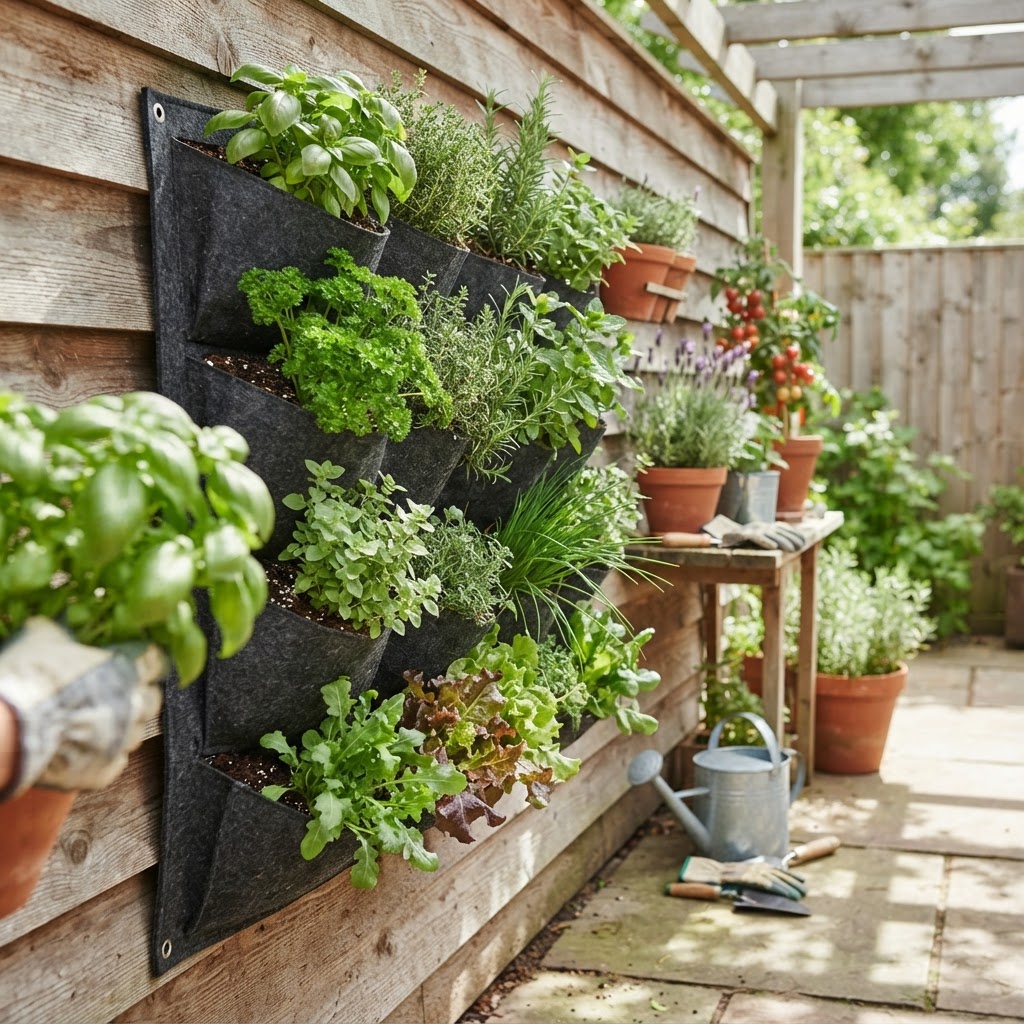
For balconies with limited floor space, look up. Hanging baskets are excellent for herbs and small greens like lettuce or spinach. Fabric pocket planters are another fantastic option; they can be mounted directly onto a wall and are perfect for shallow-rooted plants.
DIY Wall-Mounted Shelving
If you have an exterior wall, consider installing tiered shelving. This allows you to stack multiple containers vertically, effectively turning a single wall into a multi-level garden. Ensure your shelves are durable and allow for proper drainage to prevent water damage to your wall.
Essential Tips for Vertical Gardening Success
Success in a vertical garden relies on careful planning. Because vertical containers tend to dry out faster than traditional garden beds, consistent moisture is key. Always use a high-quality potting mix that retains moisture while allowing for excellent drainage. For details on choosing the right foundation, refer to our Soil quality guide for containers.
Vertical plants can also be top-heavy. Use soft garden twine or specialized plant ties to secure stems to their supports as they grow, ensuring you don't damage the delicate vines.
Common Challenges and How to Overcome Them
While vertical gardening is rewarding, it does come with a few challenges. The most common concern is rapid soil dehydration. Because containers are exposed to more wind and sun, they dry out quickly. Consider installing a simple drip irrigation system or using self-watering planters to keep moisture levels stable. For general tips on keeping your plants hydrated, see our Watering tips for garden beds.
Weight is another factor to consider. Before mounting heavy shelving or large planters to a fence or balcony railing, ensure the structure can handle the load. When in doubt, start with lightweight pots and expand as you assess the stability of your setup.
Conclusion
Vertical gardening empowers even the smallest space to become a bountiful food source. By thinking upwards, you can enjoy fresh, homegrown produce regardless of your living situation. Start small, select your plants wisely, and enjoy the transformative power of growing your own garden on the vertical plane. Don't forget to sign up for our newsletter for more urban gardening tips delivered straight to your inbox!
Frequently Asked Questions
What are the benefits of vertical gardening? It saves space, improves air circulation, makes harvesting easier, and adds visual interest to small areas.
Which plants grow best vertically? Pole beans, peas, cucumbers, cherry tomatoes, and vining squash are excellent choices for vertical support.
How do I choose the right structure for my space? Evaluate your light conditions and wall or railing availability; choose lightweight, durable materials like netting or modular planters for balconies.
Do vertical gardens require more maintenance? They often require more frequent watering and consistent pruning to keep plants growing in the desired direction.
How do I prevent my vertical garden from drying out? Use quality potting mix, consider self-watering containers, and check moisture levels daily during the heat of summer.
Sources
- #vertical gardening
- #urban gardening
- #small space gardening
- #container gardening
Related Articles
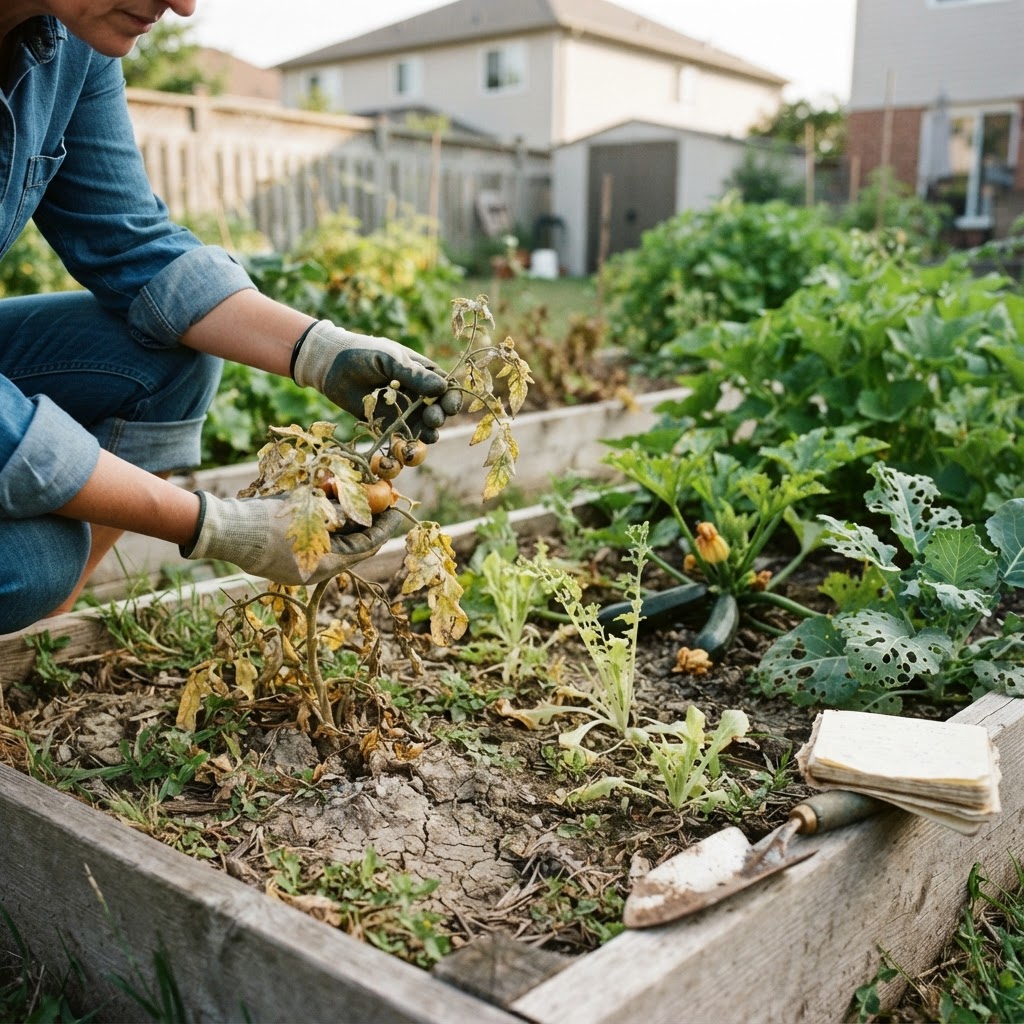
Vegetable Garden Failures: How to Fix Common Problems
Discover how to diagnose and resolve common vegetable garden challenges using practical, science-based troubleshooting techniques to save your plants.
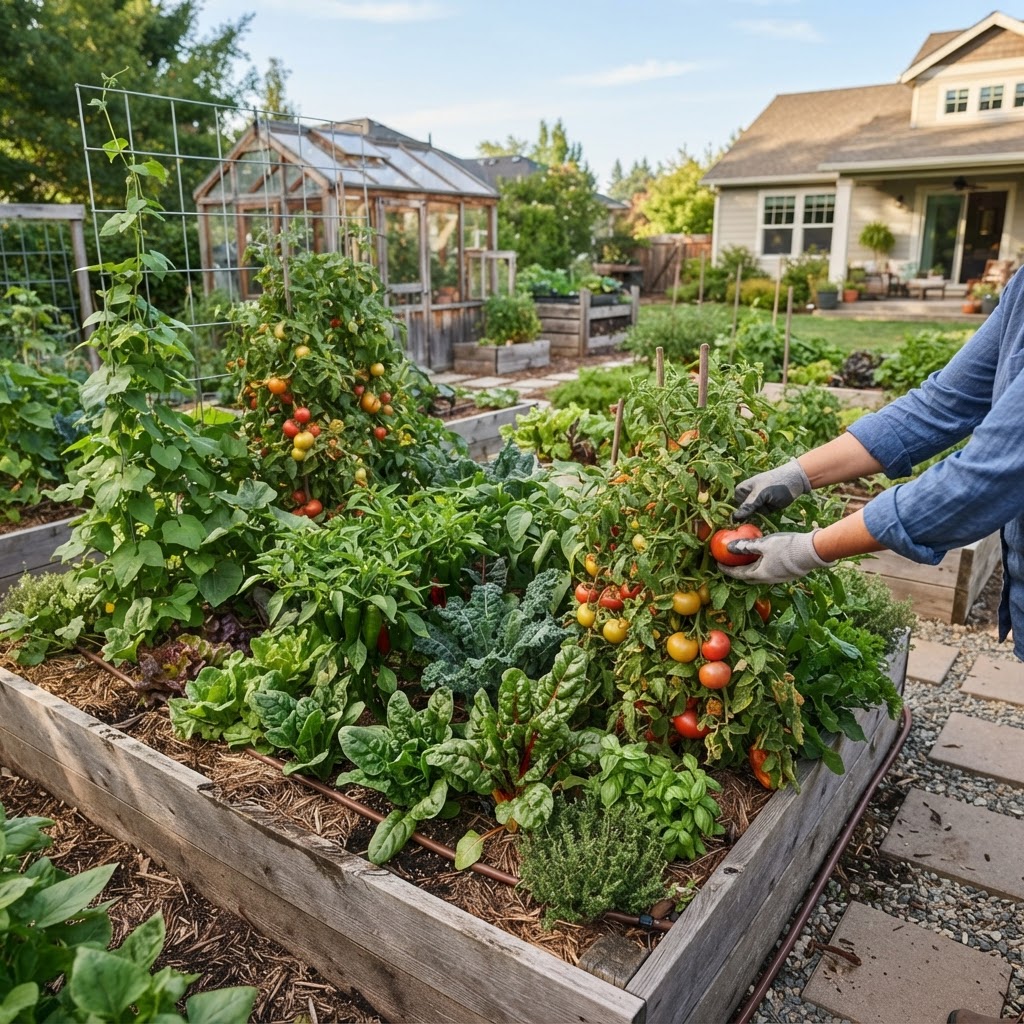
High Yield Vegetable Gardening: Advanced Methods for Success
Take your harvest to the next level by implementing intensive planting strategies, precision nutrient management, and data-driven garden planning techniques.
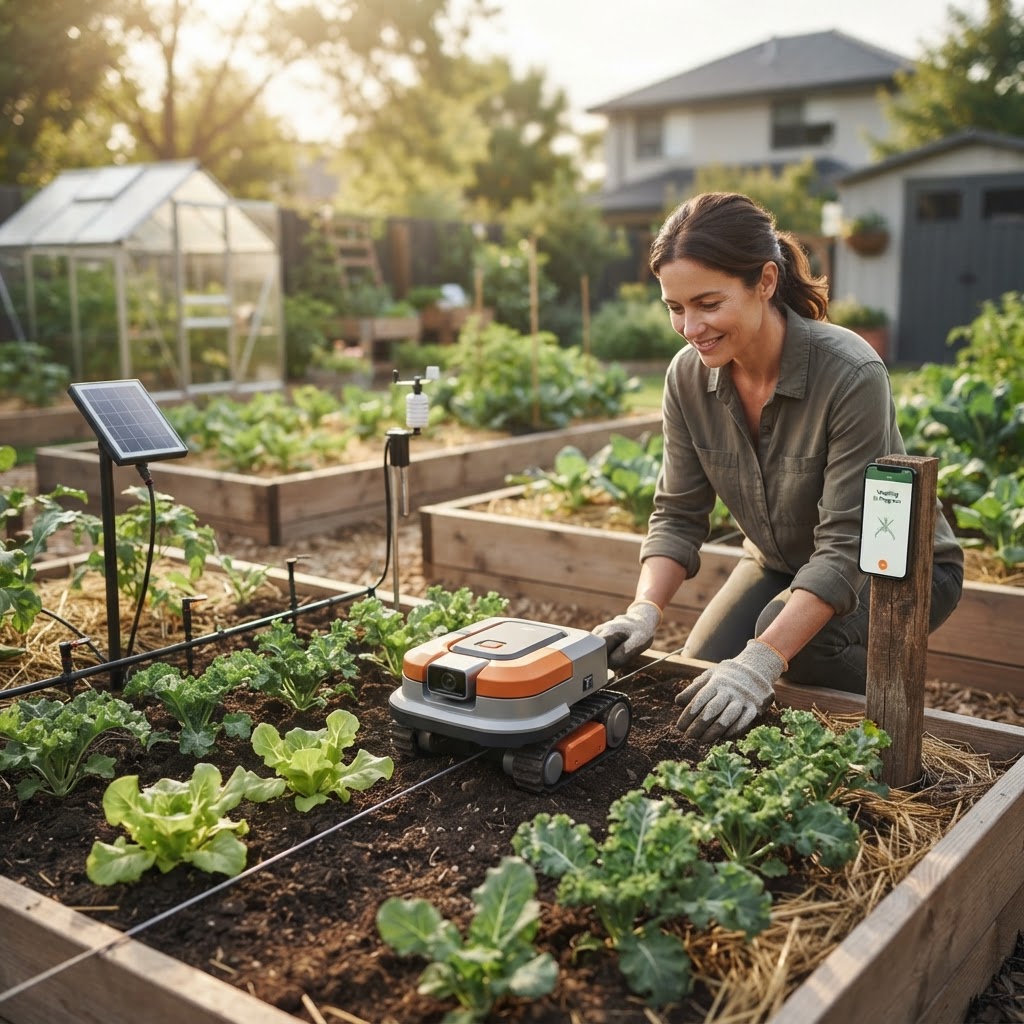
Automated Garden Tools for Beginners: A Complete Guide
Learn how to use smart technology to streamline your gardening chores without losing the joy of working in the soil. This guide covers the basics of garden automation for beginners.