
Kitchen
What a Kitchen Remodel Really Costs in 2026
From cabinets to countertops to labor, here's a realistic line-by-line breakdown of where kitchen remodel dollars actually go in 2026.
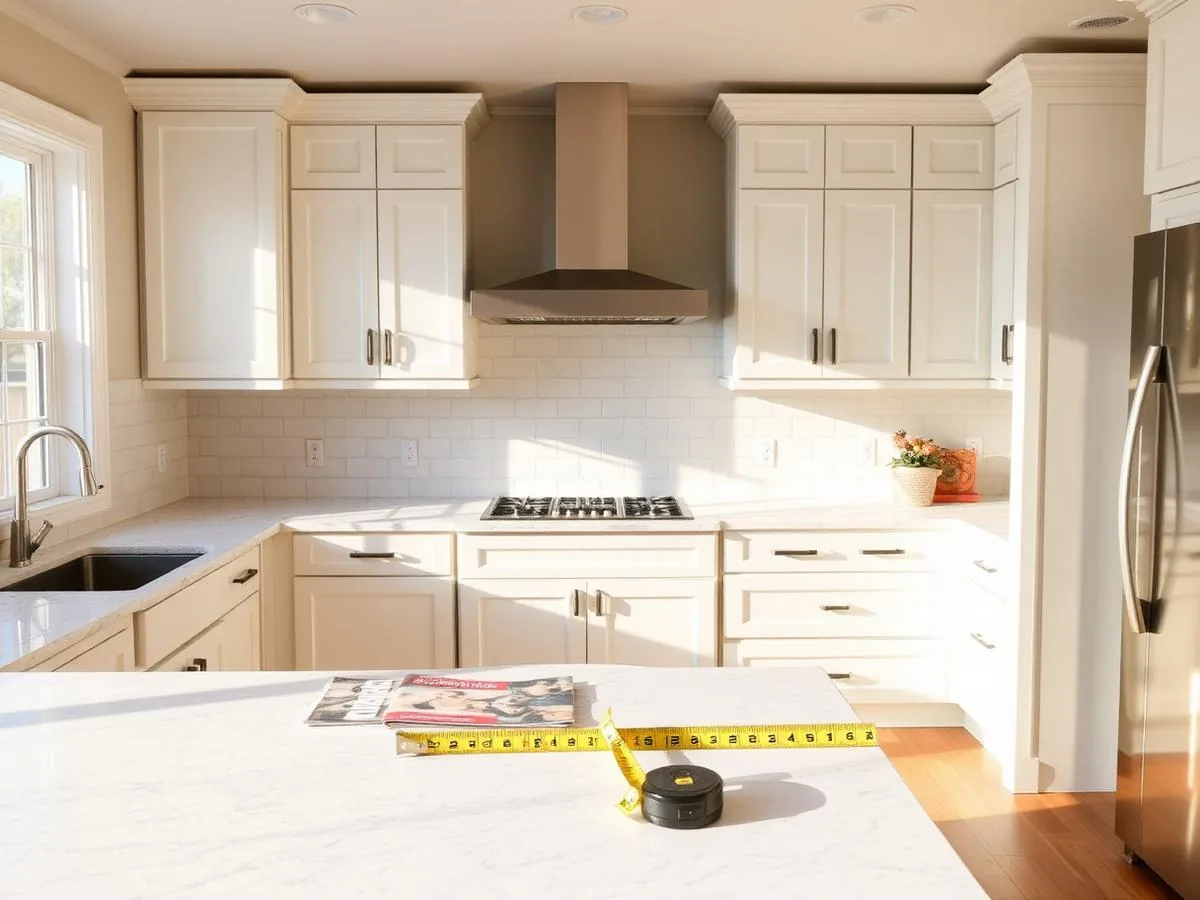
Why kitchen remodel costs vary so widely
A kitchen remodel is one of the biggest single investments most homeowners make in their house, and it's also one of the easiest projects to badly underestimate. Before you request a single quote, it helps to understand the moving pieces that make up a final number, because a quote that looks great on paper can hide missing categories that surface as change orders later.
Ask ten homeowners what their kitchen remodel cost and you'll likely get ten wildly different numbers, and that's not because anyone is exaggerating. Kitchen remodels sit on an unusually wide spectrum, from a $12,000 cosmetic refresh with new paint and hardware to a $90,000-plus gut renovation that moves plumbing and knocks down walls.
In our experience working with contractors and homeowners across the country, the biggest cost driver isn't square footage, it's scope. A 150-square-foot kitchen with new custom cabinetry, moved plumbing, and structural changes can easily cost more than a 250-square-foot kitchen that keeps the existing layout and simply swaps finishes.
The three remodel tiers
Most kitchen remodels fall into one of three broad tiers, and knowing which one you're planning helps you set expectations before you ever call a contractor. Being clear about your tier up front also makes it much easier to compare quotes, since two contractors bidding on very different scopes will naturally produce very different numbers.
Cosmetic refresh: $10,000-$25,000
This tier keeps the existing layout, cabinet boxes, and plumbing locations. Work typically includes cabinet repainting or refacing, new countertops, a new backsplash, updated lighting, and fresh paint. It's the fastest option, often completed in 2-4 weeks, and the lowest risk for budget overruns since there's minimal demolition.
Mid-range remodel: $25,000-$60,000
This is where most full kitchen remodels land. It typically includes new cabinets (stock or semi-custom), new countertops, new appliances, updated flooring, and some electrical and plumbing work, but the footprint of the kitchen generally stays the same. Timeline runs 6-10 weeks depending on cabinet lead times.
High-end or full gut remodel: $60,000-$150,000+
This tier involves custom cabinetry, premium stone countertops, moved or added plumbing and electrical, structural changes like removing a wall, and often a layout redesign. Timelines commonly run 3-6 months, and this tier is the most vulnerable to cost overruns because opening walls frequently reveals surprises like outdated wiring or water damage.
Line-by-line budget breakdown
Regardless of tier, most kitchen remodel budgets break down into a fairly consistent set of categories. Understanding the typical percentage each category eats up helps you spot a lopsided quote before you sign a contract.
| Category | % of budget | Typical cost range |
|---|---|---|
| Cabinetry | 29% | $8,000-$25,000 |
| Labor (installation) | 17% | $5,000-$15,000 |
| Countertops | 10% | $2,500-$8,000 |
| Appliances | 14% | $3,500-$12,000 |
| Flooring | 7% | $1,800-$5,500 |
| Lighting and electrical | 5% | $1,200-$4,000 |
| Plumbing | 4% | $1,000-$3,500 |
| Backsplash and tile | 3% | $700-$2,500 |
| Design fees and permits | 6% | $1,500-$5,000 |
| Contingency | 5% | $1,250-$4,000 |
Cabinets: the single biggest expense
Beyond the box construction and finish, hardware and hidden features add up quickly. Soft-close hinges and drawer slides typically add $15-$40 per cabinet, while features like a pull-out trash bin, deep drawer organizers, or a built-in spice rack can each add $100-$400. These upgrades are worth every dollar for day-to-day usability, but they should be itemized in your quote so you know exactly what you're paying for.
Cabinetry consistently eats the largest share of a kitchen remodel budget, and the range between options is enormous. Stock cabinets, sold in fixed sizes off the shelf, typically run $100-$300 per linear foot installed. Semi-custom cabinets, which allow some size and finish flexibility, run $300-$650 per linear foot. Fully custom cabinetry, built to exact specifications, can run $700-$1,200 or more per linear foot.
If your existing cabinet boxes are structurally sound and you like the current layout, refacing or repainting is worth serious consideration. Cabinet refacing, which replaces doors and drawer fronts while keeping the existing boxes, typically costs 30-50% less than full replacement and can dramatically change the look of a kitchen in a fraction of the time.
Countertops and appliances
Countertop material choice can swing your budget significantly. Laminate remains the most budget-friendly option at $20-$50 per square foot installed, while quartz and granite typically run $50-$100 per square foot, and premium materials like marble or quartzite can exceed $100-$200 per square foot.
For appliances, a mid-range package of refrigerator, range, dishwasher, and microwave typically runs $3,500-$8,000 for reputable mainstream brands, while a professional-style or luxury package with a built-in refrigerator and commercial-style range can run $12,000-$25,000 or more. Matching finishes across the package usually costs less than mixing brands and finishes piecemeal over time.
| Material | Cost per sq ft (installed) | Durability | Maintenance |
|---|---|---|---|
| Laminate | $20-$50 | Moderate | Low |
| Butcher block | $35-$70 | Moderate | Regular oiling needed |
| Quartz | $50-$100 | High | Low |
| Granite | $50-$100 | High | Periodic sealing |
| Marble | $75-$150 | Moderate (stains easily) | Regular sealing |
| Quartzite | $80-$200 | Very high | Periodic sealing |
Planning your remodel step by step
A well-planned remodel timeline reduces both stress and cost overruns. Here's the general sequence most successful kitchen remodels follow. Skipping steps or working out of order is one of the most common reasons a remodel goes over both budget and schedule.
- 1
Set a realistic total budget
Decide on a top-line number first, including a contingency fund, before you start collecting design inspiration that might not fit your budget.
- 2
Get at least three contractor quotes
Compare not just the bottom-line price but what's included, such as demolition, disposal, permits, and appliance installation.
- 3
Finalize your layout
Decide whether you're keeping the existing footprint or moving plumbing and electrical, since this decision affects nearly every other cost.
- 4
Order cabinets early
Cabinets often have the longest lead time in the entire project, ranging from 2 weeks for in-stock options to 12-16 weeks for custom orders.
- 5
Schedule demolition and rough work
Once cabinets are ordered, schedule demolition, framing changes, and rough electrical and plumbing to align with the cabinet delivery date.
- 6
Install cabinets, countertops, and finishes
Cabinets go in first, followed by countertop templating and installation, then backsplash, lighting, and final plumbing connections.
- 7
Final walkthrough and punch list
Inspect every drawer, door, and appliance connection with your contractor and create a punch list of any remaining fixes before final payment.
Common budget mistakes to avoid
We repeatedly see the same handful of mistakes derail otherwise well-planned kitchen remodel budgets. Most of them come down to sequencing and communication rather than the actual cost of materials, which means they're avoidable with a bit of upfront planning.
One of the most expensive mistakes is treating the design phase as optional. Homeowners who skip working with a designer or kitchen planner often end up with a layout that technically works but wastes valuable counter or storage space, requiring costly modifications mid-project once the inefficiency becomes obvious during installation.
- Skipping a contingency fund entirely, then panicking when hidden issues appear
- Choosing cabinets before finalizing the layout, forcing expensive rework later
- Underestimating labor costs in high-demand markets or peak renovation seasons
- Changing your mind mid-project on finishes that have already been ordered
- Forgetting to budget for temporary kitchen setups during a multi-month remodel
- Set a total budget including a 10-15% contingency
- Get three itemized quotes from licensed, insured contractors
- Confirm cabinet lead times before scheduling demolition
- Decide on countertop and appliance selections before cabinets are ordered
- Set aside funds or a plan for a temporary kitchen setup during construction
Financing and return on investment
It's worth separating the emotional value of a remodel from its pure resale return. A kitchen you'll enjoy cooking in every day for the next decade has value well beyond what shows up in a cost-versus-value report, and that's a legitimate reason to spend more on features like a larger island or higher-end range, even if the math doesn't perfectly pencil out at resale.
According to national remodeling cost-versus-value data, a minor kitchen remodel tends to recoup a higher percentage of its cost at resale than a major upscale remodel, though both add genuine value and livability. Homeowners planning to sell within a few years often get the best return by focusing on a mid-range refresh rather than a top-of-the-line gut renovation.
Common financing options include a home equity line of credit, a cash-out refinance, a dedicated renovation loan, or simply saving and paying cash over time. Each comes with different interest rate and repayment tradeoffs, so it's worth comparing at least two financing options alongside your contractor quotes before committing to a final budget number.
The bottom line
A kitchen remodel in 2026 can reasonably cost anywhere from $12,000 for a cosmetic refresh to well over $100,000 for a full custom gut renovation, and most homeowners land somewhere in the $25,000-$60,000 mid-range tier. The key to staying on budget isn't finding the cheapest possible quote, it's understanding exactly what's included in each quote and building in a realistic contingency for the surprises that almost always come up once walls are opened.
Start with a clear-eyed assessment of your layout, get multiple detailed quotes, and prioritize spending on the elements you'll touch and use every single day, like cabinet hardware and countertops, over trend-driven finishes that are cheaper to update later.
Keep reading
Sources
- #kitchen
- #remodel
- #budget
- #renovation
Frequently Asked Questions
How much does an average kitchen remodel cost in 2026?
Most mid-range kitchen remodels in the U.S. fall between $25,000 and $60,000, covering new cabinets, countertops, appliances, and finishes without changing the kitchen's footprint. Cosmetic refreshes can run as low as $10,000-$25,000, while full custom gut renovations often exceed $80,000-$150,000.
What percentage of a kitchen remodel budget should go to cabinets?
Cabinetry typically accounts for around 25-30% of a total kitchen remodel budget, making it the single largest line item. If you're trying to stretch a budget, cabinet refacing instead of full replacement often saves 30-50% while still transforming the kitchen's appearance.
Is it cheaper to reface cabinets instead of replacing them?
Yes, in most cases. Cabinet refacing keeps the existing boxes and only replaces doors, drawer fronts, and hardware, typically costing 30-50% less than full replacement. It only works well if the existing cabinet boxes are structurally sound and you're happy with the current layout.
How much should I set aside for a remodel contingency fund?
Plan for at least 10-15% of your total project budget as contingency, and lean toward 20% for homes built before 1990, where hidden wiring, plumbing, or structural issues are more common once walls are opened.
How long does a typical kitchen remodel take?
A cosmetic refresh can take 2-4 weeks, a mid-range remodel typically takes 6-10 weeks, and a full gut renovation with structural changes often takes 3-6 months. Cabinet lead times are frequently the biggest scheduling bottleneck, especially for custom orders.
Does a kitchen remodel increase home value?
Yes, kitchen remodels are consistently among the higher-return renovation projects, though minor remodels tend to recoup a larger percentage of their cost at resale than major upscale remodels. Both add genuine value, but homeowners planning to sell soon often see the best return from a mid-range refresh.
Should I move plumbing or electrical during my remodel?
Only if your layout truly requires it, since moving plumbing and electrical adds meaningful cost and time compared to keeping fixtures in their existing locations. If you're on a tighter budget, working within your current plumbing and electrical footprint is one of the most effective ways to control costs.
Related Articles

9 Interior Paint Colors That Make Rooms Feel Larger and Brighter
The right paint color can make a cramped room feel open and a dim room feel sunlit. Here are nine shades that actually work, and how to pick them.

Vegetable Garden Failures: How to Fix Common Problems
Discover how to diagnose and resolve common vegetable garden challenges using practical, science-based troubleshooting techniques to save your plants.

High Yield Vegetable Gardening: Advanced Methods for Success
Take your harvest to the next level by implementing intensive planting strategies, precision nutrient management, and data-driven garden planning techniques.