
Garden Gear
The Best Pruning Shears We Tested This Year
We tested a dozen bypass and anvil pruners on live branches to find the best pruning shears for every budget and hand size.
How we tested
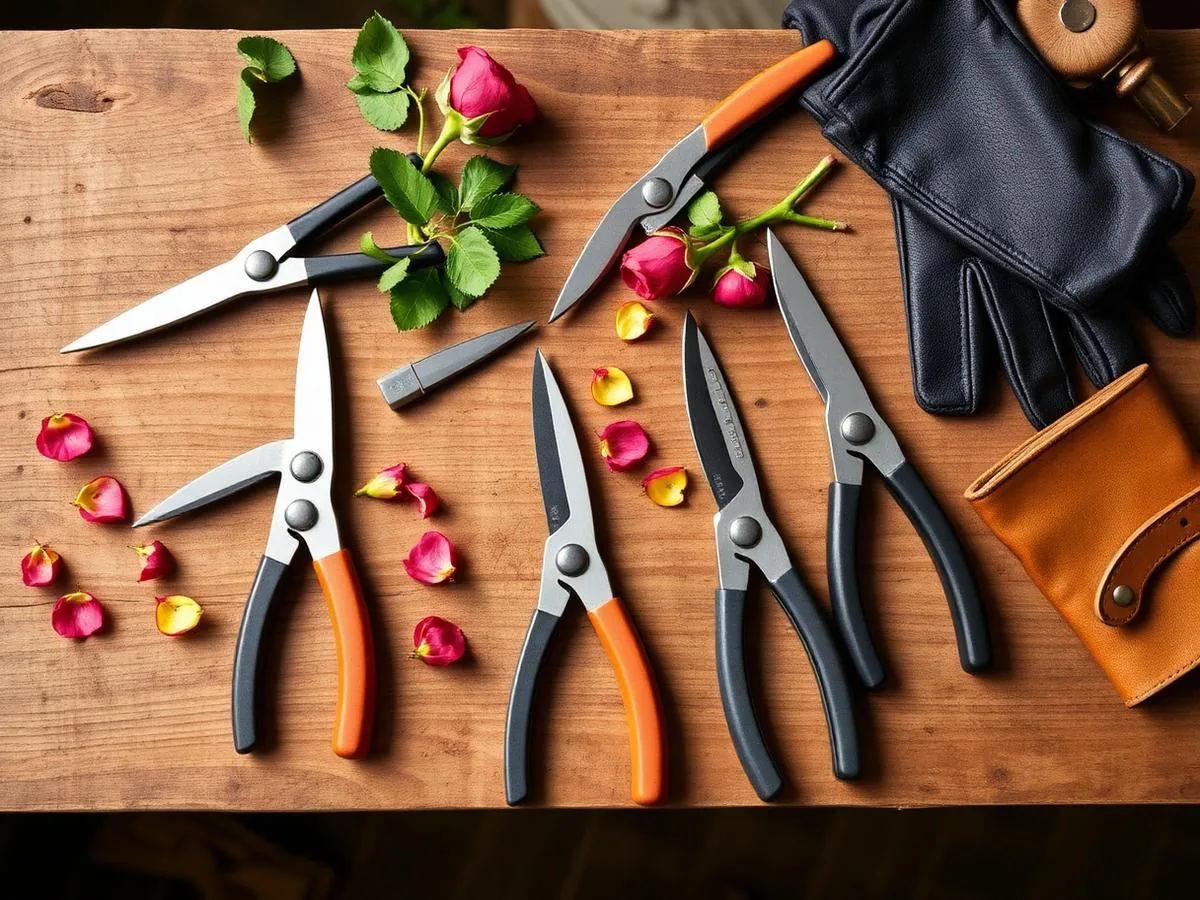
Over six weeks we put twelve bypass and anvil pruning shears through real yard work: deadheading roses, thinning fruit trees, and cutting back woody perennials up to three-quarters of an inch thick. We tracked cut quality, hand fatigue, and how well each pair held an edge.
Each pruner made at least 200 cuts across green growth and dry, woody stems. We logged blade drift, sap buildup, and whether the spring mechanism stayed reliable after repeated use. Price ranged from $12 to $70, so we weighed performance against cost at every tier.
We also handed each pair to testers with different hand sizes, including two with mild arthritis, to see which designs reduced grip strain. That feedback shaped our final rankings as much as raw cutting power did.
What makes a great pair of pruning shears
Bypass pruners use two curved blades that slide past each other like scissors, giving a clean cut that's gentler on living plant tissue. Anvil pruners press a single blade against a flat plate, which works well on dead wood but can crush live stems.
Blade steel and edge retention
High-carbon steel blades held an edge noticeably longer than stamped stainless blades in our testing. Forged, hardened blades resisted rolling and chipping even after cutting through thicker deadwood repeatedly.
Grip and ergonomics
Cushioned, contoured handles reduced hand fatigue on long pruning sessions. Rotating handles and shock-absorbing bumpers made the biggest difference for testers doing more than 30 minutes of continuous cutting.
Top picks at a glance
| Model | Type | Max cut | Price | Best for |
|---|---|---|---|---|
| Felco 2 Classic | Bypass | 0.75 in | $68 | Serious gardeners |
| Fiskars PowerGear2 | Bypass | 0.625 in | $25 | Everyday pruning |
| Corona BP 3180 | Bypass | 0.75 in | $22 | Value pick |
| ARS HP-VS8Z | Bypass | 0.5 in | $32 | Small hands |
| Bahco PXR-M2 | Anvil | 1.0 in | $40 | Dead wood cleanup |
The Felco 2 remains the benchmark for a reason: replaceable parts, a lifetime of service, and a cut quality that held up on stems others struggled with. But it's not the only pruner worth owning, and budget picks like the Corona BP 3180 punch well above their price.
Our top overall pick: Felco 2 Classic
The Felco 2 cut cleanly through everything we threw at it, from soft basil stems to three-quarter-inch rose canes. Its forged steel blade kept a working edge through the entire test period without a single sharpening.
At $68 it's the priciest pruner in our lineup, but every part is replaceable, from the spring to the blade itself, which means one pair can realistically last decades with basic care. Most homeowners find that cost spreads out to pennies per use over the years.
- Forged high-carbon steel blade holds an edge longer than stamped alternatives
- Fully replaceable parts extend tool life indefinitely
- Adjustable tension screw lets you fine-tune blade play
- Sap groove reduces sticky buildup during use
Best budget pick: Corona BP 3180
At $22, the Corona BP 3180 delivered cut quality close to pruners twice its price. The non-stick blade coating shed sap well, and the co-molded grip stayed comfortable through an hour of continuous deadheading.
It's not built for heavy commercial use, and the spring felt slightly less snappy after a few weeks, but for a backyard gardener doing seasonal cleanup, it's an easy recommendation.
Best for small hands: ARS HP-VS8Z
Testers with smaller hands consistently rated the ARS HP-VS8Z as the most comfortable pruner in the lineup. Its shorter handle span and lighter overall weight reduced strain during extended rose and shrub pruning.
The trade-off is a smaller maximum cutting capacity of about half an inch, so it's better suited to fine detail work than thick branch removal.
How to choose the right pruner for your yard
Start by thinking about what you cut most often. If your yard is mostly perennials, roses, and soft new growth, a bypass pruner is the right call. If you're regularly clearing dead branches or brush, an anvil pruner or bypass lopper handles that better.
- 1
Measure your typical branch size
Walk your yard and note the diameter of what you usually cut. Most homeowners rarely exceed three-quarters of an inch with hand pruners.
- 2
Try before you buy when possible
Grip strength and hand size vary a lot. Visit a garden center and squeeze the handles fully closed to check for comfort.
- 3
Check for replaceable parts
Look for pruners with available replacement blades and springs so a single worn part doesn't force you to buy a whole new tool.
- 4
Buy a holster or sheath
A dedicated sheath protects the blade edge and keeps the tool from rattling around in a tool bucket or bag.
Maintenance and care
Wipe blades clean after every use, especially after cutting sappy or diseased material. A cloth with a little rubbing alcohol removes sap and disinfects the blade between plants.
Sharpen with a diamond file or whetstone every few weeks during heavy pruning season, following the existing blade bevel angle. A light coat of household oil on the pivot and blade prevents rust between uses.
- Wipe blades after each use
- Disinfect between plants to avoid spreading disease
- Sharpen along the existing bevel every few weeks in season
- Oil the pivot point monthly
- Store in a dry sheath, not a damp bucket
Common mistakes to avoid
The most common mistake we see is using pruners past their capacity. Forcing a small bypass pruner through a branch that's too thick bends the blade and throws off the alignment permanently.
The second is neglecting the tension screw. A pruner that feels loose and wobbly usually just needs a quarter turn on the adjustment screw, not a replacement.
The bottom line
For most home gardeners, a quality bypass pruner in the $25 to $40 range covers nearly every task in a typical yard. If you prune often and want a tool that lasts a lifetime with basic care, the Felco 2 is worth the investment.
Whatever you choose, the biggest factor in performance over time isn't the price tag, it's maintenance. A cheap pruner kept clean and sharp will outperform an expensive one left to rust in a bucket.
Keep reading
Sources
- #tools
- #pruning
- #reviews
- #garden gear
Frequently Asked Questions
How often should I sharpen my pruning shears?
During active growing season, sharpen every two to three weeks with regular use, or sooner if you notice the blade crushing rather than slicing stems cleanly. Light-duty gardeners may only need to sharpen once or twice a season.
What's the difference between bypass and anvil pruners?
Bypass pruners have two curved blades that slide past each other for a clean, scissor-like cut, making them ideal for live growth. Anvil pruners press a single blade against a flat plate, which works well for dead wood but can crush living stems.
Can I use rubbing alcohol to clean my pruners?
Yes, isopropyl alcohol is an effective and inexpensive way to clean sap and disinfect blades between cuts, especially when working with diseased plants. Wipe the blade dry afterward to prevent rust.
How much should I spend on a good pair of pruning shears?
Most homeowners find pruners in the $20 to $40 range handle typical yard work well. If you prune frequently or professionally, investing $60 or more in a pair with replaceable parts often pays off over years of use.
What size branch can hand pruners cut?
Most bypass hand pruners are rated for branches up to three-quarters of an inch in diameter. Beyond that, switch to loppers or a pruning saw to avoid straining the tool or getting an uneven cut.
Why do my pruners feel loose after months of use?
Most pruners have a tension screw near the pivot that loosens naturally over time. A quarter turn clockwise usually restores a snug, controlled action without needing any replacement parts.
Are left-handed pruning shears worth buying?
If you're left-handed, a dedicated left-handed bypass pruner gives a noticeably cleaner cut and less wrist strain than forcing a right-handed tool. Several major brands, including Felco, offer left-handed versions of their popular models.
Related Articles

Vegetable Garden Failures: How to Fix Common Problems
Discover how to diagnose and resolve common vegetable garden challenges using practical, science-based troubleshooting techniques to save your plants.
High Yield Vegetable Gardening: Advanced Methods for Success
Take your harvest to the next level by implementing intensive planting strategies, precision nutrient management, and data-driven garden planning techniques.
Automated Garden Tools for Beginners: A Complete Guide
Learn how to use smart technology to streamline your gardening chores without losing the joy of working in the soil. This guide covers the basics of garden automation for beginners.