
Vegetable Gardening
The Complete Spring Garden Checklist
A week-by-week plan for waking up beds, testing soil, and getting seeds in the ground at the right time.
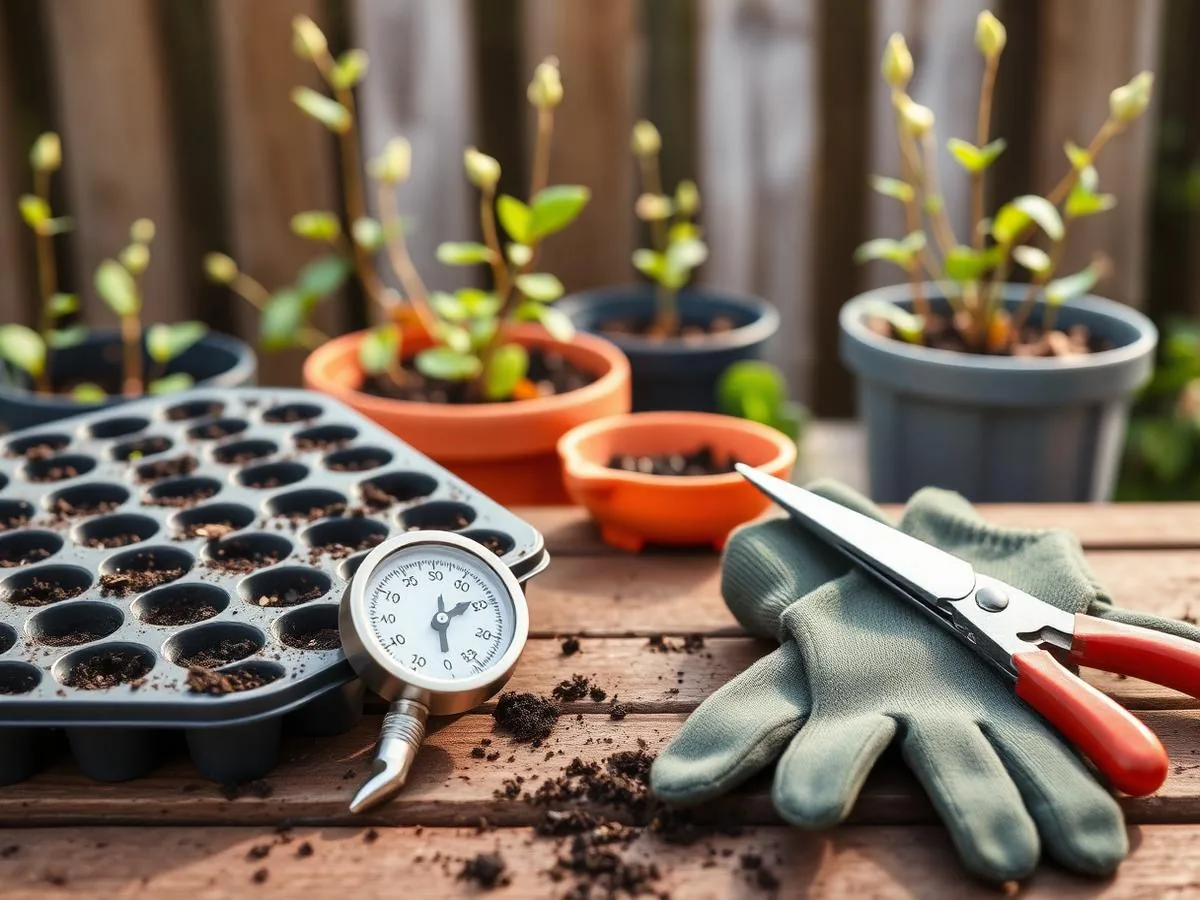
Why timing matters more than enthusiasm
Every spring we get calls from homeowners who planted tomatoes on the first 70°F day and lost the whole flat to a late frost two weeks later. Spring gardening success has less to do with how eager you are and more to do with reading the actual signals your soil and climate are giving you.
Soil temperature, not air temperature, drives germination and root growth. A sunny 65°F afternoon can sit above soil that's still a chilly 45°F just two inches down, especially in beds that were mulched heavily over winter. That gap is where most spring planting mistakes happen.
This checklist walks through the season in order: waking the soil up, cleaning and repairing infrastructure, starting seeds, and finally transplanting once your last frost date has genuinely passed. Work through it in sequence rather than jumping to the fun parts.
Step one: read your soil before you touch it
Before any digging, do a simple squeeze test. Grab a handful of soil from 4 inches down and squeeze it into a ball. If it stays in a tight, wet clump or oozes water, it's too wet to work — tilling or digging now will compact it into clods that take all season to break up.
If the ball crumbles apart when you poke it, you're good to go. This is especially important in clay-heavy soils common across the Midwest and Northeast, where working wet soil in March can undo years of structure improvement.
Soil temperature targets by crop
| Crop | Min. soil temp (°F) | Typical timing |
|---|---|---|
| Peas | 40°F | 4-6 weeks before last frost |
| Spinach, lettuce | 40°F | 3-5 weeks before last frost |
| Carrots, beets | 50°F | 2-3 weeks before last frost |
| Beans | 60°F | At or after last frost |
| Tomatoes (transplant) | 60°F | 1-2 weeks after last frost |
| Peppers, squash | 65°F | 2+ weeks after last frost |
Test and amend before you plant anything
A $15-25 soil test through your county extension office is the single best dollar-for-dollar investment in spring gardening. It tells you actual pH and nutrient levels instead of guessing based on what worked at a neighbor's house.
Most vegetable gardens want a pH between 6.0 and 6.8. If your test comes back below that, garden lime raises pH over several weeks; if it's too alkaline, elemental sulfur brings it down. Both take time to work, which is exactly why testing happens now instead of in May.
Work in 2-3 inches of finished compost across beds regardless of what the test says. Compost improves structure in sandy and clay soils alike, and it's the one amendment that's genuinely hard to overdo.
Clean up, repair, and sharpen
Spring cleanup is more than aesthetics — leftover diseased foliage and debris overwinter fungal spores and insect eggs that reinfect this year's plants. Clear last season's stalks, especially from tomato, squash, and brassica beds, and either hot-compost or discard them rather than tilling them under.
This is also the week to inspect and repair infrastructure: check raised bed corners for rot, tighten trellis wire, and clean out gutters and downspouts feeding rain barrels before you need that water in July.
Tool tune-up
- 1
Clean
Wipe soil and rust from blades with a wire brush; wash wooden handles with soapy water and let dry fully.
- 2
Sharpen
Use a mill file or whetstone on pruners and hoe edges at the factory bevel angle, usually 20-25 degrees.
- 3
Oil
Wipe metal parts with a light coat of mineral oil and rub linseed oil into wooden handles to prevent cracking.
- 4
Disinfect
Dip pruner blades in a 10% bleach solution or isopropyl alcohol between plants if you dealt with disease last year.
Starting seeds indoors on the right schedule
Count backward from your average last frost date, which you can find through your local extension office or the National Weather Service climate normals. Most tomatoes and peppers need 6-8 weeks indoors before transplant; slow growers like celery need 10-12.
Use a seed-starting mix, not garden soil, which compacts in trays and often carries fungus gnat larvae or damping-off pathogens. A basic setup — trays, a heat mat, and a shop light on a timer for 14-16 hours a day — runs about $60-90 and lasts for years.
Thin seedlings to one per cell once true leaves appear, and begin hardening off 7-10 days before transplanting by setting trays outside in a sheltered, shaded spot for increasing hours each day.
Direct sowing and succession planting
Cool-season crops like peas, spinach, radishes, and lettuce can go directly into the ground weeks before your last frost, as soon as soil hits their minimum temperature. These crops actually bolt and turn bitter in early summer heat, so getting them in early is an advantage, not a risk.
Stagger plantings of fast crops like radishes and lettuce every 10-14 days through spring for a continuous harvest instead of one giant flush that bolts all at once.
Hold warm-season crops — beans, corn, squash, cucumbers — until soil is reliably above 60°F, even if the calendar says it's technically past frost date. Seeds sown into cold soil often rot before they germinate rather than just sitting dormant.
Mulching and irrigation setup
Wait to apply mulch on vegetable beds until soil has warmed to your target range — mulching too early insulates cold soil and delays warming by weeks. Once soil temperature is on track, 2-3 inches of straw or shredded leaves suppresses weeds and evens out moisture swings.
This is also the ideal week to flush and test drip irrigation lines before plants are in the ground and leaks are harder to spot. Run the system for 10 minutes and walk the rows looking for pooling or dry gaps.
- Flush lines to clear winter debris and mineral buildup
- Replace cracked emitters and end caps
- Check timer battery and reprogram for the new season
- Inspect for rodent damage near the water source
Common mistakes to avoid
The most common spring mistake is planting by calendar date instead of by conditions. 'Last frost is May 15' is an average, not a guarantee — check a real forecast before you commit tender transplants to the ground.
Second most common: over-fertilizing in a rush to make up for a slow start. Excess nitrogen early season pushes leafy growth at the expense of root development and can actually delay fruiting later on.
Third: skipping hardening off. Seedlings raised entirely indoors under lights have thin cell walls and no wind exposure; moving them straight into full sun and breeze can scorch or snap them within a day.
Your week-by-week checklist
- Test soil pH and nutrients through your extension office
- Take soil temperature readings for at least 3 consecutive mornings
- Clear and dispose of last season's plant debris
- Clean, sharpen, and oil hand tools
- Start slow-growing seeds indoors 10-12 weeks before last frost
- Start tomatoes and peppers indoors 6-8 weeks before last frost
- Direct sow cool-season crops once soil hits 40°F
- Flush and inspect drip irrigation lines
- Harden off transplants for 7-10 days before planting out
- Apply mulch only after soil reaches target temperature
The bottom line
A productive spring garden comes down to sequence: read the soil, fix your infrastructure, start seeds on schedule, and resist the urge to rush warm-season crops into cold ground. None of these steps are difficult individually — they just need to happen in order.
Keep a simple log of your soil temperature readings and planting dates this year. In our experience, that one habit does more to improve next spring's timing than any new gadget or fertilizer.
Keep reading
Sources
- #spring
- #checklist
- #planning
- #soil temperature
Frequently Asked Questions
What's the difference between soil temperature and air temperature for planting?
Soil temperature reflects the actual environment seeds and roots experience, while air temperature can swing rapidly with sun and wind. A warm afternoon doesn't mean the soil 4 inches down has caught up, especially under mulch or in shaded beds. Always check soil temperature directly with a probe thermometer rather than relying on the forecast alone.
How do I find my last frost date?
Check your local NOAA/National Weather Service climate normals or your county extension office website, both of which publish average last frost dates based on decades of local data. Treat the date as a median, not a guarantee — plan to watch the actual 10-day forecast before transplanting tender crops.
Can I work wet soil if I'm in a hurry?
It's worth waiting. Working wet clay or loam compacts it into dense clods that can take months, sometimes a full season, to break back down, and it damages soil structure and drainage. Use the squeeze test — if soil clumps and stays wet, hold off a few more days.
Do I need a soil test every year?
Not necessarily. Most gardens benefit from a full test every 2-3 years, with a quick pH check annually if you're amending heavily. If you've had persistent problems like yellowing leaves or poor yields, a fresh test is worth the $15-25 to rule out a nutrient issue.
When should I remove winter mulch?
Pull back heavy winter mulch once your soil starts warming in early spring, generally when daytime highs are consistently above 45-50°F. Removing it too early exposes soil to frost damage; leaving it too long delays warming and pushes back your planting schedule.
Is it too late to start a spring garden if I missed the early weeks?
No. Many crops, including beans, squash, and most flowers, do best planted well after the traditional early rush anyway. Focus on warm-season crops directly, or start fast-maturing greens for a late-spring harvest instead of forcing crops that needed an earlier start.
Related Articles
Vegetable Garden Failures: How to Fix Common Problems
Discover how to diagnose and resolve common vegetable garden challenges using practical, science-based troubleshooting techniques to save your plants.
High Yield Vegetable Gardening: Advanced Methods for Success
Take your harvest to the next level by implementing intensive planting strategies, precision nutrient management, and data-driven garden planning techniques.
Automated Garden Tools for Beginners: A Complete Guide
Learn how to use smart technology to streamline your gardening chores without losing the joy of working in the soil. This guide covers the basics of garden automation for beginners.