
Gardening
Best Mulch for Flower Beds: A Complete Gardener's Guide
Choosing the best mulch for flower beds can transform your garden by retaining moisture, suppressing weeds, and improving long-term soil health. This comprehensive guide walks you through every option so you can make the right choice for your plants and climate.

If you want healthier flowers, fewer weeds, and less time dragging a hose around the yard, mulch is one of the smartest tools in a gardener's arsenal. But walk into any garden center and you'll find a wall of bags in every color, texture, and material imaginable. So what really is the best mulch for flower beds? The honest answer: it depends on your soil, your climate, and the plants you're growing. This guide breaks down every major option—organic and inorganic—so you can make a confident, informed decision.
Why Mulch Is Essential for Your Flower Beds
Mulch does far more than make a garden bed look tidy. A properly applied layer of mulch creates a protective blanket over your soil that delivers multiple benefits simultaneously:
- Moisture retention: Mulch dramatically slows evaporation, meaning your plants stay hydrated longer between watering sessions—especially important during hot summer months.
- Weed suppression: A thick mulch layer blocks sunlight from reaching weed seeds in the soil, preventing the majority of them from germinating.
- Temperature regulation: Mulch insulates the soil, keeping roots cooler in summer and protecting them from hard freezes in winter.
- Erosion control: Heavy rain can compact bare soil and wash nutrients away. Mulch absorbs the impact and keeps the soil structure intact.
- Soil health improvement: Organic mulches break down over time, feeding beneficial soil microbes and earthworms, and gradually enriching your soil with organic matter.
Does mulch help flowers grow? Absolutely. By stabilizing soil temperature, maintaining consistent moisture levels, and slowly adding nutrients, mulch creates the stable growing environment that flowering plants thrive in.
Types of Organic Mulch for Flower Beds
Organic mulches are derived from plant or animal materials. Their defining advantage is that they decompose—feeding your soil ecosystem as they break down. This makes them the preferred choice for most ornamental flower beds where long-term soil health is the goal.
Shredded Bark and Wood Chips
Shredded bark (typically from pine, cedar, or hardwood) and wood chips are among the most widely used organic mulches for flower beds, and for good reason. They're widely available, relatively affordable, and they look attractive in a finished garden bed.
- Best for: Established perennial beds, shrub borders, and pathways between beds.
- Pros: Long-lasting (1–3 years before needing replacement), excellent at suppressing weeds, breaks down slowly to enrich soil.
- Cons: Fresh wood chips can temporarily tie up nitrogen in the soil as they decompose. Avoid mixing them deeply into the soil; keep them on the surface. Dyed bark mulch is cosmetically appealing but offers no added horticultural benefit.
- Application tip: Aged or composted wood chips are a better choice than fresh chips if you're concerned about nitrogen competition with young plants.
Cedar mulch deserves a special mention for flower beds near the house, as cedar's natural oils have some mild insect-repelling properties—a welcome bonus for gardeners dealing with certain pests.
Pine Needles and Straw
Pine needles (also called pine straw) are a popular mulch in the Southeast US and wherever pine trees are plentiful. Contrary to popular belief, pine needles do not significantly acidify soil over a single season—though over many years in high quantities, they can have a modest effect. This makes them a genuinely good fit for acid-loving plants like azaleas, rhododendrons, and blueberries.
- Best for: Acid-loving flowering plants, slopes (the needles interlock and resist washing away), and informal garden styles.
- Pros: Lightweight and easy to spread, allows excellent water penetration, naturally attractive.
- Cons: Breaks down faster than bark, may need annual replenishment. Can be a fire hazard in very dry climates when dry.
Straw (not hay, which contains weed seeds) is another lightweight option well-suited for vegetable gardens and annual flower beds. It's inexpensive, decomposes readily, and is easy to turn into the soil at season's end.
Compost and Leaf Mold
If soil improvement is your primary goal, compost and leaf mold are the gold standard of organic mulches. Leaf mold is simply decomposed leaves—a free resource for anyone who rakes their yard in fall.
- Best for: Newly planted flower beds, vegetable gardens, any area where soil quality is poor or compacted.
- Pros: Exceptional soil amendment value, introduces beneficial microorganisms, improves both drainage in clay soils and water retention in sandy soils.
- Cons: Breaks down quickly (may need reapplication 1–2 times per season), less effective at weed suppression than bark mulch unless layered generously.
- Pro tip: Layer 2 inches of compost beneath 2 inches of bark mulch for the best of both worlds—immediate weed suppression on top and active soil feeding below.
Inorganic Mulch Options: When to Use Them
Inorganic mulches—including gravel, river rock, landscape fabric, and rubber mulch—don't break down, which means they require little annual maintenance. However, they offer no soil-feeding benefit, and in some situations they can actually create problems over time.
- Gravel and river rock: Best suited to xeriscaping (drought-tolerant planting schemes), rock gardens, and Mediterranean-style plantings. They absorb and radiate heat, which suits heat-loving plants but can stress moisture-sensitive species. They also become permanent features—removing them later is labor-intensive.
- Landscape fabric: Often marketed as a permanent weed barrier, landscape fabric is best used under gravel or rock paths. In a flower bed, it tends to become clogged with debris over time, restricting water and air movement to roots. Organic mulch does a comparable job of suppressing weeds without these drawbacks.
- Rubber mulch: Made from recycled tires, rubber mulch is long-lasting and stays in place. However, it offers zero nutritional benefit, can leach compounds into the soil over time, and retains heat in ways that may not suit all plants. Best reserved for playgrounds and pathways rather than ornamental flower beds.
The clearest advantage of inorganic mulch is durability and low maintenance. For homeowners who want a permanent, low-effort look in a specific area—particularly in hot, arid climates—gravel or decomposed granite can be an excellent choice.
How to Choose the Right Mulch for Your Specific Plants
The best mulch for flower beds isn't one-size-fits-all. Here's a quick reference by plant type and situation:
- Roses: Shredded bark, aged wood chips, or compost work beautifully around roses. They retain moisture at the root zone, which roses love, and their slow decomposition feeds the soil. Avoid piling mulch directly against the canes.
- Acid-loving flowers (azaleas, rhododendrons, gardenias): Pine needles or composted oak leaf mold are ideal, as both are mildly acidifying over time.
- Annual flower beds: Straw or compost are excellent choices because they're easy to till in at season's end and improve the soil for the following year.
- Perennial beds: Shredded hardwood bark or wood chips provide lasting coverage season after season with minimal topping off.
- Hot, dry climates: Gravel or decomposed granite paired with drought-tolerant plants is a sustainable, low-maintenance system.
- Cold climates: Apply organic mulch in late fall after the ground begins to freeze to insulate roots and prevent frost heaving through winter.
When in doubt, check your local university extension service's recommendations for your specific USDA plant hardiness zone—they provide region-specific guidance tailored to local soils and climate conditions.
Proper Mulching Techniques for Maximum Benefit
Knowing which mulch to use is only half the equation. How you apply it matters just as much.
- Prepare the bed first. Pull existing weeds before mulching. Mulch suppresses new weeds but won't kill established ones.
- Apply the right depth. For most flower beds, 2 to 3 inches of mulch is the sweet spot. This is deep enough to block weed seeds and retain moisture, but shallow enough to allow water and air to penetrate to the roots. Fine-textured mulches like compost can be applied at 1–2 inches since they compact more readily.
- Keep mulch away from plant stems. Leave a 2–3 inch gap between the mulch and the base of any plant stem or tree trunk. Mulch piled against stems traps moisture and creates conditions for rot and disease.
- Extend mulch to the drip line. For individual shrubs or roses, apply mulch out to the drip line (the outer edge of the foliage canopy) to protect the full root zone.
- Water after applying. A light watering after spreading mulch helps it settle and begin its moisture-retaining work.
Common Mulching Mistakes to Avoid
Even experienced gardeners fall into these traps. Avoiding them will save you time, money, and plant stress.
- Volcano mulching: Piling mulch in a cone shape against tree trunks or shrub stems is one of the most damaging things you can do to a plant. It traps moisture against the bark, invites disease, and can girdle roots over time. Always keep mulch flat and pulled back from stems.
- Applying too much: Can you put too much mulch in a garden bed? Yes. A layer deeper than 4 inches can prevent water from reaching roots, suffocate soil organisms, and create anaerobic (low-oxygen) conditions harmful to plant roots. More is not better.
- Using fresh wood chips too close to plants: Fresh, uncomposted wood chips can temporarily draw nitrogen out of the soil as soil microbes break them down. Either compost them first or use them as a pathway mulch away from actively growing plants.
- Forgetting to top off: Organic mulches decompose—that's what makes them beneficial. But it also means you need to check depth each spring and add an inch or so as needed. Knowing when to replace garden mulch is simple: when the layer has thinned to less than an inch, it's time to replenish.
- Using diseased plant material: Never compost or use as mulch any plant material that showed signs of disease or fungal infection during the growing season. This can spread pathogens throughout your garden bed.
- Mulching on dry soil: Always water your bed thoroughly before mulching, or apply mulch right after rainfall. Mulching dry soil seals the moisture deficit in rather than locking moisture in.
Mulching is one of the highest-return habits a home gardener can develop. Done correctly with the right material for your plants and region, it genuinely does the work of a part-time garden assistant—reducing watering needs, cutting down weeding time, and building better soil every single season.
- #mulching
- #flower beds
- #garden mulch
- #weed suppression
- #soil health
Related Articles
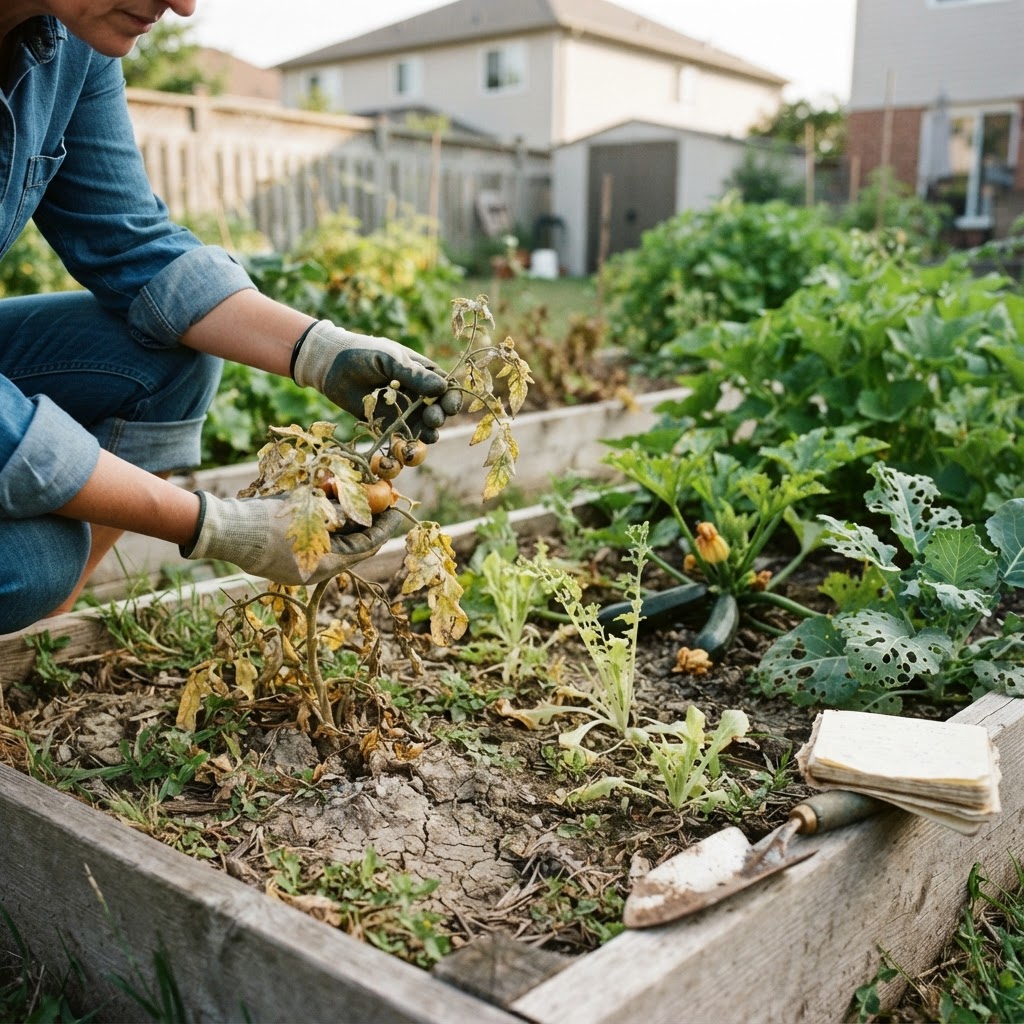
Vegetable Garden Failures: How to Fix Common Problems
Discover how to diagnose and resolve common vegetable garden challenges using practical, science-based troubleshooting techniques to save your plants.
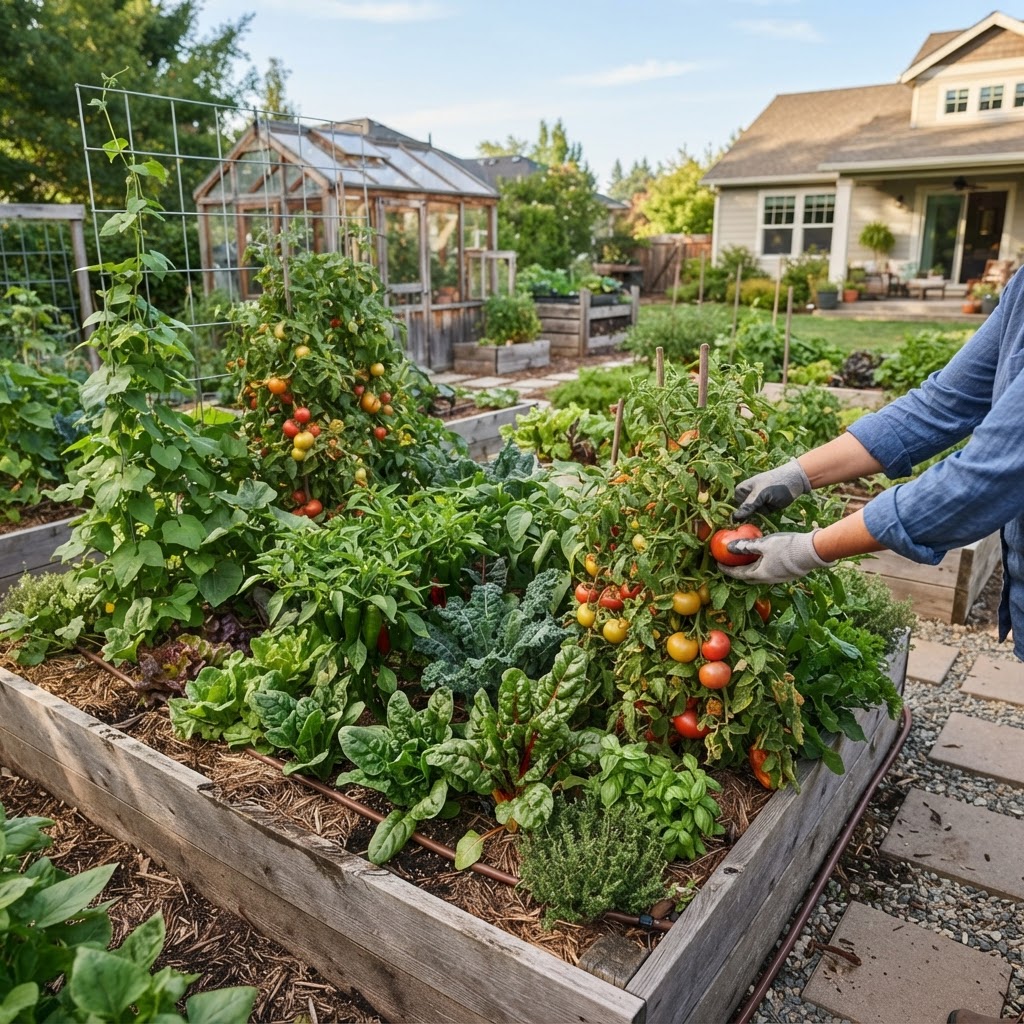
High Yield Vegetable Gardening: Advanced Methods for Success
Take your harvest to the next level by implementing intensive planting strategies, precision nutrient management, and data-driven garden planning techniques.
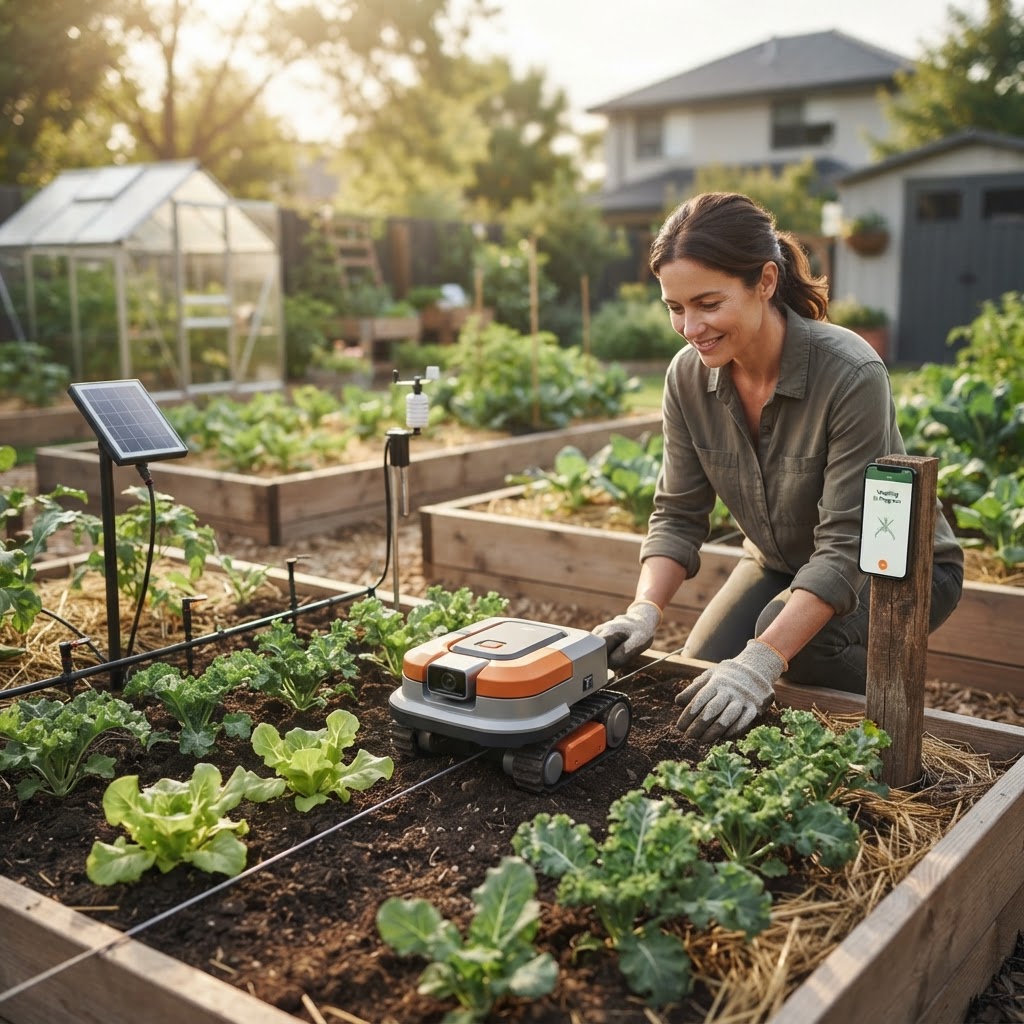
Automated Garden Tools for Beginners: A Complete Guide
Learn how to use smart technology to streamline your gardening chores without losing the joy of working in the soil. This guide covers the basics of garden automation for beginners.