
Vegetable Gardening
How to Build a Raised Bed Vegetable Garden That Actually Produces
A practical, no-nonsense guide to sizing, building, filling, and planting raised beds that yield real harvests season after season.
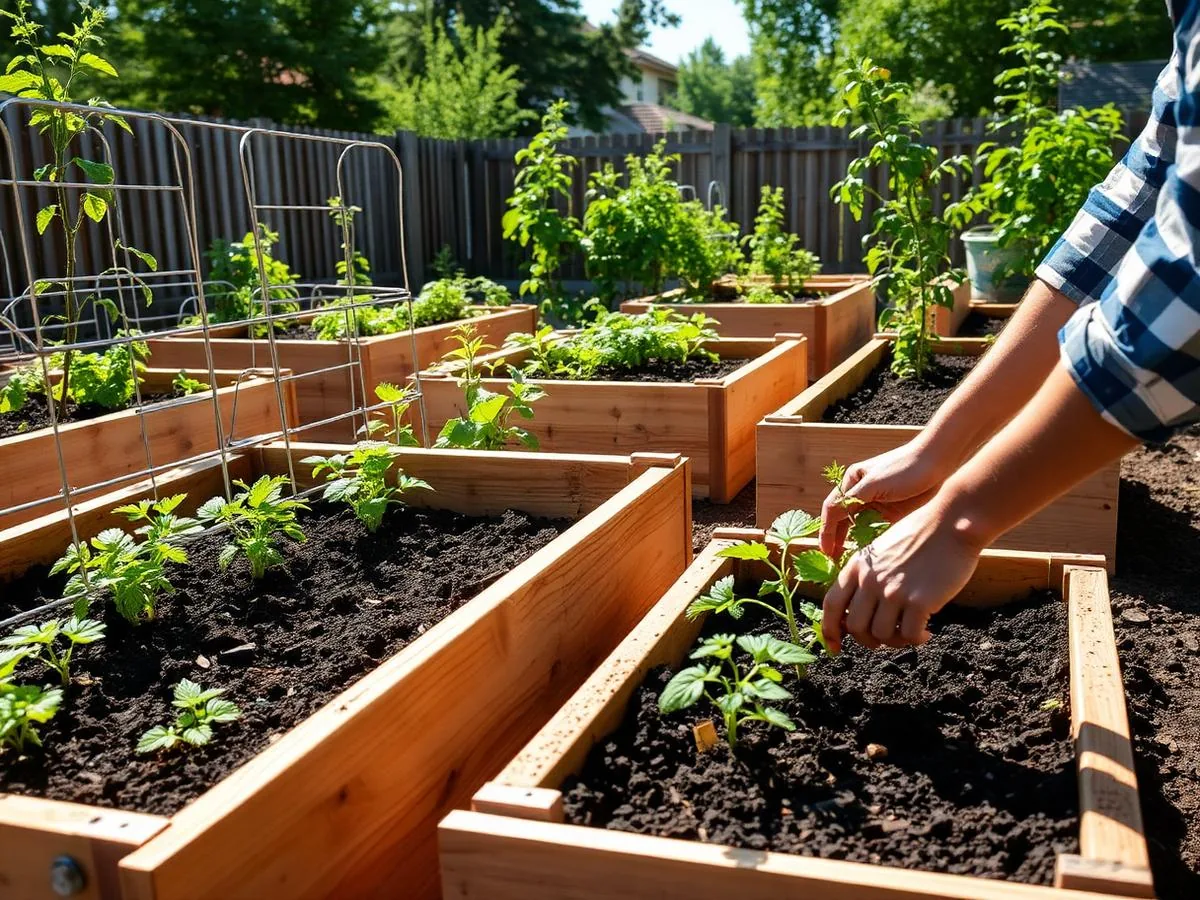
Why raised beds outperform in-ground gardens
If you've fought clay soil, drainage problems, or a lawn full of tree roots, a raised bed solves most of those headaches in one move. You control the soil from the ground up, which means better drainage, faster spring warming, and far less weeding pressure from whatever is growing underneath.
In our testing across several backyard setups, raised beds consistently outproduced comparable in-ground plots planted the same week, largely because the soil warmed up 1-2 weeks earlier in spring and drained better after heavy rain. That head start matters a lot for heat-loving crops like tomatoes and peppers.
Raised beds also make gardening more accessible. A bed built to 24-30 inches tall means less bending, which most homeowners with knee or back issues appreciate immediately. And because you're not tilling a full yard, a raised bed system scales easily from a single 4x8 box to a dozen beds over a few seasons.
Choosing the right size and location
The most common beginner mistake is building beds too wide. If you can't reach the center from either side without stepping into the soil, you'll compact it over time, undoing the whole benefit of a raised bed. A width of 3-4 feet is the sweet spot for most adults.
Length is flexible, but 8 feet is a practical standard because it uses lumber efficiently with minimal waste. Height depends on your goals: 8-12 inches works for most vegetables, but 18-24 inches is worth the extra soil cost if you have poor native soil, want less bending, or plan to garden long-term.
Picking a sunny, level spot
Vegetables need 6-8 hours of direct sun daily, so watch your yard for a full day before committing to a location. Avoid low spots where water pools after rain, and keep beds at least 10 feet from large trees to reduce root competition and shade creep as the tree matures.
Materials: what to build with and what to avoid
Cedar and redwood are the gold standard because they resist rot naturally without chemical treatment, lasting 10-15 years untreated. Pine is cheaper but typically breaks down within 4-6 years. Composite lumber and galvanized steel kits cost more upfront but can last 20+ years with minimal maintenance.
| Material | Approx. cost | Lifespan | Notes |
|---|---|---|---|
| Cedar boards | $120-180 | 10-15 years | Naturally rot-resistant, good looks |
| Pressure-treated pine | $60-90 | 8-12 years | Modern treatments are food-safe; budget-friendly |
| Untreated pine | $45-70 | 4-6 years | Cheapest, needs earliest replacement |
| Galvanized steel kit | $150-300 | 20+ years | No rot, heats soil faster in summer |
| Composite/recycled plastic | $200-350 | 25+ years | Highest upfront cost, near-zero maintenance |
Building the bed step by step
You don't need advanced carpentry skills to build a solid raised bed. Most beginner builds use simple butt joints reinforced with corner brackets or stakes, which hold up fine for a standard 8x4x1-foot box.
- 1
Gather materials
For an 8x4x1-foot bed: four 8-foot 2x10 or 2x12 boards (cut two in half for the ends), corner brackets or 4x4 corner posts, exterior wood screws, and a drill.
- 2
Clear and level the site
Remove sod and rocks, then rake the area flat. A level bed drains evenly and prevents soil from washing to one corner.
- 3
Assemble the frame
Screw the long boards to the corner posts or brackets to form a rectangle. Check that corners are square by measuring diagonals; they should match within half an inch.
- 4
Add a weed barrier (optional)
Lay down cardboard or landscape fabric on the ground before filling if you're building over lawn, to suppress grass regrowth.
- 5
Fill with soil
Fill with your soil blend (see next section), leaving about an inch of space below the top edge so water doesn't spill over during watering.
- 6
Water and settle
Water thoroughly and let the bed settle for a day or two before planting; top off with a bit more soil if it compacts noticeably.
Filling the bed: getting the soil mix right
Soil quality is what actually determines your harvest, not the lumber. A reliable, widely used blend is the 'Mel's Mix' approach popularized by square-foot gardening: roughly one-third compost, one-third peat moss or coconut coir, and one-third coarse vermiculite.
A cheaper and equally effective option for most home gardeners is a 60/40 blend of quality topsoil and compost. For an 8x4x1-foot bed, you'll need about 32 cubic feet of fill, or roughly six to eight 4-cubic-foot bags depending on your ratio.
Refreshing soil in future seasons
Soil volume drops 10-20% each year as organic matter breaks down, so plan to top off beds every spring with 2-3 inches of fresh compost worked into the top few inches rather than replacing the whole bed.
What to plant and how to space it
Raised beds let you plant more densely than traditional row gardening because you're not walking between rows. Square-foot spacing guidelines work well: one tomato or pepper plant per square foot, four lettuce or bush bean plants per square foot, and up to sixteen carrots or radishes per square foot.
- Tomatoes and peppers: 1 plant per square foot, staked or caged
- Bush beans and lettuce: 4 plants per square foot
- Carrots and radishes: 12-16 plants per square foot, thinned as they grow
- Cucumbers and squash: 1 plant per 2 square feet, trellised if possible
- Herbs like basil and parsley: 1-2 plants per square foot
Succession planting keeps beds productive all season. As soon as you pull spring lettuce or radishes, replant that square foot with beans, a second round of greens, or a fall crop like kale, depending on your region's frost dates.
Watering and maintenance through the season
Raised beds dry out faster than ground soil because they drain so well, so consistent watering matters more here than in a traditional garden. Most vegetable beds need about 1-1.5 inches of water per week, more during hot, dry stretches.
A drip irrigation kit or soaker hose on a timer is the single best upgrade you can make to a raised bed system. It delivers water directly to the roots, reduces fungal disease from wet foliage, and saves considerable time compared to hand watering.
- Check soil moisture 2 inches down before watering
- Mulch with straw or shredded leaves to reduce evaporation
- Top-dress with compost or balanced fertilizer every 4-6 weeks
- Pull weeds while small, before they establish roots
- Rotate crop families each season to reduce pest and disease buildup
- Inspect frames yearly for rot or loose joints
Common mistakes beginners make
Overcrowding is the most frequent issue we see. It's tempting to cram in extra seedlings, but overcrowded plants compete for light and nutrients, resulting in smaller yields across the board rather than more total food.
Underestimating soil volume is another common trap. A shallow bed under 8 inches deep limits root development for larger crops like tomatoes and squash. If budget is tight, it's better to build one properly deep bed than two shallow ones.
The bottom line
A raised bed vegetable garden rewards a bit of upfront planning with years of easier, more productive growing. Get the size, materials, and soil mix right from the start, and most of the ongoing work is simply watering, feeding, and harvesting.
Start with one or two beds your first year rather than a dozen. Once you've got a season of experience with your specific site, sun exposure, and watering rhythm, expanding is easy and you'll know exactly what worked and what to adjust.
Keep reading
Sources
- #raised beds
- #vegetables
- #soil
- #beginners
Frequently Asked Questions
How deep does a raised bed need to be for vegetables?
Most vegetables do well in 8-12 inches of soil depth, but larger root crops like tomatoes, squash, and potatoes benefit from 18-24 inches. Deeper beds also hold moisture longer and require less frequent watering, which is worth the extra soil cost for many gardeners.
Do I need to line the bottom of a raised bed?
Not usually. Leaving the bottom open lets roots reach native soil and improves drainage. The exception is if you're building over pavement or a contaminated site, in which case a landscape fabric liner with drainage holes is a good idea.
How much sun does a raised vegetable bed need?
Aim for at least 6-8 hours of direct sunlight daily for fruiting vegetables like tomatoes and peppers. Leafy greens can tolerate a bit more shade, around 4-6 hours, but yields drop noticeably in low-light spots.
Can I build a raised bed directly on top of grass?
Yes. Lay down cardboard or several sheets of newspaper over the grass before filling with soil. This smothers the grass and weeds beneath while it decomposes, and you avoid the labor of digging up sod entirely.
How often should I replace soil in a raised bed?
You rarely need to fully replace soil. Instead, top off with 2-3 inches of fresh compost each spring to replenish nutrients and volume lost to decomposition and settling. A full refresh is only needed after a decade or if disease has built up in the soil.
What's the cheapest way to build a raised bed?
Untreated pine boards are the least expensive lumber option, typically $45-70 for an 8x4-foot bed, though they'll need replacing in 4-6 years. Reclaimed lumber, cinder blocks, or a simple no-frame hugelkultur mound can cost even less.
Should I use fertilizer in a new raised bed?
If your soil mix includes fresh compost, you likely won't need fertilizer the first season. After that, a balanced organic fertilizer applied every 4-6 weeks, along with an annual compost top-dress, keeps most vegetable beds productive.
Related Articles
Vegetable Garden Failures: How to Fix Common Problems
Discover how to diagnose and resolve common vegetable garden challenges using practical, science-based troubleshooting techniques to save your plants.
High Yield Vegetable Gardening: Advanced Methods for Success
Take your harvest to the next level by implementing intensive planting strategies, precision nutrient management, and data-driven garden planning techniques.
Automated Garden Tools for Beginners: A Complete Guide
Learn how to use smart technology to streamline your gardening chores without losing the joy of working in the soil. This guide covers the basics of garden automation for beginners.