
Gardening
Automated Garden Tools for Beginners: A Complete Guide
Learn how to use smart technology to streamline your gardening chores without losing the joy of working in the soil. This guide covers the basics of garden automation for beginners.
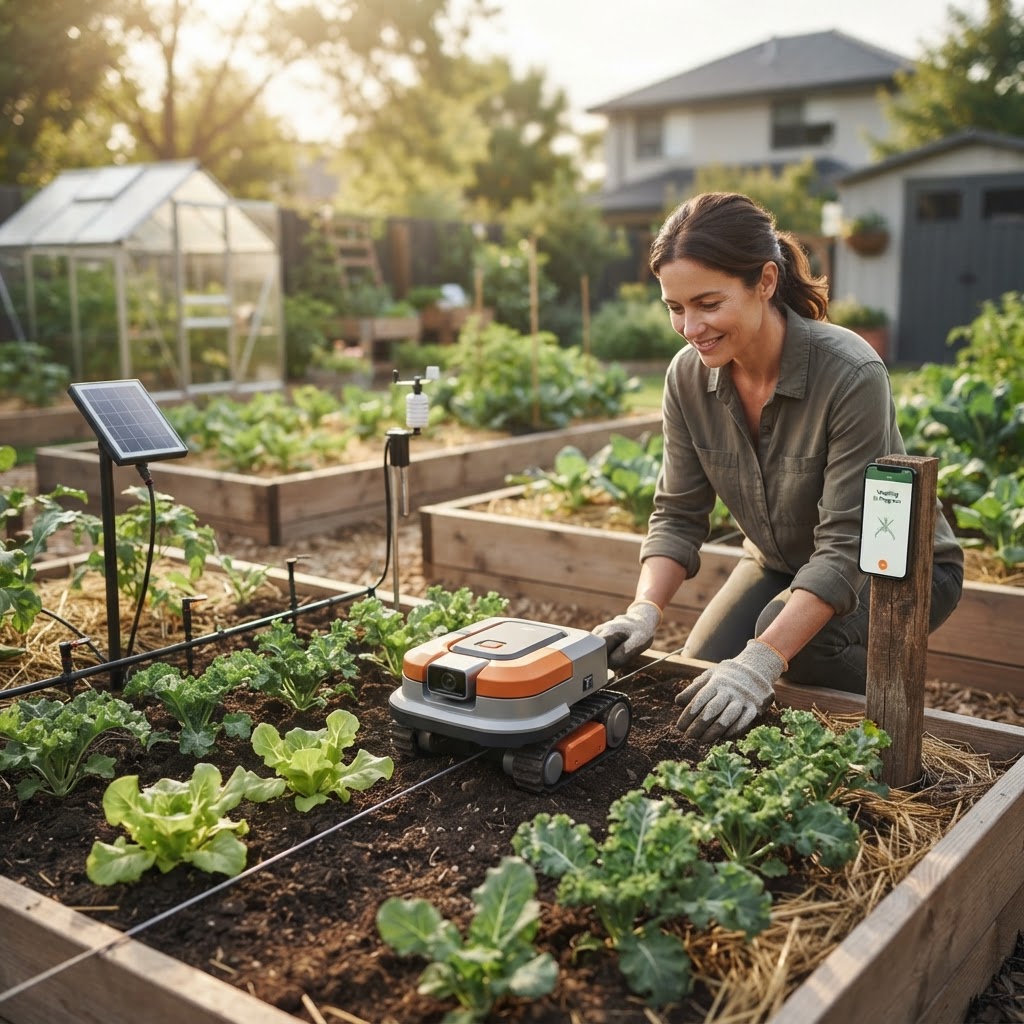
Gardening is an ancient craft, yet it is one that continues to evolve alongside our modern lifestyles. For many new gardeners, the biggest hurdle is not understanding the plants themselves, but finding the time to maintain consistent care. This is where automated garden tools for beginners come into play, offering a bridge between traditional horticultural practices and efficient, modern management.
Technology should act as a supporting partner in your garden, not as a replacement for the hands-on experience that makes growing your own food so rewarding. By delegating repetitive tasks to smart systems, you can focus your energy on the creative and therapeutic aspects of gardening, like pruning, harvesting, and observing your vegetable patch grow.
What Are Automated Garden Tools?
At their core, automated garden tools are devices designed to take over routine maintenance tasks by using sensors, timers, or software-based logic. In the context of a home vegetable garden, these tools usually focus on resource management—specifically water, light, and soil health. They aim to reduce the margin for human error, such as overwatering during a busy week or forgetting to check soil hydration levels during a heatwave.
The Benefits of Garden Automation for Beginners
For the novice, the primary benefit of automation is consistency. Plants thrive on routine, and beginner mistakes often stem from inconsistency in water delivery or nutrient application. Automated tools provide a reliable baseline. Furthermore, these systems offer a significant time-saving advantage. Instead of spending every morning and evening with a hose, you can let technology handle the irrigation while you spend your limited free time on tasks that require a human touch, such as checking for pests or weeding.
Types of Automated Tools to Start With
Smart Irrigation Controllers
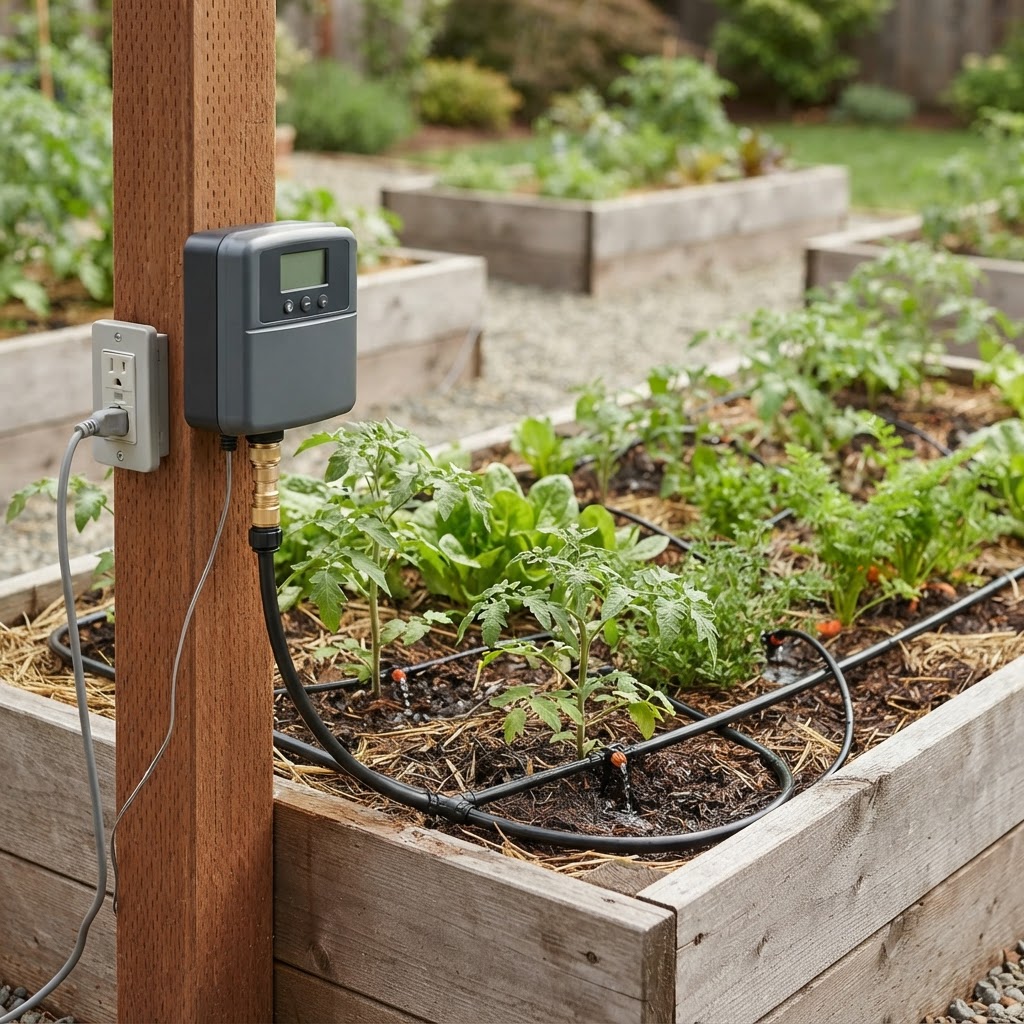
Perhaps the most transformative tool for any gardener, smart irrigation controllers adjust watering schedules based on local weather data. Instead of running on a rigid, set timer, these devices can skip watering cycles if rain is forecast, saving both water and the health of your plants' root systems.
Automated Soil Moisture Sensors
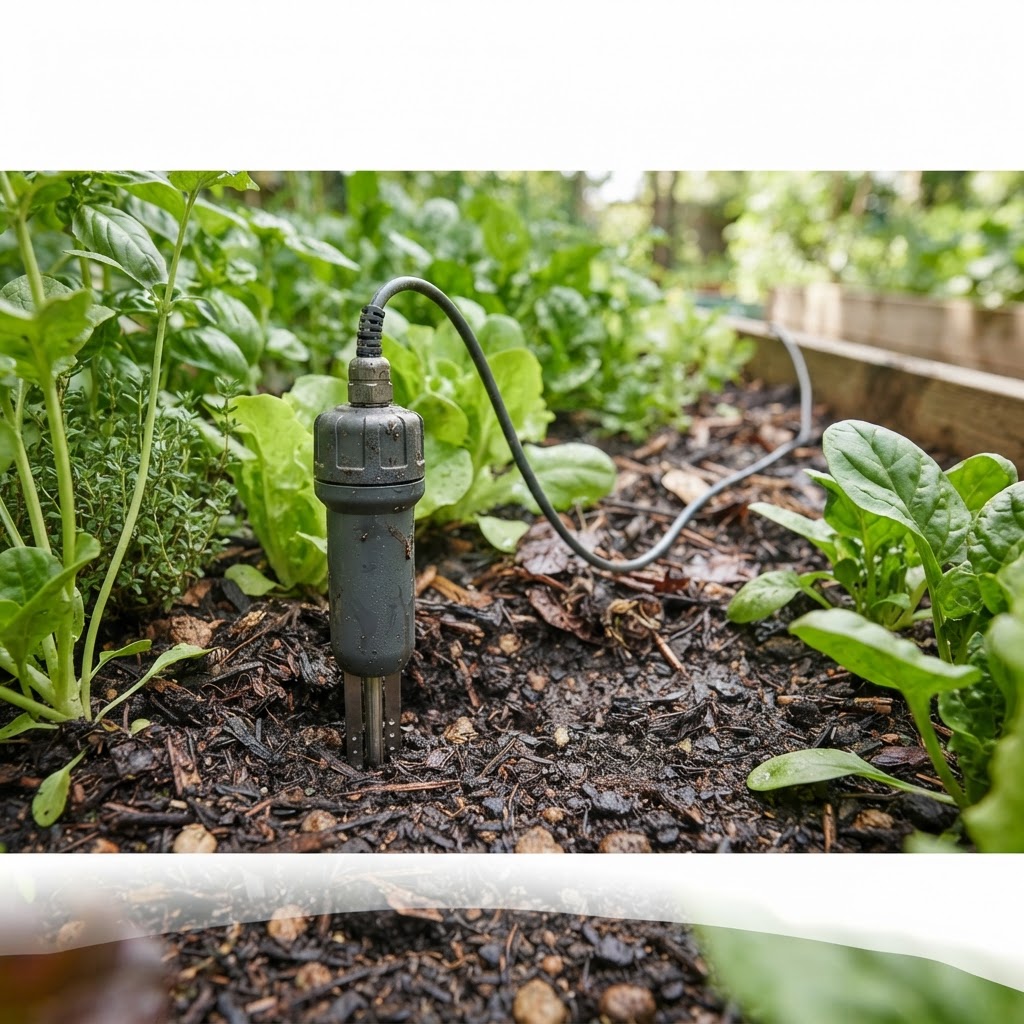
These sensors are placed directly into the root zone of your plants. They monitor the volumetric water content of the soil and communicate that data to your phone or your irrigation controller. This takes the guesswork out of determining when your vegetables truly need a drink, preventing both drought stress and root rot.
Robotic Lawn Mowers
While not directly involved with your vegetable beds, a robotic lawn mower can reclaim hours of your weekend. By keeping your lawn trim consistently, you create a cleaner perimeter around your garden beds, reducing the chances of weeds encroaching on your vegetable patches and improving overall site organization.
How to Integrate Technology Without Over-Complicating Your Garden
The goal is to keep things simple. Start with one system at a time—most experts recommend beginning with irrigation. Only add a new piece of technology once you are fully comfortable with the current setup. Avoid the trap of "over-gadgetizing" your space; if a system requires more maintenance than the garden itself, it is likely not the right tool for your specific needs.
Setting Up Your First Automated System: A Step-by-Step Approach
- Assess Your Needs: Spend a season observing your garden. Do you struggle most with watering? Weed control? Start there.
- Choose Compatible Systems: Look for devices that talk to each other or work with existing garden apps to keep your management centralized.
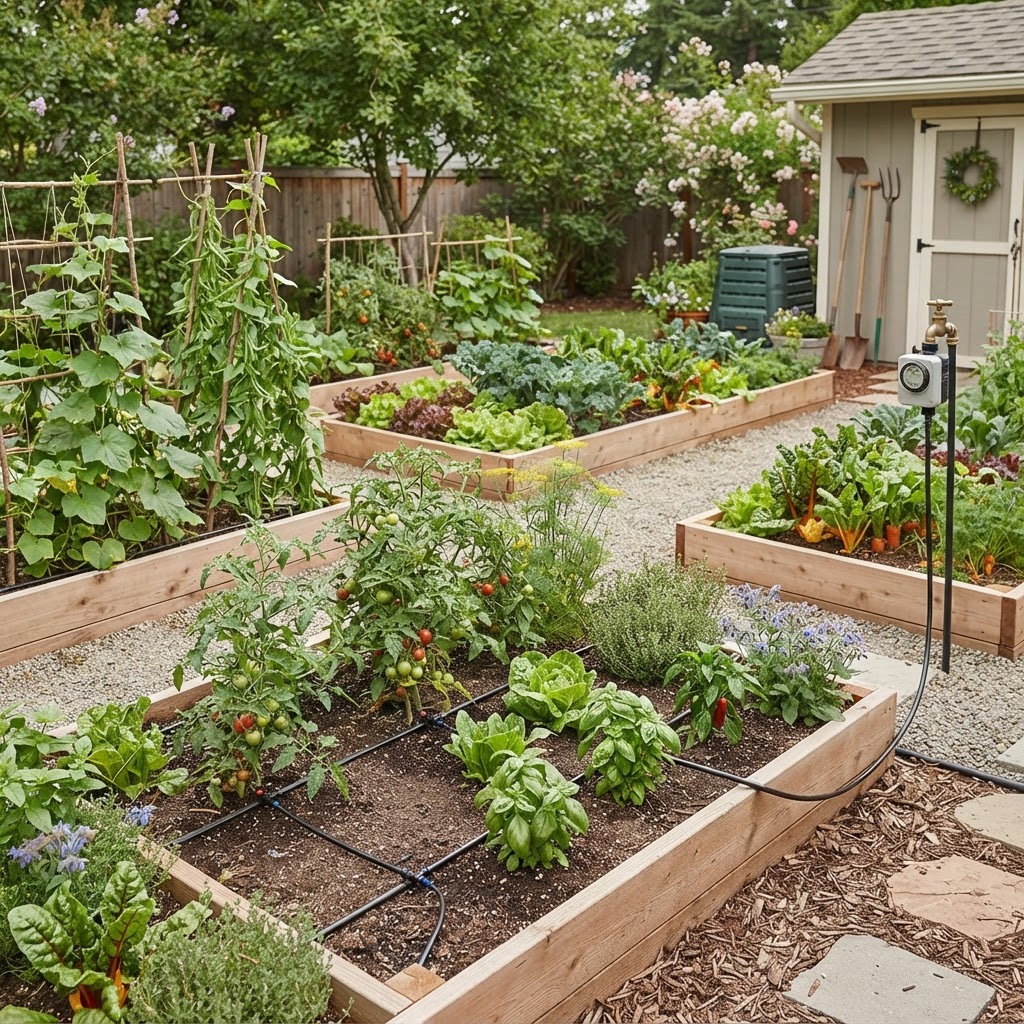
- Plan the Layout: Map out your garden beds to ensure wiring or sensor placement won't interfere with your standard tilling or planting activities.
- Monitor and Calibrate: Spend the first two weeks verifying that the automated system is doing what it promises. Adjust the settings as your plants grow and their water requirements change.
Technology is best used when it is invisible. Your garden should feel like a sanctuary, not a server room.
If you're looking for more tips on managing your plot, be sure to check out our beginner vegetable garden planning guide to ensure your layout supports your tech installations.
Maintenance Tips for Long-Lasting Garden Gadgets
Even the best automated tools require human oversight. Sensors can become clogged with soil or mineral deposits, and irrigation lines can develop leaks. Dedicate time at the start and end of each season to inspect your equipment. Clean sensors with a damp cloth, check battery levels, and clear any debris from nozzle heads to ensure everything remains operational for the next growing cycle.
Conclusion: Balancing Tech and Tradition
The beauty of the modern home garden lies in the harmony between traditional knowledge and contemporary efficiency. By using automated garden tools, you aren't removing the 'nature' from gardening; you are simply ensuring your plants have the consistent environment they need to succeed. Stay curious, start small, and let technology help you cultivate a more fruitful garden.
Frequently Asked Questions
Do automated tools actually save time for beginner gardeners? Yes, they significantly reduce the time spent on daily maintenance tasks like watering and monitoring, allowing you to focus on high-value tasks.
Which automated garden tools are the most user-friendly for beginners? Smart irrigation timers and basic soil moisture sensors are generally the easiest to install and require the least amount of technical knowledge.
How much maintenance do smart garden systems require? Generally, minimal maintenance is needed beyond seasonal battery changes and periodic cleaning of sensors to ensure accurate data readings.
Are automated tools worth the initial investment? For many, the value is found in the improved health of the plants and the peace of mind knowing the garden is cared for even when you are busy or traveling.
Can smart garden tools work in a small vegetable plot? Absolutely. Many systems are modular and designed specifically for smaller urban gardens or raised beds, making them highly accessible for beginners with limited space.
Want to receive more tips on smart gardening delivered directly to your inbox? Sign up for our newsletter today to stay updated on the latest seasonal advice.
Sources
- #automated gardening
- #smart garden tech
- #beginner gardening tips
- #garden automation
Related Articles
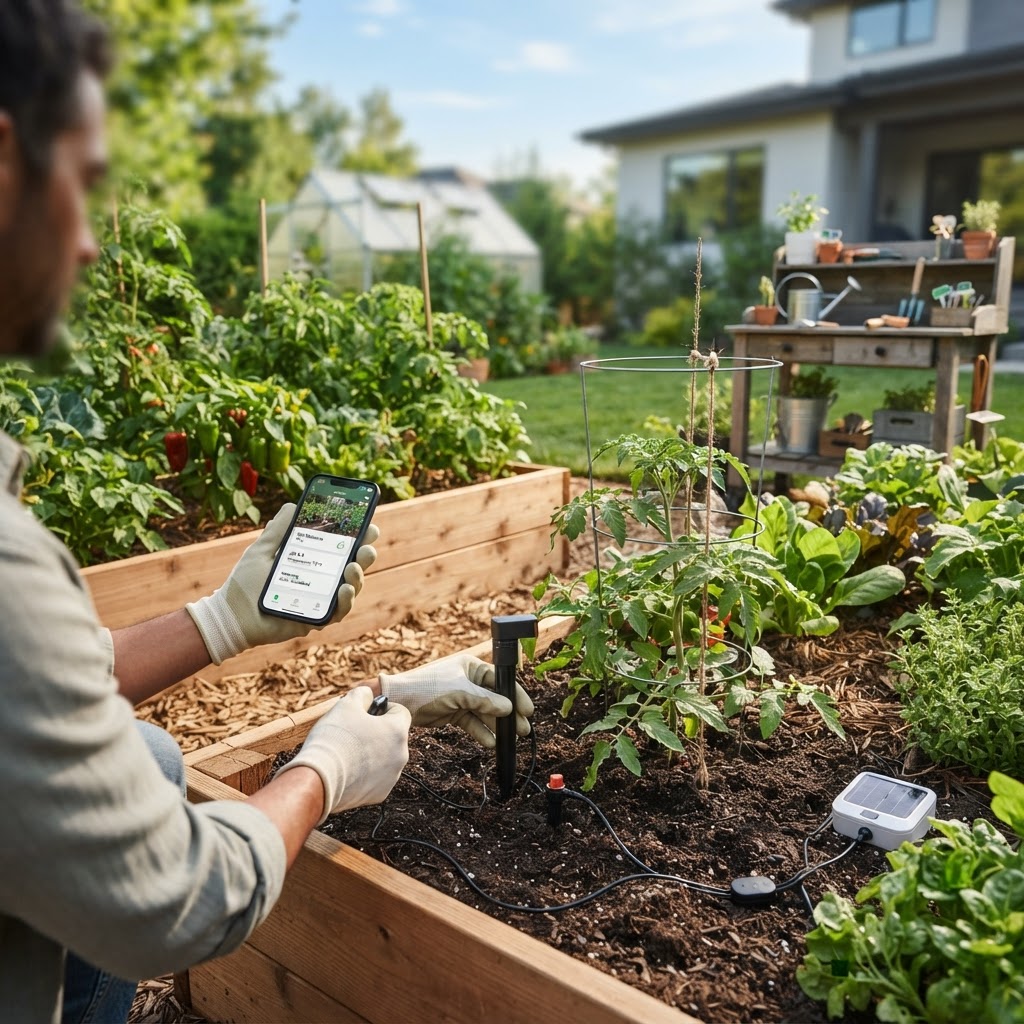
How to Use Garden Technology to Grow Better Vegetables
Learn how integrating modern garden technology can simplify your daily chores and improve the overall health and yield of your home vegetable garden.
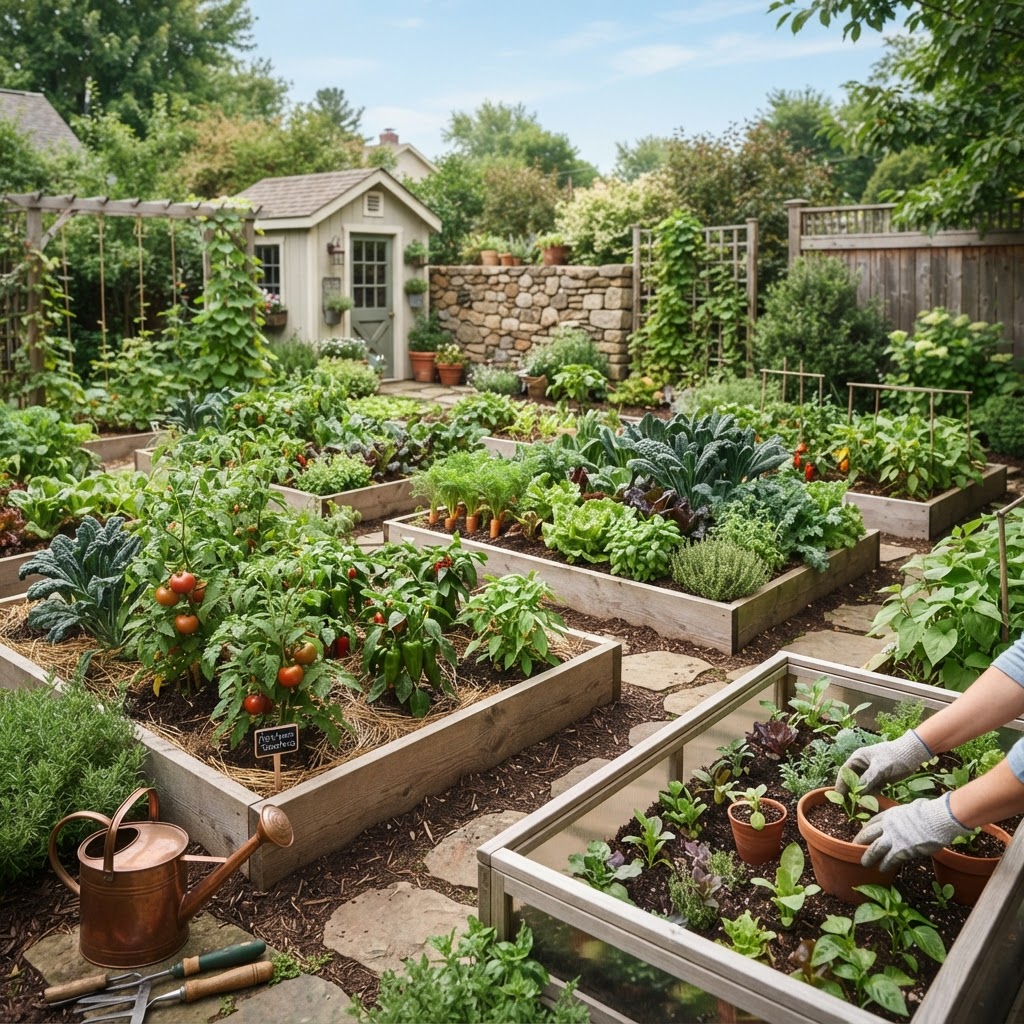
Understanding Garden Zones and Microclimates for Growth
Take your vegetable garden to the next level by learning how to identify and manage the unique microclimates within your landscape. This guide helps you work with your environment rather than against it.
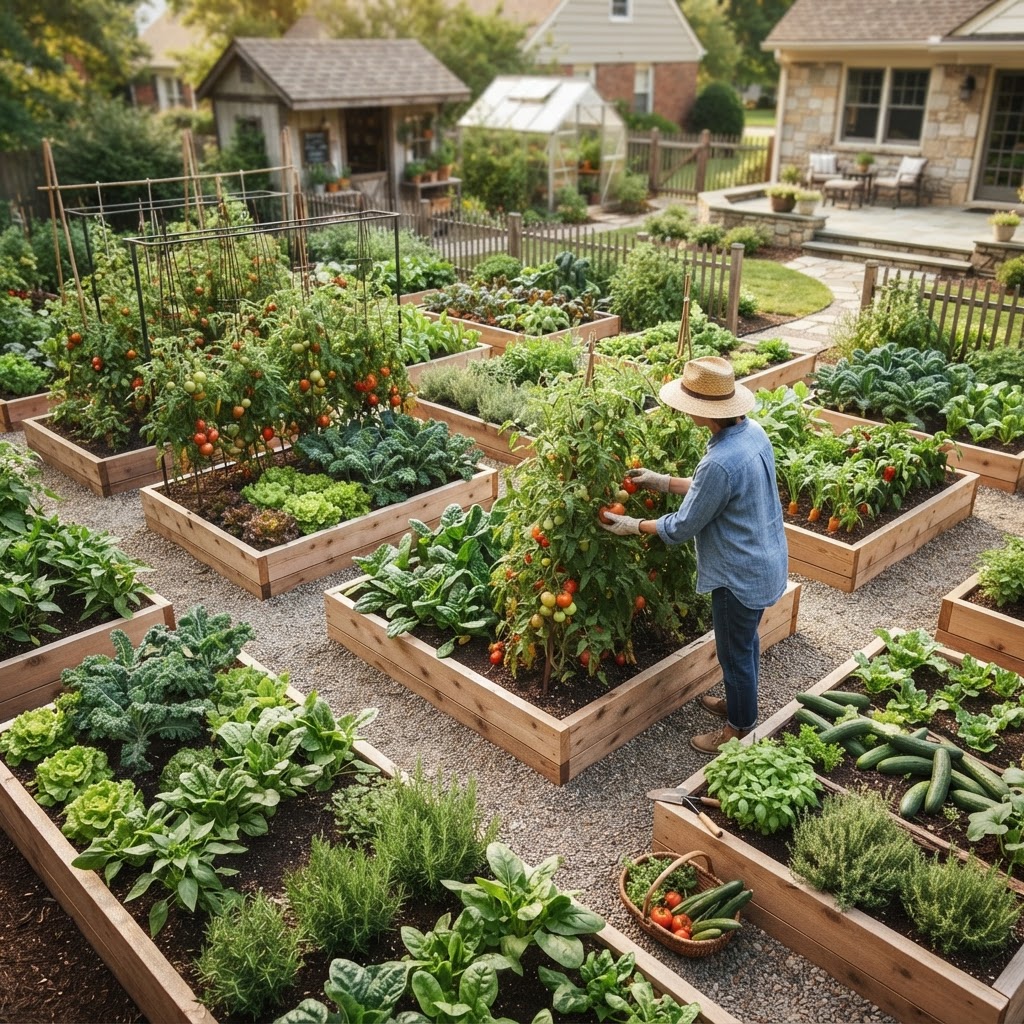
Vegetable Garden Layout Design: A Guide for Maximum Yield
Transform your vegetable garden from a chaotic patch into a high-yield system. Learn the fundamentals of space planning, orientation, and efficient design to maximize your harvest.