Gardening
Best Irrigation for Vegetable Garden: A Beginner's Guide
Selecting the right watering system is essential for a thriving vegetable patch. This guide explores the most efficient methods to help you save water and time while maximizing your harvest.
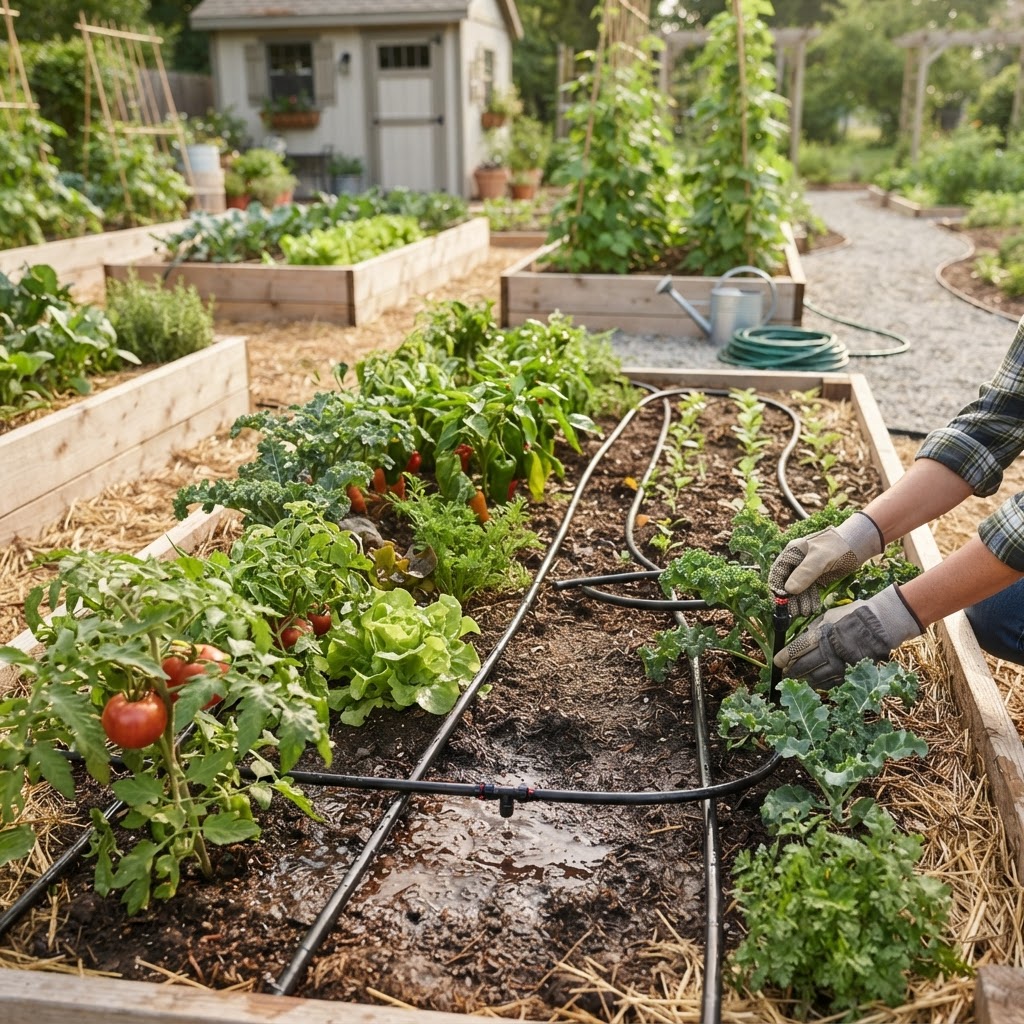
For any vegetable gardener, the quest for a bountiful harvest begins and ends with water. Providing consistent, adequate moisture is the single most important factor in determining the health and productivity of your plants. Finding the best irrigation for vegetable garden setups can feel overwhelming, but understanding the mechanics of water delivery will help you make a choice that saves time, conserves resources, and produces better tasting vegetables.
Why Proper Irrigation Matters for Vegetable Health
Vegetables are generally more sensitive to moisture fluctuations than ornamental plants. When soil dries out completely, root growth stalls; when it stays soggy, roots can rot. Consistent soil moisture ensures that nutrients remain available to the plant, preventing issues like blossom-end rot in tomatoes or bitter flavors in salad greens. Effective irrigation is not just about keeping the soil wet; it is about delivering water directly to the root zone where it is needed most, rather than wetting the foliage, which can encourage fungal diseases.
Types of Irrigation Systems for Home Gardens
Choosing an irrigation method depends on your garden size, plant varieties, and local climate. Here is a breakdown of common systems.
Drip Irrigation: The Gold Standard for Efficiency
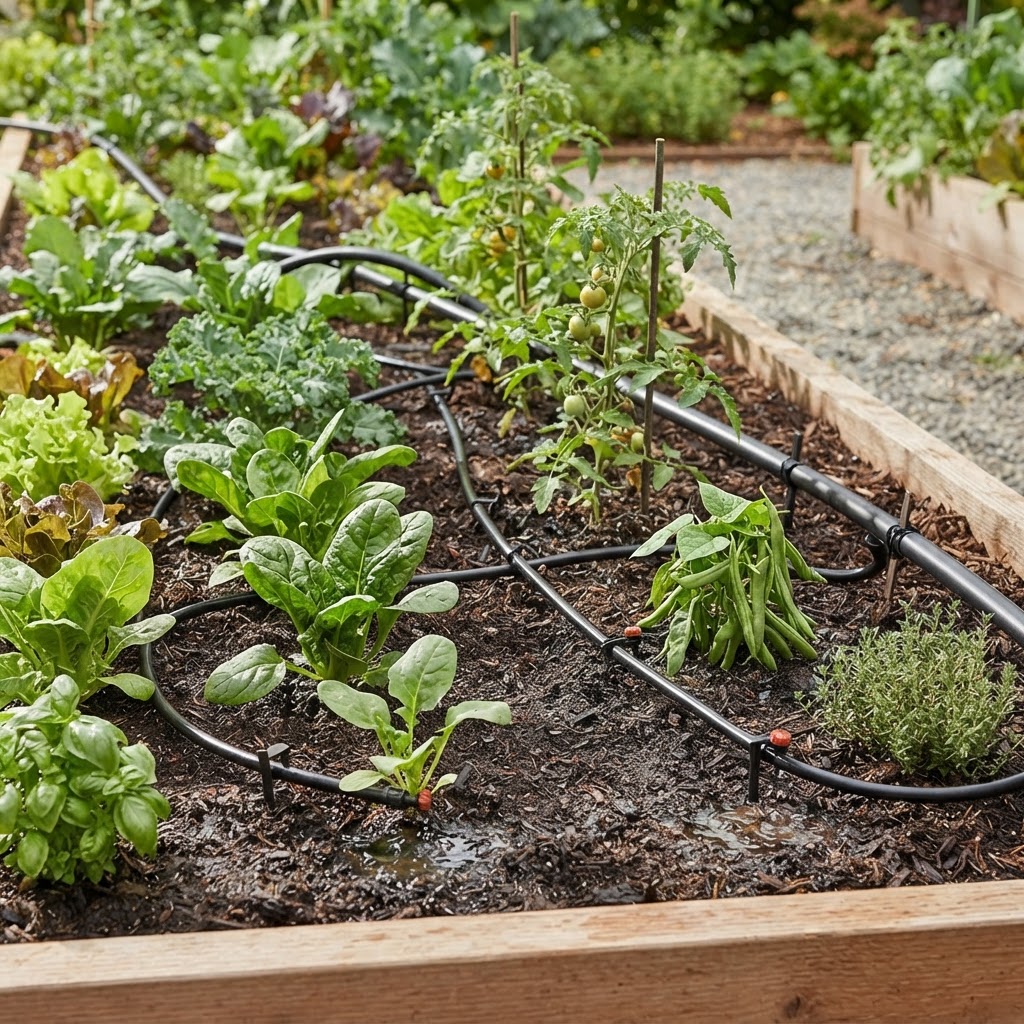
Drip irrigation is widely considered the best irrigation for vegetable garden beds. By using a network of tubes with small emitters, it delivers water slowly and directly to the soil. This minimizes evaporation and keeps leaves dry, reducing the risk of disease. It is highly adaptable and can be hooked up to a timer for an automated vegetable garden watering experience.
Soaker Hoses: Simple and Budget-Friendly
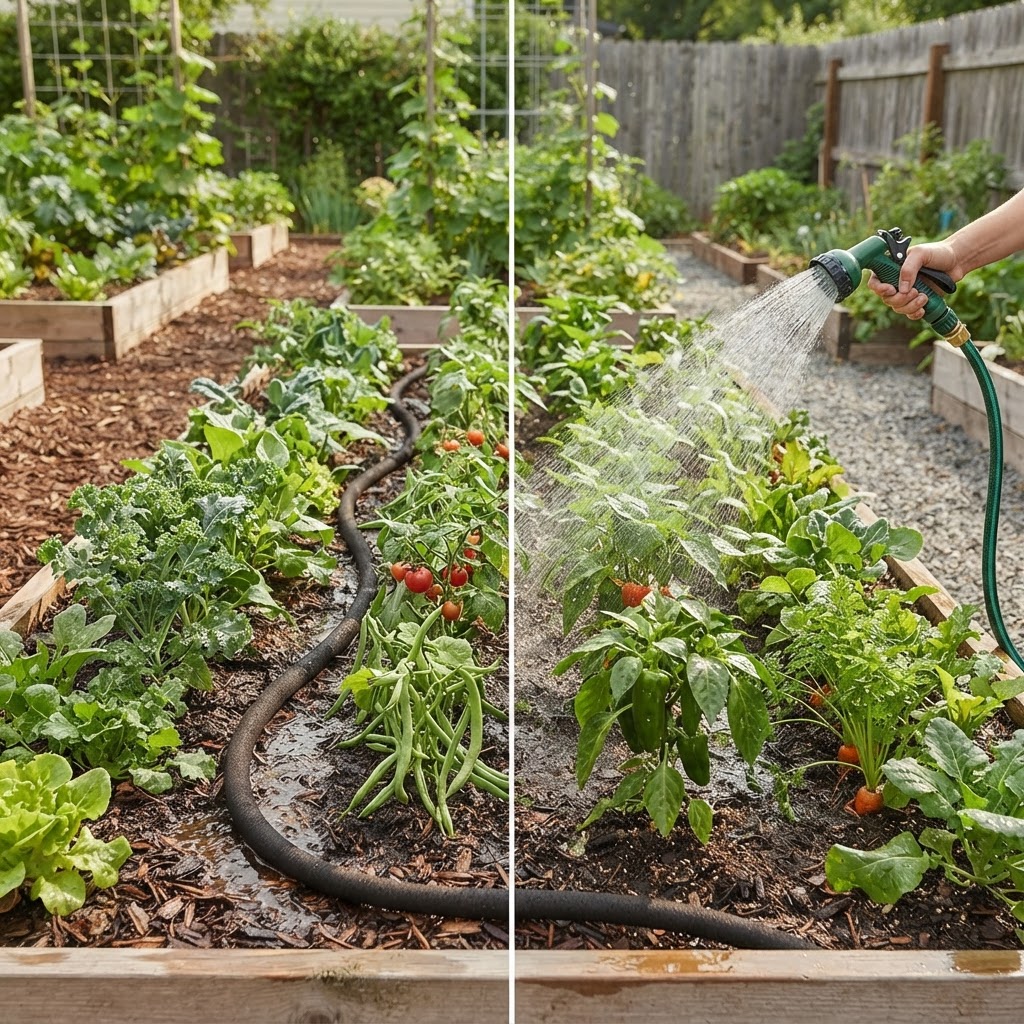
A soaker hose is essentially a porous pipe that "sweats" water along its entire length. It is an excellent choice for raised beds and long, straight rows. While slightly less precise than drip irrigation, it is much easier to set up and requires very little maintenance, making it a favorite for beginner gardeners.
Sprinkler Systems: Pros and Cons for Vegetables
Sprinklers are popular for lawns, but they are generally less ideal for vegetables. They wet the entire surface, including the foliage, which can lead to fungal problems. Additionally, high evaporation rates mean you often waste a significant amount of water. However, for large-scale, high-density leafy green patches, overhead watering can sometimes be useful if timed correctly.
Hand Watering: When Traditional Methods Work Best
Never underestimate the power of a watering can or hose with a nozzle. Hand watering allows you to observe your plants daily, noticing pests or nutrient deficiencies early. For small container gardens or delicate seedlings, it remains the most effective method, though it is the most time-consuming as your garden expands.
Tip: If you are interested in learning more about how to keep your soil ready to receive water, check out our guides on soil health and moisture retention.
Sign up for our monthly newsletter to receive seasonal gardening tips and advanced irrigation hacks directly in your inbox.
Factors to Consider When Choosing Your System
Before buying equipment, assess your garden's layout. Consider the soil type—sandy soil requires more frequent, shorter watering cycles, while clay soil holds moisture longer but requires slower water application to prevent runoff. Also, consider the accessibility of your water source. Does your garden have a dedicated spigot, or are you relying on rain barrels? Your choice of system must align with your water pressure and infrastructure.
How to Maintain Your Irrigation System for Longevity
An irrigation system is an investment. Drip lines should be flushed annually to remove mineral buildup. If you live in an area with freezing winters, you must drain your lines before the first frost to prevent cracking. Check emitters for clogs mid-season to ensure every plant is receiving the hydration it needs. Consistent maintenance is the secret to a long-lasting, water-saving garden setup.
Water Conservation Tips for Vegetable Gardeners
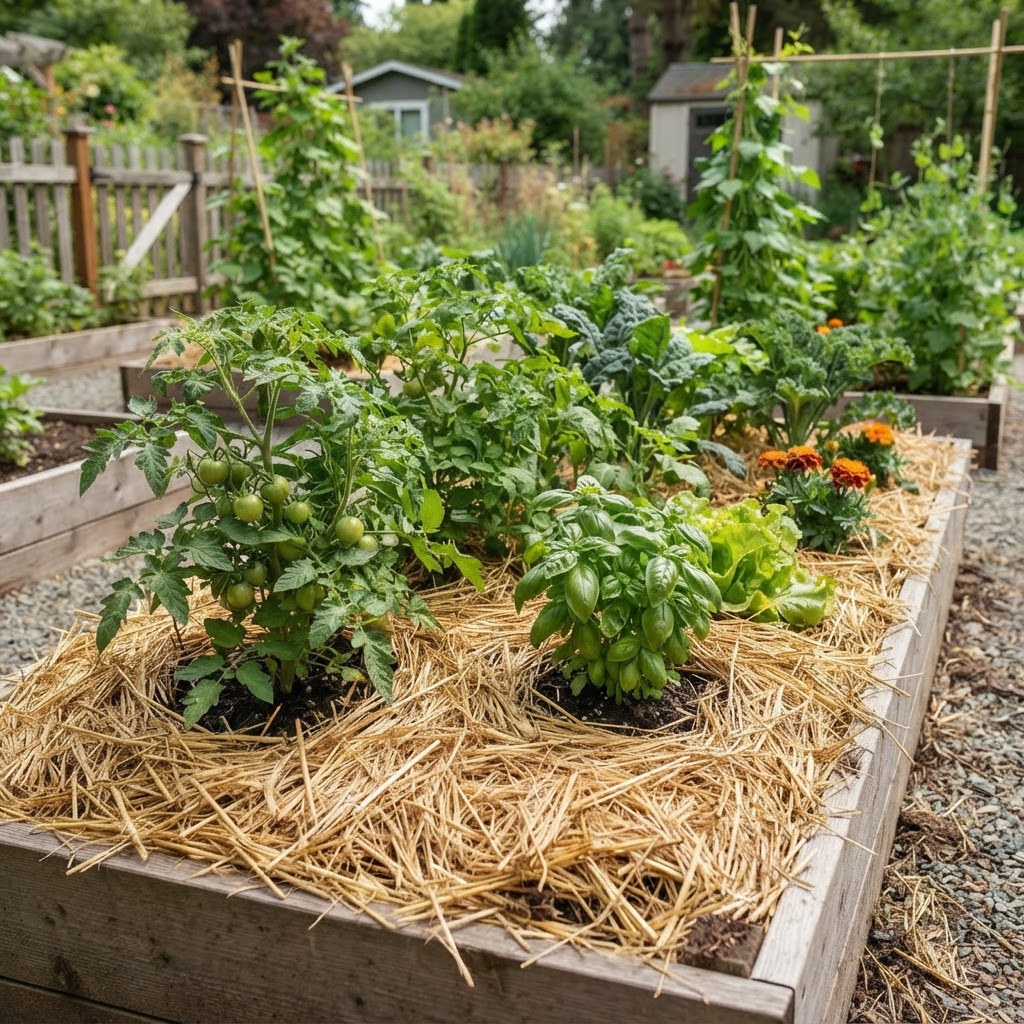
Water conservation goes beyond the hardware you choose. Mulching your garden beds with straw or wood chips is essential; it shades the soil, dramatically reducing evaporation and keeping root zones cool during summer heatwaves. For further reading, look into our articles on mulching for water conservation. Additionally, always check your local government water authority conservation guidelines, as many regions offer specific timing suggestions to maximize absorption.
By selecting a system that minimizes waste and matches your garden's specific needs, you are well on your way to becoming a more efficient and successful gardener. Remember, the best system is one that you can easily maintain and that keeps your plants thriving throughout the season.
FAQ
What is the most efficient way to water a vegetable garden? Drip irrigation is generally the most efficient method because it delivers water directly to the roots, minimizing evaporation and water waste.
Is drip irrigation better than sprinkler systems for vegetables? Yes, drip irrigation is superior for vegetables because it prevents leaf wetness, which reduces disease pressure, and is more efficient with water usage.
How often should I water my vegetable garden? Frequency depends on soil type and weather, but generally, it is better to water deeply and less frequently to encourage deep root growth rather than light, daily sprinkling.
What are the benefits of using a soaker hose? Soaker hoses are affordable, easy to install, and effectively deliver water along the entire length of a row, making them great for beginners.
Sources
- #irrigation
- #water conservation
- #vegetable gardening
- #garden planning
Related Articles
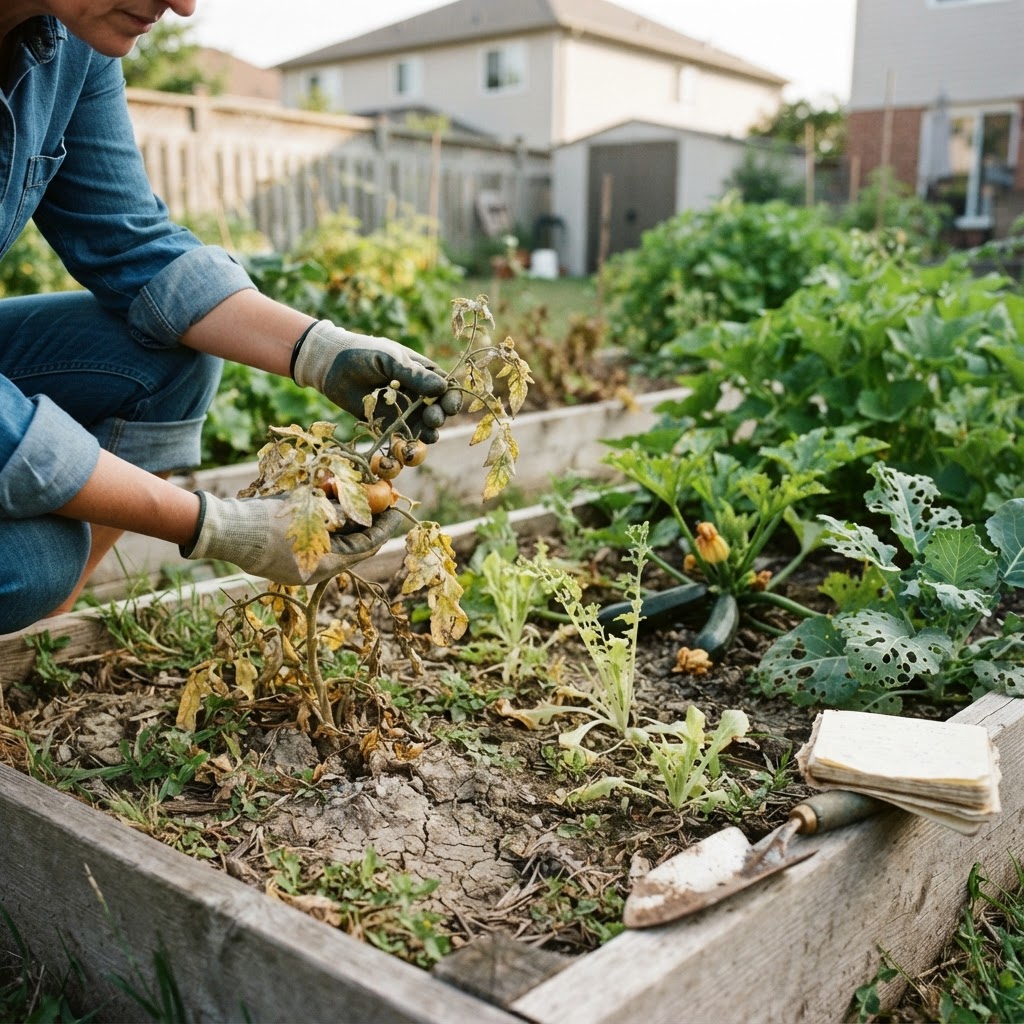
Vegetable Garden Failures: How to Fix Common Problems
Discover how to diagnose and resolve common vegetable garden challenges using practical, science-based troubleshooting techniques to save your plants.
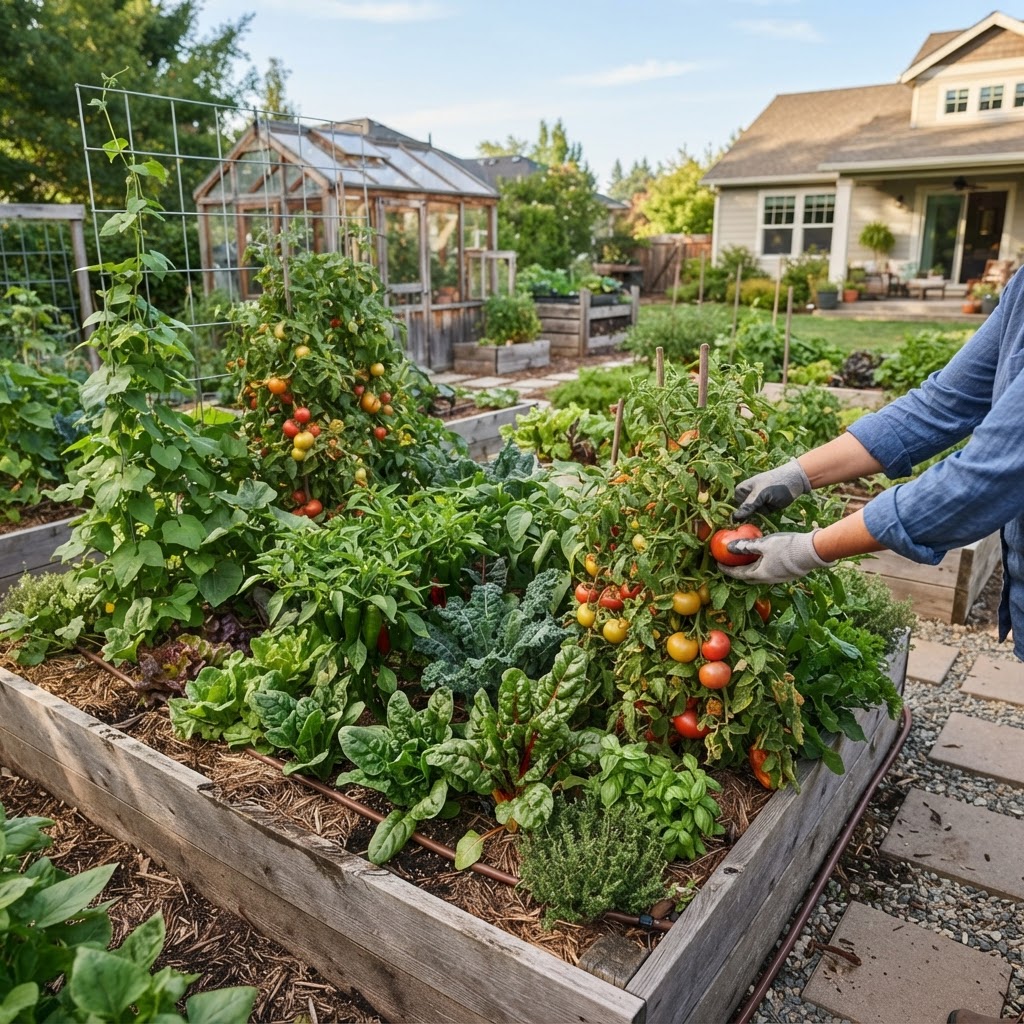
High Yield Vegetable Gardening: Advanced Methods for Success
Take your harvest to the next level by implementing intensive planting strategies, precision nutrient management, and data-driven garden planning techniques.
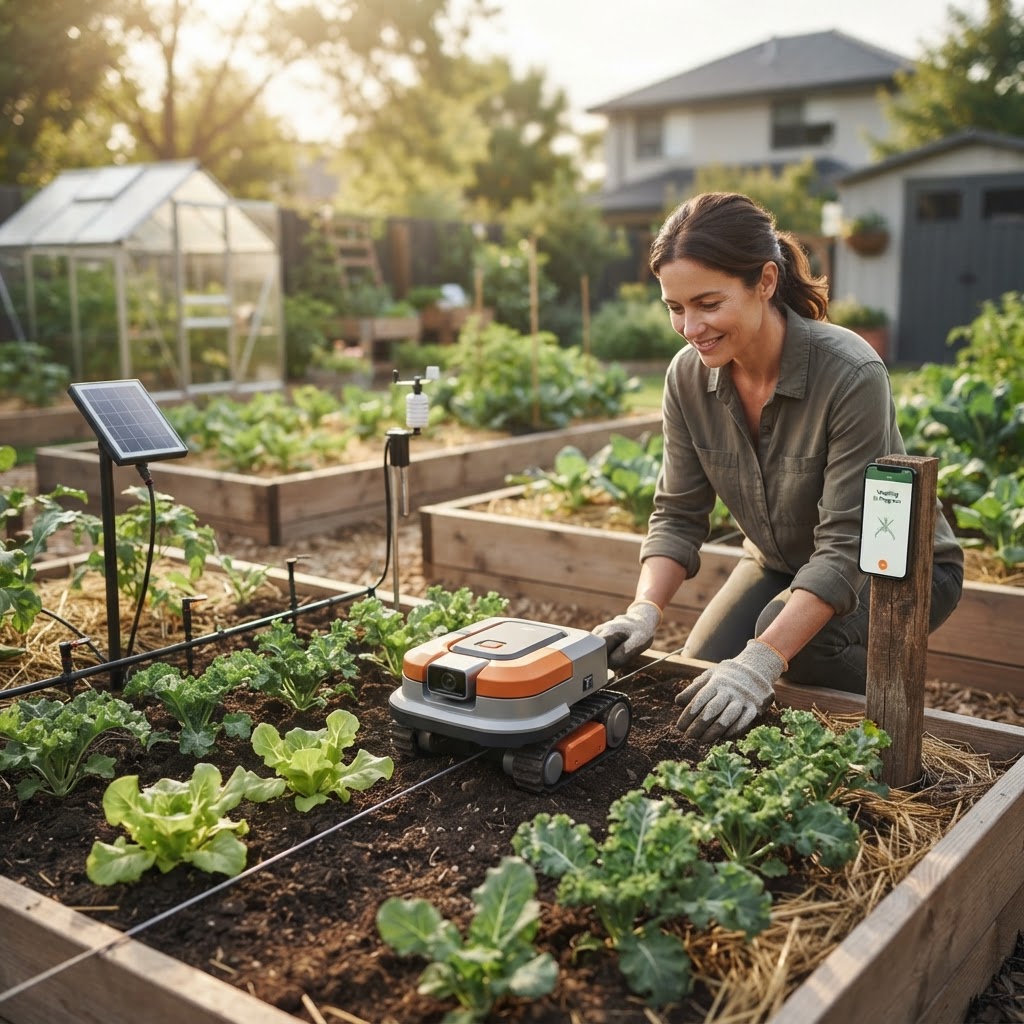
Automated Garden Tools for Beginners: A Complete Guide
Learn how to use smart technology to streamline your gardening chores without losing the joy of working in the soil. This guide covers the basics of garden automation for beginners.