Gardening
Understanding Gardening Hardiness Zones: A Beginner's Guide
Discover how the gardening hardiness zones map serves as a vital tool for planning your garden and selecting plants that will thrive in your specific climate.
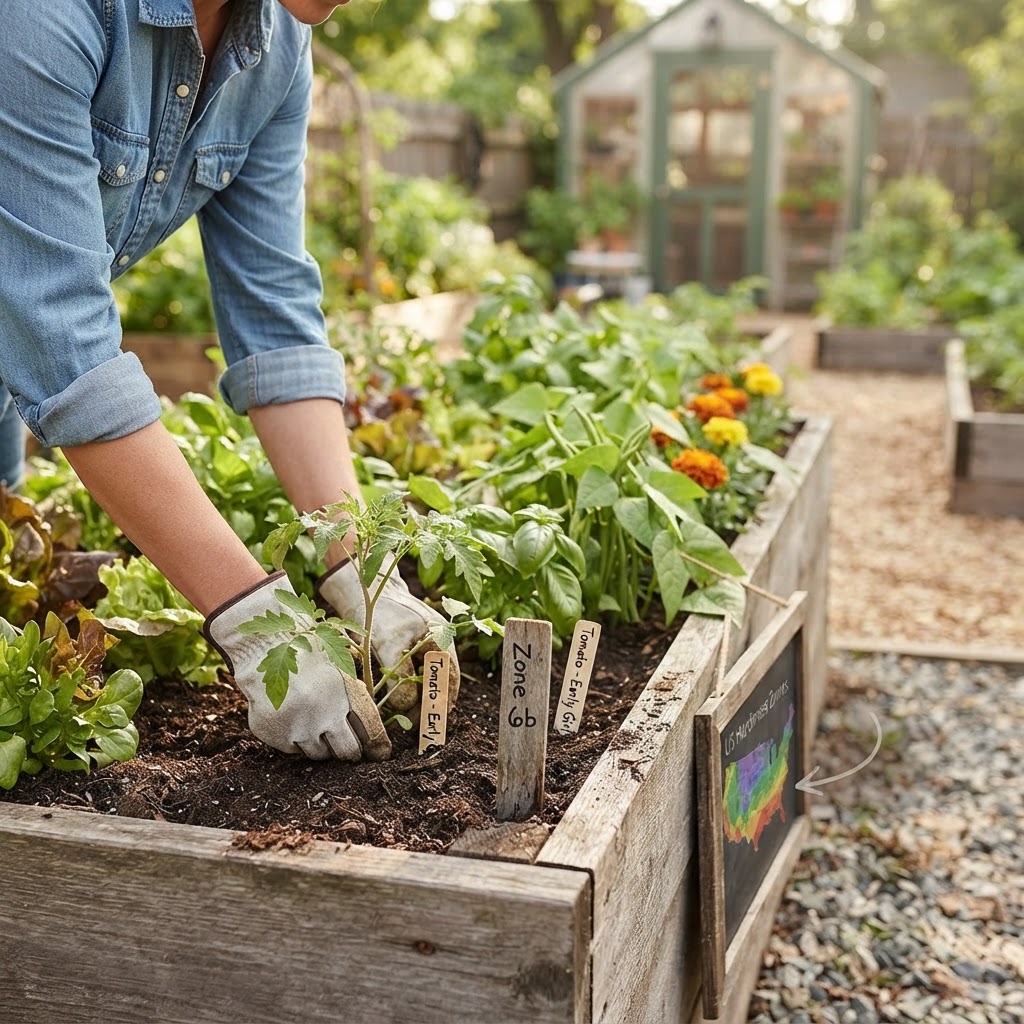
For any home gardener, few things are as frustrating as investing time and money into a plant, only to watch it struggle or perish before the season ends. While soil quality and sunlight are critical, the most foundational factor for long-term success is choosing plants that are naturally suited to your local environment. This is where the gardening hardiness zones map becomes your best friend.
What Are Gardening Hardiness Zones?
Gardening hardiness zones are geographical regions defined by their average annual minimum winter temperature. These zones provide a standardized system that helps gardeners understand which plants are likely to survive the winter in their area. It is important to remember that these zones do not account for summer heat, rainfall, or soil type; they are specifically focused on the threshold of cold endurance.
Zones act as a safety guide, not a guarantee. They help identify which perennials and shrubs are capable of surviving the coldest nights typical to your location.
Why Your Hardiness Zone Matters
Using the correct zone data prevents the common mistake of planting species that simply cannot handle the climate of your region. If you live in a colder zone, a plant rated for a warmer climate will fail to return after the first hard freeze. Conversely, if you live in a warm climate, some plants may never receive the "chilling hours" they require to bloom or produce fruit properly. By consulting your zone, you align your garden with the reality of your local climate, saving you time, money, and disappointment.
How to Find Your Planting Zone
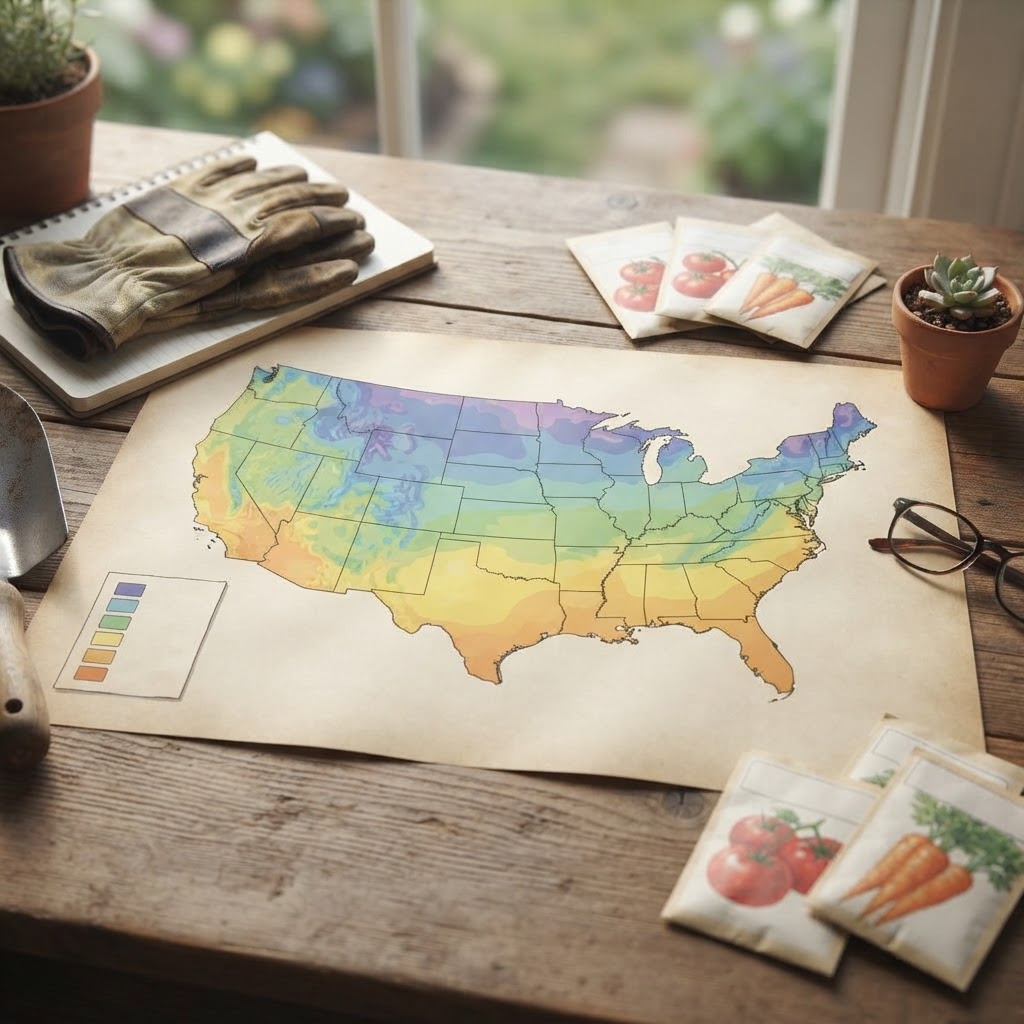
Finding your zone is straightforward thanks to modern digital mapping tools. The process involves identifying your specific geographic location and matching it to the corresponding color-coded zone on the official maps.
Using the USDA Interactive Map
The most common way to find your zone is by using the official interactive map provided by agricultural authorities. Simply enter your zip code or search by state to zoom in on your specific region. The map divides land into zones, usually numbered 1 through 13, with each number representing a 10-degree Fahrenheit difference in average annual extreme minimum temperature.
Factoring in Microclimates
While maps are highly useful, they operate on a regional scale. A microclimate refers to small areas within your yard that may have a different climate than the general surrounding area. For example, a south-facing brick wall can act as a heat sink, keeping the immediate soil warmer than the rest of the garden, while a low-lying spot in your yard might collect frost earlier due to poor air drainage. Learning to observe these microclimates is what separates the casual gardener from the expert.
How to Choose Plants Based on Your Zone
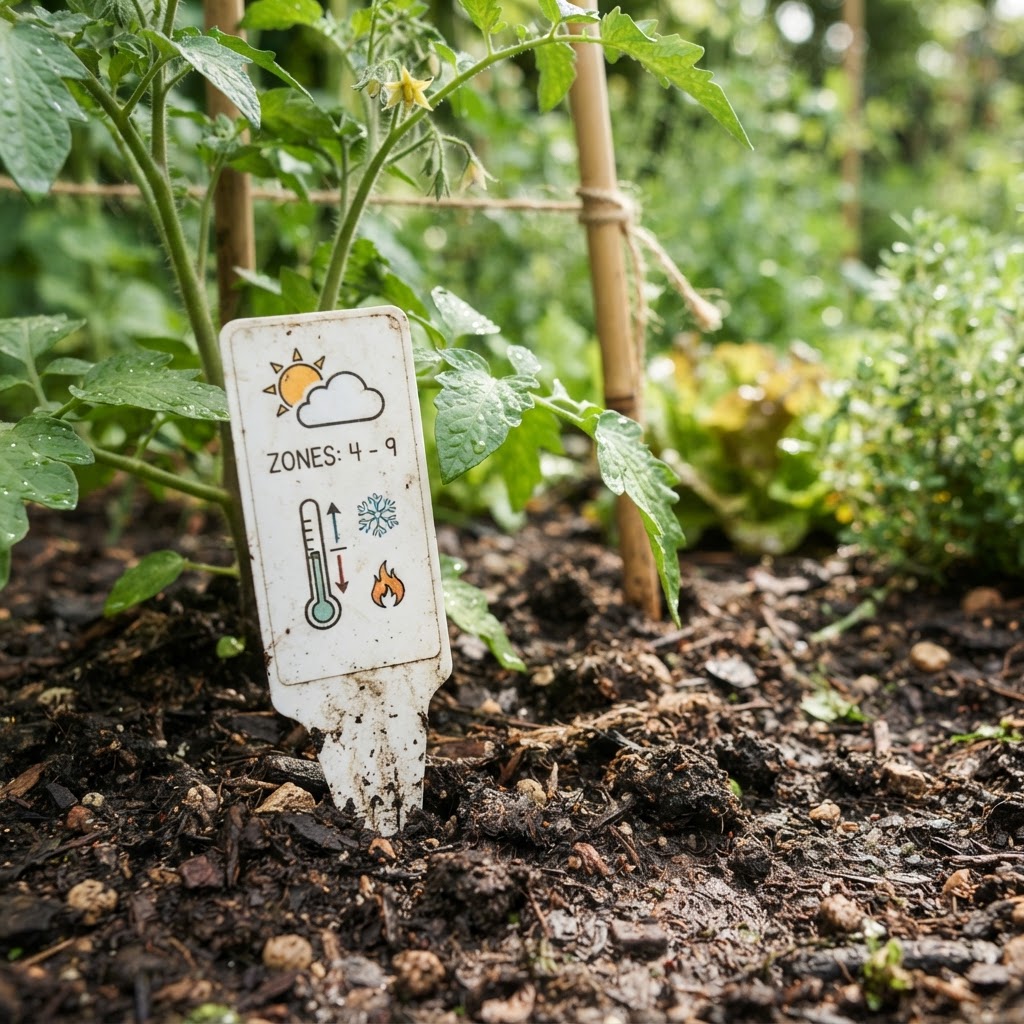
When you head to a local nursery or browse online seed catalogs, look for the "hardiness zone" range listed on the plant tag or description. If your garden is in Zone 6, for example, a plant that is hardy for zones 3 through 7 is a safe bet. Always prioritize native plants or those labeled for your specific zone to ensure the best health and yield.
Common Mistakes to Avoid When Using Zone Data
- Assuming the zone guarantees success: Zones only measure cold tolerance. They don't predict how a plant will handle heat waves or drought.
- Ignoring local topography: As mentioned, microclimates can render a general zone map less effective for your specific plot.
- Forgetting to check the source: Ensure you are using the most updated data, as climatic averages do shift over time.
Beyond Zones: Other Factors for Gardening Success
While the hardiness zone map is an excellent starting point, your success also depends on local variables. Understanding frost dates is essential for planting timing, as these tell you when you can safely put tender plants into the ground. Additionally, consider soil pH, local rainfall patterns, and the specific needs of the vegetables you wish to grow. For a comprehensive plan, pair your zone data with a local planting calendar and basic knowledge of your soil type.
By integrating these tools, you can move from simple experimentation to informed, reliable gardening. Ready to start planning your next season? Join our newsletter for seasonal gardening tips and regional advice delivered straight to your inbox.
Sources
- #hardiness zones
- #planting guide
- #garden planning
- #climate zones
- #beginner gardener
Related Articles
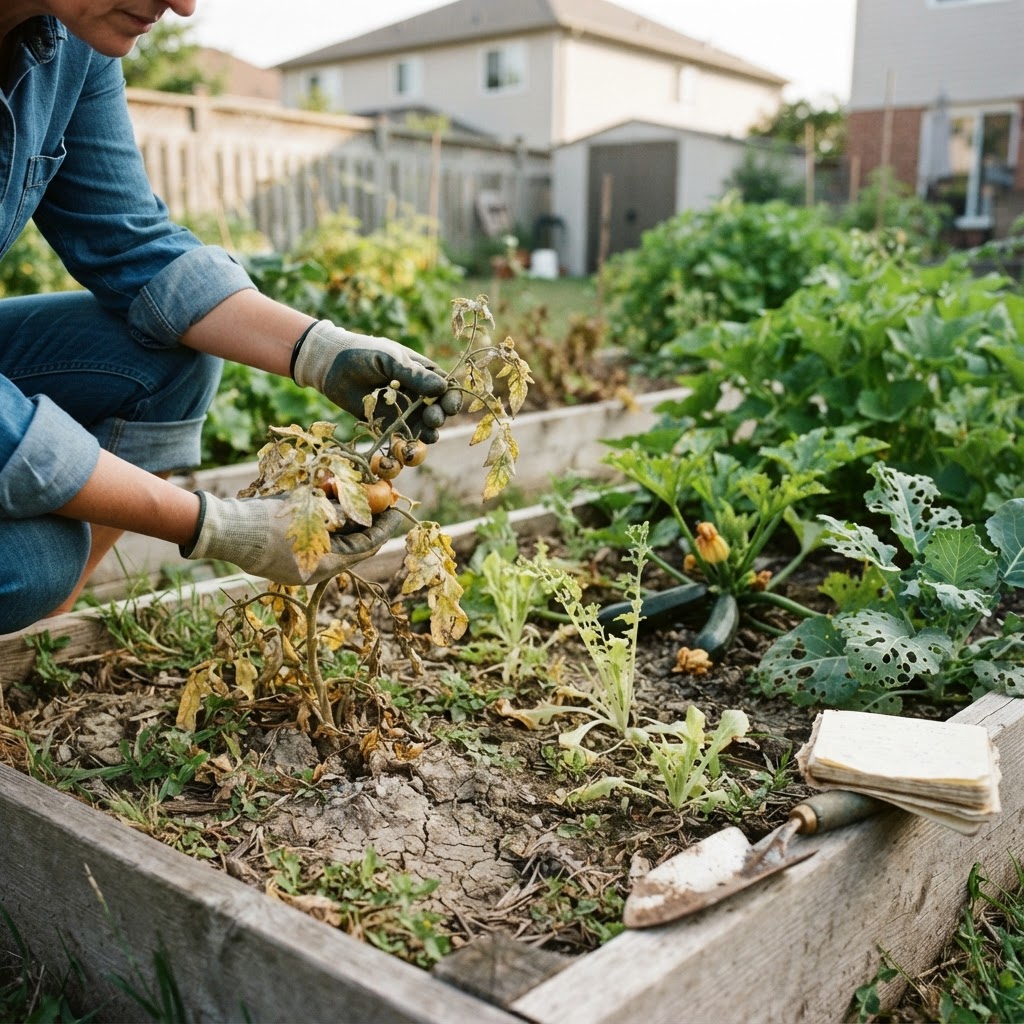
Vegetable Garden Failures: How to Fix Common Problems
Discover how to diagnose and resolve common vegetable garden challenges using practical, science-based troubleshooting techniques to save your plants.
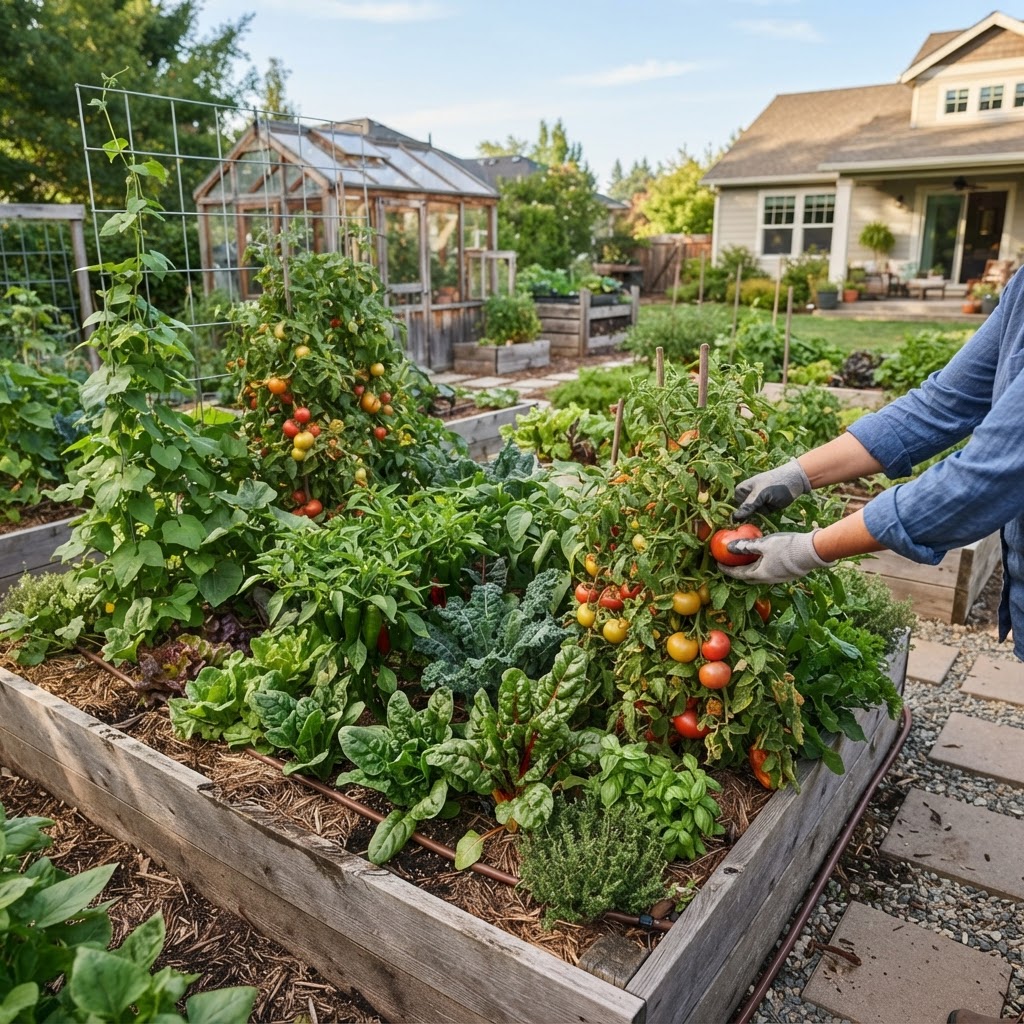
High Yield Vegetable Gardening: Advanced Methods for Success
Take your harvest to the next level by implementing intensive planting strategies, precision nutrient management, and data-driven garden planning techniques.
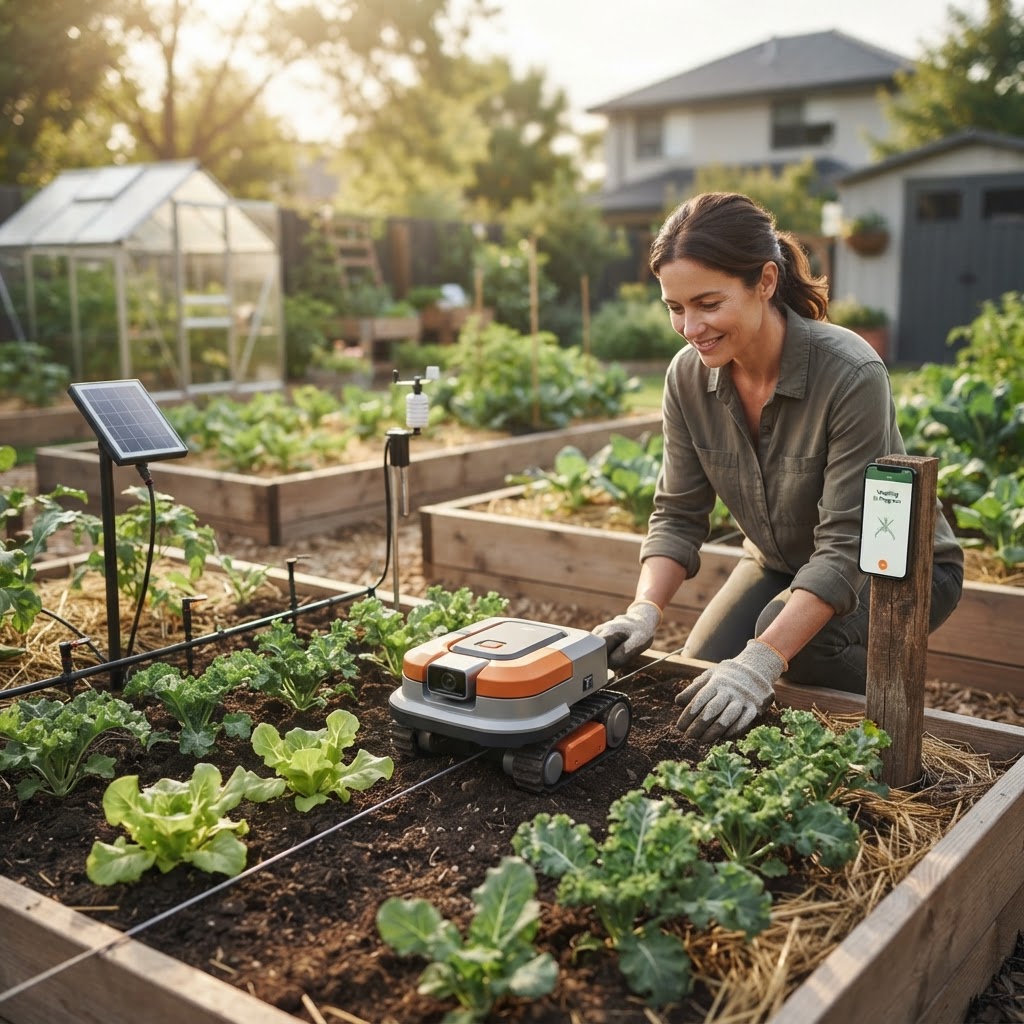
Automated Garden Tools for Beginners: A Complete Guide
Learn how to use smart technology to streamline your gardening chores without losing the joy of working in the soil. This guide covers the basics of garden automation for beginners.