
Gardening
How to Improve Your Vegetable Garden Yields: Expert Guide
Take your vegetable garden to the next level with expert strategies focused on soil health, strategic planting, and efficient care to maximize your seasonal harvest.
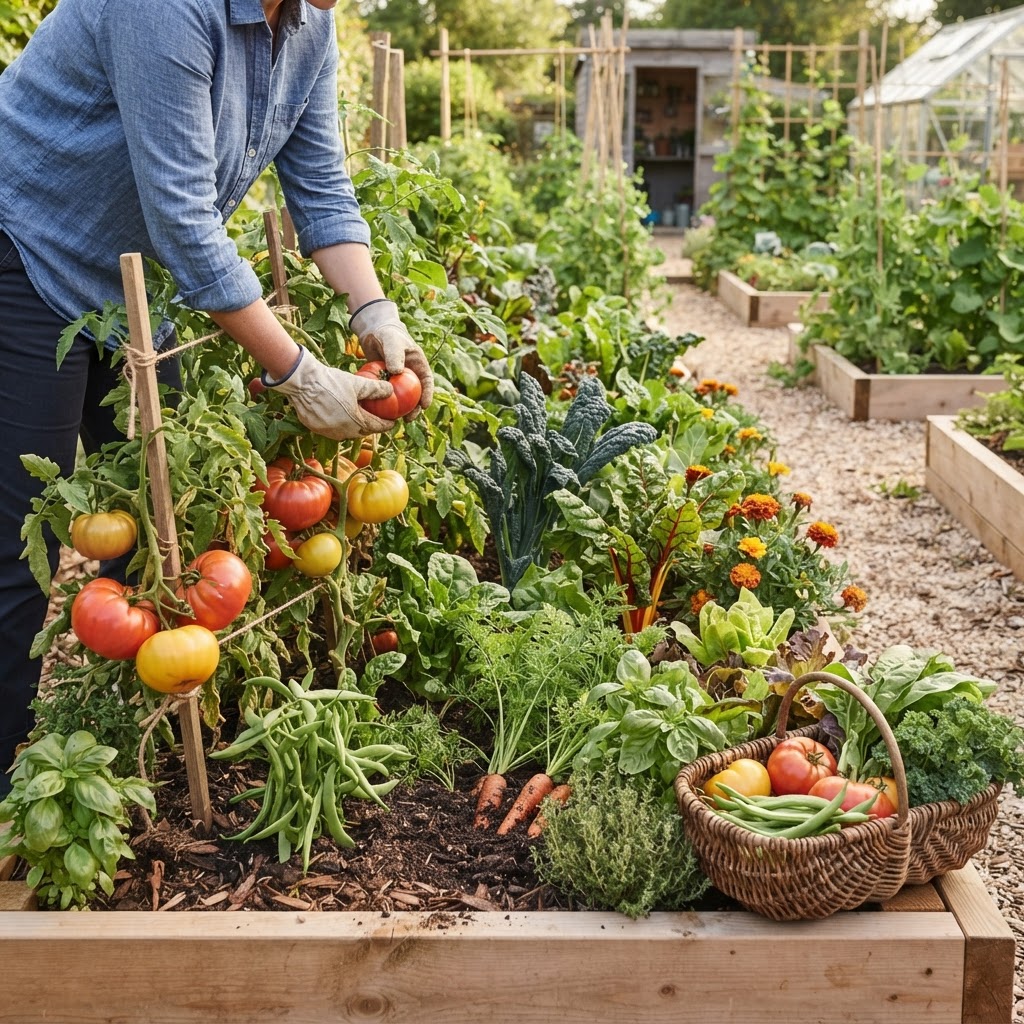
For the intermediate gardener, the transition from simply keeping plants alive to actively optimizing your garden's output is an exciting milestone. Achieving a bountiful harvest isn't just about luck; it is about implementing evidence-based practices that foster long-term soil health and plant vitality. When you approach your garden as a productive ecosystem, you can significantly increase your yields while maintaining sustainability.
Understanding Your Garden's Current Yield
Before you can improve, you must measure. Garden yield optimization begins with observation. Start by keeping a garden journal where you record varieties planted, dates of harvest, and the approximate quantity or weight of produce gathered. Are your tomatoes ripening slowly? Are your greens wilting before reaching maturity? Identifying these bottlenecks is the first step toward effective management.
Optimizing Soil Health for Maximum Production
The foundation of all high-producing gardens is the soil. Plants cannot reach their full genetic potential in nutrient-depleted or compacted environments.
The Importance of Soil Testing
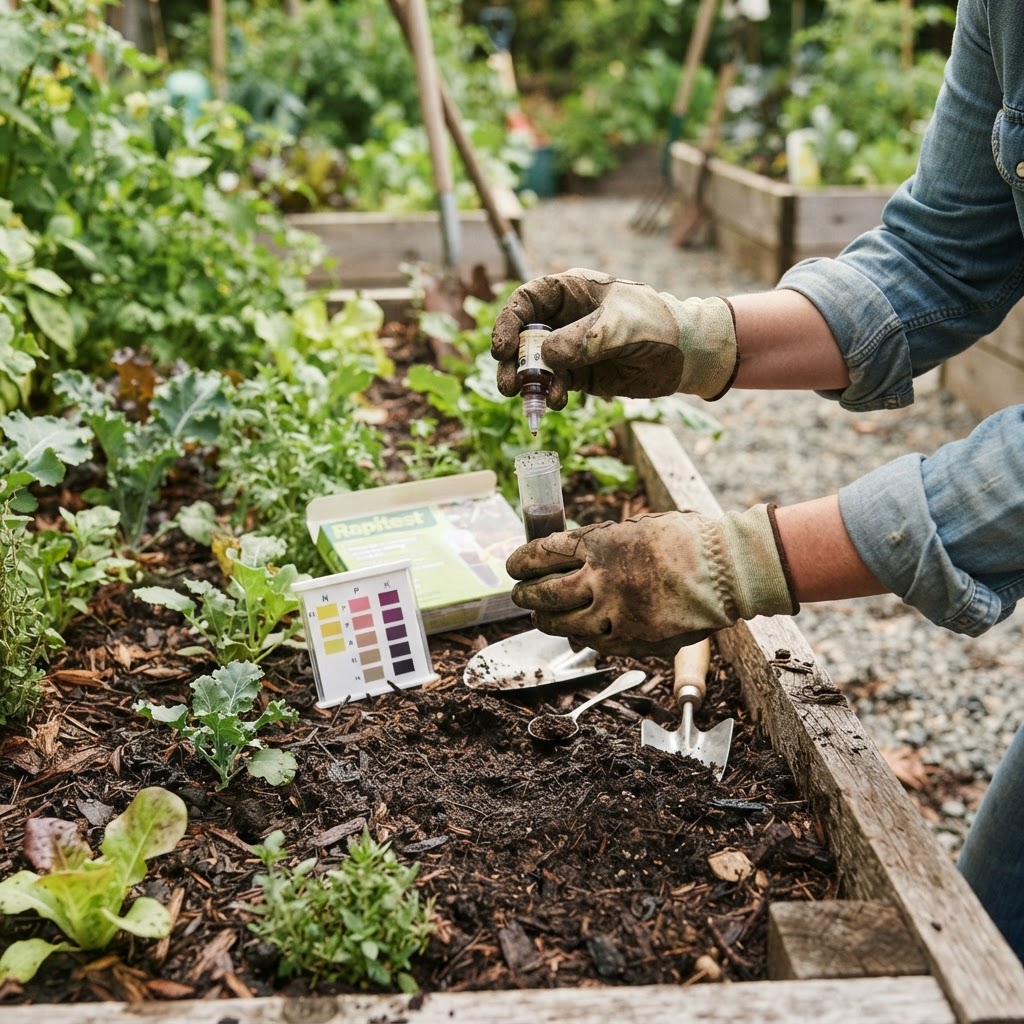
Before adding amendments, conduct a professional soil test. This provides a precise breakdown of your soil's pH levels and nutrient availability. Without this data, you are essentially gardening in the dark, which can lead to over-fertilization or nutrient imbalances that actually hinder growth.
Incorporating Organic Matter and Compost
Organic matter is the engine of soil productivity. Regularly incorporating well-aged compost improves soil structure, enhances water retention, and encourages beneficial microbial activity. Think of compost as a slow-release multivitamin for your garden beds.
Watering Techniques That Boost Harvests
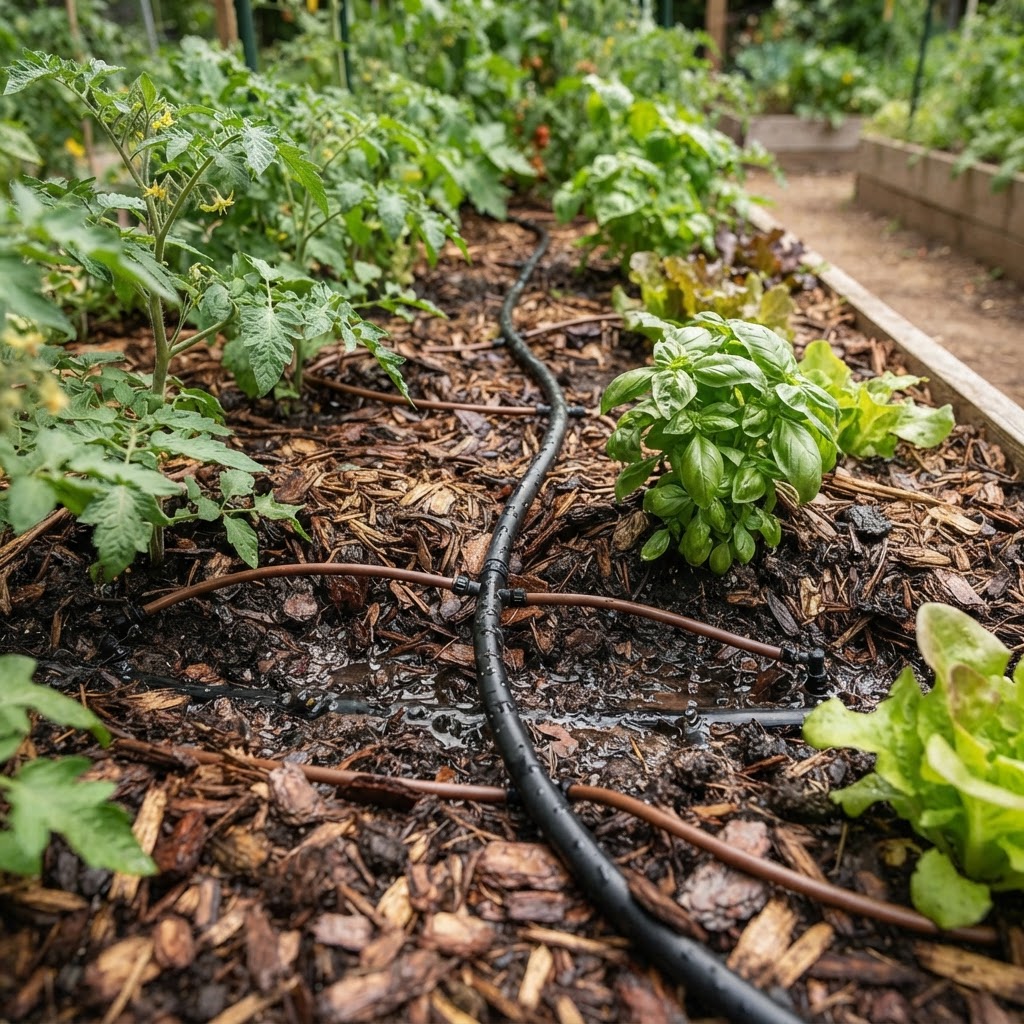
Watering is often misunderstood; it is not just about keeping the soil wet, but about delivering moisture exactly where the plant needs it. Drip irrigation or soaker hoses are far superior to overhead watering because they minimize leaf wetness, which reduces the risk of fungal diseases, and they deliver water directly to the root zone where it is needed for fruit production.
Selecting High-Yield Vegetable Varieties
Not all seeds are created equal. When browsing catalogs, look for varieties labeled with high-yield potential or disease resistance. Regional adaptation is also critical; a variety that thrives in the cool, moist climate of the Pacific Northwest may struggle in the intense heat of the Southeast. Consult your local university extension service to find varieties proven to perform well in your specific microclimate.
Strategic Planting and Spacing
Many gardeners fall into the trap of planting too far apart for fear of competition, or too close out of eagerness. Proper spacing is a balance: plants need enough airflow to prevent disease, but enough density to shade the soil and prevent weed germination. By utilizing intensive spacing methods, such as square-foot gardening, you can maximize the number of plants in a given bed without sacrificing plant health.
Pest and Disease Management for Healthier Plants
A healthy plant is naturally more resistant to pests and pathogens. Focus on Integrated Pest Management (IPM), which prioritizes cultural controls—like rotating crops and using row covers—before resorting to any treatment. Regular monitoring is essential; catching a caterpillar infestation early can be the difference between a minor nuisance and a decimated crop.
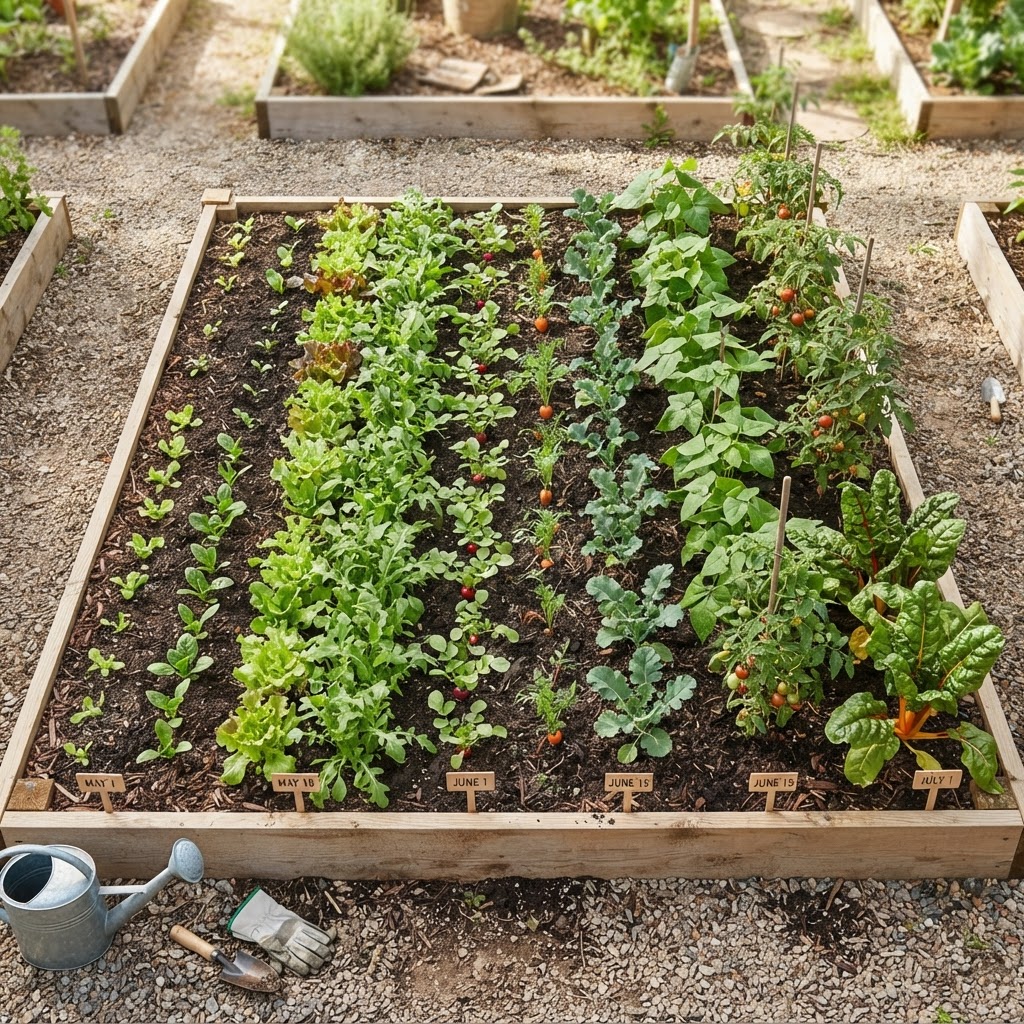
Succession Planting for a Continuous Harvest
Sources
- #gardening tips
- #garden productivity
- #soil health
- #vegetable garden
Related Articles
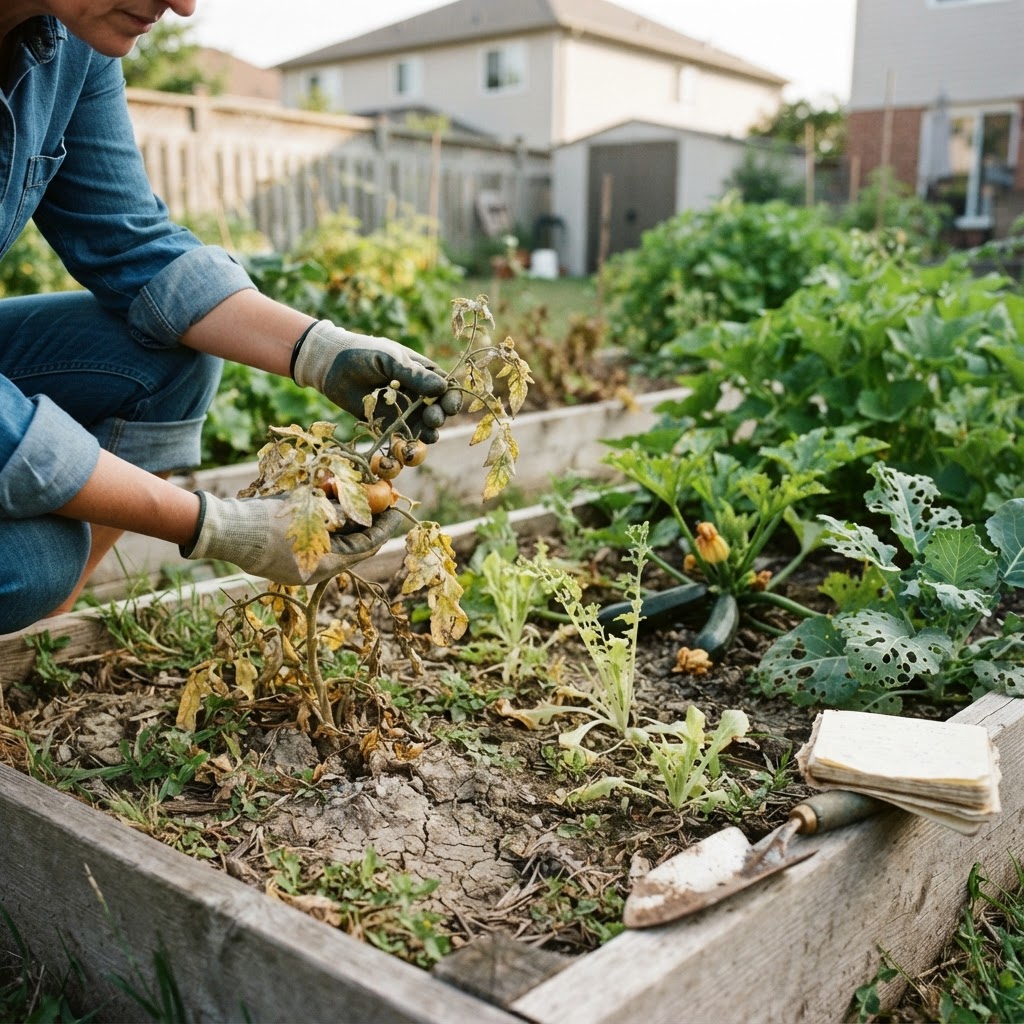
Vegetable Garden Failures: How to Fix Common Problems
Discover how to diagnose and resolve common vegetable garden challenges using practical, science-based troubleshooting techniques to save your plants.
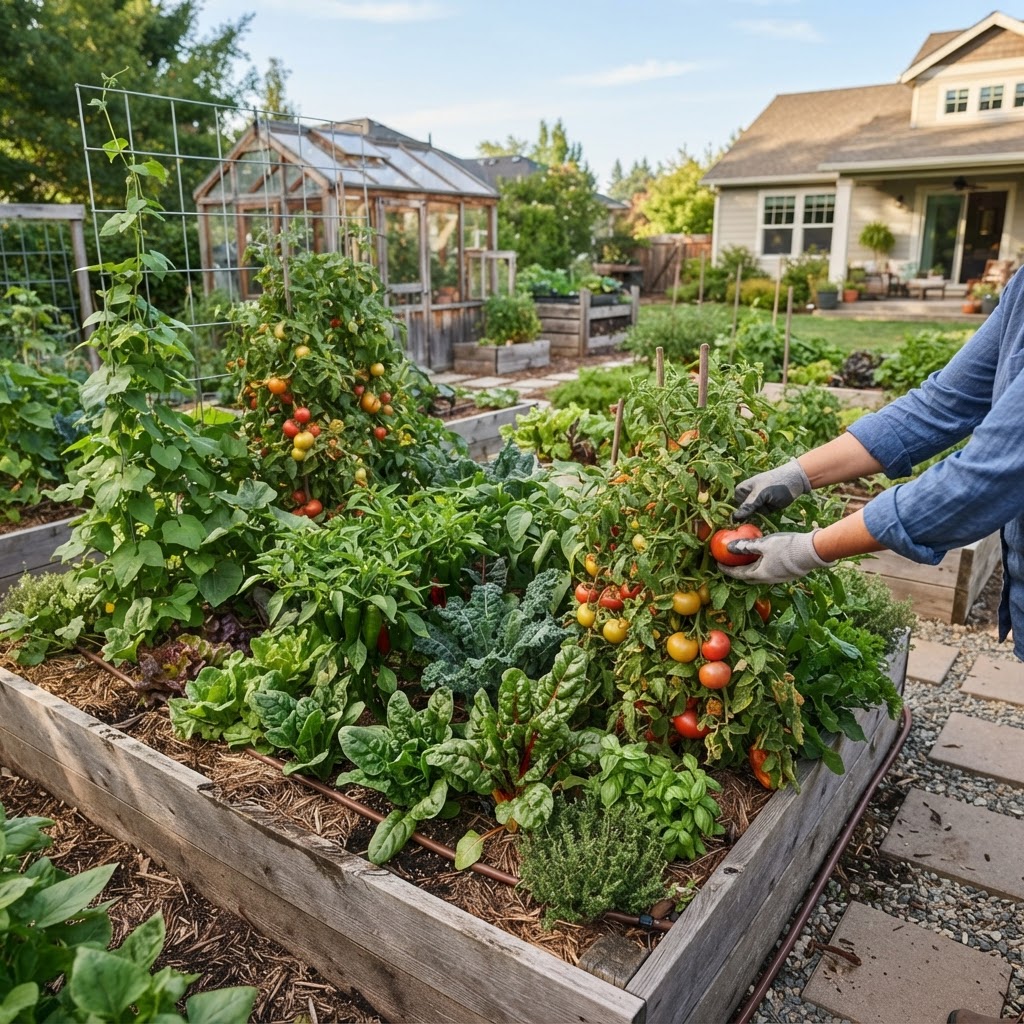
High Yield Vegetable Gardening: Advanced Methods for Success
Take your harvest to the next level by implementing intensive planting strategies, precision nutrient management, and data-driven garden planning techniques.
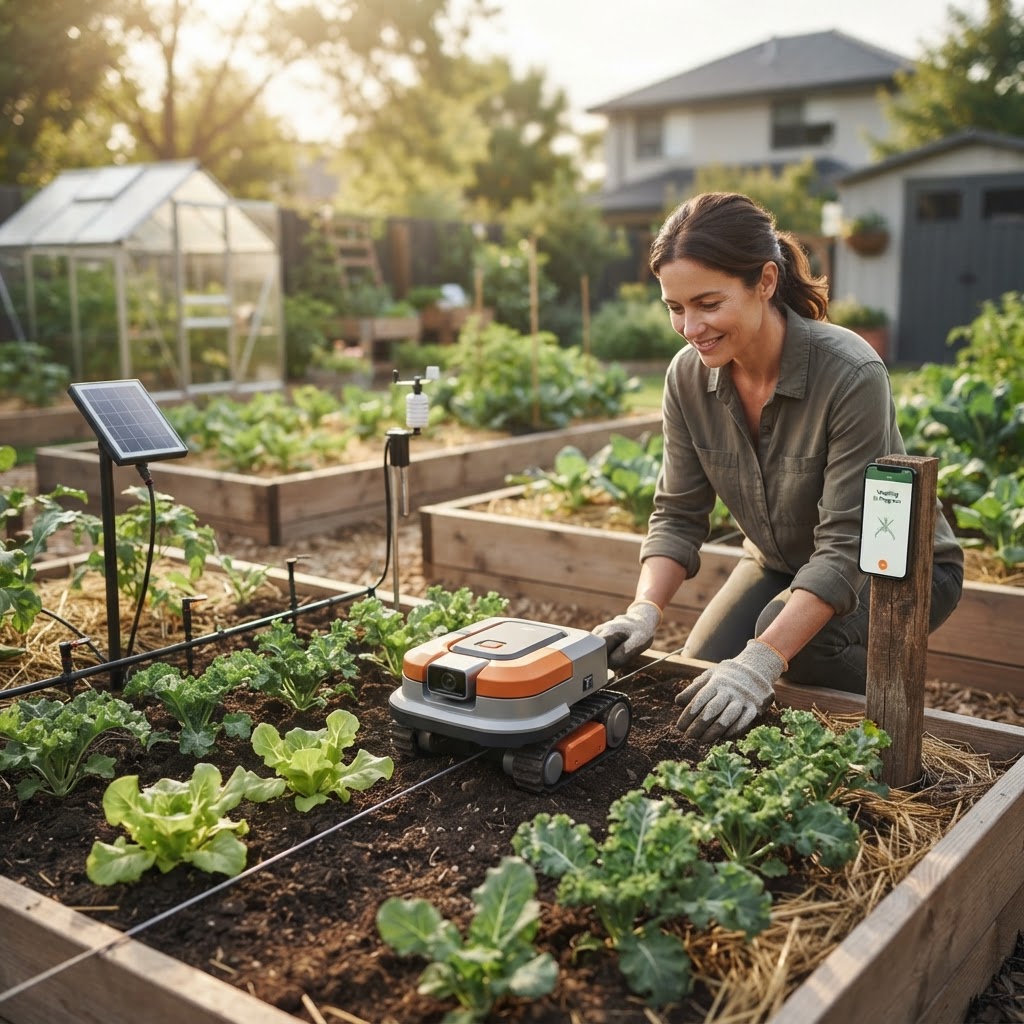
Automated Garden Tools for Beginners: A Complete Guide
Learn how to use smart technology to streamline your gardening chores without losing the joy of working in the soil. This guide covers the basics of garden automation for beginners.