
Gardening
Organic Pest Control for Vegetables: A Home Gardener's Guide
Take control of your vegetable garden using natural methods. Learn how to prevent pests, encourage biodiversity, and keep your harvest healthy without synthetic chemicals.
Why Choose Organic Pest Control?
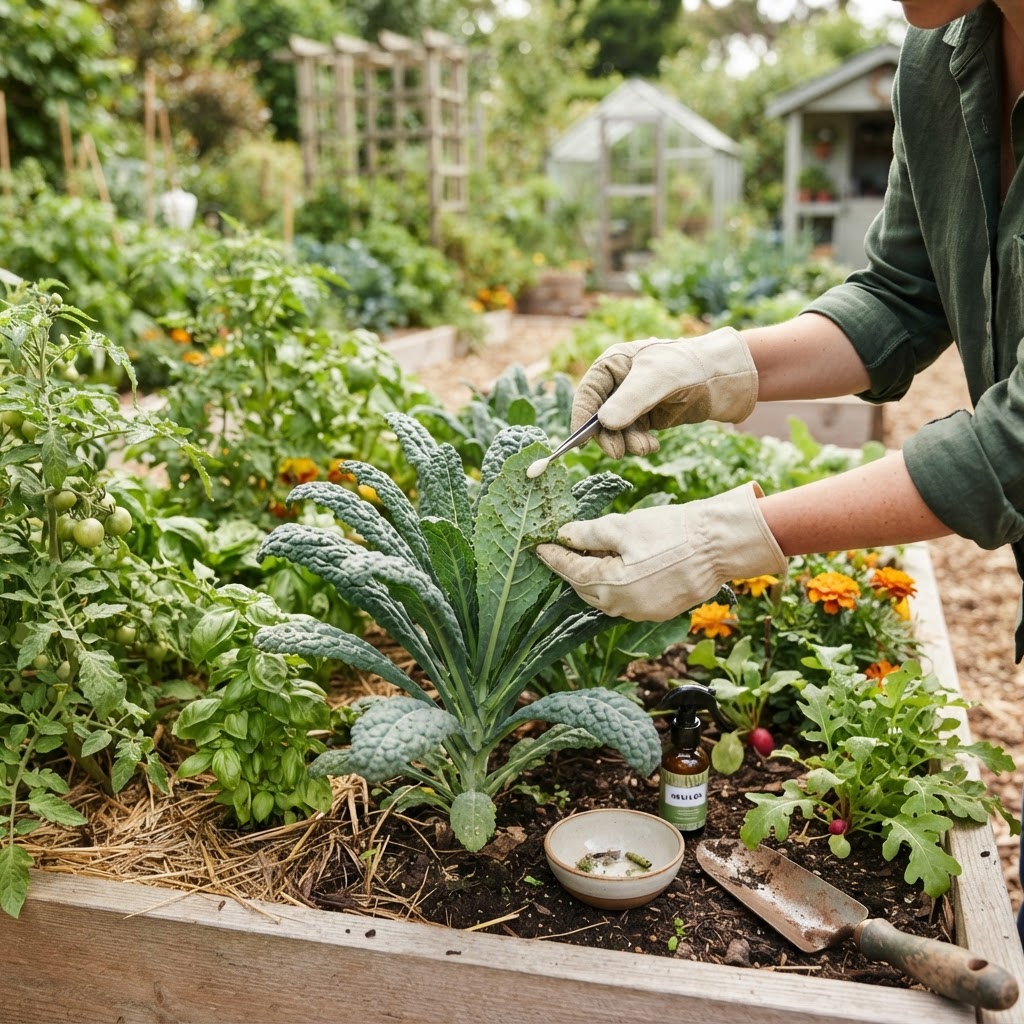
For many home gardeners, the primary goal of growing vegetables is to provide safe, nutrient-dense food for their families. Turning to organic pest control for vegetables is not just about avoiding chemicals; it is about fostering a resilient garden ecosystem. When you focus on synthetic quick fixes, you often disrupt the delicate balance of the soil and beneficial insect populations. By adopting an Integrated Pest Management (IPM) approach, you prioritize prevention, monitoring, and long-term garden health over immediate eradication.
Identifying Common Vegetable Garden Pests
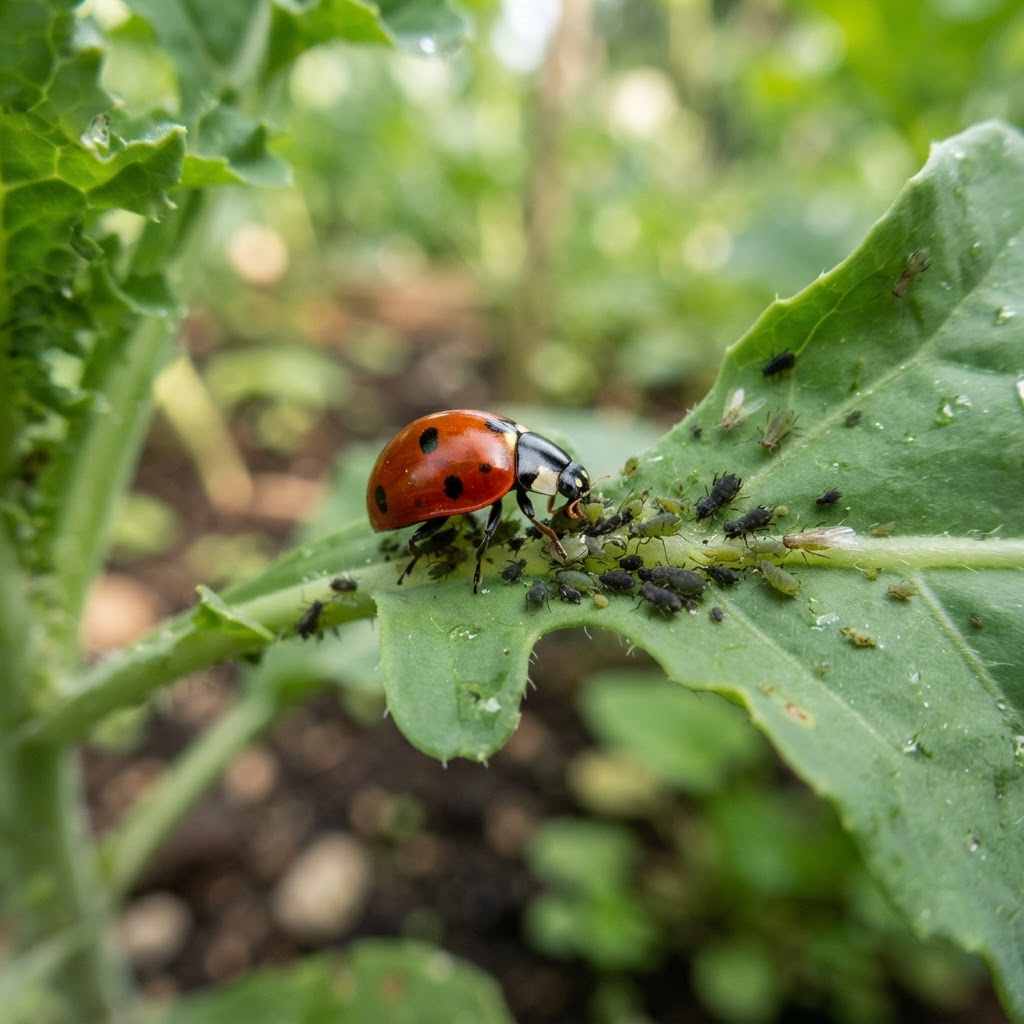
Effective management begins with identification. You cannot control what you do not understand. Common pests like aphids, cabbage loopers, tomato hornworms, and slugs can cause significant damage if left unchecked. Aphids are small, soft-bodied insects that cluster on new growth, while tomato hornworms are large green caterpillars that can defoliate a plant in days. Recognizing the signs—such as chewed leaves, sticky residue, or skeletonized foliage—is the first step in successful natural pest control for gardens.
Cultural Practices: The First Line of Defense
Prevention is the bedrock of safe vegetable pest management. A healthy plant is naturally more resistant to insect attacks. Proper cultural practices, such as choosing the best vegetable varieties for beginners and maintaining optimal soil health and preparation, ensure your crops have the vigor to withstand light pest pressure. Crop rotation is another essential practice; by moving plant families to different areas of the garden each year, you prevent pests that overwinter in the soil from finding their favorite host plants in the same location season after season.
Biological Control: Using Nature to Fight Pests
Beneficial Insects
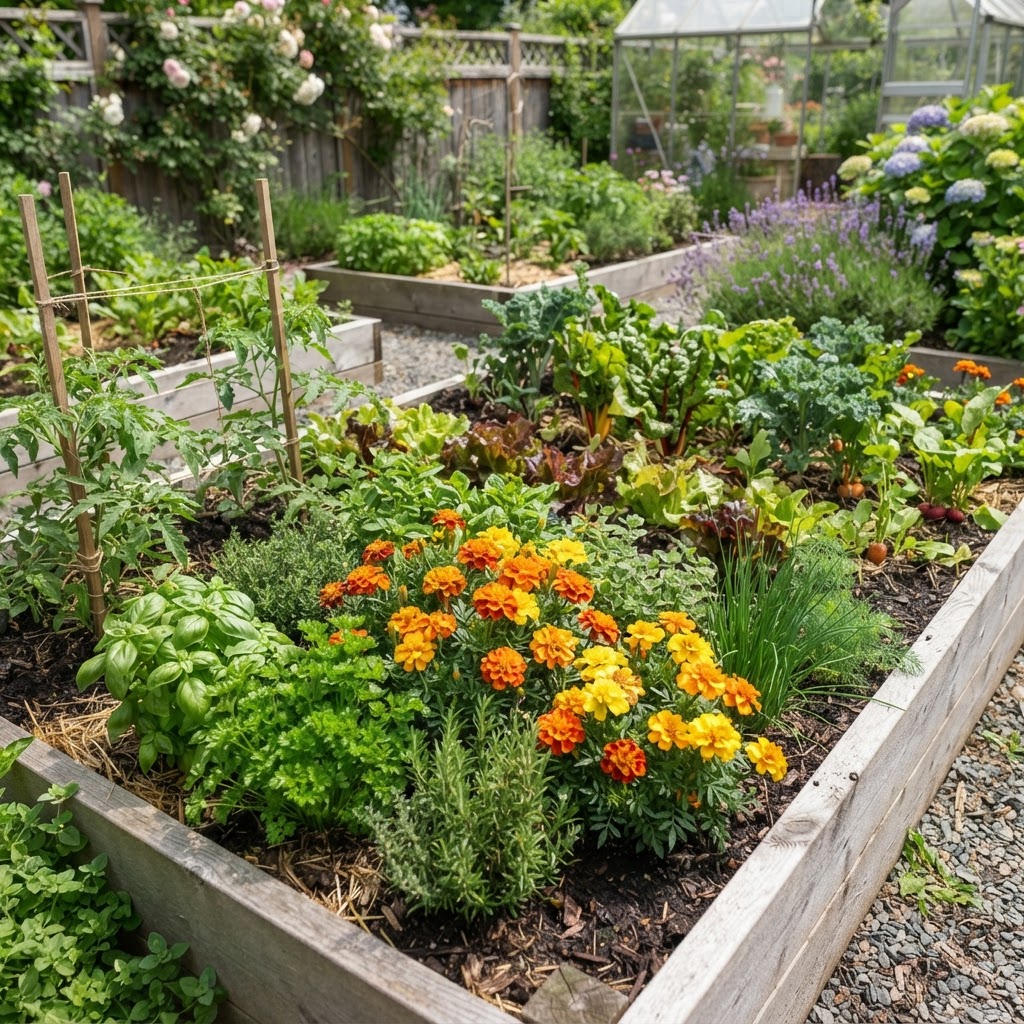
Your garden is a battlefield, but you can recruit allies. Encouraging beneficial insects like ladybugs, lacewings, and parasitic wasps is a core component of sustainable gardening. These predators feast on aphids and other small pests, keeping populations in check without human intervention. Plant diverse flowers like marigolds, dill, and sweet alyssum to provide nectar and habitat for these helpful creatures.
Birds and Reptiles
Larger wildlife also plays a role. Birds, frogs, and toads are voracious eaters of beetles, caterpillars, and slugs. By creating a welcoming environment with water sources, bird baths, and thick mulch, you encourage these natural pest controllers to take up residence in your garden.
Organic Sprays and Home Remedies
When preventive measures are not enough, organic interventions can be used judiciously. Homemade insecticidal soaps, made from mild dish soap and water, can be effective against soft-bodied insects. Neem oil is another popular option that acts as both an insecticide and a fungicide. Always test these sprays on a small part of the plant first to ensure they do not cause leaf burn, and remember that even organic remedies should be used sparingly to avoid harming beneficial insects.
When to Intervene: Monitoring and Thresholds
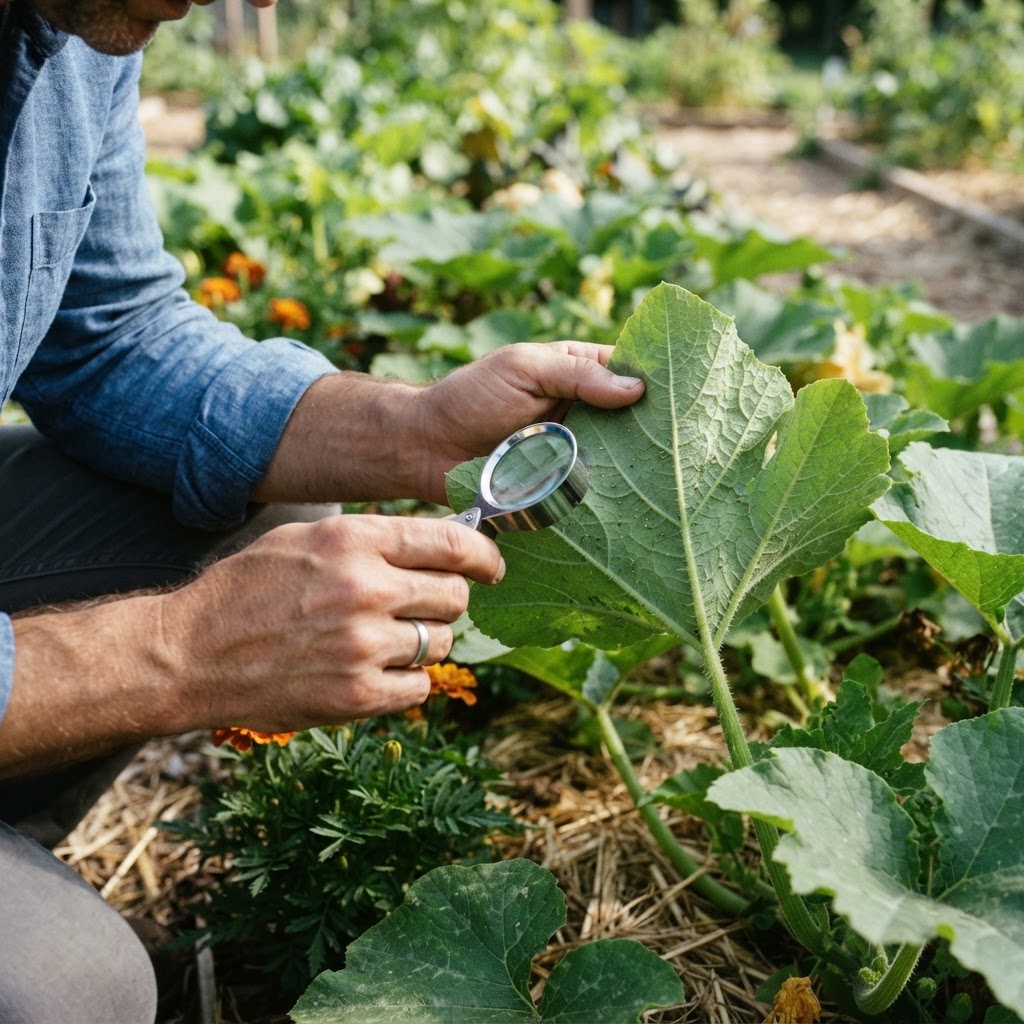
A key principle of IPM is the use of action thresholds. Just because you see a few bugs does not mean you need to spray. A few aphids are not a crisis; they are actually the food source needed to bring beneficial predators into your garden. Monitor your plants regularly, noting changes in pest populations. Only intervene when the damage reaches a level that threatens the viability of your harvest.
Conclusion: Building a Resilient Garden Ecosystem
Moving toward organic pest control is a journey of observation and learning. By focusing on biodiversity, soil health, and cultural prevention, you create a garden that is not only productive but also a healthy sanctuary for your family and the local environment. Start small, observe often, and enjoy the process of working with nature rather than against it.
Sources
- #organic gardening
- #pest control
- #garden health
- #beneficial insects
Related Articles
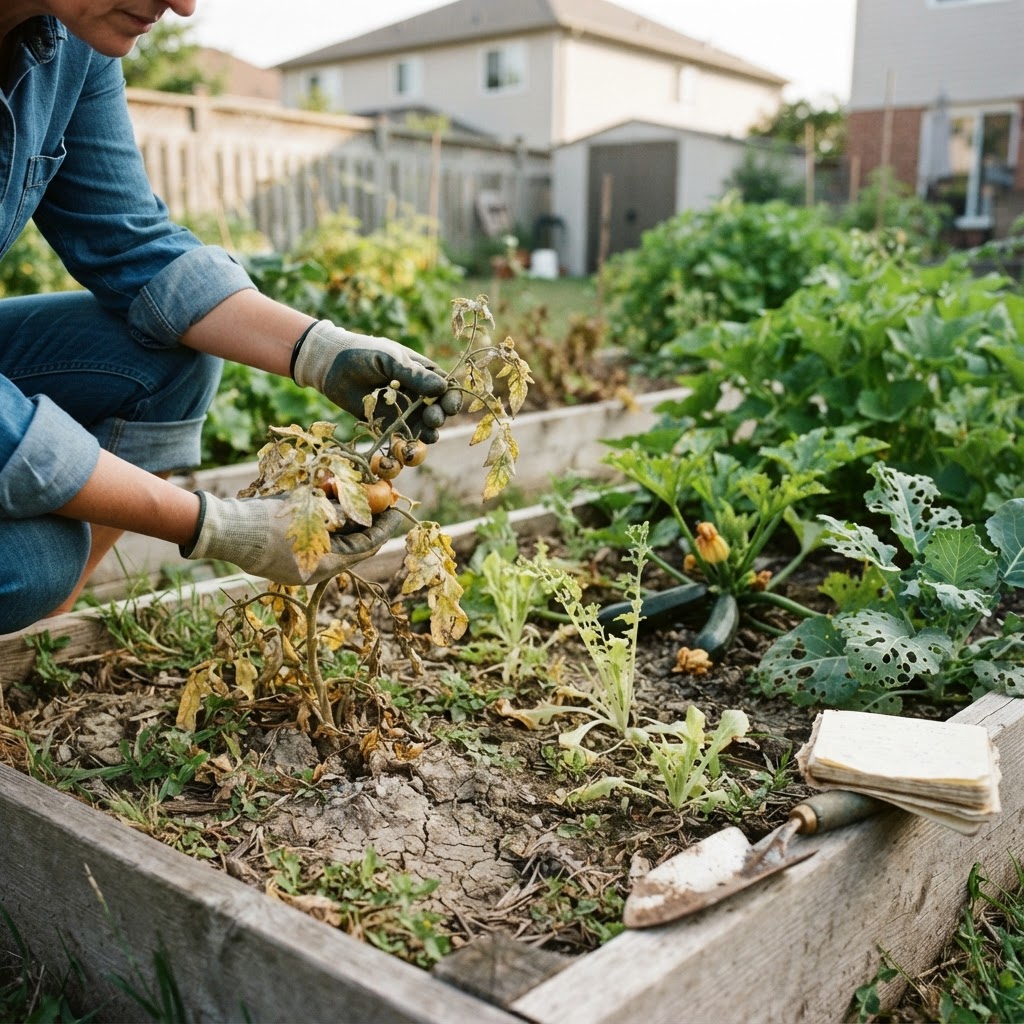
Vegetable Garden Failures: How to Fix Common Problems
Discover how to diagnose and resolve common vegetable garden challenges using practical, science-based troubleshooting techniques to save your plants.
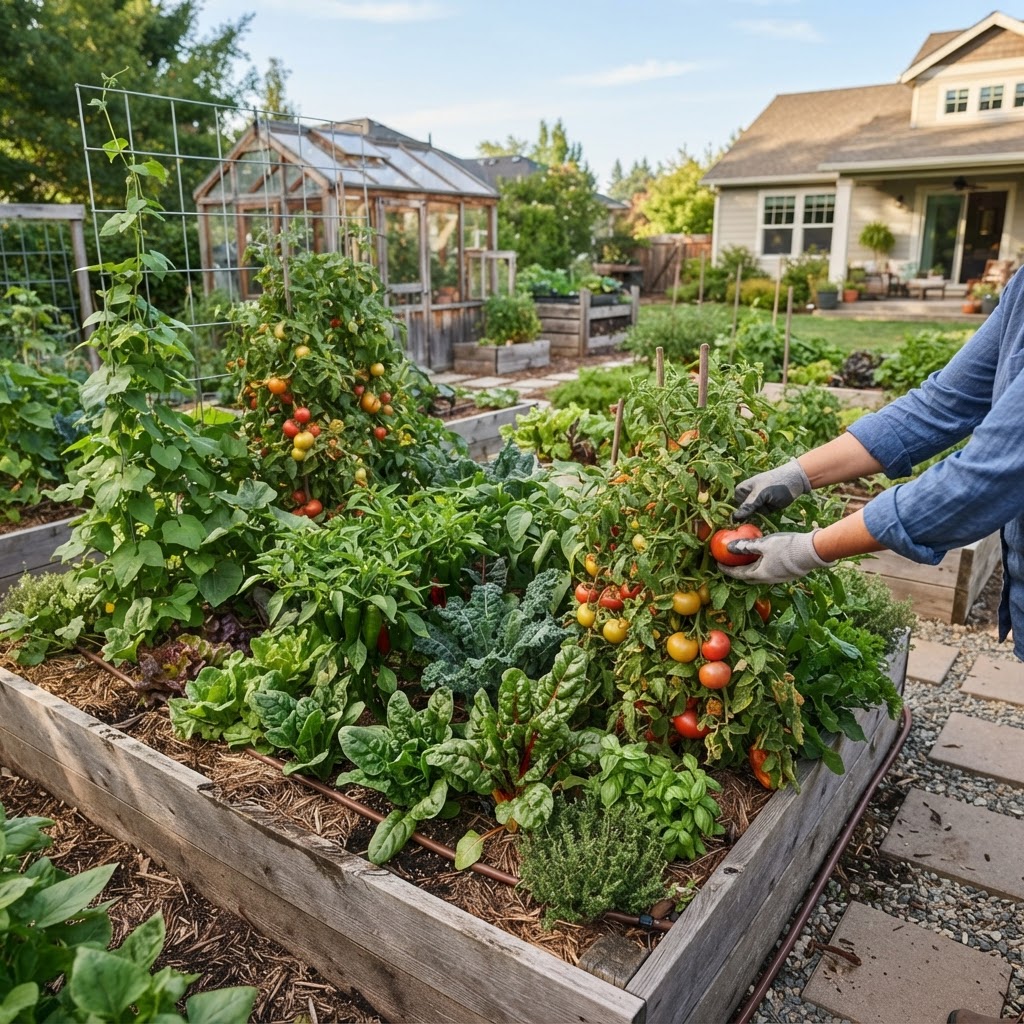
High Yield Vegetable Gardening: Advanced Methods for Success
Take your harvest to the next level by implementing intensive planting strategies, precision nutrient management, and data-driven garden planning techniques.
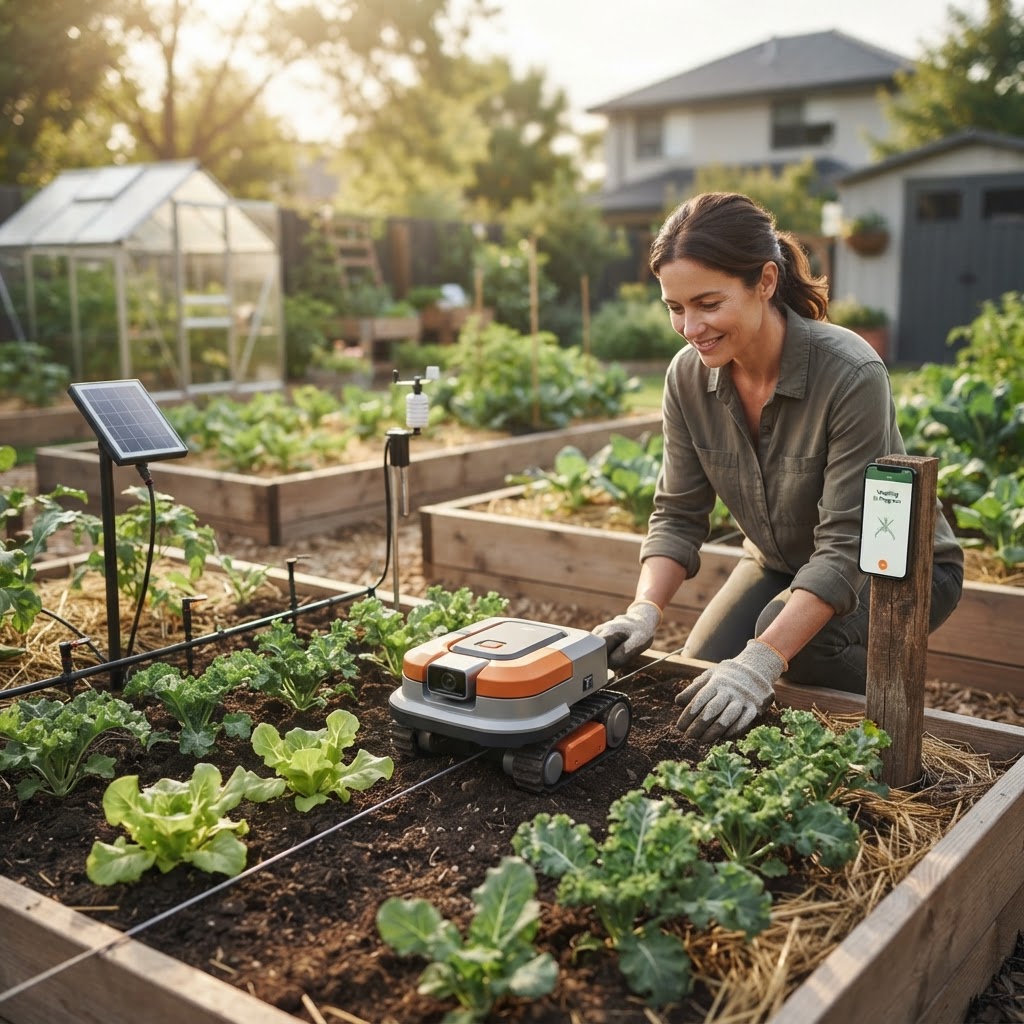
Automated Garden Tools for Beginners: A Complete Guide
Learn how to use smart technology to streamline your gardening chores without losing the joy of working in the soil. This guide covers the basics of garden automation for beginners.