
Gardening
Yellowing Leaves on Vegetable Plants: Causes and Solutions
Seeing yellow leaves in your vegetable patch can be alarming, but it is often a solvable problem. Learn how to diagnose the cause of chlorosis and revive your garden plants.
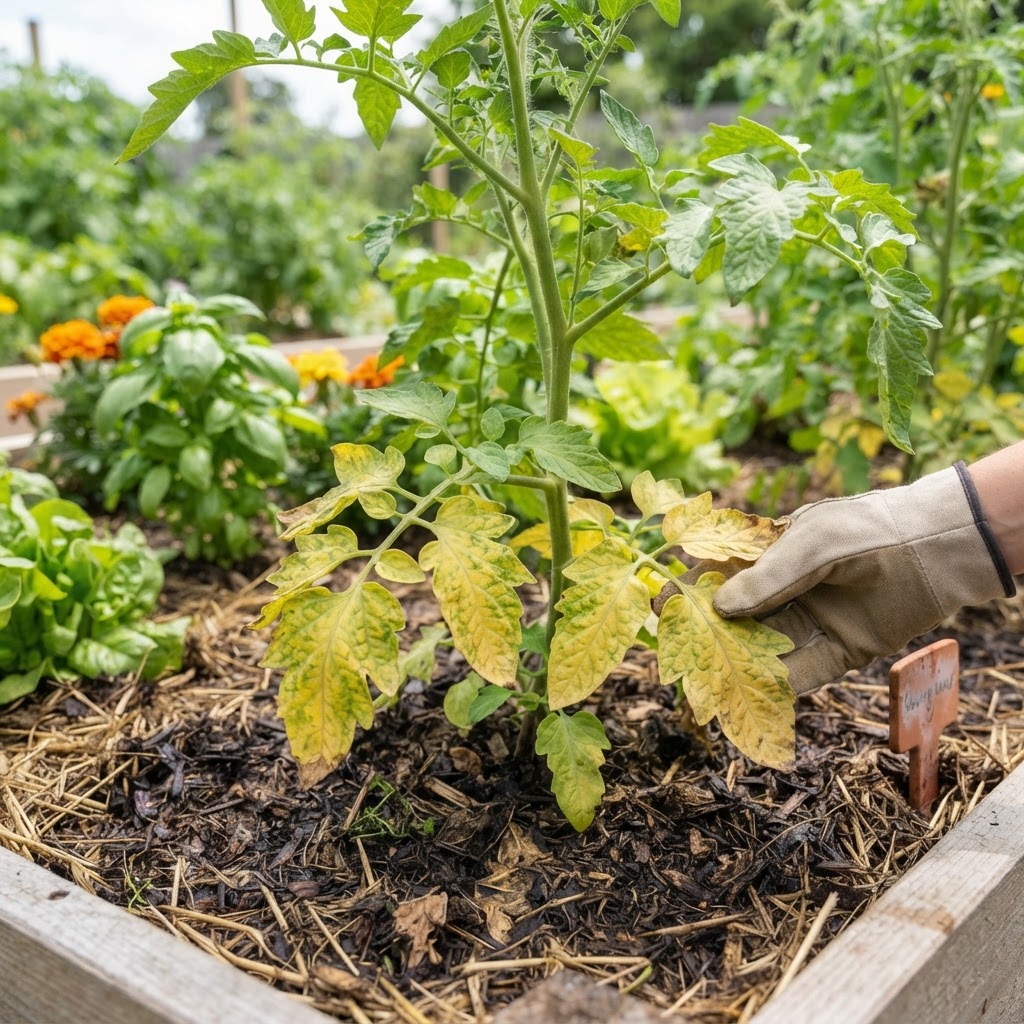
There is arguably nothing more disheartening for a home gardener than walking out to your vegetable patch to find leaves that were once vibrant green now fading to a sickly yellow. This phenomenon, known as chlorosis, is a common signal from your plants that something is amiss. Whether you are dealing with yellowing leaves on vegetable plants in a container or a raised bed, understanding the root cause is the first step toward recovery.
How to Diagnose Yellowing Leaves
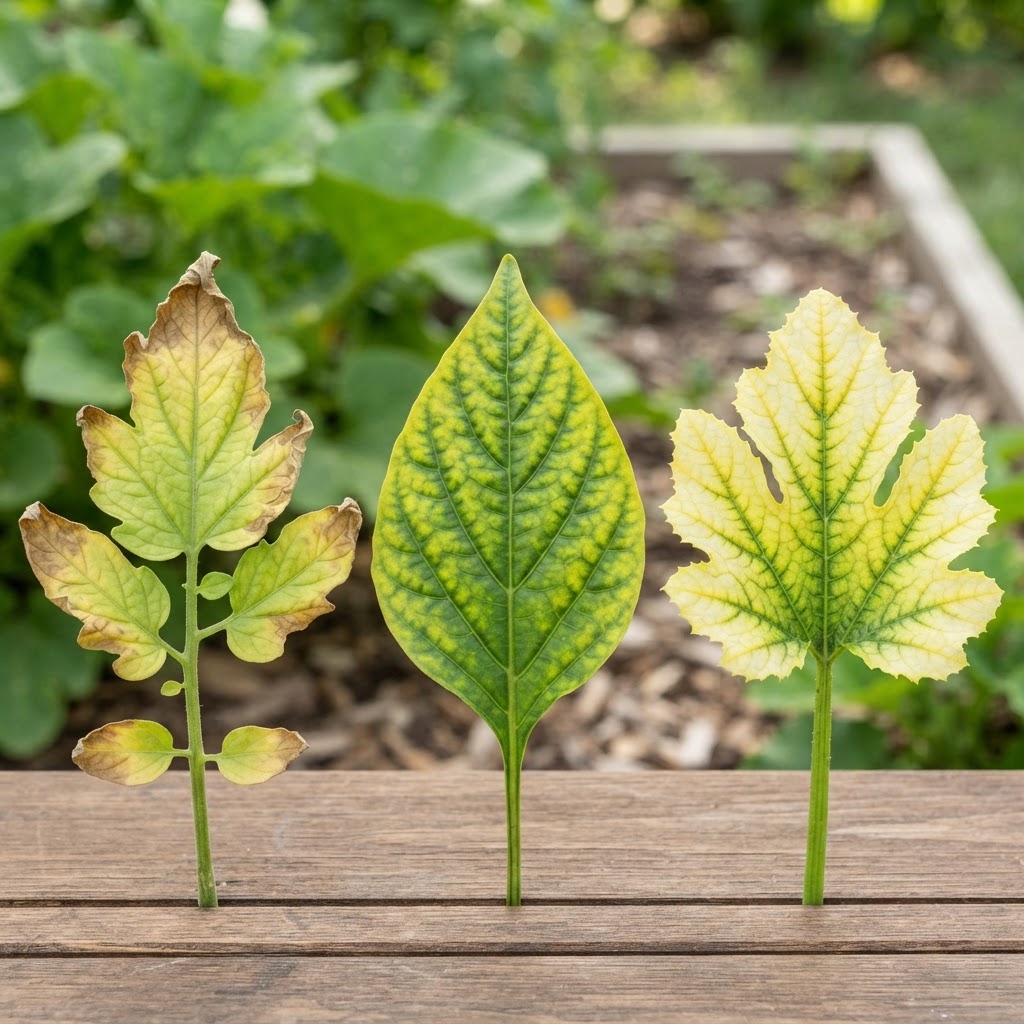
Diagnosing plant health requires a detective's eye. Before you reach for fertilizer or pesticides, take a moment to observe the pattern of the discoloration. Does the yellowing start at the bottom of the plant and move upward, or does it affect the youngest, top leaves first? Is the entire leaf turning yellow, or is it just the area between the veins? By documenting these visual cues and checking the soil moisture, you can usually narrow down the culprit to a specific stress factor.
Common Causes of Leaf Chlorosis in Vegetables
Overwatering vs. Underwatering
Water management is the most frequent cause of yellow leaves. Signs of overwatered plants often include soft, limp yellow leaves and soil that remains constantly soggy. When roots sit in water, they cannot breathe, leading to root rot. Conversely, underwatering causes leaves to become crispy and yellow at the edges. Always check the moisture level two inches below the soil surface before adding more water.
Nutrient Deficiencies: Nitrogen, Magnesium, and Iron
Vegetables need a steady supply of nutrients to thrive. A nitrogen deficiency typically manifests as a general yellowing of the older, lower leaves, as the plant pulls nitrogen from these to support new growth. Magnesium deficiency often shows up as yellowing between the veins of older leaves, while iron deficiency specifically targets the younger leaves at the top of the plant. Understanding your soil's nutritional profile is key to successful vegetable gardening.
Pests and Disease Infestations
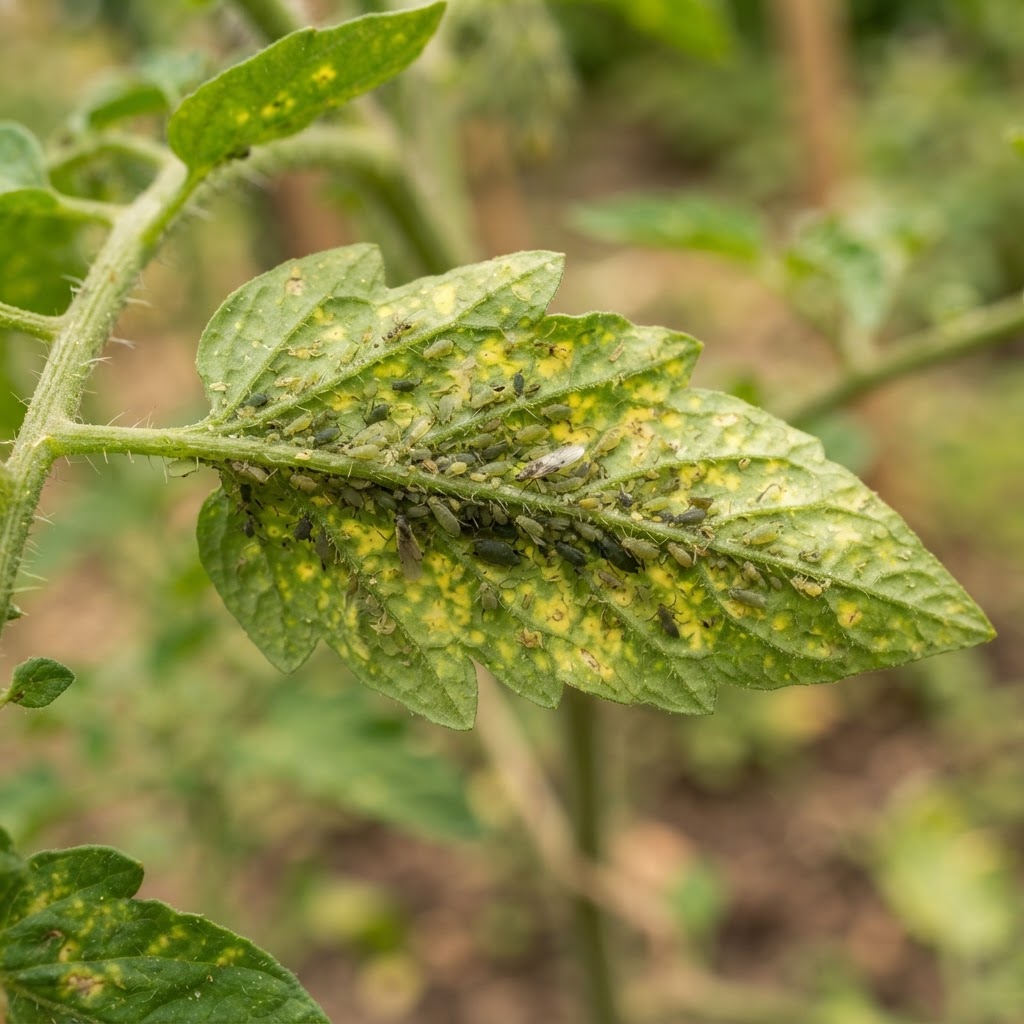
Certain insects, such as aphids, whiteflies, and spider mites, feed on plant sap, which can cause foliage to yellow and curl. Furthermore, diseases like Fusarium wilt or Verticillium wilt are notorious for causing rapid yellowing and wilting. Always inspect the undersides of leaves for signs of pests or webbing.
Temperature Stress and Light Issues
Vegetables have preferred growing ranges. If a cool-weather crop like lettuce is exposed to extreme heat, it may show signs of yellowing and bolting. Similarly, a lack of adequate sunlight will cause plants to become "leggy" and pale, eventually turning yellow as they struggle to produce enough energy through photosynthesis.
Step-by-Step Solutions to Restore Your Plants
- Check Soil Moisture: Adjust your watering frequency based on the touch test. Ensure your garden has excellent drainage.
- Perform a Soil Test: Confirm the pH and nutrient levels to see if a deficiency is truly present.
- Inspect for Pests: Use a magnifying glass to check for small insects on the underside of the foliage.
- Adjust Light or Temperature: If necessary, provide shade for heat-stressed crops or ensure your plants are in a sunny enough location.
When to Prune Damaged Leaves
It is generally safe to remove leaves that are more than 50% yellow, as they are no longer contributing to the plant's energy production. Always use clean, sharp shears to prune away the damaged tissue, which helps prevent the spread of potential pathogens and improves airflow around the plant.
Preventing Future Yellowing in Your Garden
Prevention is easier than cure. Focus on soil health by incorporating organic matter, practicing crop rotation to keep pests and diseases at bay, and following consistent watering schedules. Regular monitoring of your garden allows you to catch minor issues before they turn into major problems.
Sources
- #yellowing leaves
- #vegetable garden help
- #plant health
- #chlorosis
Related Articles
Vegetable Garden Failures: How to Fix Common Problems
Discover how to diagnose and resolve common vegetable garden challenges using practical, science-based troubleshooting techniques to save your plants.
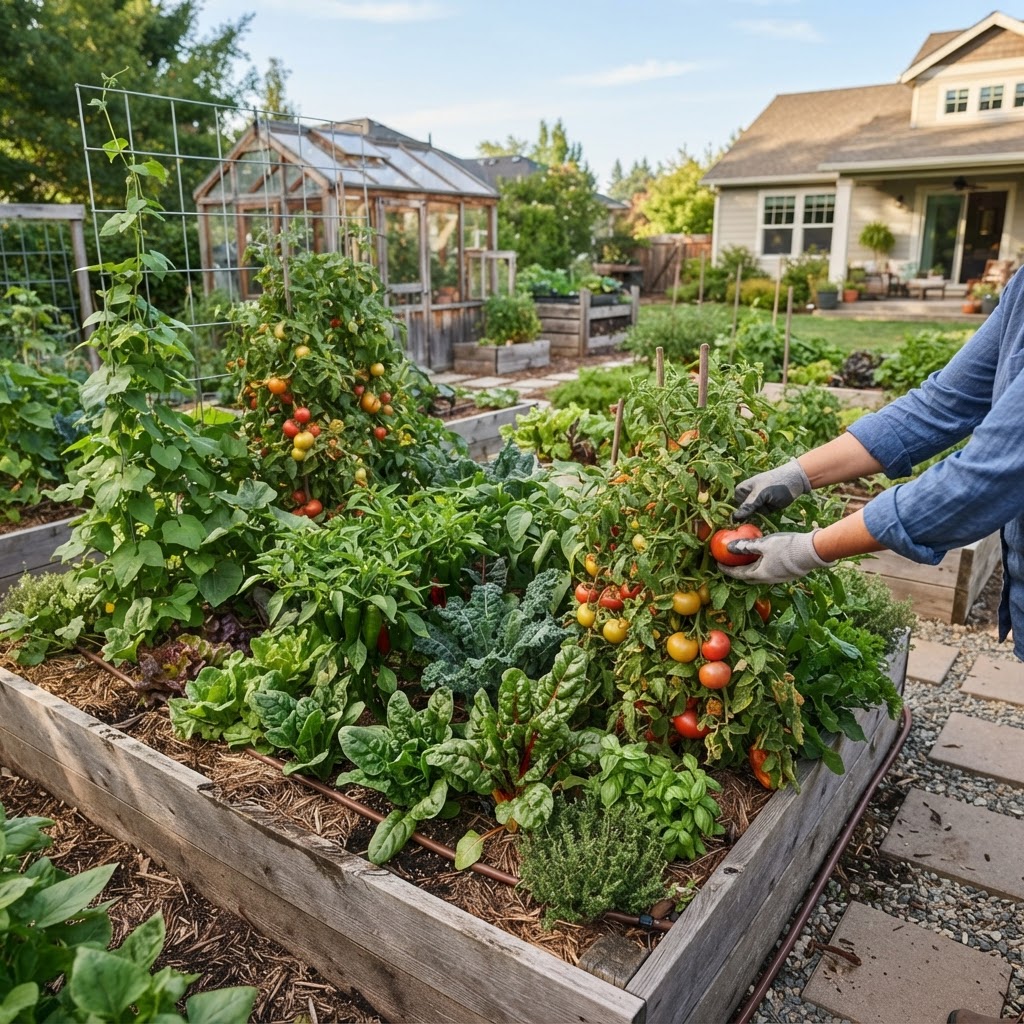
High Yield Vegetable Gardening: Advanced Methods for Success
Take your harvest to the next level by implementing intensive planting strategies, precision nutrient management, and data-driven garden planning techniques.
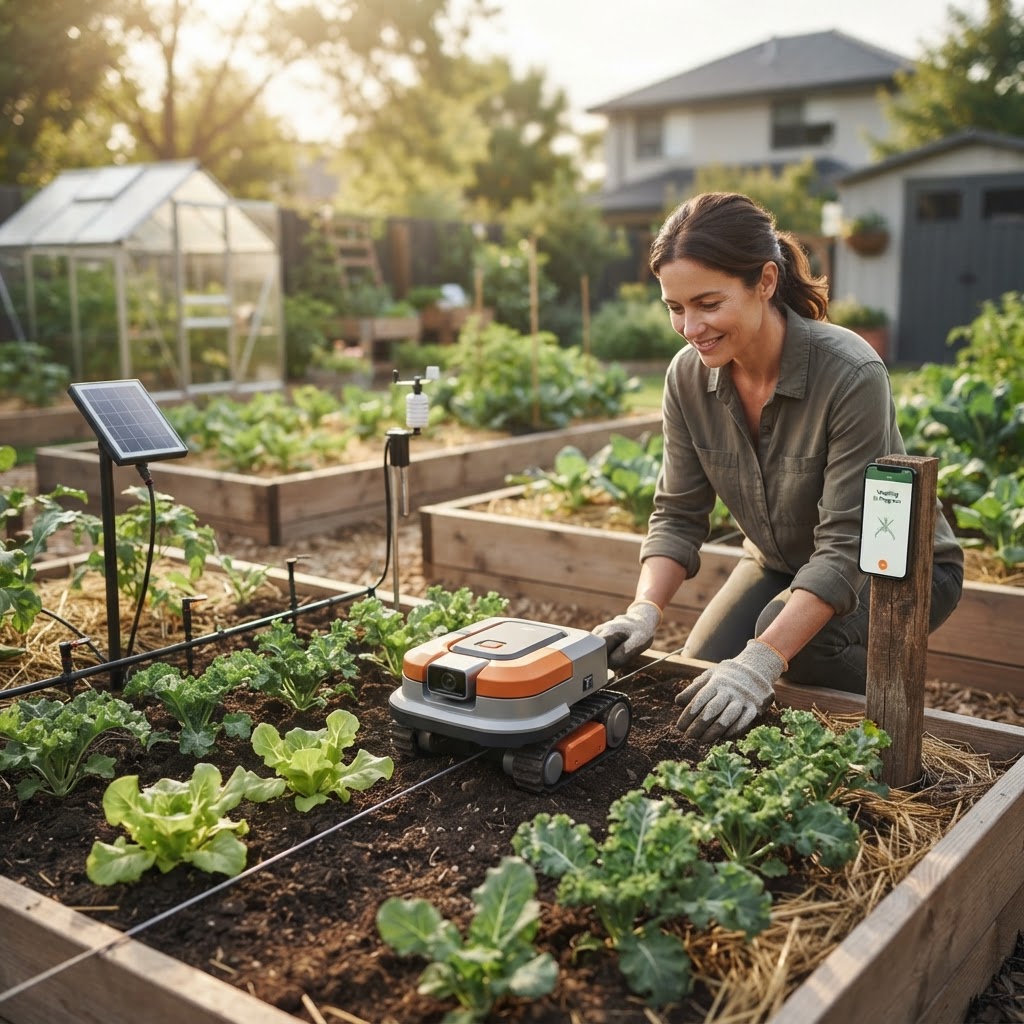
Automated Garden Tools for Beginners: A Complete Guide
Learn how to use smart technology to streamline your gardening chores without losing the joy of working in the soil. This guide covers the basics of garden automation for beginners.