
Patio
Patio Design Ideas for Small Backyards
A small yard is a design constraint, not a dead end. Here is how to lay out, surface, furnish and light a compact patio so it feels like a real outdoor room.
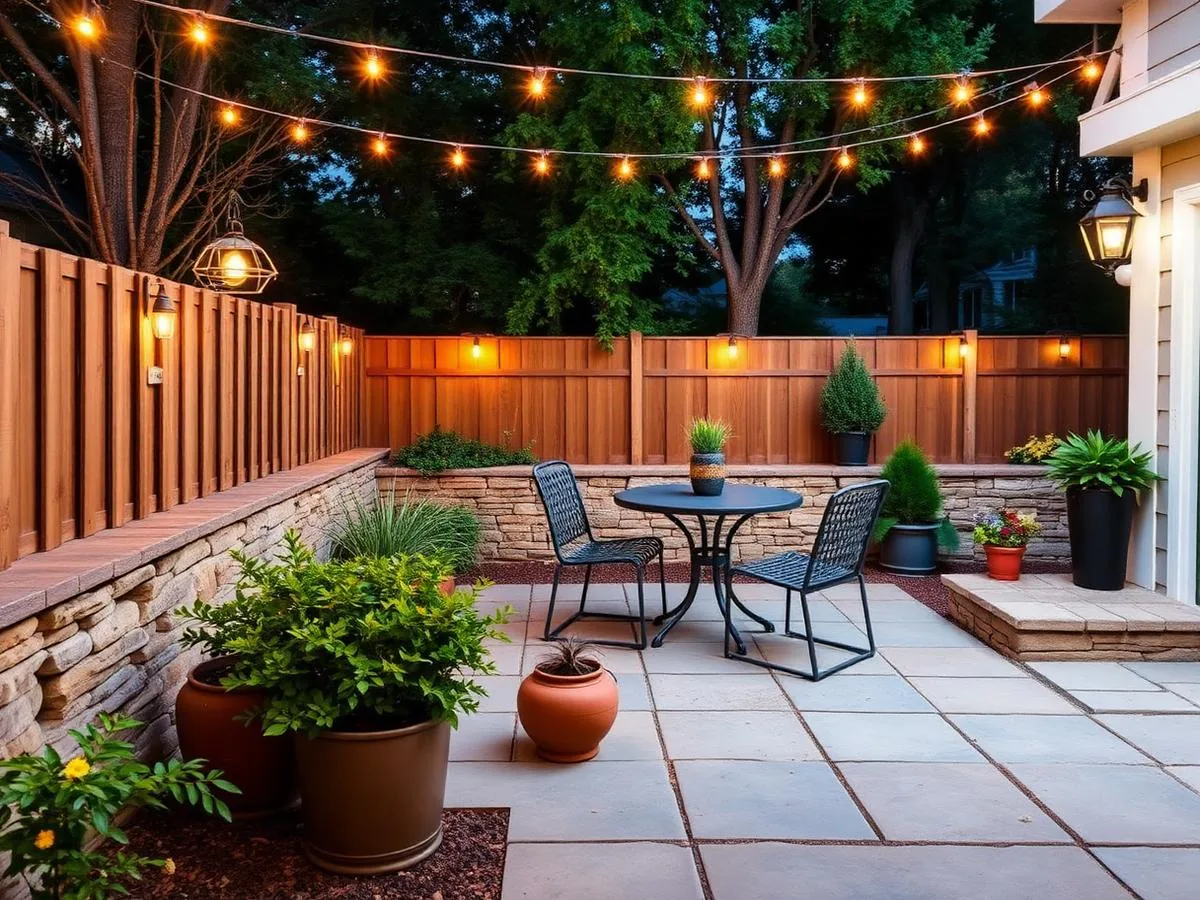
Start with how you actually want to use the space
The most common mistake we see in small backyards is buying furniture first and designing around it. A 12 by 14 foot patio can comfortably host dinner for four, or a lounge area for three, or a fire pit circle — but it cannot host all three at once. Decide on the primary use before you spend a dollar. Everything downstream, from paver size to lighting height, follows from that single decision.
Spend a weekend paying attention to the yard before you commit. Where does the shade fall at 6 p.m. in July? Which neighbor's window looks straight into the space? Where does water pool after a storm? In our experience, homeowners who map sun, sightlines and drainage first end up moving far less hardscape later.
Size the patio to the furniture, not the yard
Outdoor furniture needs more clearance than indoor furniture because people push chairs back onto uneven ground. Plan for 36 inches of clear space behind each dining chair and 18 inches between a coffee table and the front edge of a sofa cushion. Skimp on those numbers and the patio will feel tight no matter how nicely it is finished.
| Use | Seats | Minimum size | Comfortable size |
|---|---|---|---|
| Bistro dining | 2 | 8 x 8 ft | 10 x 10 ft |
| Full dining | 4-6 | 12 x 12 ft | 14 x 16 ft |
| Lounge seating | 3-4 | 10 x 12 ft | 12 x 16 ft |
| Fire pit circle | 4-6 | 12 x 12 ft | 14 x 14 ft |
| Dining plus lounge | 6-8 | 16 x 20 ft | 18 x 24 ft |
If your yard cannot hit the comfortable column, choose one use and do it well. A beautifully executed 10 by 10 dining patio reads as intentional. A cramped 12 by 12 patio holding a sectional, a dining set and a grill reads as clutter.
Choose a surface that makes the space feel bigger
Surface choice does more for perceived size than almost anything else. Large-format pavers — 16 by 24 inches or larger — create fewer grout lines, and fewer lines read as more space. Running the long dimension away from the house stretches the yard visually. Small tumbled cobbles do the opposite: they are charming, but they chop a compact patio into visual confetti.
| Material | Installed cost per sq ft | DIY friendly | Best for |
|---|---|---|---|
| Concrete pavers | $14 - $24 | Yes | Most small yards; easy repairs |
| Poured concrete | $10 - $18 | No | Clean modern look, larger runs |
| Porcelain pavers | $25 - $40 | Moderate | Contemporary, stain resistance |
| Pea gravel | $5 - $10 | Yes | Budget patios, casual seating |
| Flagstone | $22 - $38 | Moderate | Cottage and traditional homes |
Keep the palette to two materials
Pick one primary paving material and one accent — for example, gray concrete pavers with a cedar bench, or buff flagstone with a black steel planter edge. Two materials look designed. Four look like a series of weekend decisions, which is exactly what small spaces cannot absorb.
Build vertical: the small-yard superpower
When you cannot go wider, go taller. Vertical elements draw the eye up and away from the property line, which makes a yard feel less boxed in. A single 7-foot cedar privacy screen behind the seating area does more than a full perimeter fence at the same cost, and it does not eat floor space.
- A slatted cedar or composite privacy screen behind the primary seating zone
- Wall-mounted planters or a pocket herb wall next to the kitchen door
- One columnar tree — think Sky Pencil holly or a slim juniper — instead of a spreading shade tree
- Climbing jasmine, clematis or hardy kiwi on a simple cable trellis
- A narrow built-in bench along one edge to reclaim the space free-standing chairs waste
Furnish it like a room, at three-quarter scale
Full-depth outdoor sectionals are the enemy of the small patio. Look for seat depths of 22 to 24 inches rather than 30, armless or thin-arm frames, and open bases you can see the ground through. Visual air matters more than actual square footage; a bench with visible legs occupies the same footprint as a solid box but feels half the size.
- 1
Anchor with a rug
A flat-woven polypropylene outdoor rug defines the room. Size it so the front legs of every seat land on it — usually 5 by 8 feet for lounge seating, 8 by 10 for dining.
- 2
Add the primary seating
Place the largest piece against the most protected edge, typically backing onto the house or the privacy screen, and orient it toward the best view rather than toward the fence.
- 3
Layer in flexible seating
Two lightweight chairs or a pair of nesting stools that can be pulled in for guests and tucked away the rest of the week. Stackable is worth the small aesthetic compromise.
- 4
Give every seat a surface
A side table within arm's reach of each seat prevents drinks on the ground. Small round tables circulate better than rectangles in tight spaces.
- 5
Finish with plants at three heights
One tall container, two mid-height, three low. Odd numbers and staggered heights read as landscaping; matched pairs at one height read as a showroom.
Light it in layers, and keep it low
Lighting is where small patios are won. A single bright floodlight over the back door flattens everything and annoys the neighbors. Three or four modest low-level sources at different heights make a compact space feel deep and considered after dark.
- Overhead: warm-white string lights at 8 to 9 feet, run in straight lines rather than swags in tight spaces
- Mid-level: two or three solar or low-voltage path lights among the planting, aimed away from seating
- Low: a couple of rechargeable table lanterns you can move around
- Accent: one uplight washing the privacy screen or a specimen plant, which adds visual depth to the back edge
Common mistakes in small backyards
Most of the compact patios that disappoint their owners fail for the same handful of reasons, and nearly all of them are cheaper to avoid than to correct.
- Paving right up to the fence on all four sides, which removes the planting that would soften the boundary
- Ignoring slope — a patio needs about 1/4 inch of fall per foot away from the house or it will hold water
- Buying oversized furniture online without taping out the footprint first
- Placing the grill in the middle of the primary walking path from door to table
- Using more than two hardscape materials, which fragments a small space
- Skipping a proper compacted base under pavers, which guarantees settling within two seasons
Maintenance that keeps it looking new
Small patios get heavy use per square foot, so a light seasonal routine matters more than it would on a sprawling terrace. Fifteen minutes a month is usually enough.
- Sweep polymeric sand into paver joints each spring
- Rinse and spot-treat stains before they set, especially under the grill
- Reseal concrete or flagstone every two to three years
- Check string light connections and swap any failed bulbs at the start of the season
- Refresh container soil and top-dress with fresh mulch in spring
- Tighten furniture hardware once a year and store cushions dry
- Trim climbers off the screen before they get into the fence hardware
The bottom line
A small backyard rewards restraint. Pick one primary use, size the hardscape to the furniture with real clearances, choose large-format paving in a two-material palette, build vertically for privacy and greenery, and light the space in warm, low layers. Do those five things and a 12 by 14 slab stops feeling like leftover yard and starts feeling like the best room in the house.
If you are starting from scratch this season, begin with the hose mock-up and the sun study. They cost nothing, take a weekend, and prevent the expensive mistakes that are almost impossible to undo once the base is compacted and the pavers are down.
Keep reading
Sources
- #patio
- #backyard
- #landscaping
- #outdoor lighting
Frequently Asked Questions
What is the smallest usable patio size?
Eight by eight feet is the practical floor. That fits a bistro table with two chairs and enough room to push back and stand up. Below that you are building a landing pad rather than a patio, and you will get more value from a wider walkway and better planting instead.
Should a small patio be square or rectangular?
Rectangular, oriented with the long dimension running away from the house, almost always looks larger. The receding lines create depth. Squares can work when the patio is a fire pit circle or when the yard itself is nearly square, but the rectangle is the safer default.
Can I install pavers myself?
Yes, for patios under roughly 200 square feet on flat ground. The work is not technically difficult but it is physical: you need 4 to 6 inches of compacted gravel base, an inch of bedding sand, and a rented plate compactor. Budget a full weekend for two people and rent, do not buy, the compactor.
How do I add privacy without a tall fence?
Use a single 6 to 7 foot slatted screen positioned only where the sightline problem actually exists, usually behind the seating. Pair it with one columnar tree or a trellised climber. Targeted screening costs a fraction of a full perimeter fence and does not make a small yard feel walled in.
What plants work best around a compact patio?
Choose plants that stay in bounds: dwarf hydrangea, boxwood, ornamental grasses, lavender and columnar evergreens. Keep aggressive spreaders like mint or bamboo in containers. Group containers in odd numbers at staggered heights rather than lining them up along the edge.
How much should a small patio cost?
For a 12 by 14 foot paver patio, expect roughly $2,400 to $4,000 installed by a contractor, or $900 to $1,500 in materials if you do the work yourself. Lighting, a privacy screen and furniture typically add $1,200 to $3,000 depending on how much of it you build versus buy.
Related Articles
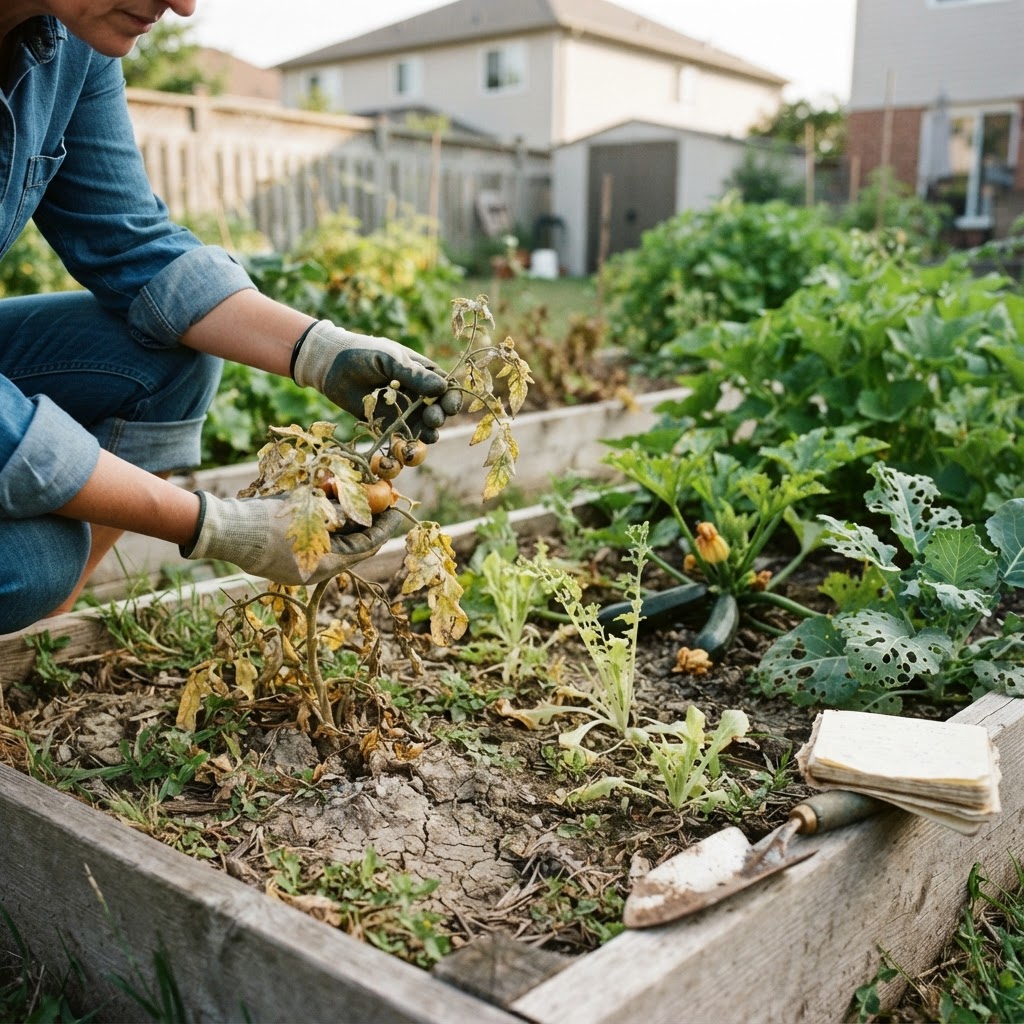
Vegetable Garden Failures: How to Fix Common Problems
Discover how to diagnose and resolve common vegetable garden challenges using practical, science-based troubleshooting techniques to save your plants.
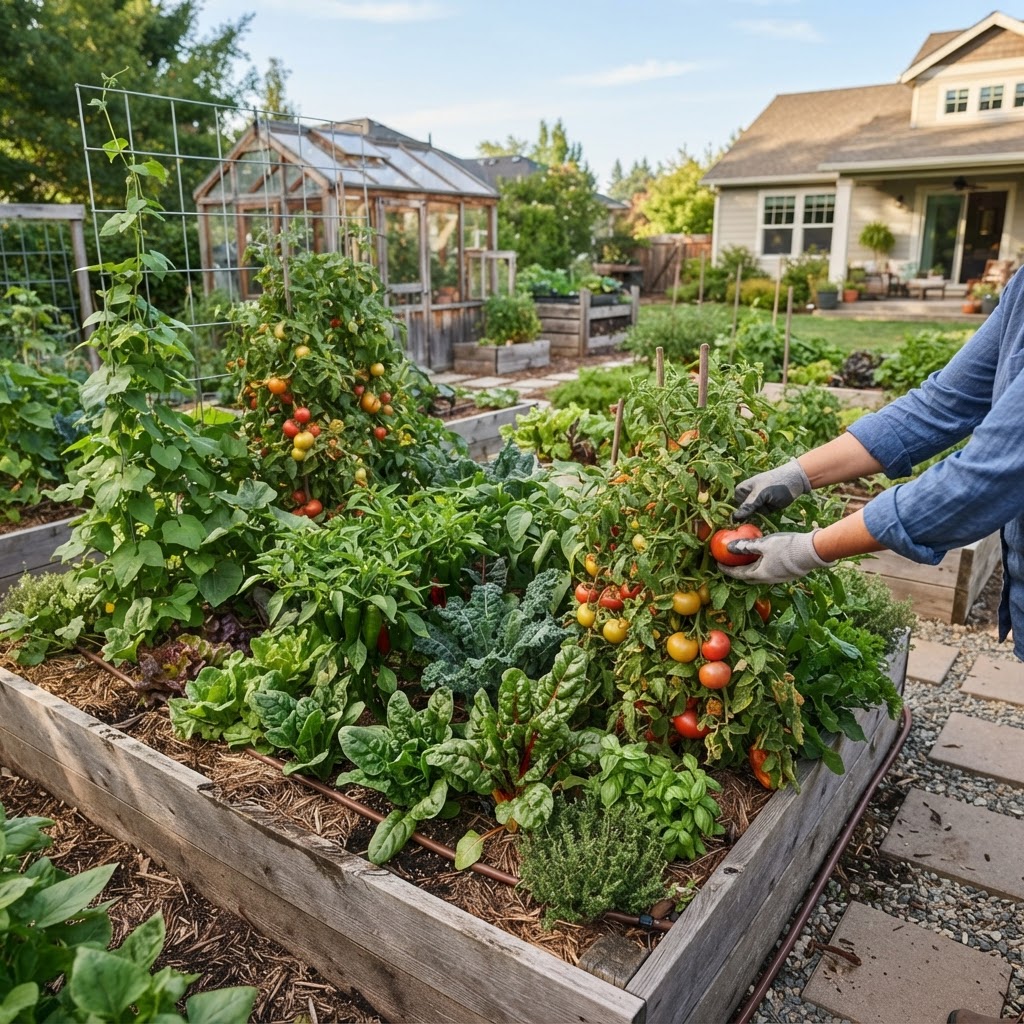
High Yield Vegetable Gardening: Advanced Methods for Success
Take your harvest to the next level by implementing intensive planting strategies, precision nutrient management, and data-driven garden planning techniques.
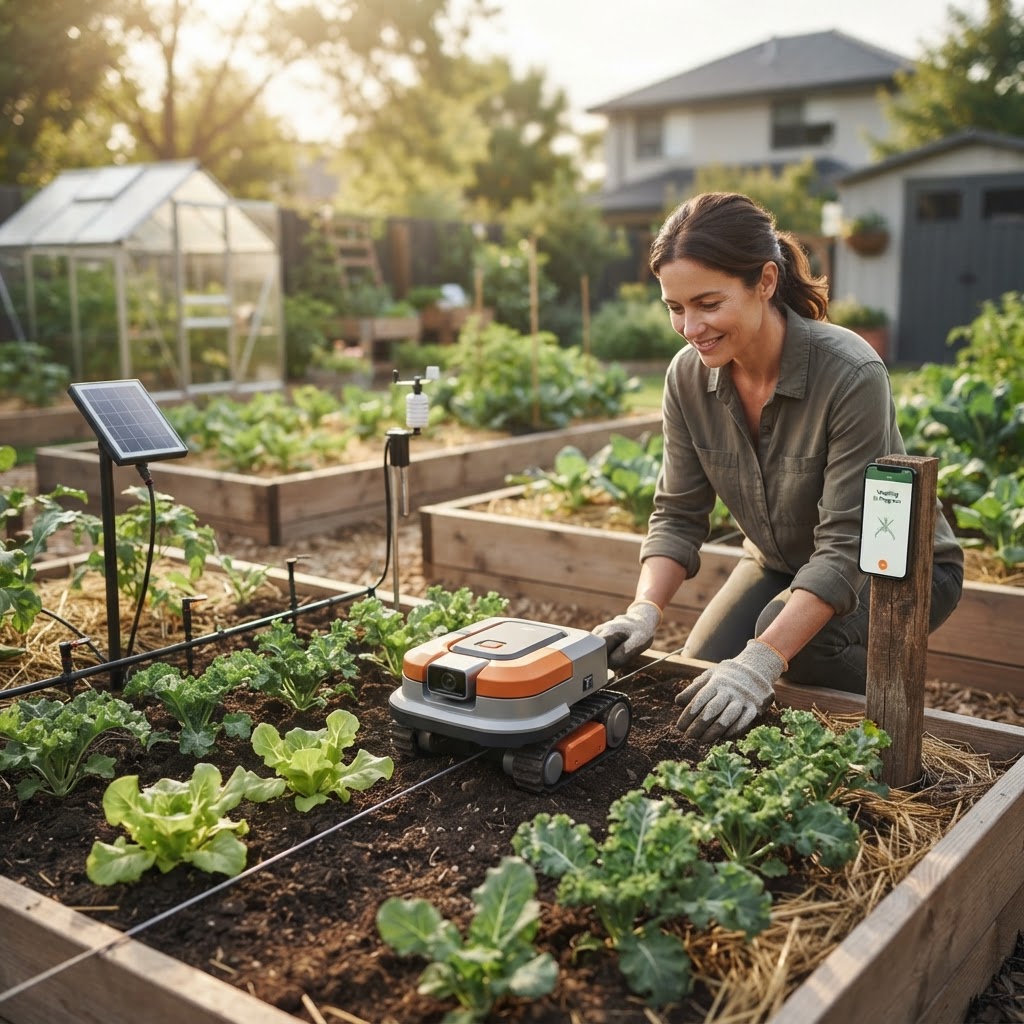
Automated Garden Tools for Beginners: A Complete Guide
Learn how to use smart technology to streamline your gardening chores without losing the joy of working in the soil. This guide covers the basics of garden automation for beginners.