
Gardening
Vegetable Garden Failures: How to Fix Common Problems
Discover how to diagnose and resolve common vegetable garden challenges using practical, science-based troubleshooting techniques to save your plants.
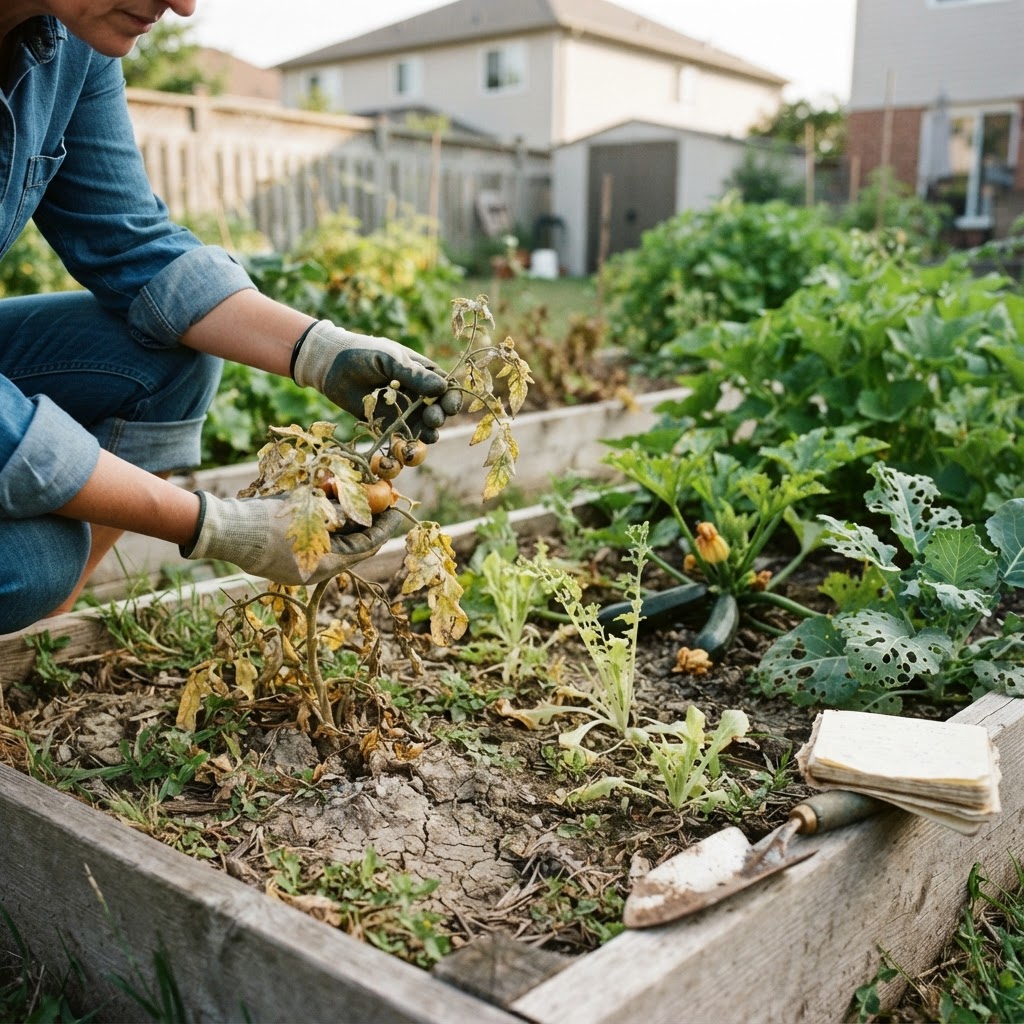
Every home gardener eventually encounters a season where things don't go as planned. From wilting leaves to stunted growth, vegetable garden failures can be incredibly discouraging. However, these challenges are often the best teachers. By adopting a diagnostic mindset and viewing the garden as a system, you can test-query-improved your approach to solve issues at the root rather than guessing. This guide is designed to help you troubleshoot your plants like a professional, moving away from frustration and toward informed cultivation.
Why Vegetable Gardens Fail: Understanding the Basics
Gardening is an exercise in environmental management. When vegetables fail, it is rarely due to a single "black thumb" but rather a mismatch between the plant’s requirements and its current environment. Success begins with understanding the basics: sunlight, water, soil health, and pest management. When these elements are out of balance, the plant becomes stressed, making it susceptible to disease and insect damage.
Before you jump to conclusions, take a moment to observe. Is the issue affecting one specific plant or the entire patch? Are there signs of structural damage, or is it a systemic physiological issue? Developing this "garden detective" habit is the most effective way to troubleshoot your garden plants and ensure long-term productivity.
Stay Informed: Want to receive more expert-led troubleshooting tips delivered straight to your inbox? Subscribe to the Home Garden newsletter for seasonal advice, soil care hacks, and more.
Identifying Signs of Soil Nutrient Deficiencies
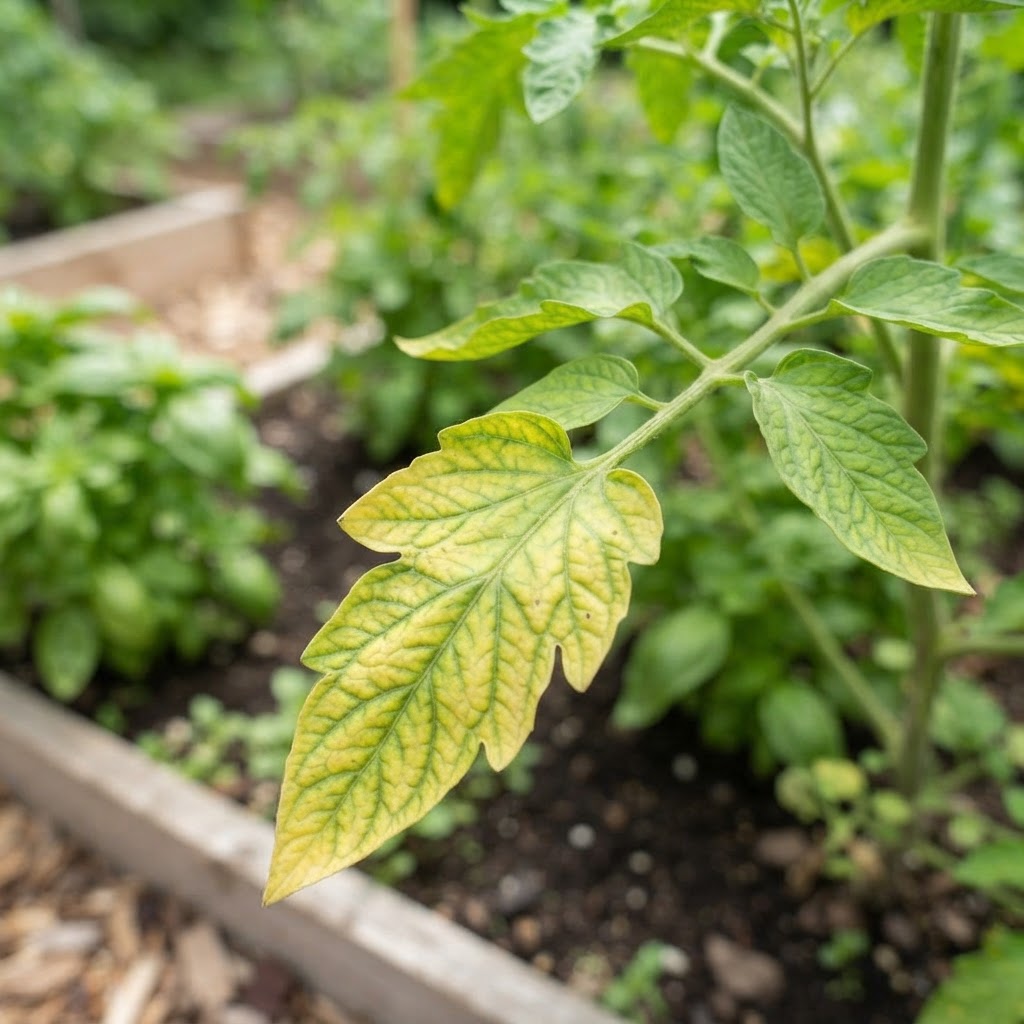
Soil is the foundation of any vegetable garden. If your plants are showing yellowing leaves, stunted growth, or poor fruit set, you may be dealing with a nutrient deficiency. While nitrogen, phosphorus, and potassium are the primary macronutrients, plants also require micronutrients to thrive.
A common sign of nutrient deficiency includes chlorosis, or the yellowing of leaves. If the older, lower leaves are yellowing, it often suggests a nitrogen deficiency, as the plant is moving nitrogen to newer growth. Conversely, if newer leaves are yellow, it may indicate a lack of iron or other micronutrients. Always refer to our garden soil amendment guide before adding fertilizers, as over-application can burn roots and disrupt beneficial soil life.
Common Watering Mistakes and How to Correct Them
Water is the medium through which nutrients travel. Managing it effectively is the single most important aspect of vegetable garden care. Misjudging the volume or frequency of irrigation leads to most plant failures.
Overwatering vs. Underwatering Symptoms
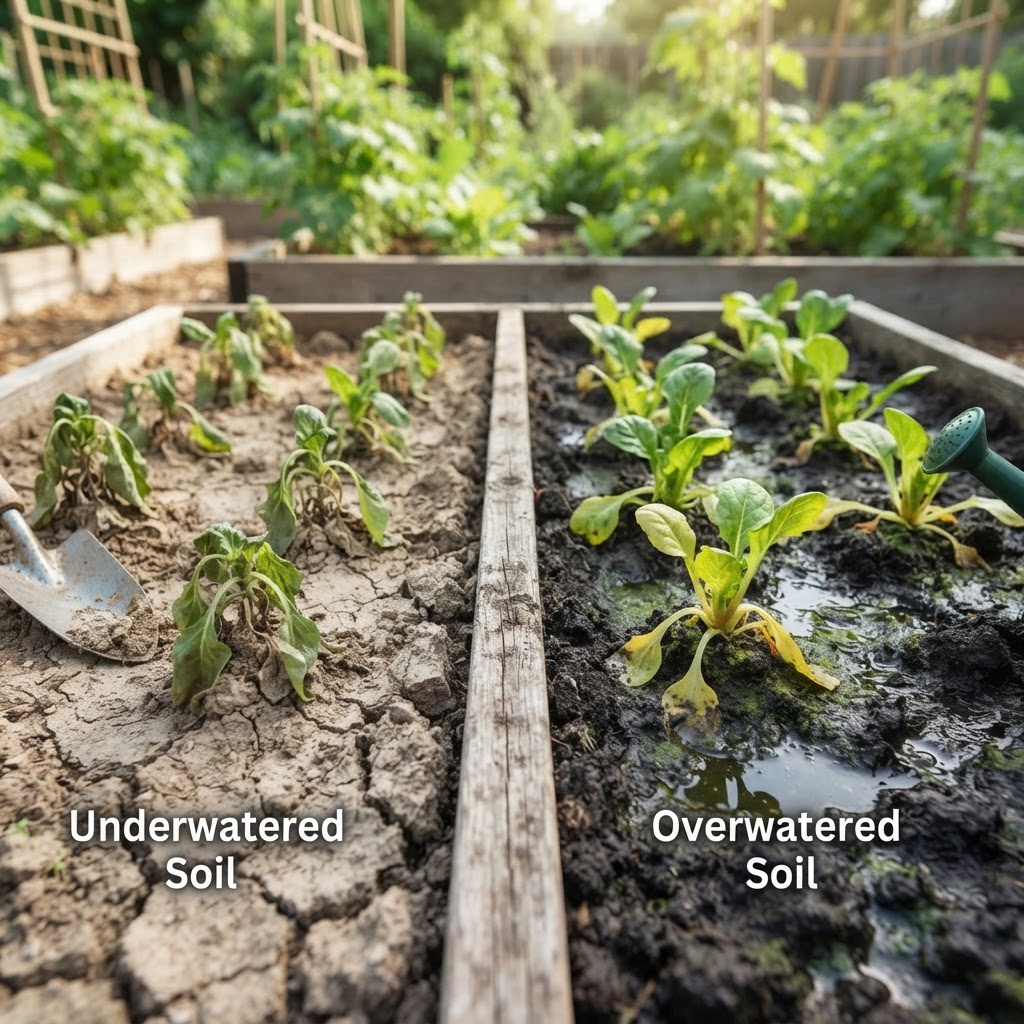
It is surprisingly easy to confuse the symptoms of overwatering and underwatering. Both often present as wilted leaves, but the context reveals the truth. Underwatered plants usually look dry, crisp, and will perk up quickly after a thorough watering. Overwatered plants, however, often show signs of "wet wilt" where the leaves look limp, yellow, or even develop brown spots caused by root rot. If you press your finger into the soil and it feels soggy or swampy, the roots are struggling to breathe, and you must pause irrigation and improve drainage.
Pest and Disease Control: When to Intervene
Once you have addressed the environmental factors, look toward biological threats. Identifying common garden pests and diseases is a critical step in maintaining a healthy plot.
Identifying Common Garden Pests
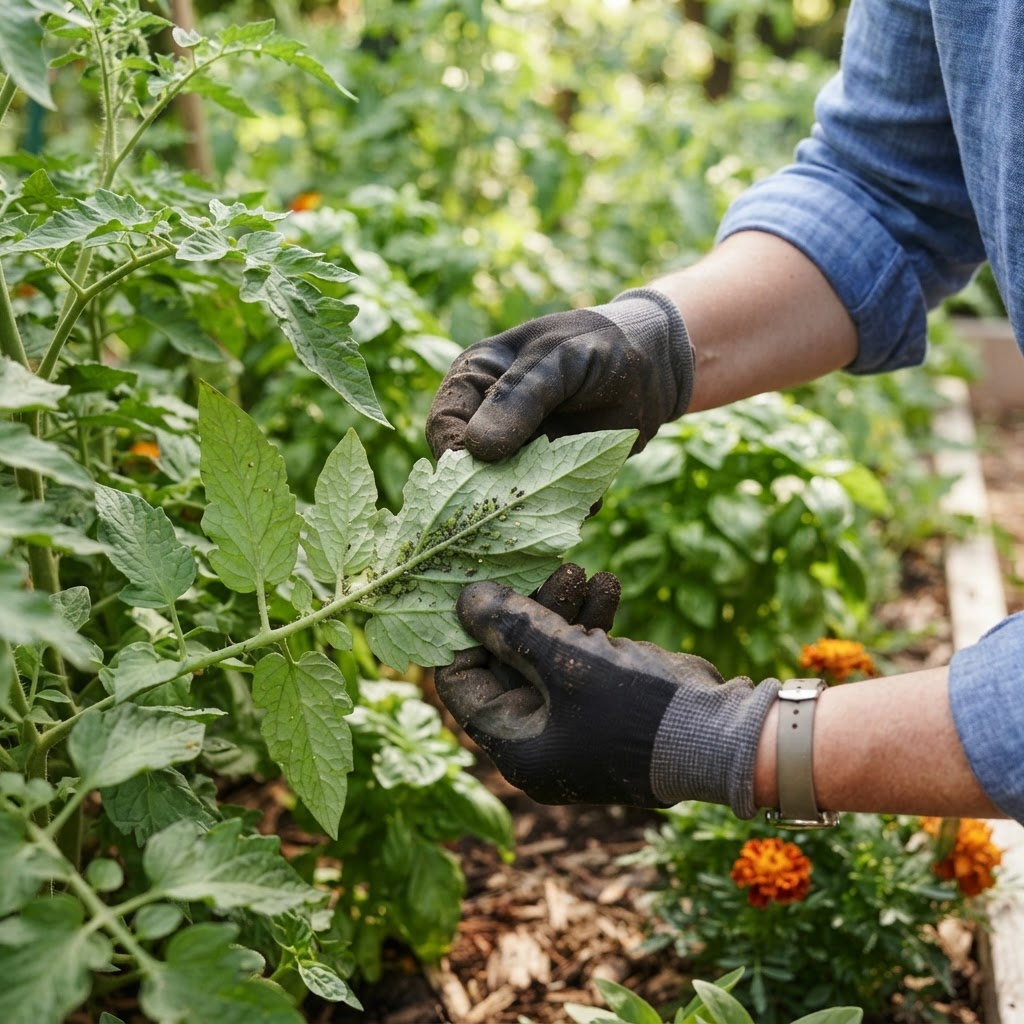
Insects are a natural part of any ecosystem, but they become pests when they destroy your potential harvest. Look for physical signs: chewed leaf margins, holes in the center of leaves, sticky residue, or visible insects on the undersides of foliage. Use natural pest control methods to mitigate damage before resorting to heavy intervention. Integrated Pest Management (IPM) focuses on monitoring and prevention first.
Preventing Fungal Infections in Vegetables
Fungal issues, such as powdery mildew or blight, thrive in high-humidity and poor-airflow environments. To prevent these, always water at the base of the plant, avoiding the foliage, and ensure proper spacing between plants to encourage circulation.
Environmental Stress: Sunlight and Temperature Issues
Even with perfect soil and water, plants can fail if they are in the wrong place. Vegetables have specific thermal requirements. Cool-weather crops like lettuce and kale will bolt (go to seed) prematurely in the heat, while warm-weather crops like tomatoes and peppers will simply refuse to grow in cold soil. Always consult local climate maps to understand your growing season duration.
Creating a Garden Maintenance Schedule
Consistency is the antidote to garden failures. A weekly walk-through to check for water needs, pest activity, and soil moisture will allow you to catch issues before they become terminal. Treat your garden like a living project, and you will find that most problems are easily solved with observation and timely adjustments.
Ready to master your plot? Sign up for our newsletter to get monthly checklists and expert gardening insights sent to your inbox!
Sources
- #troubleshooting
- #garden health
- #vegetable care
- #organic gardening
Related Articles
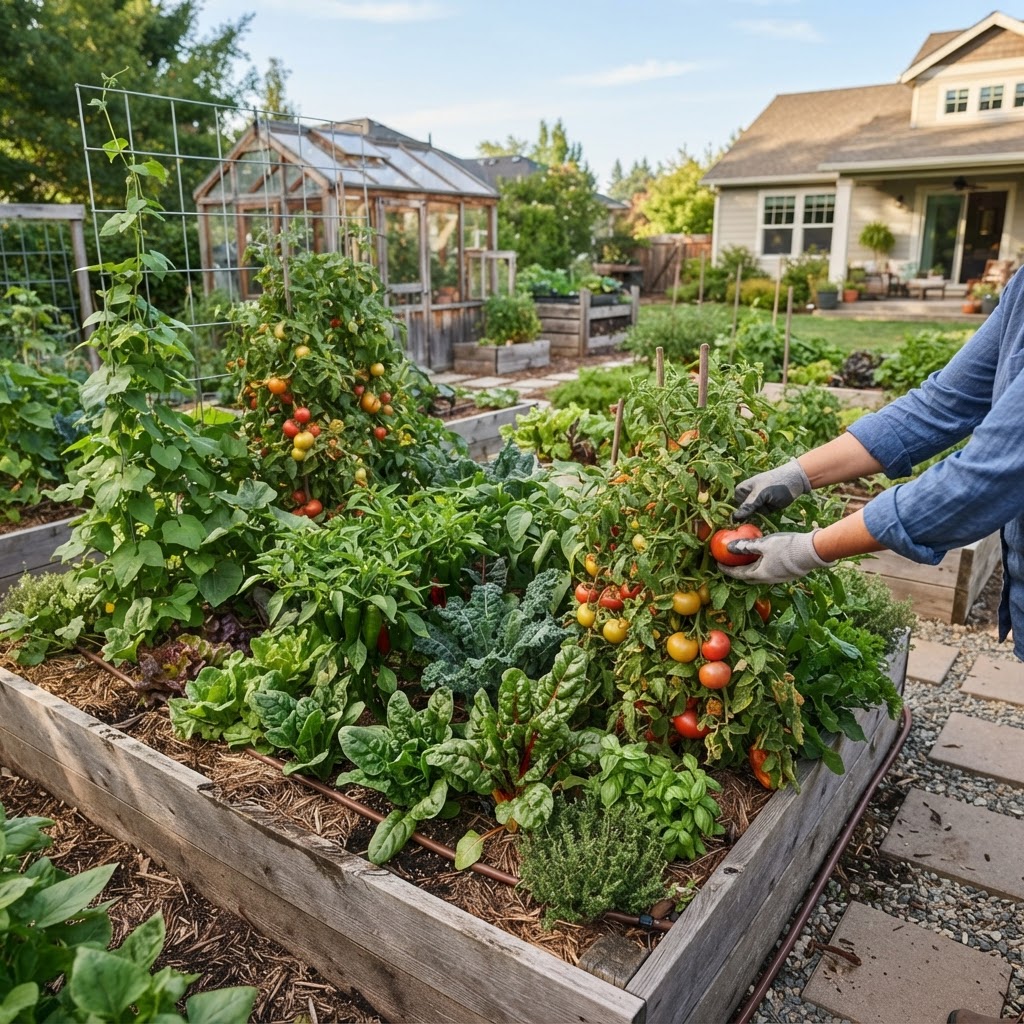
High Yield Vegetable Gardening: Advanced Methods for Success
Take your harvest to the next level by implementing intensive planting strategies, precision nutrient management, and data-driven garden planning techniques.
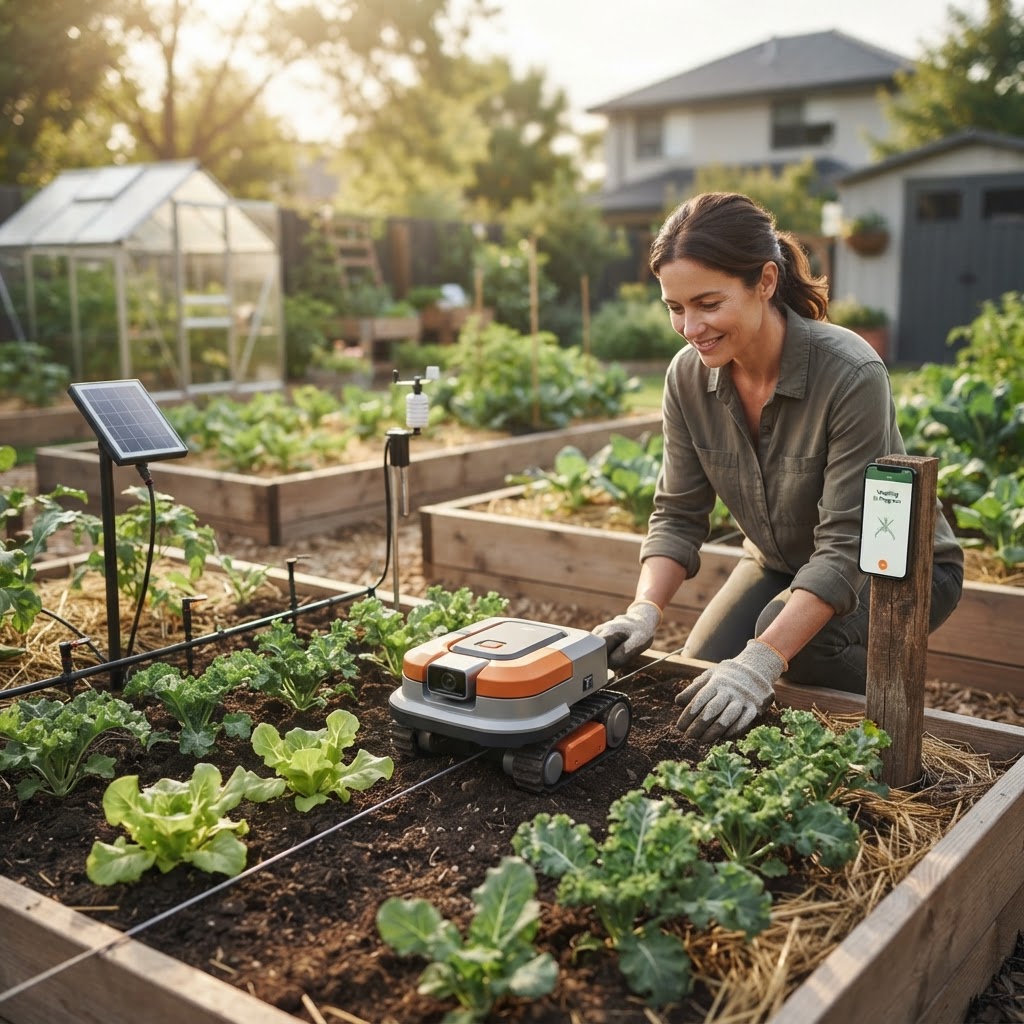
Automated Garden Tools for Beginners: A Complete Guide
Learn how to use smart technology to streamline your gardening chores without losing the joy of working in the soil. This guide covers the basics of garden automation for beginners.
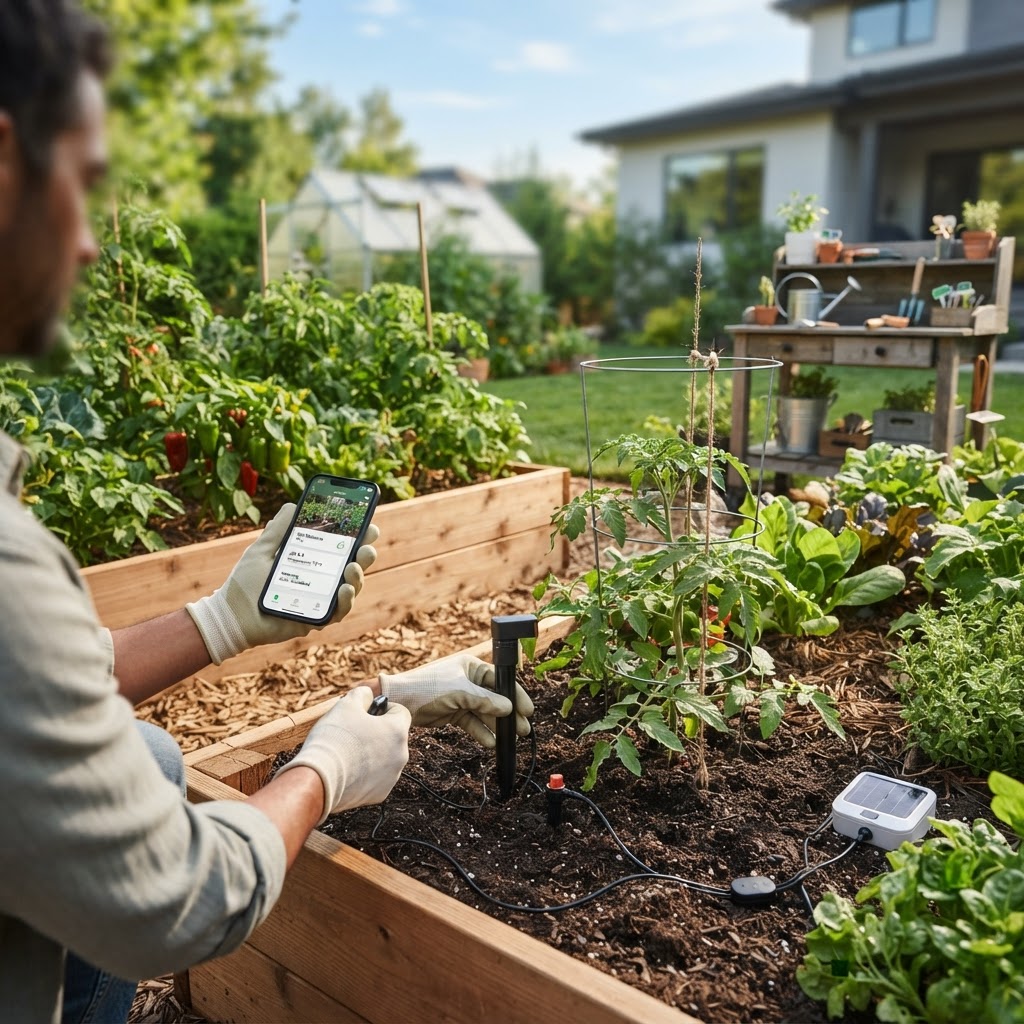
How to Use Garden Technology to Grow Better Vegetables
Learn how integrating modern garden technology can simplify your daily chores and improve the overall health and yield of your home vegetable garden.