Gardening
High Yield Vegetable Gardening: Advanced Methods for Success
Take your harvest to the next level by implementing intensive planting strategies, precision nutrient management, and data-driven garden planning techniques.
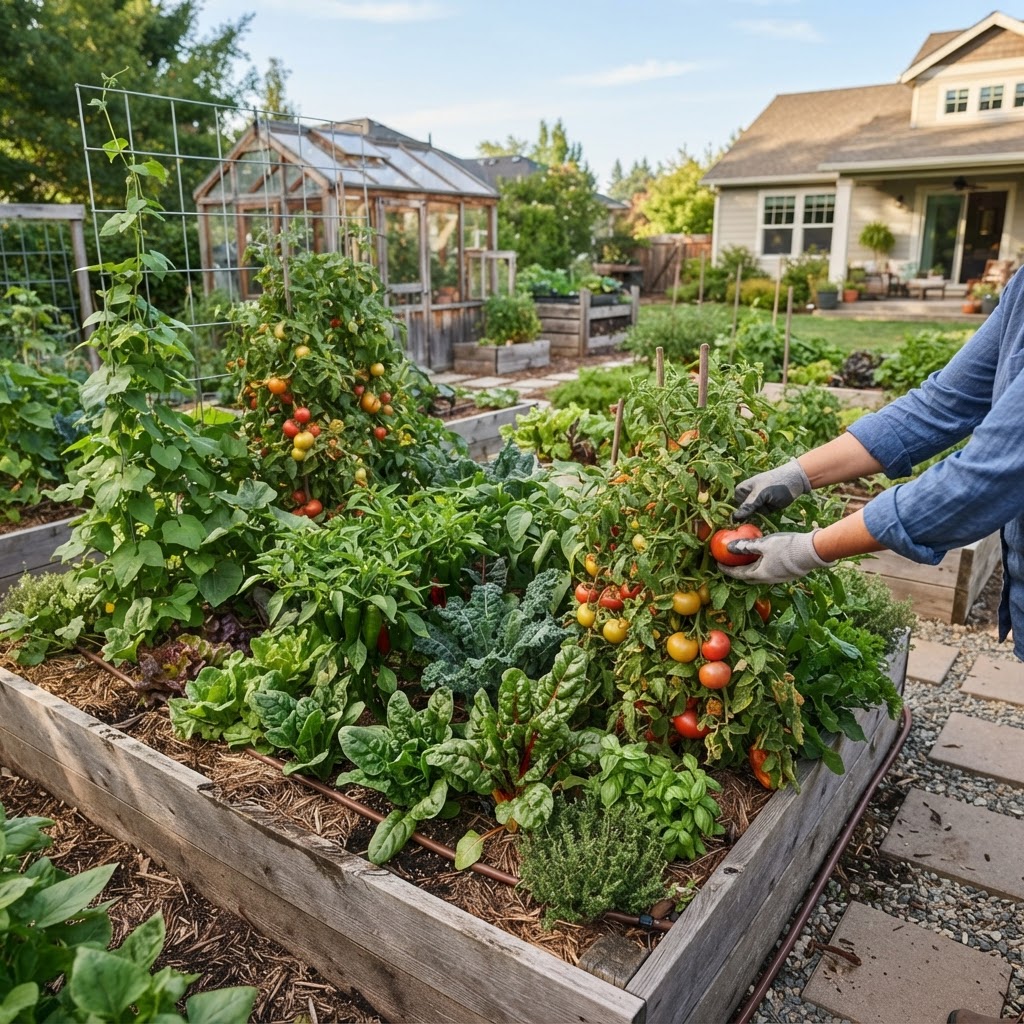
For the intermediate gardener, the transition from basic survival to high yield vegetable gardening is marked by a shift in mindset: moving from simply growing plants to managing a highly productive ecosystem. High yield gardening is not about expanding your physical footprint, but about maximizing the biological output of every square inch of soil through precision and planning.
The Fundamentals of High-Yield Gardening
High yield production relies on the principle of limiting factors. In any given patch of soil, your harvest is restricted by the least available resource—be it water, nitrogen, space, or sunlight. To achieve maximum yields, you must identify and eliminate these bottlenecks.
Successful growers view their garden as a factory. This requires meticulous planning, often utilizing a vegetable seasonal planting calendar to ensure the ground is never left bare. When one crop finishes, another should be waiting in the wings. This efficiency is the cornerstone of high production garden layouts.
Intensive Planting Techniques
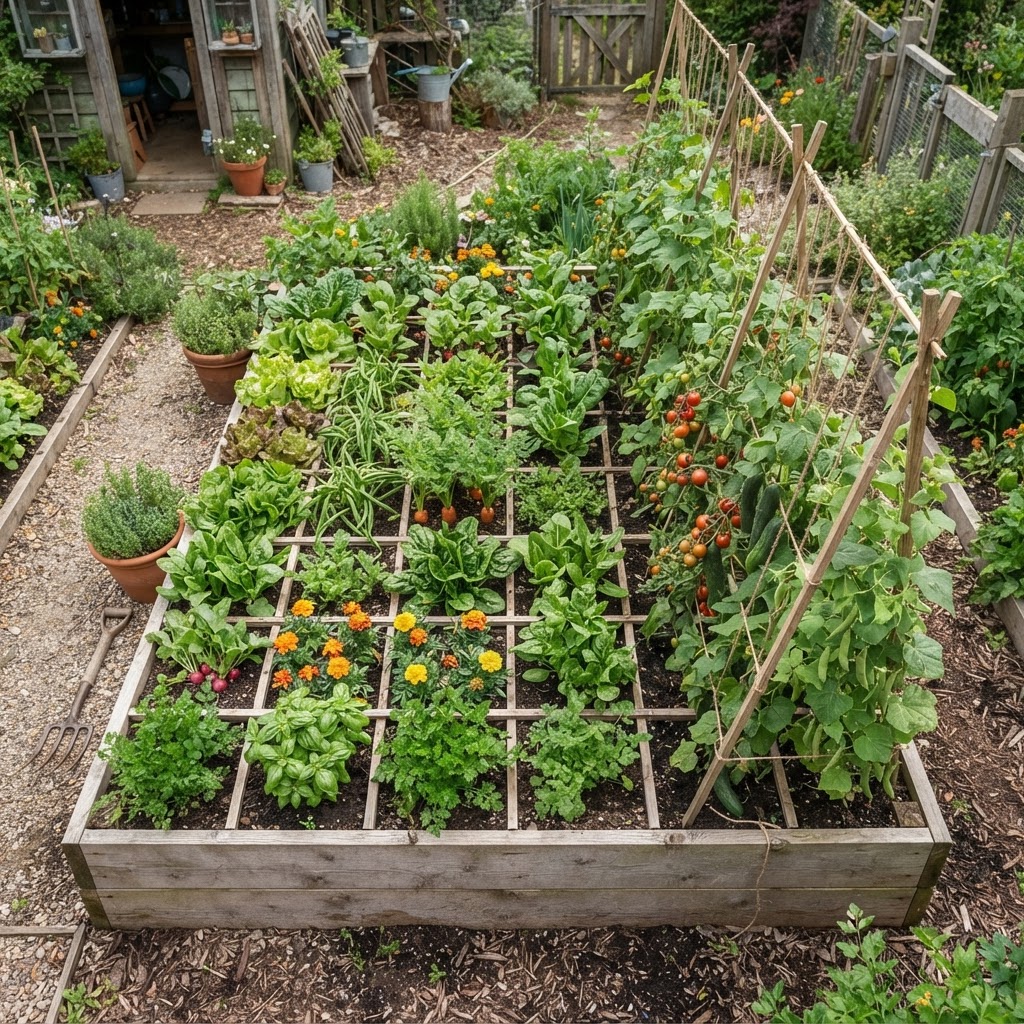
Intensive planting reduces the distance between plants to the absolute biological minimum, creating a living mulch that suppresses weeds and retains soil moisture while significantly increasing harvest density.
Square Foot Gardening and Vertical Growth
Square foot gardening allows for precise control over plant spacing, ensuring each plant has exactly what it needs without wasting space. When combined with vertical growth, you essentially double your usable acreage. Trellising vining crops—such as pole beans, cucumbers, and indeterminate tomatoes—lifts them off the ground, improves airflow, and makes harvesting easier, which reduces damage to the plants.
Succession Planting Strategies
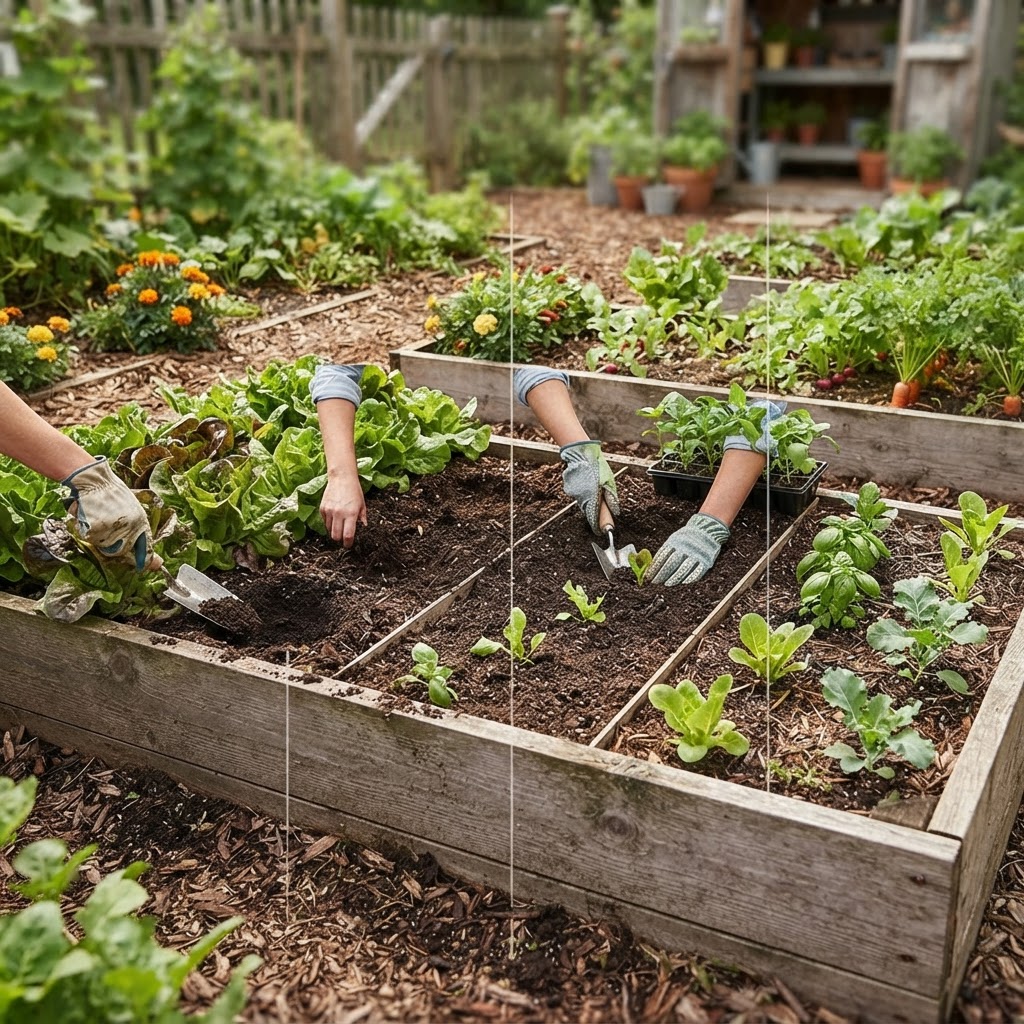
Succession planting is the secret to a continuous, high-volume harvest. Instead of planting an entire row of lettuce at once, plant a small section every two weeks. This prevents the 'glut and famine' cycle, where you are overwhelmed by produce one week and left with nothing the next. By timing your crops so that fast-growing plants follow slower-maturing ones, you keep the soil productive throughout the entire growing season.
Optimizing Soil Health for Superior Harvests
The soil is the engine of your garden. High yields demand high biological activity. You can learn more about best organic soil amendments for vegetables to ensure your soil structure supports heavy feeding plants. Utilizing compost and mycorrhizal fungi helps build soil structure, which improves water retention and nutrient bioavailability. High-production gardening often requires supplemental feeding, but this should always be done based on actual soil tests rather than guesswork.
Precision Watering and Nutrient Management
Efficiency in irrigation is crucial. Drip irrigation systems deliver water directly to the root zone, reducing evaporation and keeping foliage dry to minimize disease risk. Pairing this with a fertigation strategy—where liquid organic fertilizers are delivered through the irrigation system—ensures that nutrients are available exactly when the plant needs them most, particularly during fruit set.
Advanced Pest and Disease Mitigation
In a high-density garden, pests and diseases can spread quickly. Preventive measures are more effective than reactive ones. Implementing integrated pest management (IPM) strategies, such as physical barriers, encouraging beneficial insects, and practicing rigorous crop rotation, keeps the garden healthy. Check out our guide on how to manage common garden pests naturally to build your defensive strategy.
Tracking Your Progress for Seasonal Improvement
The most advanced gardeners are also the most diligent record-keepers. By tracking planting dates, harvest weights, and specific varieties that performed well in your microclimate, you create a data set that allows you to refine your strategy each year. This seasonal improvement is what separates casual gardeners from true high-yield practitioners.
Sources
- #high yield
- #intensive planting
- #organic gardening
- #garden efficiency
Related Articles
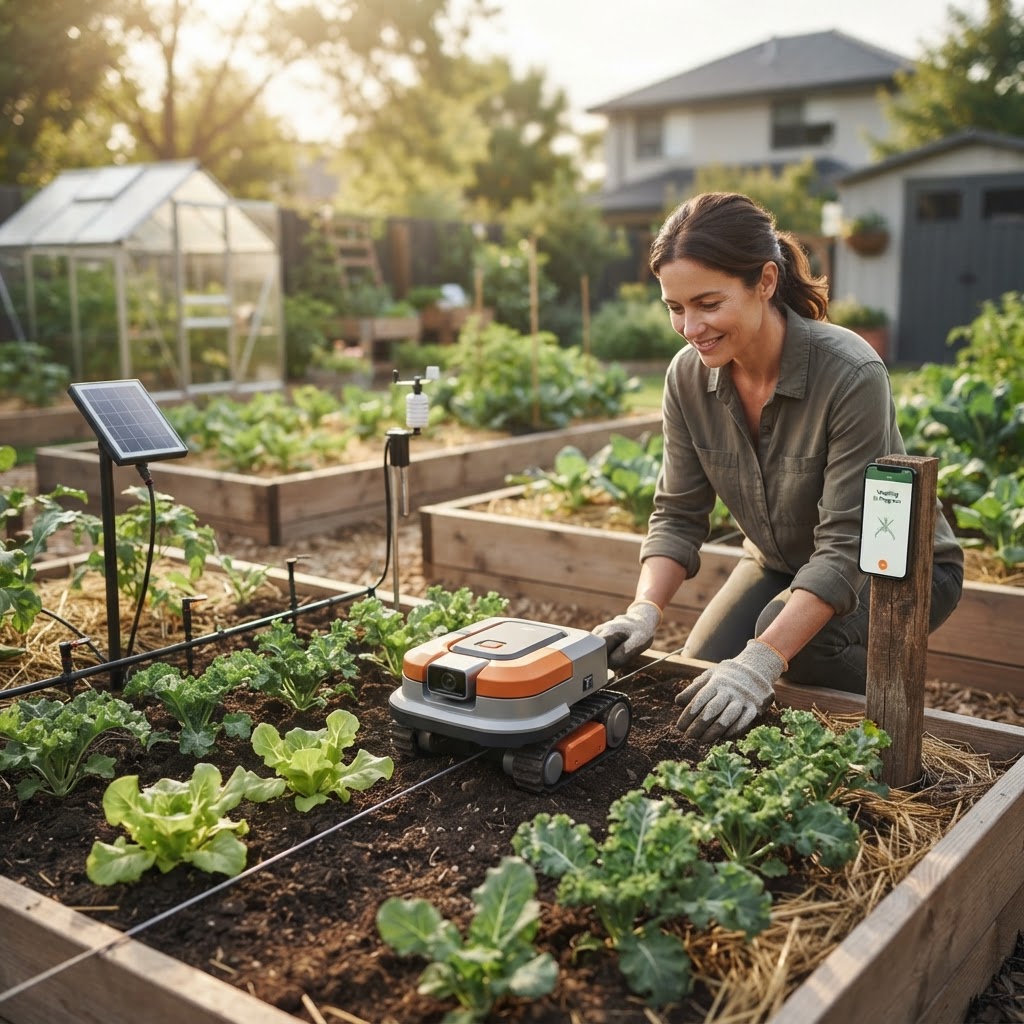
Automated Garden Tools for Beginners: A Complete Guide
Learn how to use smart technology to streamline your gardening chores without losing the joy of working in the soil. This guide covers the basics of garden automation for beginners.
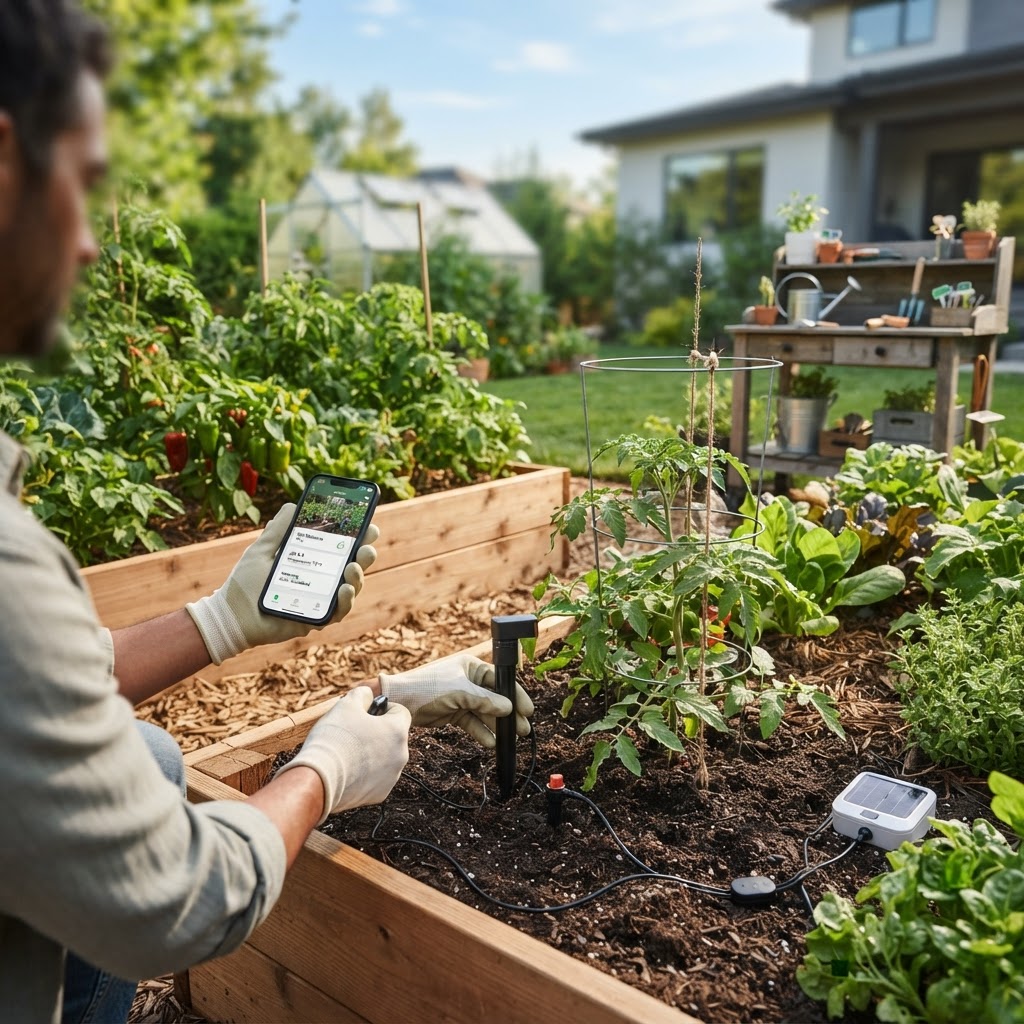
How to Use Garden Technology to Grow Better Vegetables
Learn how integrating modern garden technology can simplify your daily chores and improve the overall health and yield of your home vegetable garden.
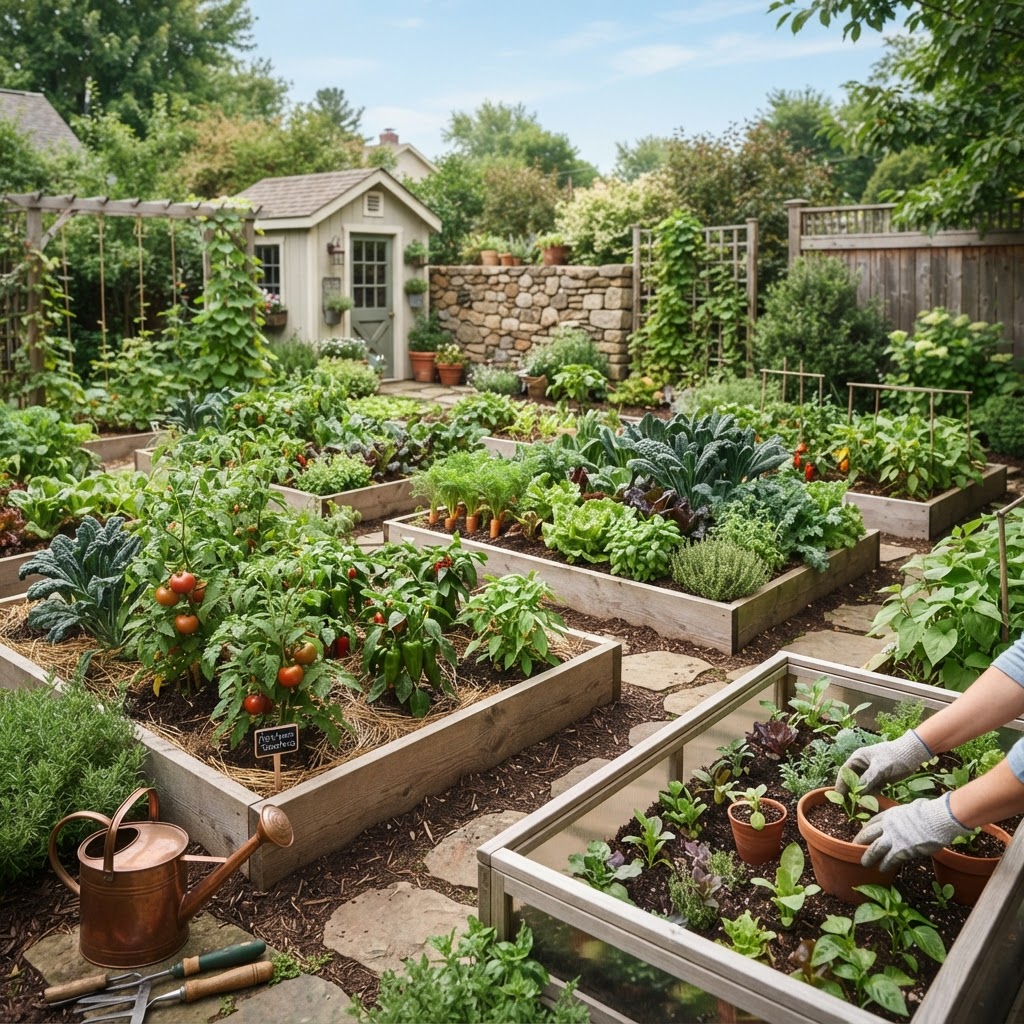
Understanding Garden Zones and Microclimates for Growth
Take your vegetable garden to the next level by learning how to identify and manage the unique microclimates within your landscape. This guide helps you work with your environment rather than against it.