
Gardening
Successional Planting: How to Maximize Your Garden Harvest
Learn how to transform your vegetable garden with successional planting, a strategic approach that ensures a steady supply of fresh produce from spring through fall.
What Is Successional Planting?
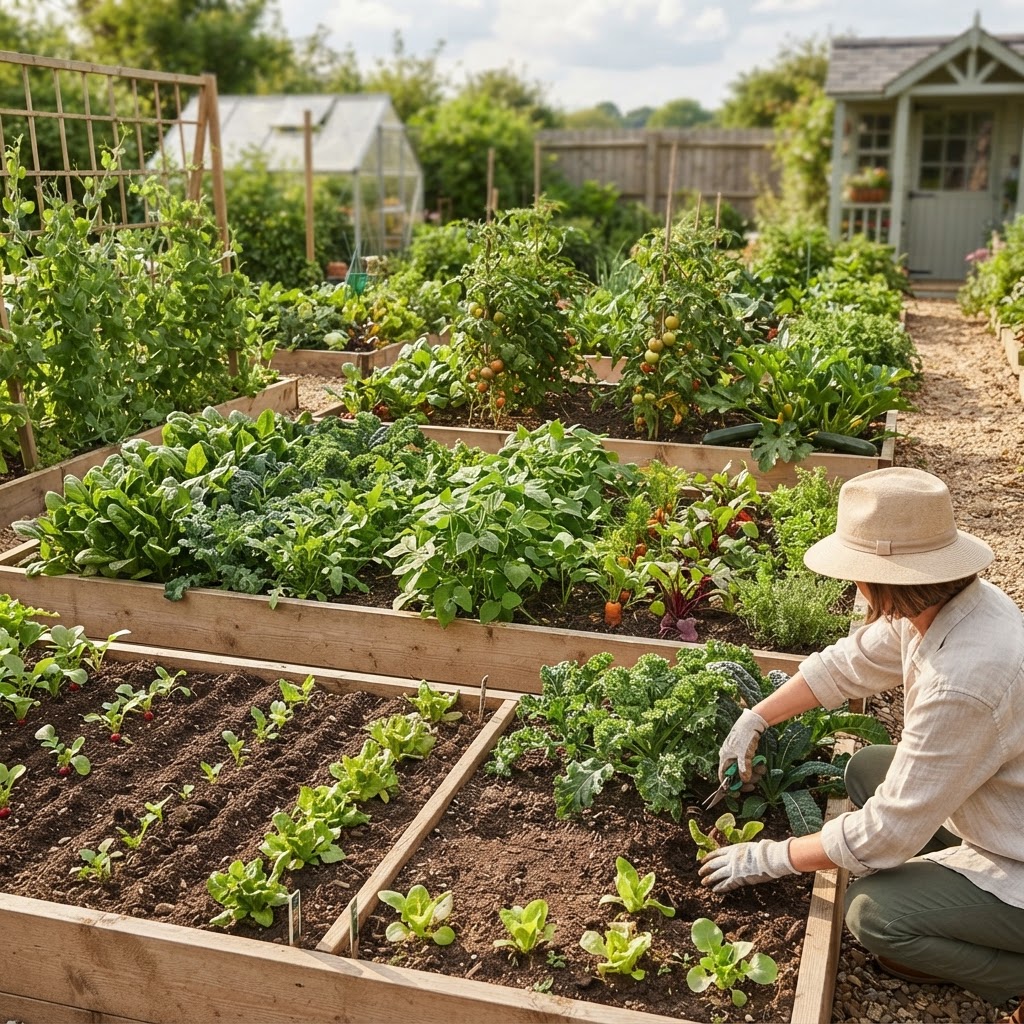
Successional planting is the practice of planting crops at specific, staggered intervals throughout the growing season, rather than sowing an entire bed at once. For many home gardeners, the default habit is to plant all seeds during the first warm days of spring. While this leads to a flurry of activity in May, it often results in an overwhelming 'glut' of produce—where everything ripens at the same time—followed by a barren garden for the rest of the year. Successional planting breaks this cycle by creating a continuous, manageable stream of fresh vegetables.
The Benefits of Continuous Harvesting
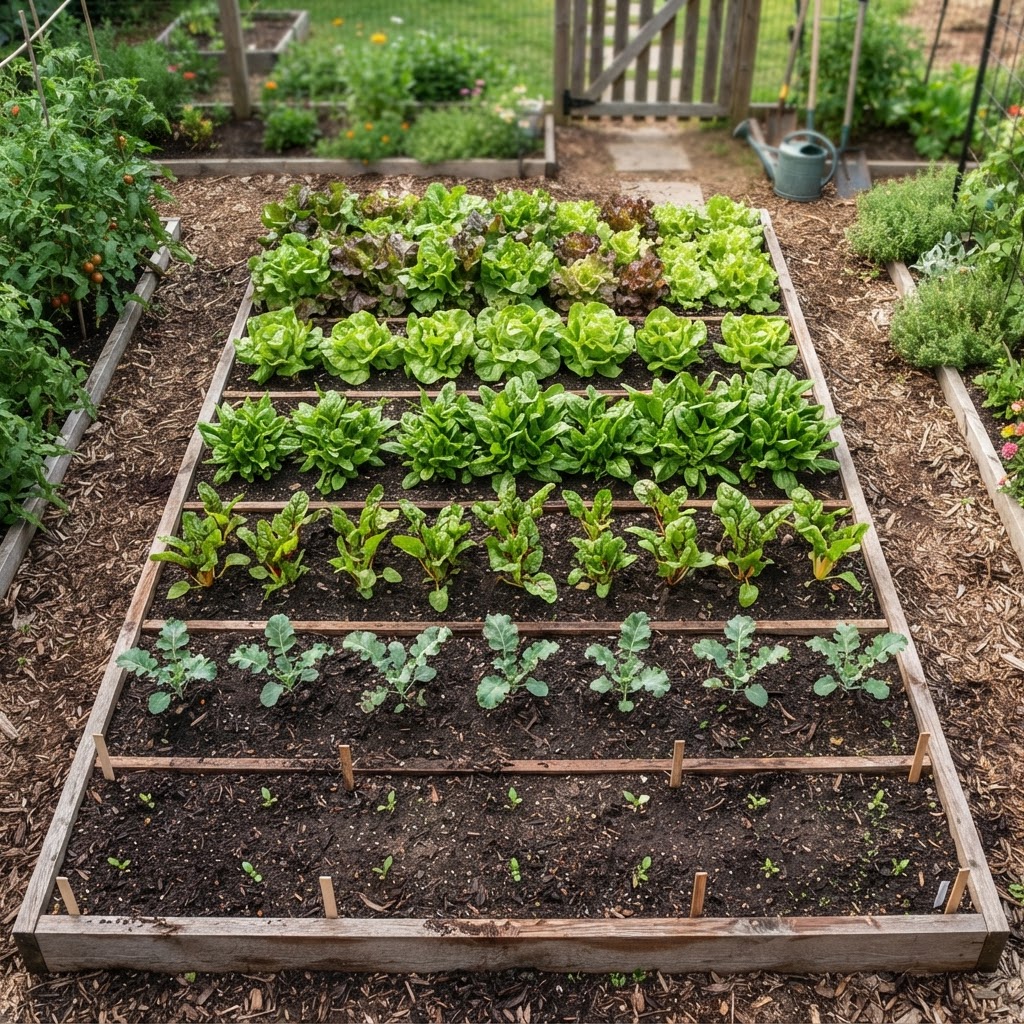
The primary benefit of this technique is the extension of your harvest window. Instead of harvesting twenty heads of lettuce in one week, you might harvest three or four heads every week for two months. This reduces waste, minimizes the need for drastic preservation methods like canning or freezing in a single weekend, and ensures your kitchen always has access to fresh ingredients. Furthermore, it keeps the garden active, as you are constantly transitioning from one crop to another, which helps suppress weeds and keeps the soil covered.
Core Techniques for Successional Planting
Sowing at Intervals
The simplest method is 'relay planting' or sowing in waves. For fast-growing crops like radishes, arugula, or cilantro, you can sow a new row every two weeks. By the time you harvest the first row, the second is well on its way, and the third is just germinating. This ensures you never run out of your favorite salad greens.
Using Different Varieties
Many vegetable varieties are bred for different maturity dates. You can select 'early,' 'mid-season,' and 'late' varieties of the same crop—such as tomatoes or corn—and plant them simultaneously. The early varieties will ripen first, followed naturally by the mid-season and late types, providing a seamless transition without the need for additional planting sessions.
Succession via Transplants vs. Direct Sowing
Using transplants is an effective way to 'cheat' the growing season. While some crops like carrots must be direct-sown, others like broccoli, kale, or cabbage can be started indoors in trays. By having these seedlings ready to move into the garden the moment a previous crop is harvested, you lose zero downtime. This is particularly useful in mid-summer when you want to clear out spring peas and immediately fill the space with a fall crop of kale.
Choosing the Best Crops for Succession
Not all vegetables are created equal when it comes to succession. Focus on crops that have short 'days to maturity' metrics. Excellent candidates include: Leafy Greens: Lettuce, spinach, arugula, and Swiss chard.Root Vegetables: Radishes, beets, and carrots.Legumes: Bush beans and peas.Brassicas: Kale and bok choy.
Maintaining Soil Fertility Throughout the Season
Successional planting is intensive. Because you are constantly taking from the soil, you must return nutrients to it. Before replanting a row, clear out the previous plant debris and add a layer of finished compost or organic granular fertilizer. This replenishes the nitrogen and minerals that fast-growing leafy greens consume rapidly. Avoid leaving the soil bare; if you aren't ready to plant the next round, use a light mulch or a quick-growing cover crop to protect the soil structure.
Sample Planting Schedule for Your Region
Creating a timeline requires an understanding of your local last frost date. Start by identifying the number of days until the first frost in autumn. For example, if you want a fall harvest, calculate back from your first frost date using the 'days to maturity' listed on your seed packet. Many local university extension offices provide specific calendars that show exactly when to start your second or third rounds of summer crops.
Common Challenges and How to Avoid Them
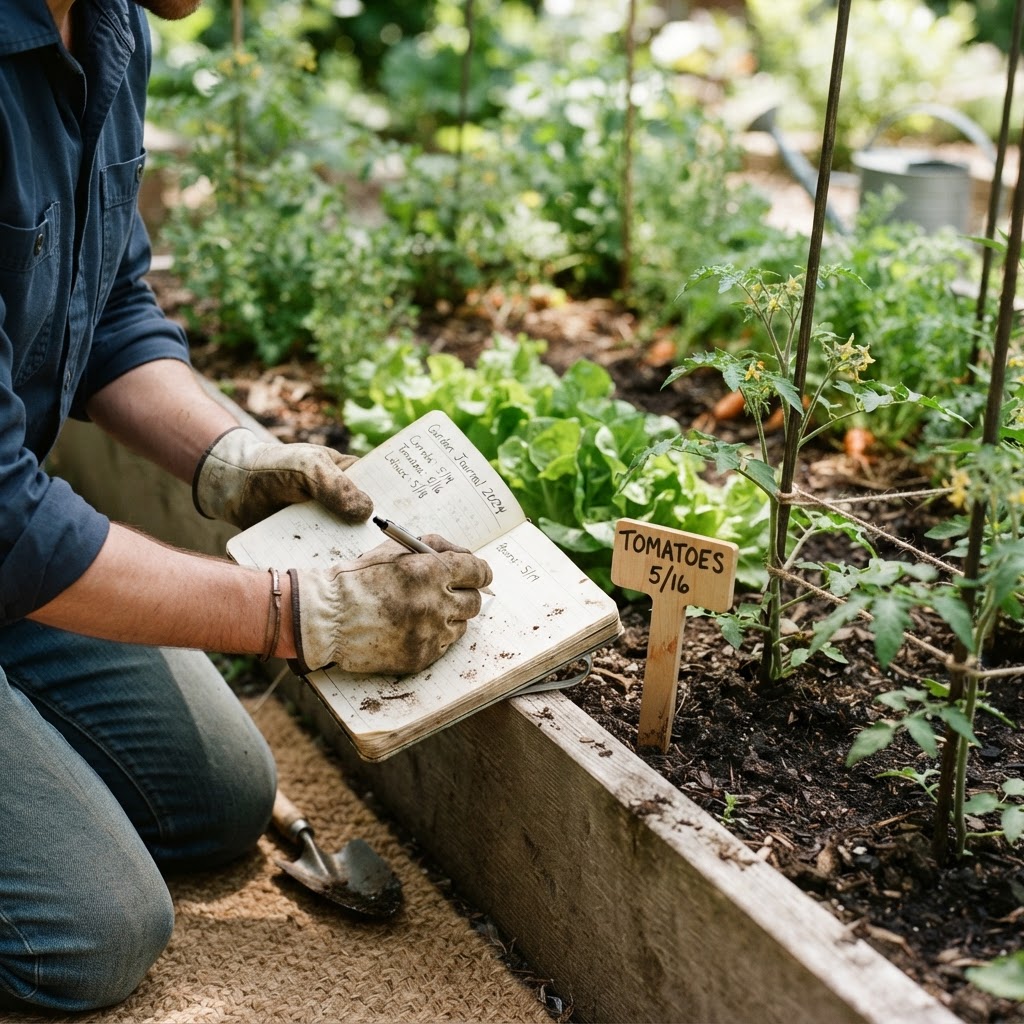
The biggest challenge is memory—keeping track of what you planted and when. Use garden markers or a digital log to track sowing dates. Another issue is heat; many spring crops like spinach will 'bolt' (go to seed) if planted too late in the summer. When succession planting into the heat of mid-summer, choose heat-tolerant varieties or provide shade cloth to ensure the plants thrive until the cooler autumn weather arrives.
Sources
- #successional planting
- #vegetable garden
- #harvest
- #organic gardening
- #garden planning
Related Articles
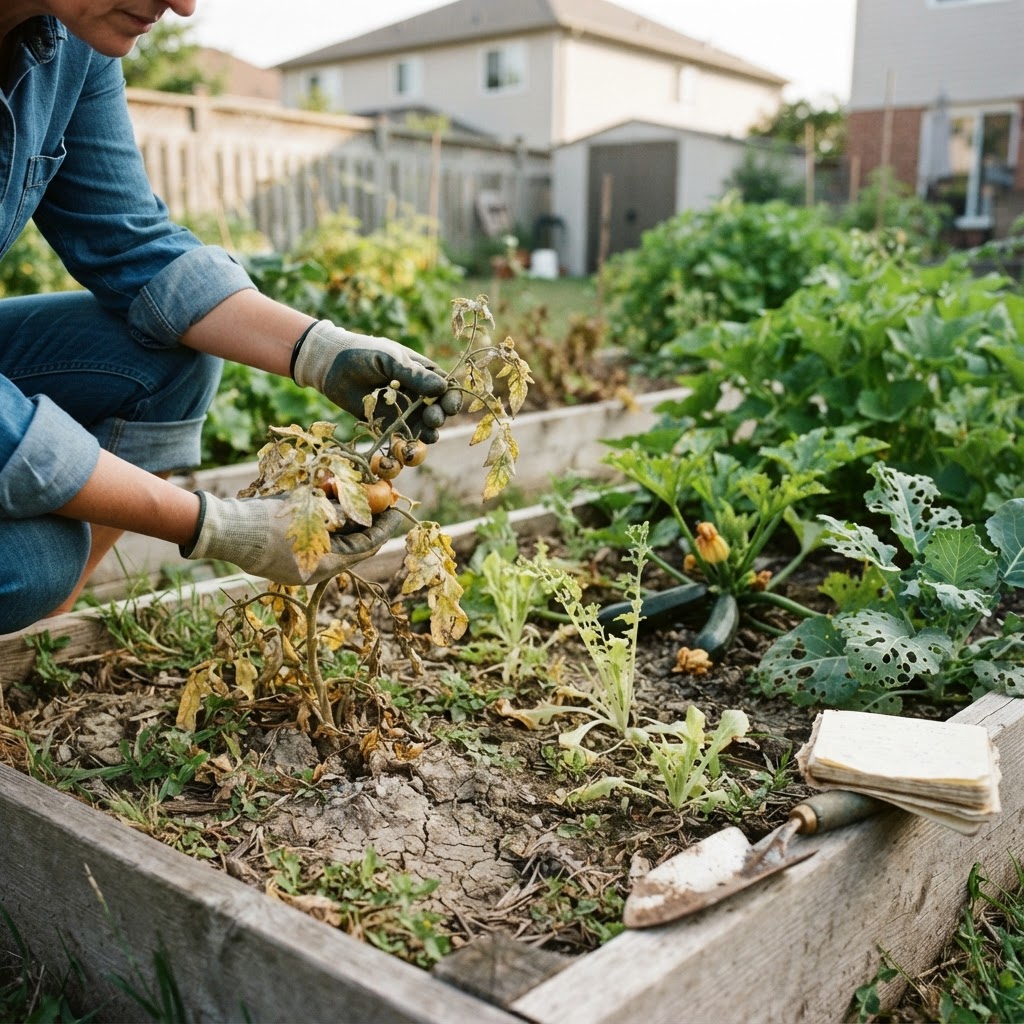
Vegetable Garden Failures: How to Fix Common Problems
Discover how to diagnose and resolve common vegetable garden challenges using practical, science-based troubleshooting techniques to save your plants.
High Yield Vegetable Gardening: Advanced Methods for Success
Take your harvest to the next level by implementing intensive planting strategies, precision nutrient management, and data-driven garden planning techniques.
Automated Garden Tools for Beginners: A Complete Guide
Learn how to use smart technology to streamline your gardening chores without losing the joy of working in the soil. This guide covers the basics of garden automation for beginners.