
Gardening
Home Garden Optimization: 7 Tips for Maximum Growth
Transform your backyard into a high-performance garden by applying professional-grade agricultural principles. These seven optimization techniques will help you maximize your harvests season after season.
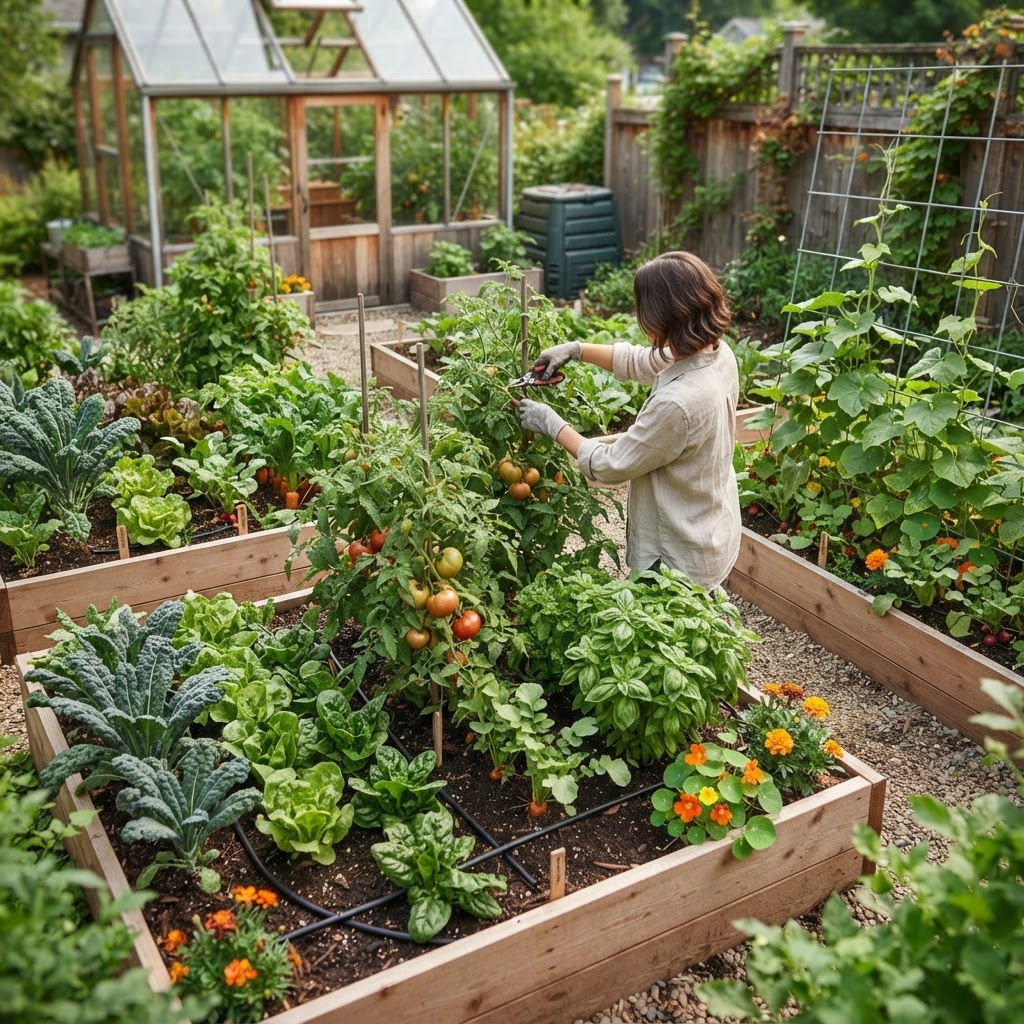
For many, gardening is a relaxing hobby. But for those looking to transform their backyard into a productive, high-yielding space, the transition from 'growing plants' to 'optimizing a system' is where the magic happens. Home garden optimization involves treating your plot as a complex ecosystem where every input—from water and soil amendments to plant placement—is managed to maximize output.
What is Home Garden Optimization?
Garden optimization is the practice of applying systematic, data-driven principles to your vegetable plot. Instead of relying on guesswork, you observe, record, and refine your processes to eliminate limiting factors. Whether you are aiming for larger heirloom tomatoes or a more consistent harvest of greens, optimization ensures that your garden operates at its peak potential.
Want more expert advice delivered to your inbox? Join our community of dedicated gardeners by signing up for our weekly newsletter for actionable planting strategies.
1. Soil Health: The Foundation of Productivity
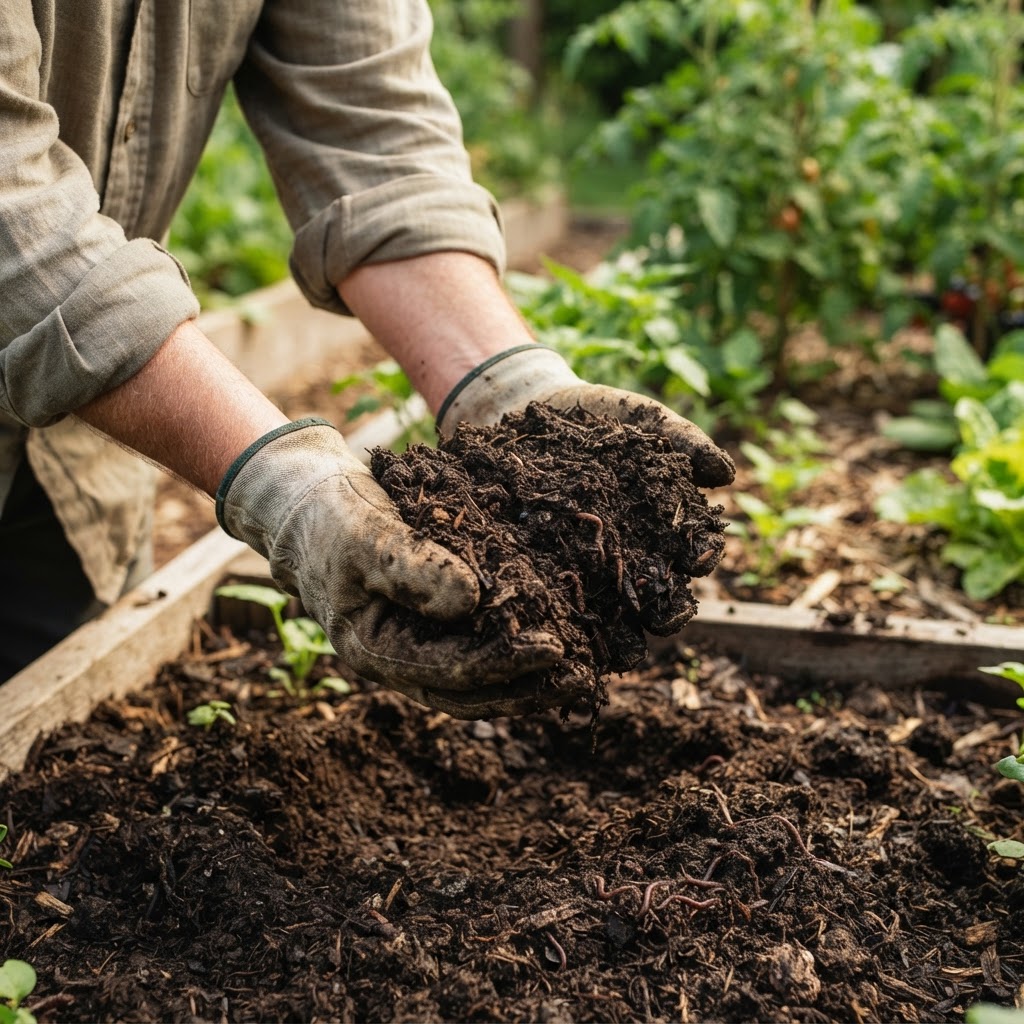
Soil is not merely a medium for roots; it is the engine of your garden. If your soil chemistry is off, no amount of sunshine or water can compensate for the lack of nutrient availability. High-performance gardens rely on soil that is rich in organic matter and balanced in pH.
Testing Your Soil pH and Nutrient Levels
To optimize your soil, you must first know its baseline. Testing your soil annually provides a roadmap for what to add. You can use home testing kits, but for the most accurate results, consider sending samples to a local agricultural extension service. They provide detailed reports on nitrogen, phosphorus, potassium, and pH levels, allowing you to amend your soil with precision rather than broad-spectrum fertilizers.
2. Strategic Irrigation Management
Inconsistent watering is a primary cause of blossom end rot, stunted growth, and stress in vegetable plants. Efficient irrigation means getting the right amount of water directly to the root zone at the right time. Drip irrigation systems or soaker hoses are far superior to overhead watering, as they reduce evaporation and prevent moisture-related fungal diseases on foliage.
3. Companion Planting and Space Utilization
Companion planting is more than folklore; it is a method of maximizing vertical and horizontal space while naturally managing pests. By pairing deep-rooted crops with shallow-rooted ones, or tall crops like corn with shade-tolerant ones like lettuce, you increase your yields per square foot. This practice also promotes biodiversity, which creates a more resilient garden environment.
4. Managing Sunlight and Microclimates
Your garden contains multiple microclimates. The north side of a wall stays cooler, while an asphalt path may radiate heat long after sunset. Mapping your garden's sunlight exposure throughout the day is essential. Optimize by placing sun-loving vegetables like peppers and tomatoes in high-light zones and saving cooler corners for leafy greens that might otherwise bolt in mid-summer heat.
5. Pest Prevention and Integrated Pest Management
Optimization requires a proactive, not reactive, approach to pests. Integrated Pest Management (IPM) focuses on prevention: using physical barriers like row covers, encouraging beneficial insects like ladybugs, and practicing early detection. By catching an infestation before it takes hold, you save the time and energy that would otherwise be spent on intensive salvage operations.
6. Seasonal Crop Rotation Techniques
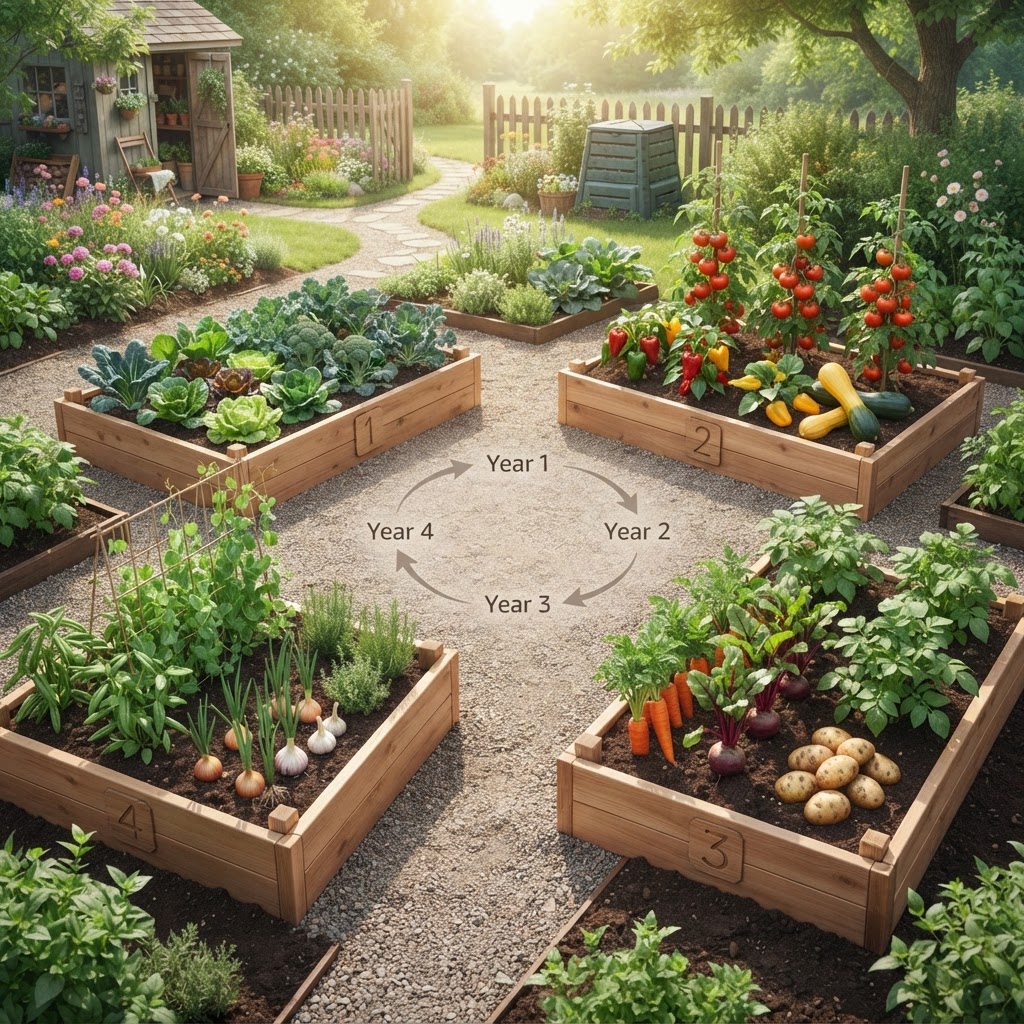
Continuous planting of the same family of vegetables in the same spot depletes specific nutrients and encourages soil-borne diseases. A structured rotation plan—moving crops like nightshades, legumes, and brassicas in a set cycle—maintains soil fertility and keeps the pest lifecycle broken.
7. Leveraging Data: Keeping a Gardening Journal
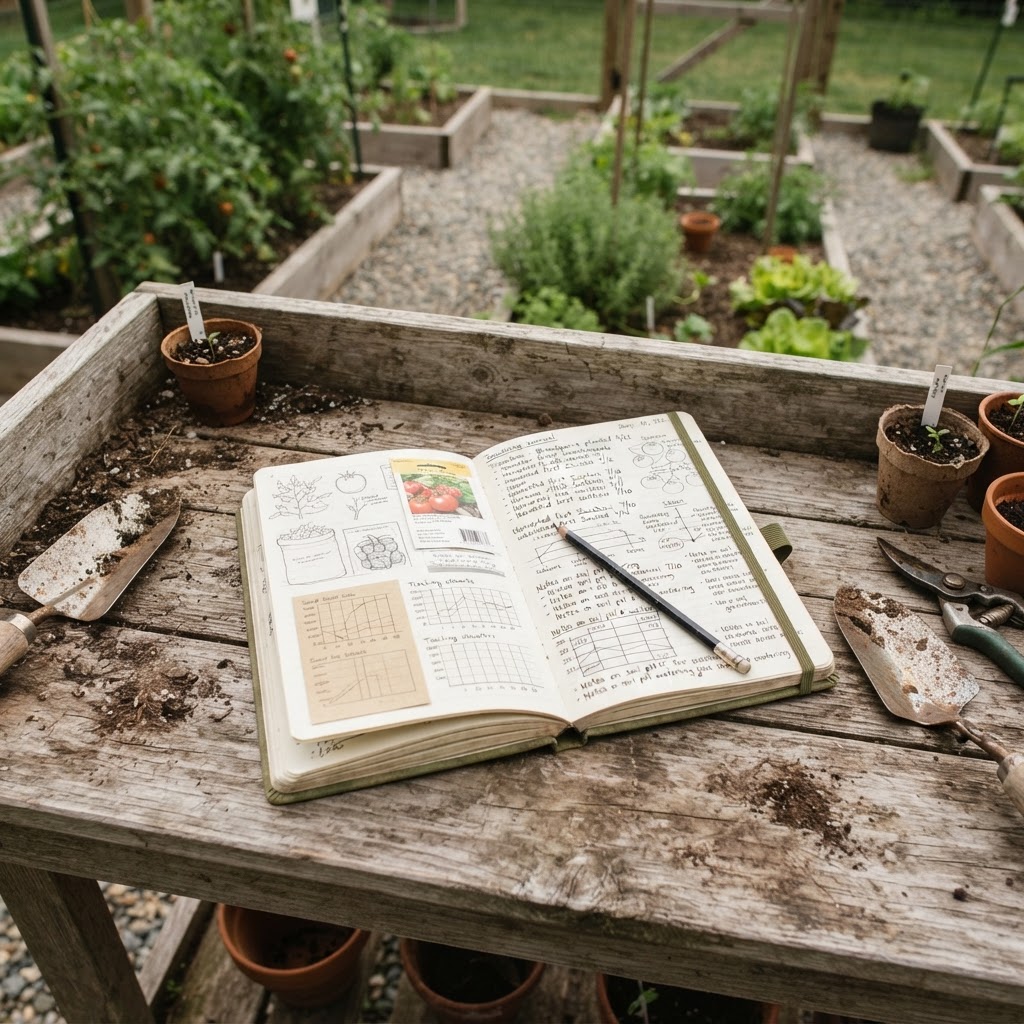
The secret weapon of the high-performance gardener is documentation. Tracking planting dates, harvest weights, weather conditions, and variety names allows you to see what works and what fails. Over several seasons, this journal becomes a personalized manual for your specific microclimate, allowing you to continually refine your tactics.
Ready to level up your garden? Subscribe to our newsletter to receive seasonal planting calendars and tips to help you refine your techniques year-round.
Final Thoughts: Consistency is Key
Home garden optimization is not about achieving perfection overnight; it is about incremental improvements. By focusing on soil health, irrigation efficiency, and careful record-keeping, you will naturally see an increase in both the quality and quantity of your harvest. Keep observing, keep learning, and your garden will reward you in turn.
- #garden productivity
- #soil health
- #organic gardening
- #crop rotation
Related Articles
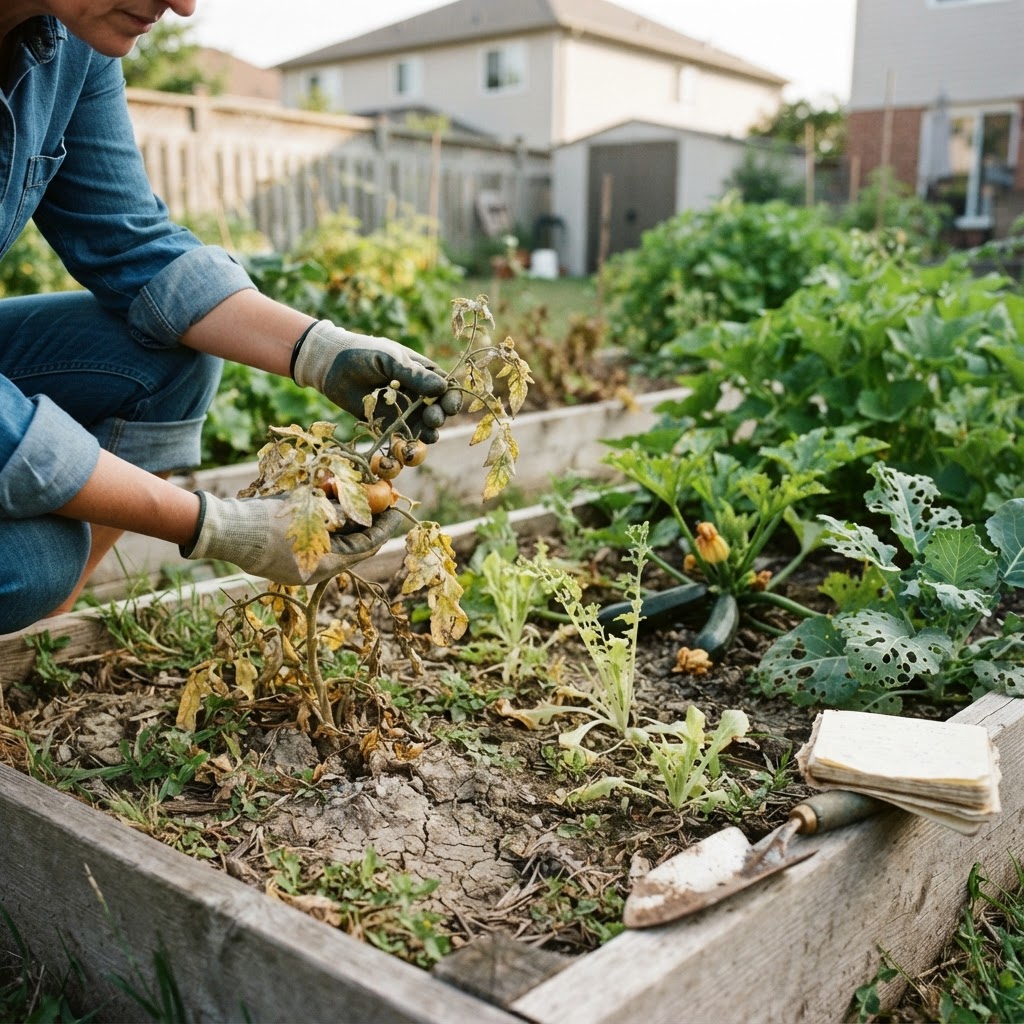
Vegetable Garden Failures: How to Fix Common Problems
Discover how to diagnose and resolve common vegetable garden challenges using practical, science-based troubleshooting techniques to save your plants.
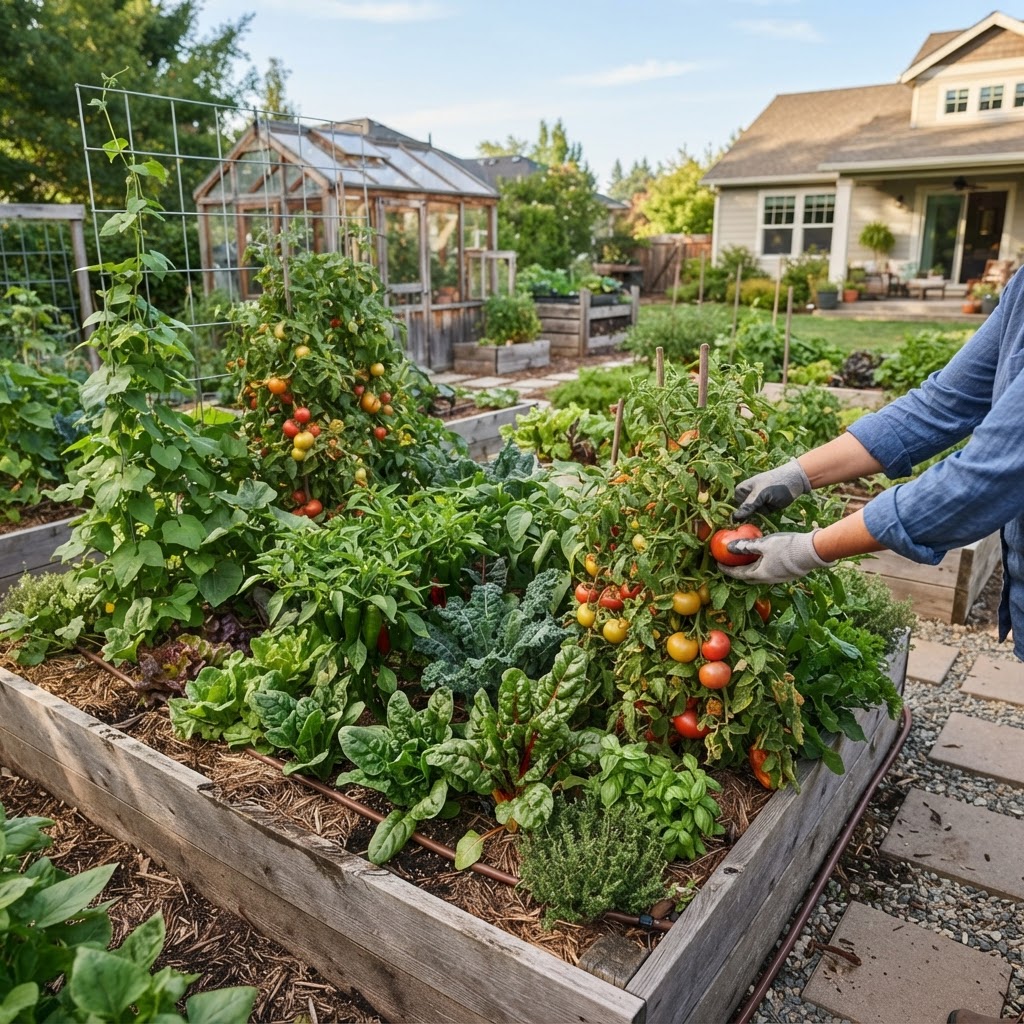
High Yield Vegetable Gardening: Advanced Methods for Success
Take your harvest to the next level by implementing intensive planting strategies, precision nutrient management, and data-driven garden planning techniques.
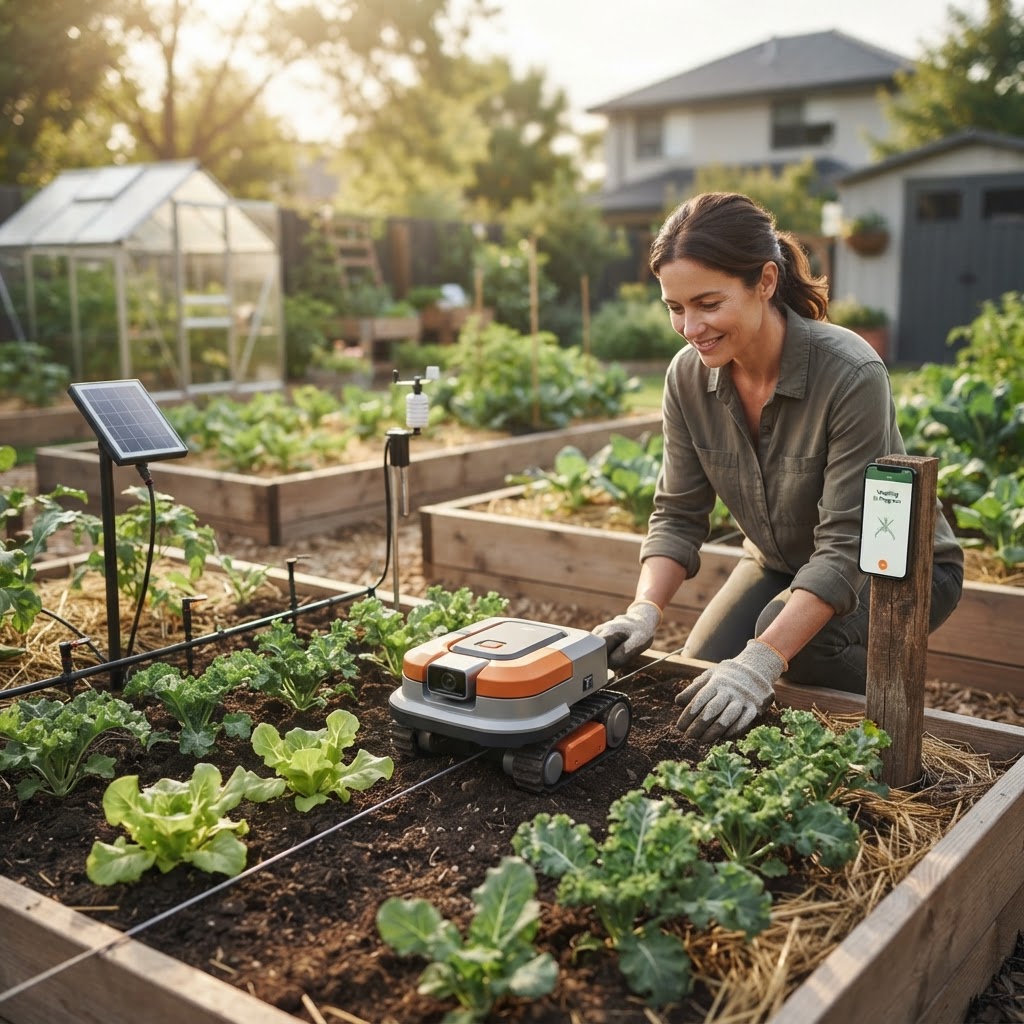
Automated Garden Tools for Beginners: A Complete Guide
Learn how to use smart technology to streamline your gardening chores without losing the joy of working in the soil. This guide covers the basics of garden automation for beginners.