
Gardening
10 Common Vegetable Gardening Mistakes to Avoid
Learn how to identify and fix 10 common vegetable gardening mistakes to ensure a healthier, more productive harvest this season.
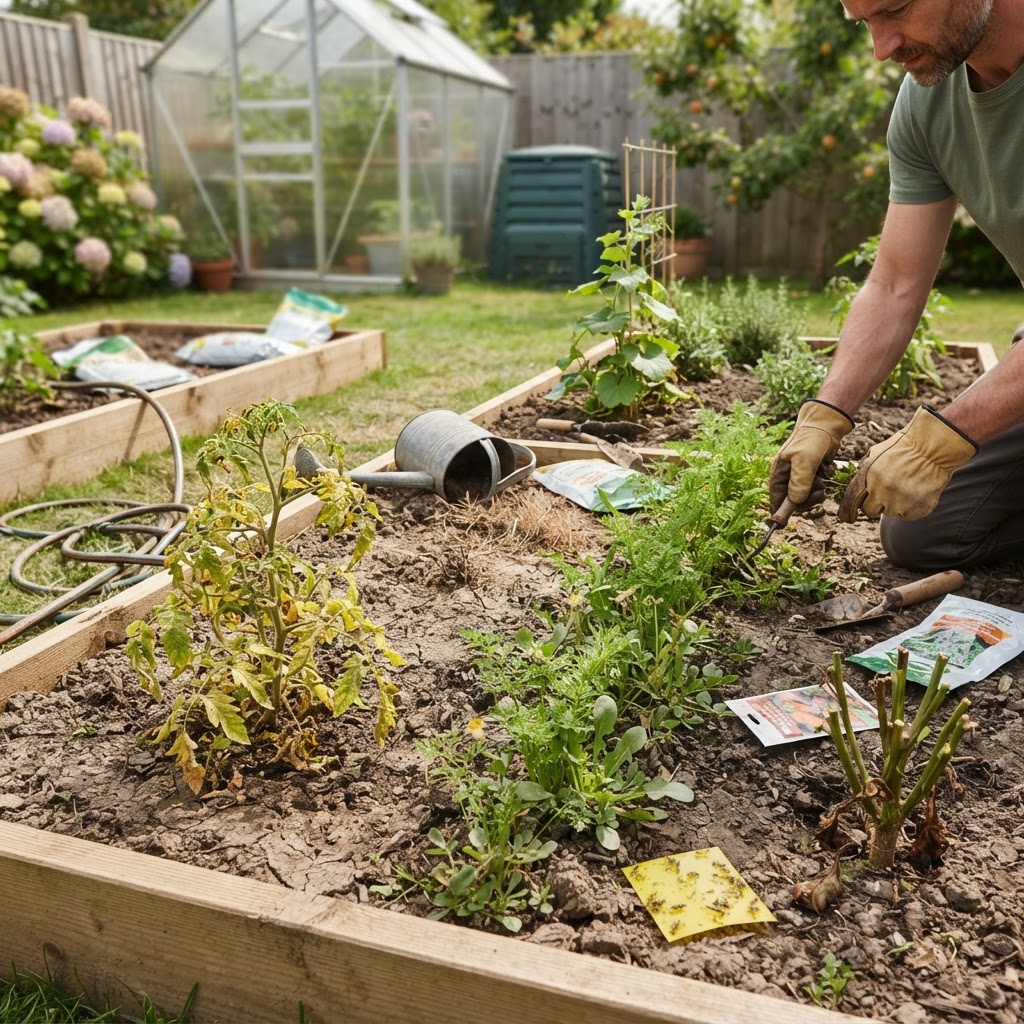
Starting a vegetable garden is an incredibly rewarding endeavor, but even the most enthusiastic gardeners often fall into traps that can hinder their success. When you are looking for ways to improve your yields, understanding common errors is the first step toward mastery. This guide explores the most frequent challenges in vegetable gardening for beginners and offers practical solutions to help you troubleshoot your garden effectively.
Poor Soil Preparation
Soil is the foundation of every thriving garden. Many beginners treat soil as mere dirt, but successful gardeners understand that it is a complex ecosystem. Failing to prepare your soil—by adding organic matter or testing for nutrient deficiencies—is a major hurdle. Soil testing is critical because it tells you exactly what your garden needs, whether it's more nitrogen, a specific pH adjustment, or simply more aeration via compost.
Improper Watering Techniques
One of the most frequent common garden problems is either overwatering or underwatering. Watering frequency depends on your soil type and weather, but as a general rule, your soil should feel moist but not waterlogged. Deep, infrequent watering is usually better than daily light sprinkling, as it encourages roots to grow deeper into the ground, making plants more resilient during dry spells.
Planting at the Wrong Time
Every plant has a preferred climate and season. Planting heat-loving crops like tomatoes too early in the spring, or cool-season greens like spinach once the summer heat has arrived, will almost certainly lead to stunted growth or bolting. Utilizing a reliable planting calendar based on your specific gardening zone is the best way to ensure success.
Neglecting Sunlight Requirements
Most vegetables that produce fruit—such as peppers, squash, and tomatoes—require at least six to eight hours of direct sunlight per day. If you plant these in partial shade, they will become spindly and yield poorly. Observe your garden space throughout the day to track sunlight movement before you start your beds.
Overcrowding Your Vegetable Beds
It is tempting to pack as many plants as possible into a small space, but overcrowding leads to poor airflow, which in turn invites fungal diseases. It also causes plants to compete for the same nutrients and water. Always follow the spacing guidelines on your seed packets or plant labels to allow your vegetables room to mature properly.
Ignoring Pest and Disease Early Warnings
A small infestation of aphids or a few spotted leaves can quickly turn into a garden-wide catastrophe if ignored. Regular garden maintenance is key. Spend time inspecting the undersides of leaves and monitoring for signs of stress. Implementing natural pest control methods, such as encouraging beneficial insects like ladybugs, is far more effective than trying to manage a full-blown infestation later.
Failure to Rotate Crops
Planting the same vegetables in the same spot year after year depletes the soil of specific nutrients and encourages soil-borne diseases. The benefits of crop rotation include healthier soil and reduced pest buildup, as many pests target specific plant families. Aim for a three-to-four-year rotation cycle whenever possible.
Using the Wrong Fertilizer
More is not always better. Excessive synthetic fertilizer can lead to lush green leaves but very few vegetables, or worse, chemical burns on plant roots. Understand the needs of your specific crops; leaf vegetables often prefer nitrogen, while fruiting vegetables thrive with a balanced nutrient profile. Focus on building soil health through compost rather than relying solely on quick-fix fertilizers.
The Importance of Mulching
Many gardeners skip mulching, leaving the soil exposed. Mulch acts as a protective layer, retaining moisture, suppressing weeds, and regulating soil temperature. Whether you use straw, shredded leaves, or wood chips, a layer of mulch is one of the easiest ways to improve your vegetable garden’s resilience against the elements.
Conclusion: Learning Through Experience
Gardening is an iterative process. You will make mistakes, and that is a natural part of the learning journey. By remaining observant and willing to adjust your methods, you can transform these common challenges into valuable lessons that lead to a bountiful, thriving garden. Stay curious, keep tending your soil, and your harvest will reflect your dedication.
Frequently Asked Questions
Why is soil testing important before planting?
Soil testing provides a clear picture of nutrient levels and pH, allowing you to amend the soil correctly rather than guessing what your plants need.
How often should I water my vegetable garden?
There is no single schedule, but typically, vegetables need about one inch of water per week. Check the top two inches of soil; if they are dry, it is time to water.
How do I determine the best planting time for my zone?
Check your local USDA plant hardiness zone map to understand your frost dates, and cross-reference those with a regional planting calendar.
What are the benefits of crop rotation?
It prevents nutrient depletion and interrupts the life cycles of pests and diseases that thrive on specific plant families.
How can I prevent pest infestations naturally?
Focus on plant health, encourage beneficial insects, use physical barriers like row covers, and practice good garden hygiene by removing debris.
Sources
- #gardening tips
- #vegetable garden
- #pest control
- #soil health
Related Articles
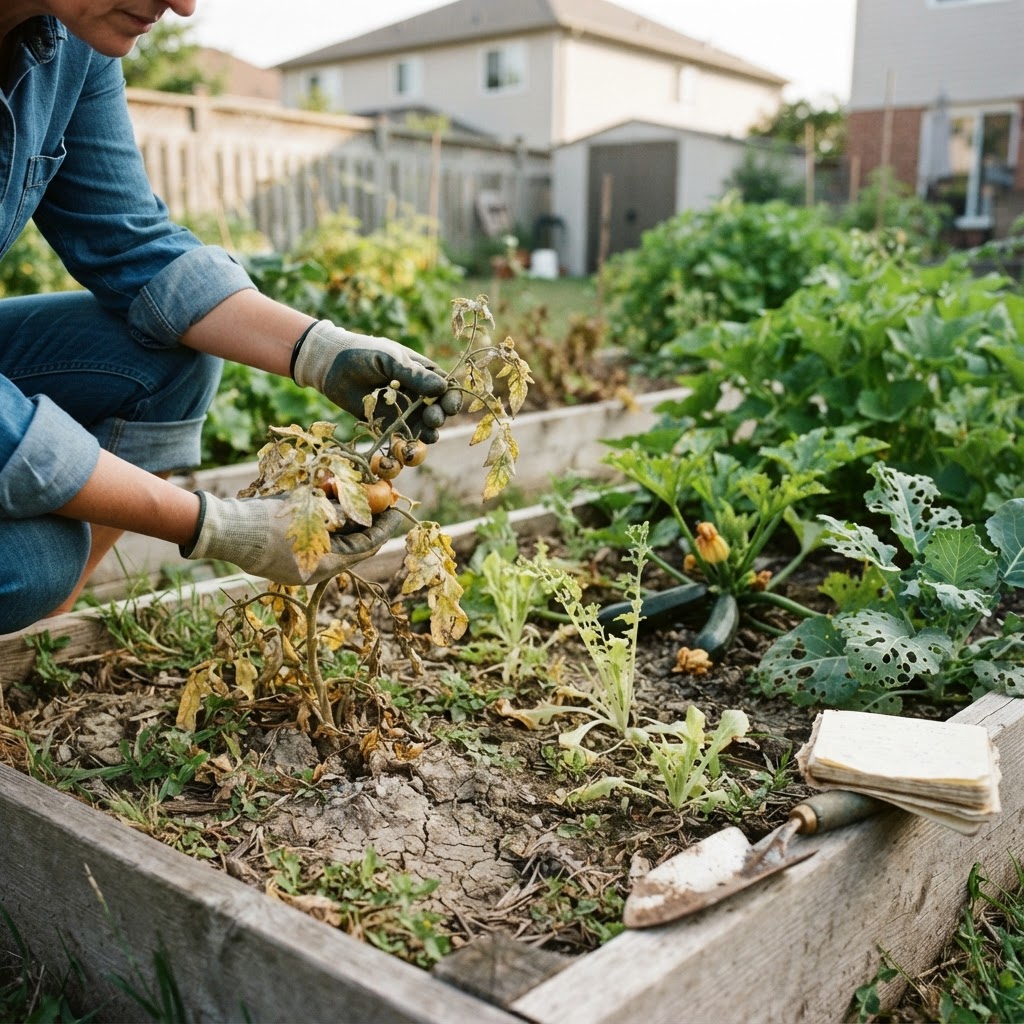
Vegetable Garden Failures: How to Fix Common Problems
Discover how to diagnose and resolve common vegetable garden challenges using practical, science-based troubleshooting techniques to save your plants.
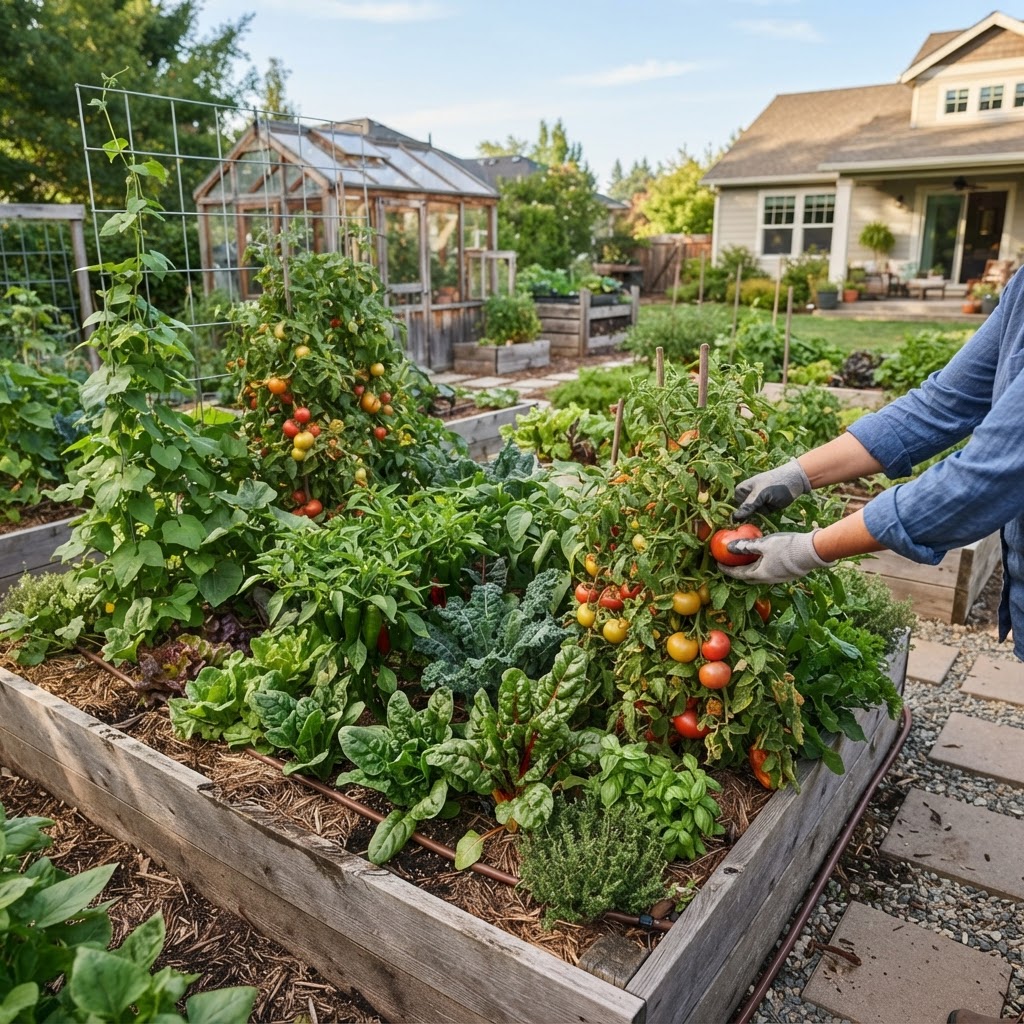
High Yield Vegetable Gardening: Advanced Methods for Success
Take your harvest to the next level by implementing intensive planting strategies, precision nutrient management, and data-driven garden planning techniques.
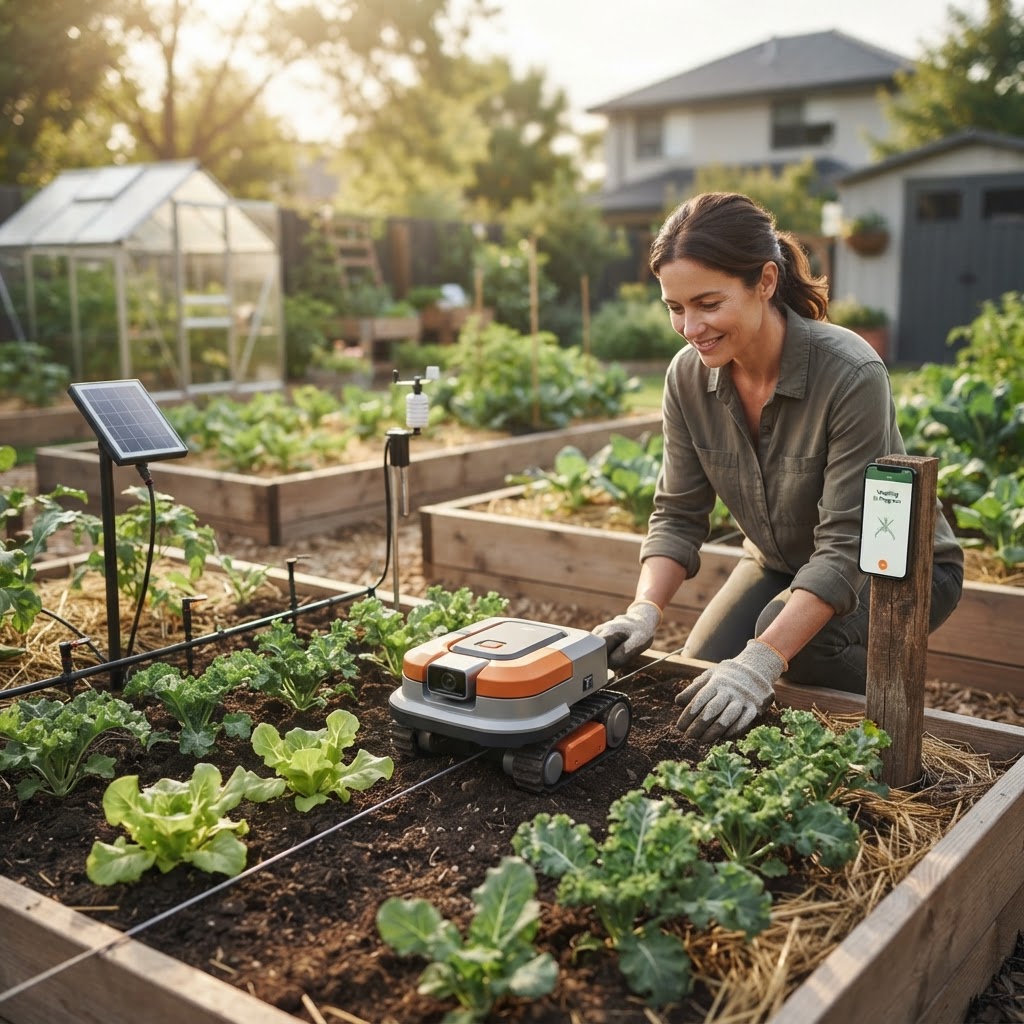
Automated Garden Tools for Beginners: A Complete Guide
Learn how to use smart technology to streamline your gardening chores without losing the joy of working in the soil. This guide covers the basics of garden automation for beginners.