
Gardening
Must-Have Vegetable Gardening Tools for Every Home Gardener
Build a reliable and efficient toolkit for your vegetable garden by focusing on quality and ergonomics rather than quantity. This guide covers the essential tools every home gardener needs for success.
Why Quality Tools Matter for Your Vegetable Garden
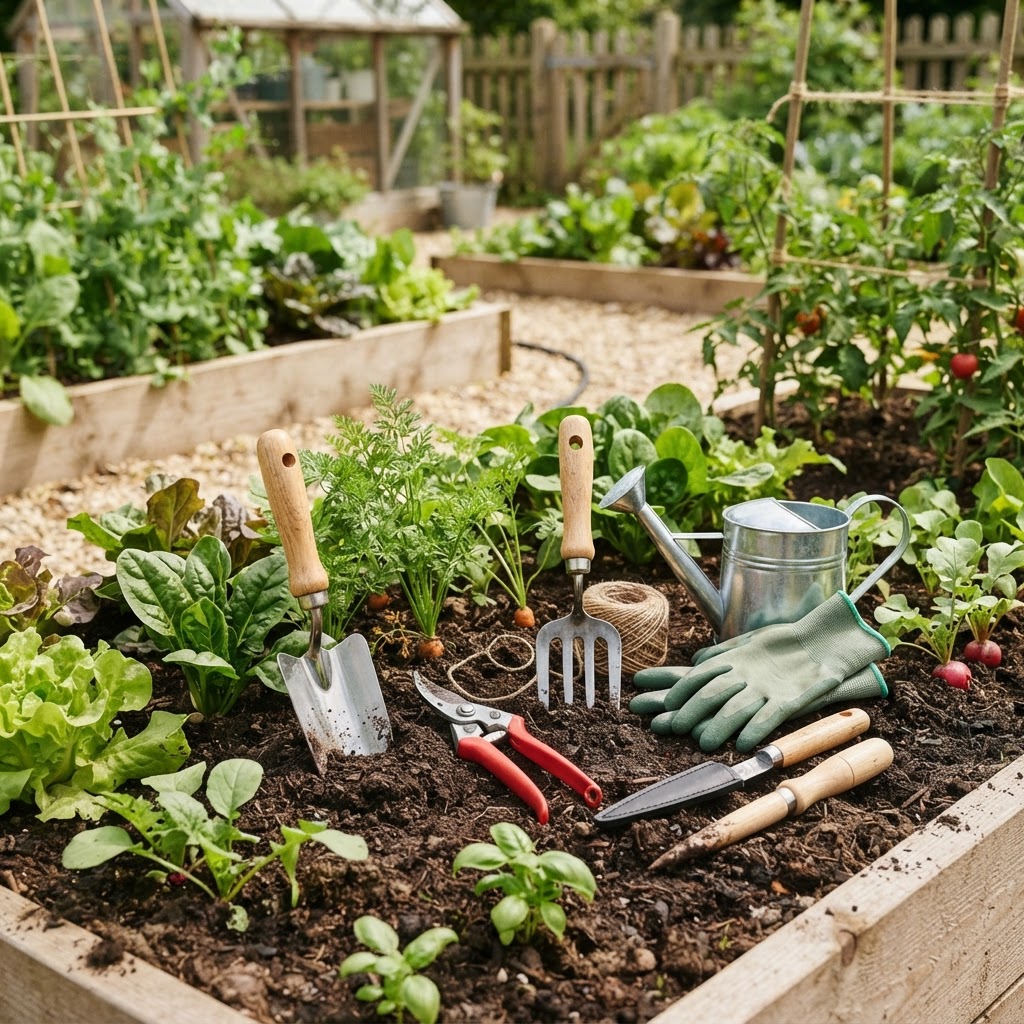
Gardening is as much about the process as it is the harvest. Many beginners make the mistake of purchasing cheap, plastic-laden tools that break after a single season. Investing in high-quality, durable equipment is not just about saving money in the long run; it is about protecting your body. Ergonomically designed tools reduce repetitive strain, making it easier to spend more time in your garden without discomfort. When you have the right gear, your maintenance tasks become more efficient, allowing you to focus on the health of your plants.
Hand Tools: The Foundation of Gardening
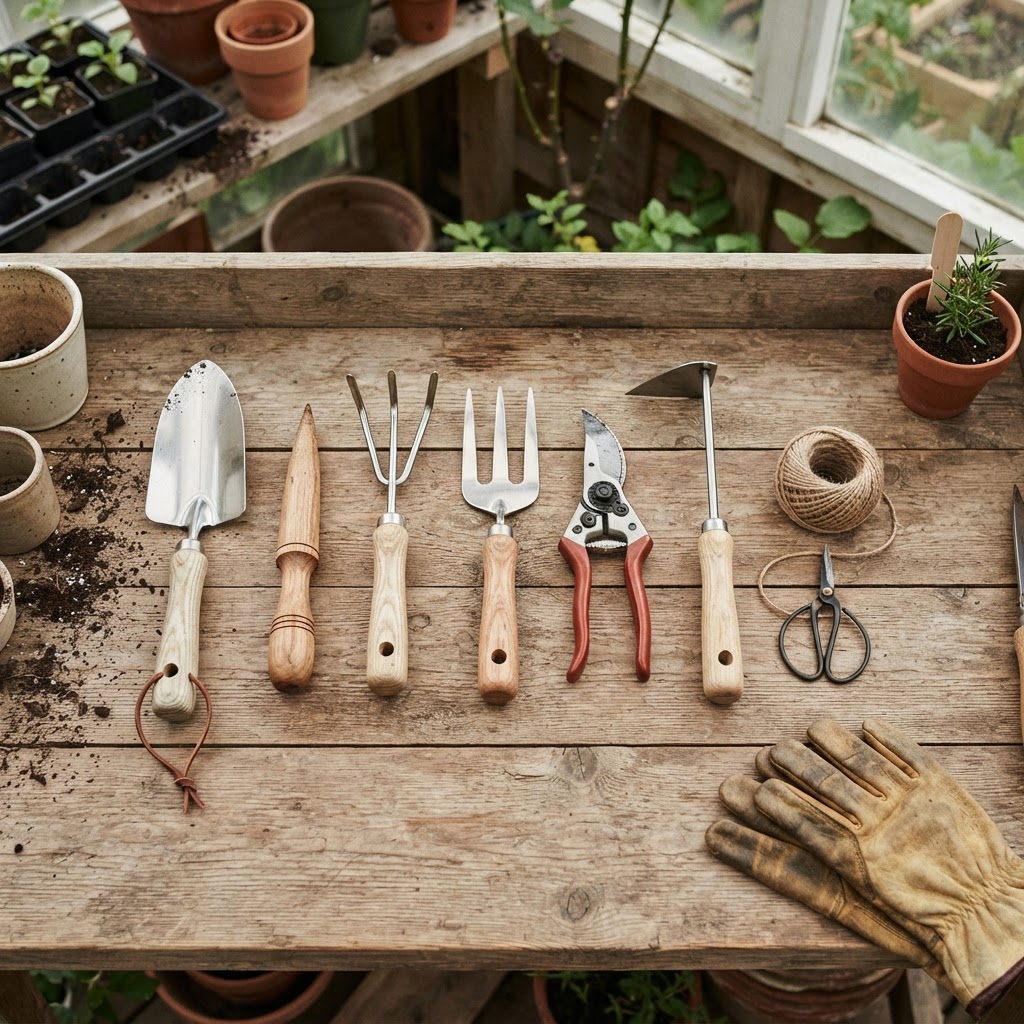
A well-curated collection of hand tools is essential for tasks like transplanting, weeding, and grooming. These items are the extensions of your hands and should feel comfortable to hold for extended periods.
The Essential Hand Trowel
The trowel is perhaps the most important tool in any gardener's shed. It is primarily used for digging small holes, planting seedlings, and container gardening. Look for a trowel with a forged aluminum or stainless steel head, as these materials resist rust and snapping. A solid grip is essential to prevent blisters during long planting sessions.
Pruning Shears for Clean Cuts
Pruning shears are vital for harvesting vegetables and removing diseased foliage. Bypass pruners—which work like scissors with two blades sliding past each other—are generally preferred for vegetable gardening because they provide a clean, non-crushing cut that promotes plant healing.
Cultivators and Weeders
A hand cultivator with strong tines is indispensable for breaking up surface soil crusts, which helps water and nutrients penetrate deeper into the roots. Similarly, a dedicated hand weeder—often a thin, V-shaped blade—helps extract stubborn weeds from small gaps between vegetable rows without disturbing the surrounding crop.
Long-Handled Tools for Efficiency
When working in larger garden beds, reaching is often necessary. Long-handled tools save your back and knees by allowing you to work from a standing position.
Selecting the Right Garden Hoe
A hoe is your best friend for weed management. A stirrup hoe or loop hoe is particularly effective for large areas; it cuts weeds just beneath the soil surface with a push-pull motion. This is much more efficient than hand-picking every weed in a larger raised bed.
Spades vs. Shovels: What You Need
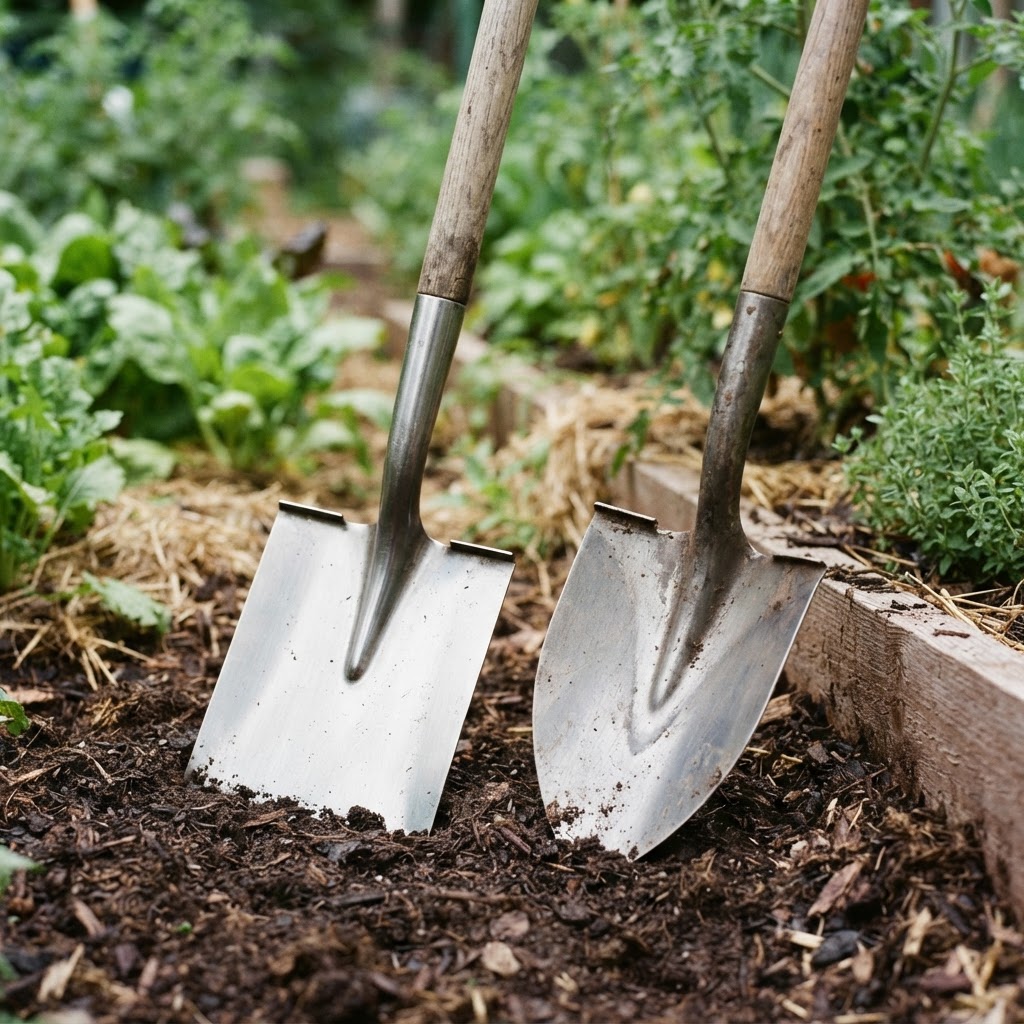
Many people use these terms interchangeably, but they have distinct purposes. A spade has a flatter, narrower blade designed for digging, edging, and cutting through tough soil or roots. A shovel typically has a curved blade with a pointed tip, intended for scooping and moving large amounts of soil, compost, or mulch. For most home gardens, a sharp, quality spade is more versatile for planting and cultivation tasks.
Watering and Soil Care Equipment
Proper hydration and soil structure are the lifeblood of your vegetable patch. A high-quality watering wand with a gentle shower setting ensures that you water the roots rather than the foliage, which helps prevent fungal diseases. When it comes to soil, a broadfork is an excellent, back-friendly alternative to a rototiller, allowing you to aerate the soil without destroying the delicate fungal networks deep beneath the surface.
Safety and Storage Best Practices
Gardening tools are investments. Storing them properly prevents rust and accidents. Always wipe dirt off your tools after use. Keep a dedicated, dry space, like a wall-mounted rack or a tool shed, to keep sharp edges away from children and pets. Consider using a bucket filled with sand and oil for storing metal blades; it both cleans the blades and provides a thin layer of lubrication that wards off moisture.
Maintenance Tips to Keep Your Tools Lasting Longer
A bit of regular maintenance will keep your tools in prime condition. At the end of each season, take time to sharpen blades with a whetstone or file, as dull blades require more force and can damage your plants. Sand down wooden handles if they become splintery and apply a light coat of linseed oil to keep the wood supple and resistant to water damage.
Sources
- #gardening tips
- #essential tools
- #home garden
- #garden maintenance
Related Articles
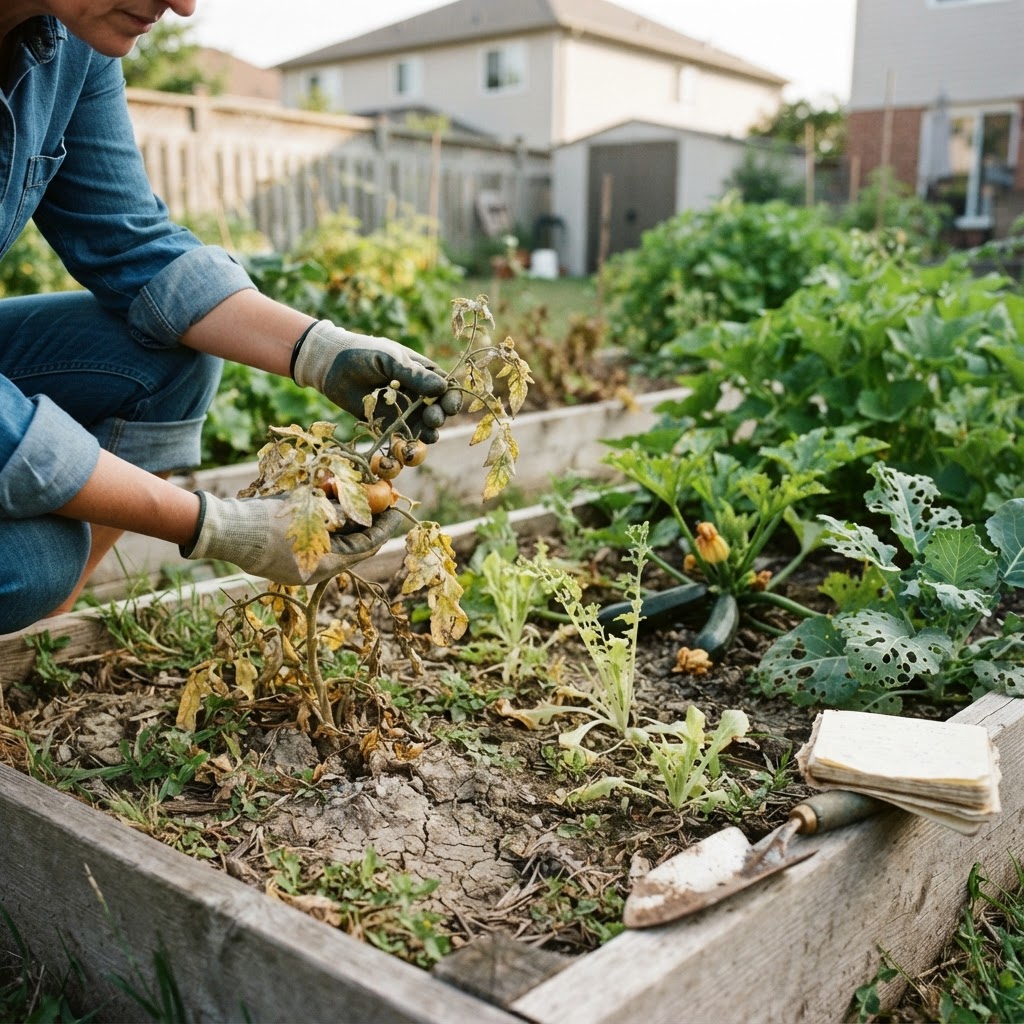
Vegetable Garden Failures: How to Fix Common Problems
Discover how to diagnose and resolve common vegetable garden challenges using practical, science-based troubleshooting techniques to save your plants.
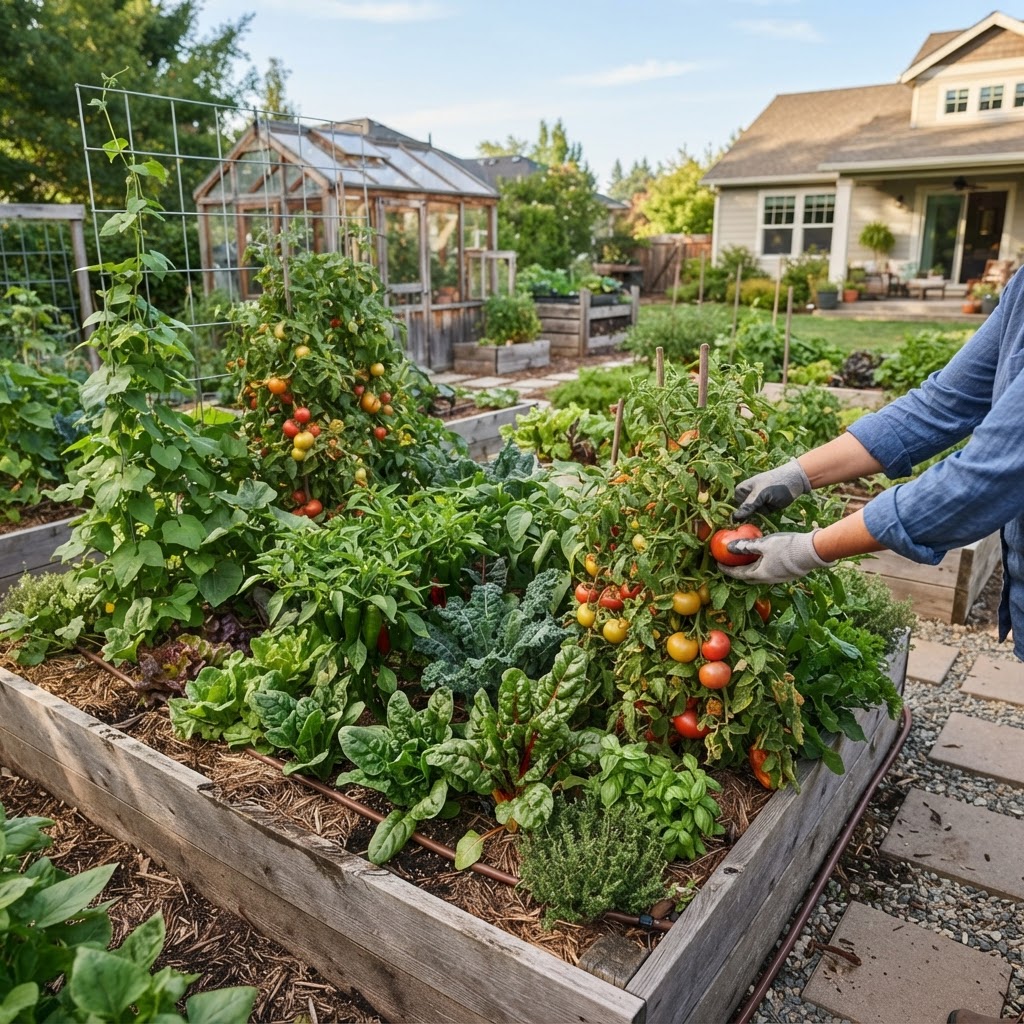
High Yield Vegetable Gardening: Advanced Methods for Success
Take your harvest to the next level by implementing intensive planting strategies, precision nutrient management, and data-driven garden planning techniques.
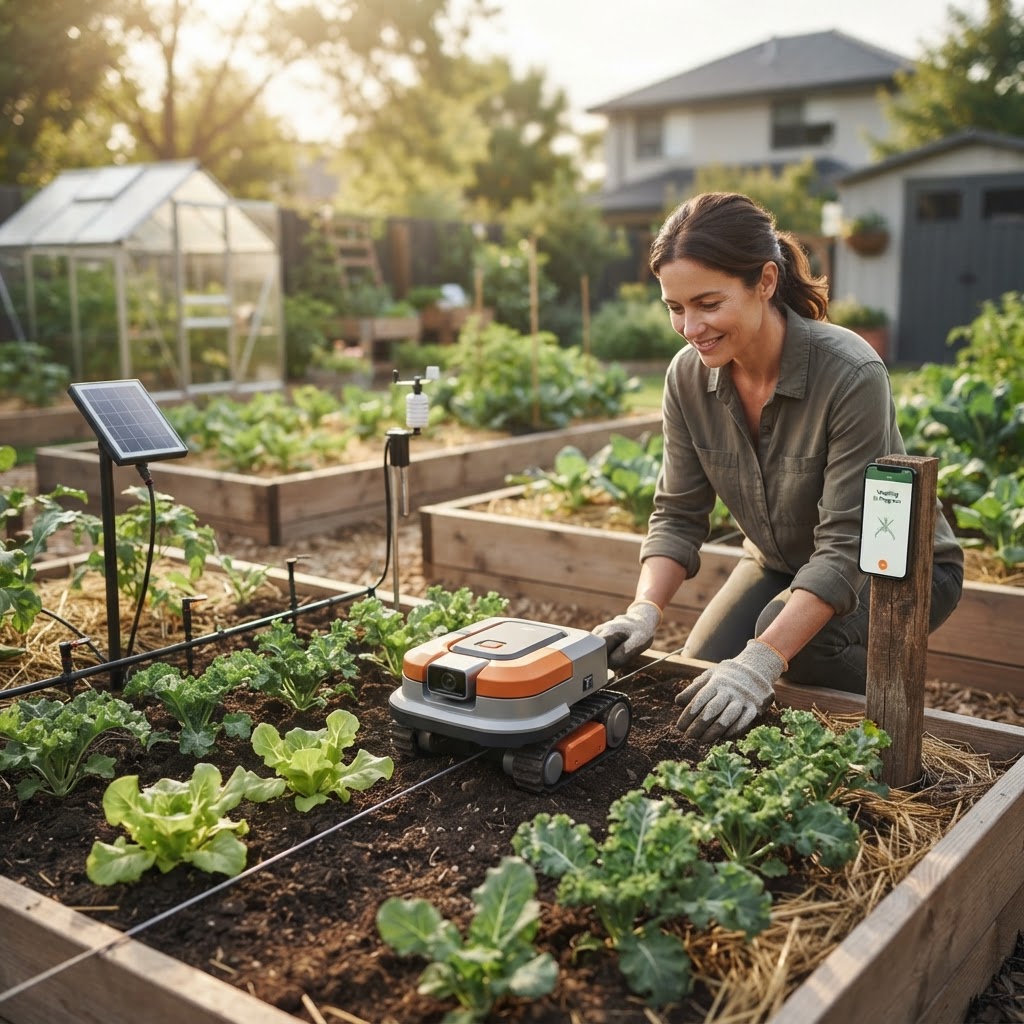
Automated Garden Tools for Beginners: A Complete Guide
Learn how to use smart technology to streamline your gardening chores without losing the joy of working in the soil. This guide covers the basics of garden automation for beginners.