Gardening
How to Use Garden Technology to Grow Better Vegetables
Learn how integrating modern garden technology can simplify your daily chores and improve the overall health and yield of your home vegetable garden.
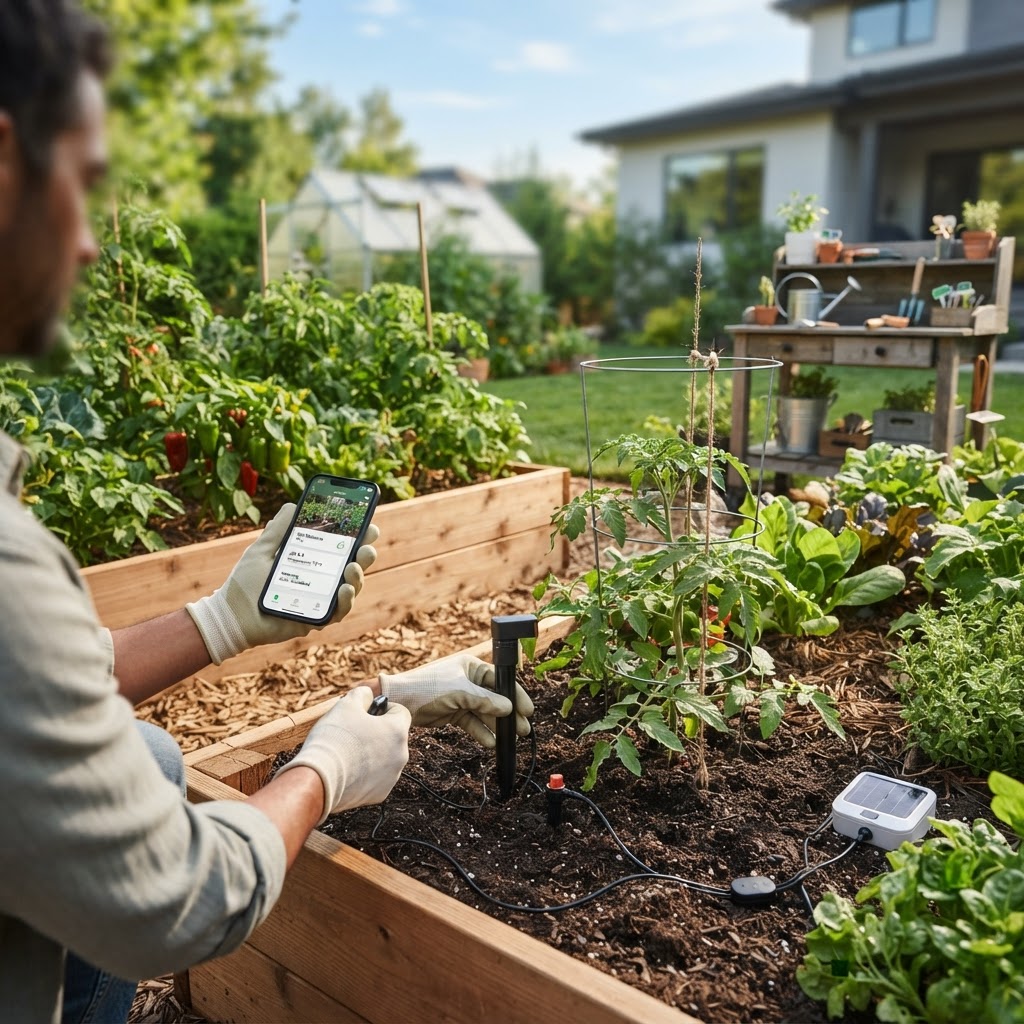
Gardening is one of the oldest human endeavors, grounded in centuries of tradition and trial-and-error. However, in recent years, the integration of garden technology for home gardeners has opened up new ways to approach our backyard plots. By blending time-honored organic practices with modern precision tools, you can solve common headaches like inconsistent watering, nutrient depletion, and timing errors, ultimately resulting in a more abundant and rewarding harvest.
The Rise of Smart Gardening Technology
The transition toward smart gardening is largely about efficiency. Many hobbyists struggle with the "goldilocks" problem: providing just enough water, light, and nutrients to satisfy a plant's needs without wasting resources. Smart technology acts as a secondary set of eyes, providing real-time data that informs your gardening decisions. This isn't about automating away the joy of gardening, but rather removing the guesswork that often leads to crop failure.
Essential Garden Technology for Home Growers
Modern tools are more accessible than ever, ranging from simple sensors to complex, integrated systems that manage your entire plot's ecosystem.
Automated Irrigation and Smart Watering Systems
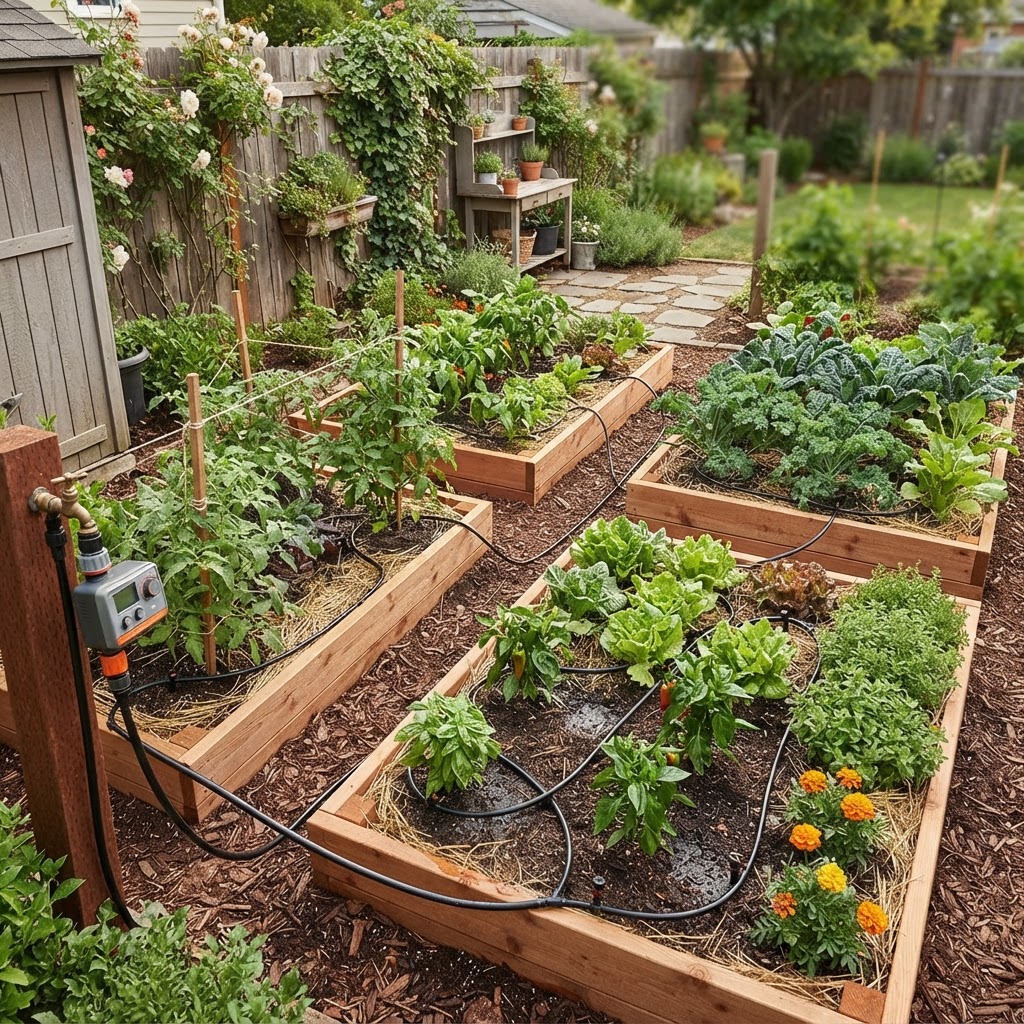
Water is the most critical factor in vegetable gardening. Automated irrigation systems, when paired with weather-linked controllers, can adjust watering schedules based on local rainfall forecasts. This ensures your plants get exactly what they need, minimizing runoff and water waste while preventing root rot caused by over-saturation.
Soil Sensors and Moisture Monitoring Tools
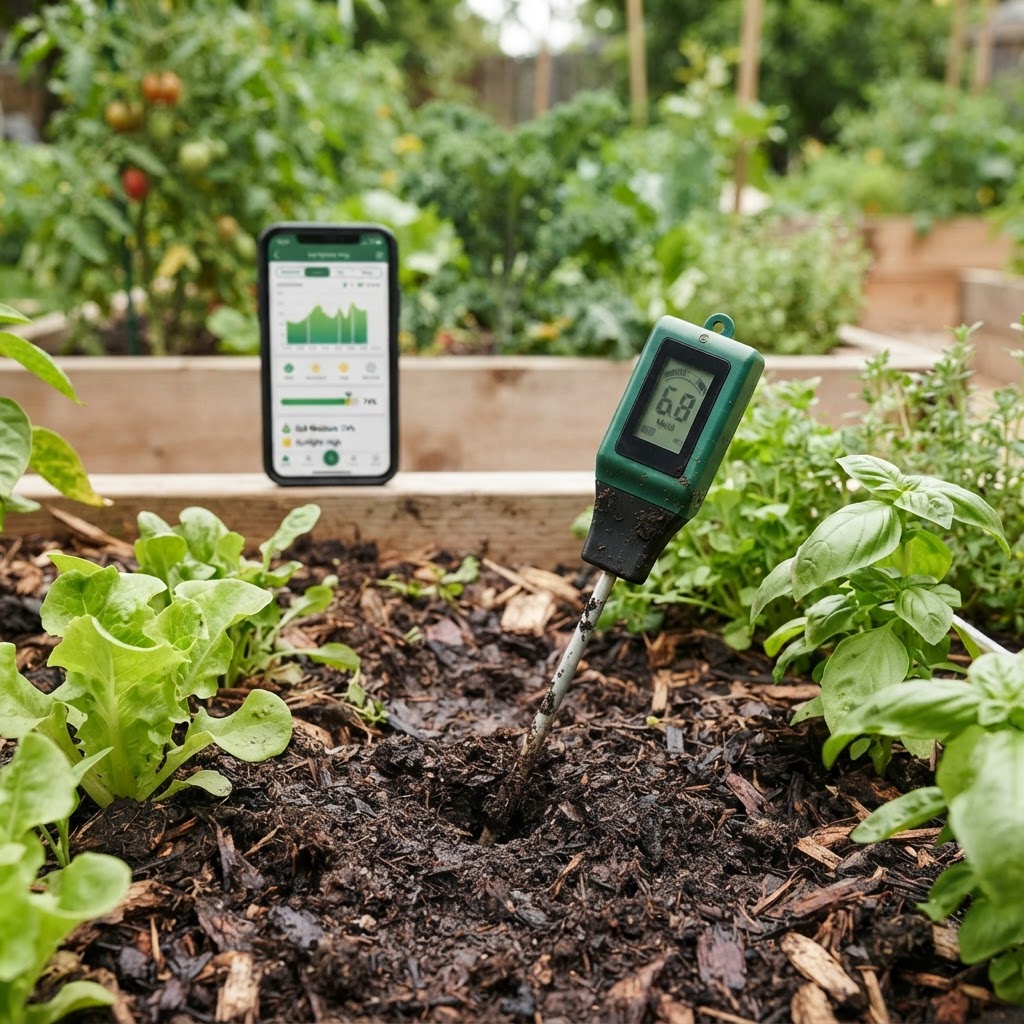
How do you know if your soil is nutrient-rich or struggling? Soil sensors measure critical variables like pH, temperature, moisture levels, and sunlight exposure. These tools provide actionable insights, allowing you to amend your soil before your plants show signs of distress, leading to significantly improved yields.
Smart Lighting Solutions for Indoor and Greenhouse Gardening
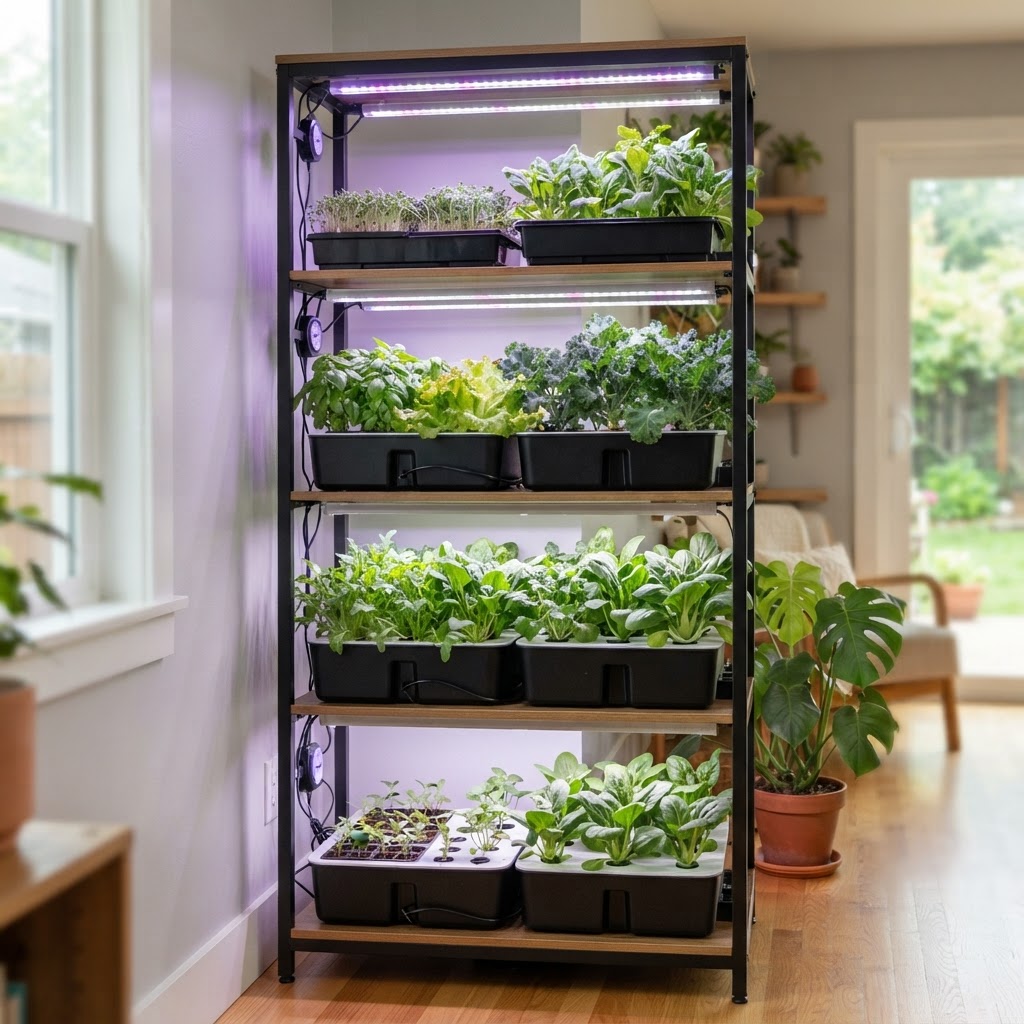
For those extending their growing season or cultivating indoors, smart LED grow lights are a game-changer. These systems can mimic natural daylight cycles, adjusting intensity and color spectrums to match the growth stages of specific vegetables, from seedlings to fruiting adults.
Digital Tools and Apps for Garden Management
Beyond physical gadgets, digital garden planners and mobile apps have revolutionized how we manage our planting schedules. These platforms help you keep track of companion planting, harvest windows, and historical crop data, making it easier to plan for seasonal rotations and prevent soil depletion.
Balancing High-Tech Gadgets with Traditional Gardening Skills
The most successful gardeners use technology to augment their skills, not replace them. Technology can tell you that your soil moisture is low, but your observation of leaf turgor and color remains an essential intuition. Think of tech as a toolkit that highlights problems early, allowing you to apply your gardening knowledge more effectively.
Is Garden Technology Worth the Investment?
For most home growers, the value lies in consistency. If you struggle with time management or have a garden located away from your primary living space, tech offers a safety net. While the initial setup requires time and effort, the reduction in plant loss and the optimization of water and fertilizer often pays for the investment in improved crop longevity.
Getting Started with Simple Smart Garden Upgrades
You don't need a massive budget to start. Begin by introducing a single soil moisture meter or a basic smart timer for your hose. Once you are comfortable with the data, you can expand to more complex integrated systems. Remember to keep the focus on the vegetables—if the technology isn't making your life easier or your plants healthier, it may not be the right fit for your specific space.
Frequently Asked Questions
- What are the benefits of using smart garden technology? It reduces resource waste, minimizes plant stress, and provides data-driven insights that help you grow healthier, more consistent harvests.
- How do soil sensors help improve vegetable yields? They provide real-time data on moisture and nutrient levels, allowing you to intervene before plants show visible signs of stress.
- Can automated watering systems save water in a home garden? Yes, by adjusting schedules based on soil moisture and local weather, they prevent overwatering and unnecessary irrigation.
- What are the best digital apps for tracking planting schedules? There are many platforms that focus on regional planting calendars, crop rotation, and seasonal reminders tailored to your specific hardiness zone.
- How does modern technology complement traditional organic gardening? It provides the data to optimize organic inputs, such as knowing exactly when to apply compost or mulch based on soil temperature and moisture conditions.
Sources
- #garden technology
- #smart gardening
- #vegetable growing
- #sustainable gardening
Related Articles
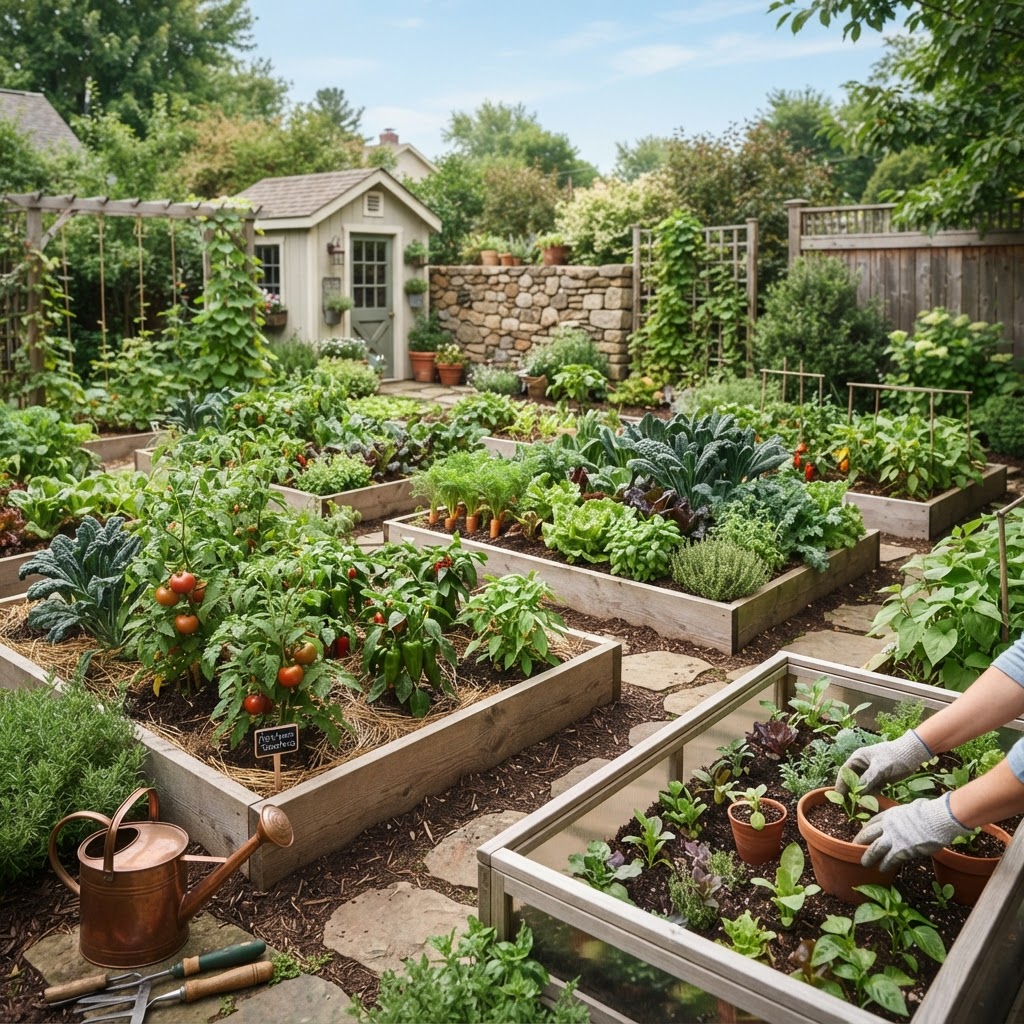
Understanding Garden Zones and Microclimates for Growth
Take your vegetable garden to the next level by learning how to identify and manage the unique microclimates within your landscape. This guide helps you work with your environment rather than against it.
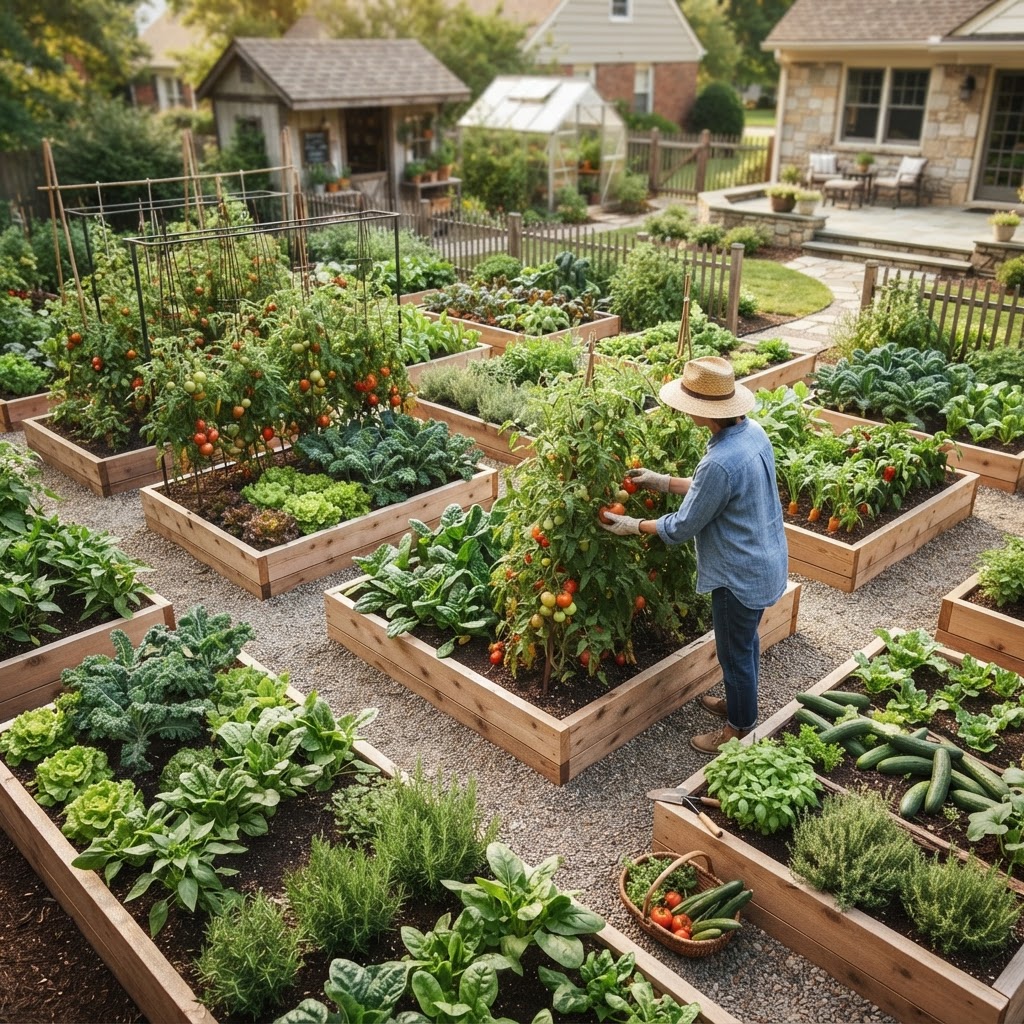
Vegetable Garden Layout Design: A Guide for Maximum Yield
Transform your vegetable garden from a chaotic patch into a high-yield system. Learn the fundamentals of space planning, orientation, and efficient design to maximize your harvest.
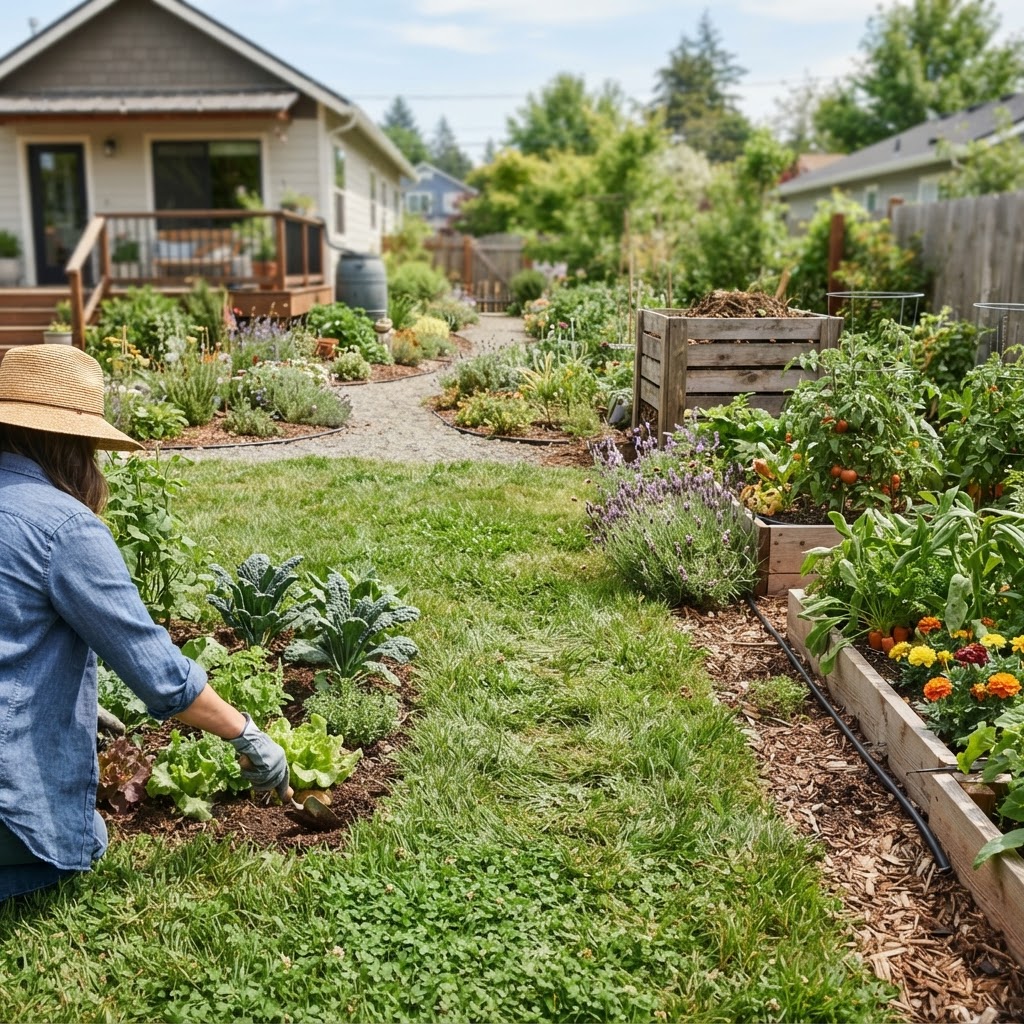
Sustainable Lawn Care: 7 Tips for a Healthier Backyard
Discover how to transition to sustainable lawn care practices that improve soil health, save water, and foster a thriving, eco-friendly backyard ecosystem.