
Gardening
Understanding Garden Zones and Microclimates for Growth
Take your vegetable garden to the next level by learning how to identify and manage the unique microclimates within your landscape. This guide helps you work with your environment rather than against it.
What Are Garden Zones and Microclimates?
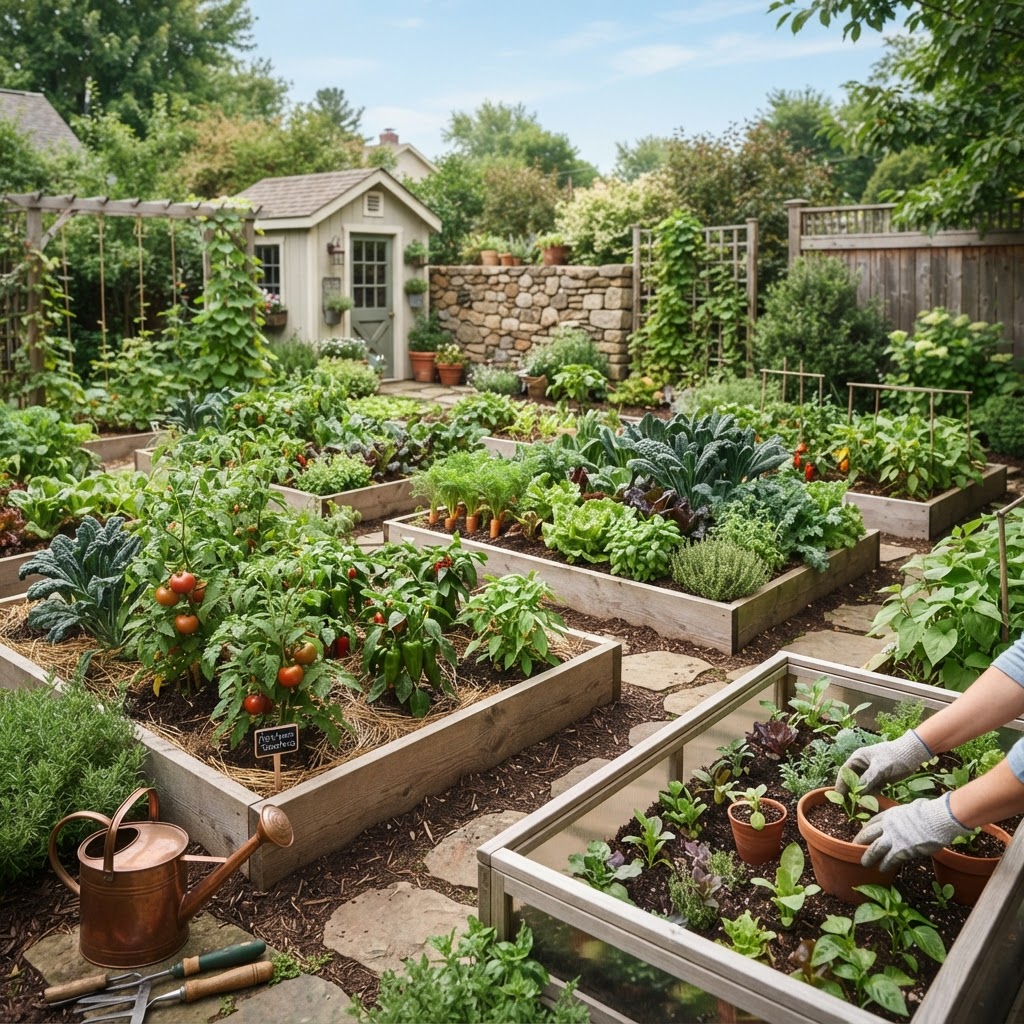
Many intermediate gardeners eventually hit a plateau where standard planting charts and USDA hardiness zone maps no longer seem enough. You might notice that your tomatoes thrive in one corner of the yard but languish just ten feet away. This is where understanding vegetable gardening microclimates becomes essential. A microclimate is a small-scale area where the climate differs from the surrounding region. While hardiness zones provide a broad overview of average minimum temperatures, microclimates account for the localized environmental factors—like wind, sunlight, and moisture—that dictate whether a specific plant will thrive or merely survive.
How Microclimates Influence Vegetable Success
Plants are remarkably sensitive to their immediate surroundings. A few degrees of difference in soil temperature or a slight increase in wind exposure can be the deciding factor in seed germination or fruit set. By mastering your local microclimates, you can extend your growing season, protect sensitive crops from late frosts, and optimize space for high-yield harvests. Recognizing these pockets allows you to place heat-loving peppers in your warmest spots and cool-season greens in naturally shaded, moisture-retentive areas.
Common Factors That Create Microclimates
Topography and Elevation
The lay of the land plays a critical role in temperature distribution. Cold air is denser than warm air and behaves like water, flowing downhill and settling in low-lying "frost pockets." If you plant early-spring crops in a basin or a swale at the bottom of a slope, you may lose them to a late frost long after the rest of your garden has warmed up. Conversely, elevated beds or slopes that face the sun often warm up faster and drain better, making them ideal for early planting.
Proximity to Water and Structures
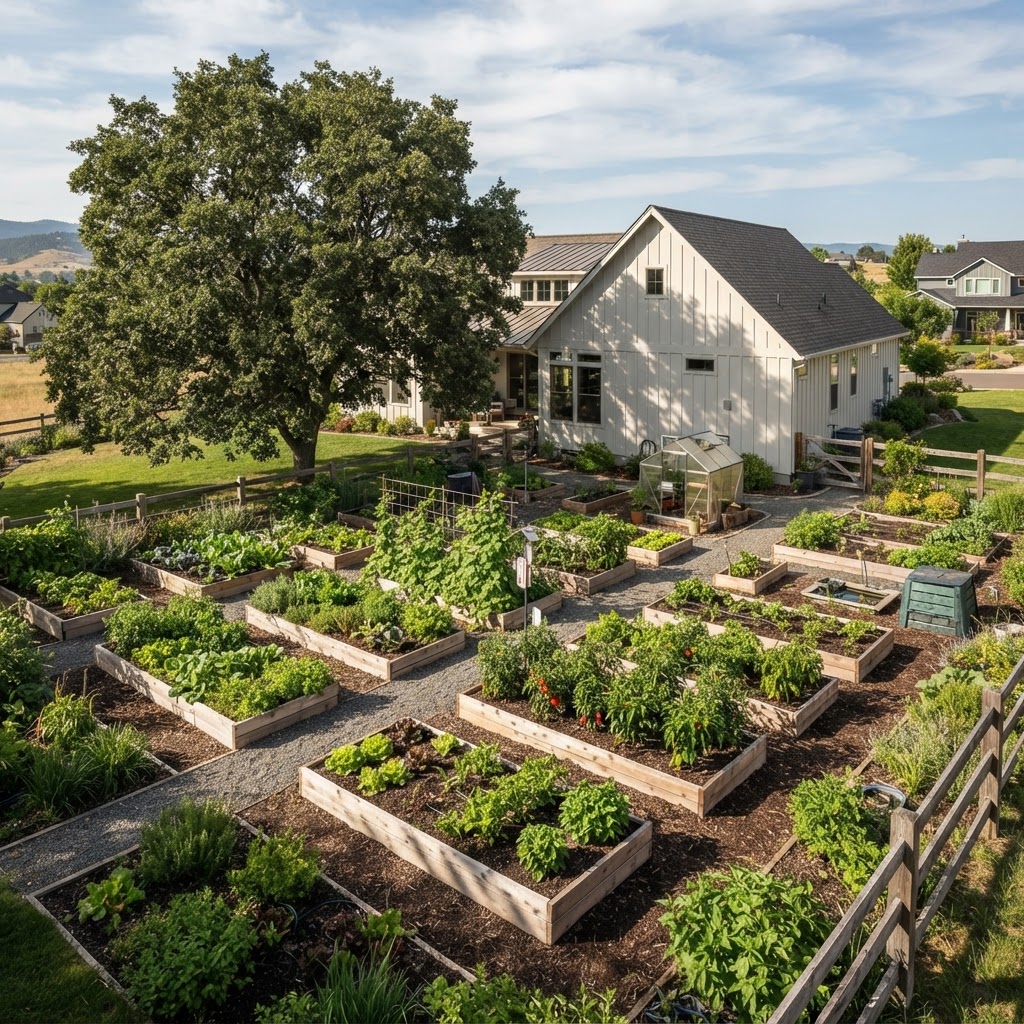
Hard surfaces such as brick walls, stone patios, and fences act as thermal mass. They absorb heat throughout the day and radiate it back into the garden at night, effectively raising the temperature of the immediate area by several degrees. Similarly, bodies of water like ponds or even rain barrels can moderate temperature extremes, cooling the air during the day and providing a slight warming effect at night.
Wind Patterns and Sunlight Exposure
Wind has a significant drying effect on both soil and plant tissue. A location that is perpetually wind-whipped will evaporate soil moisture faster and stress delicate crops. Meanwhile, sunlight exposure is the most obvious driver of microclimates. South-facing slopes receive the most intense light, while the north side of your home will remain in shadow for much of the day, creating a cool-climate oasis perfect for crops that bolt in the summer heat, such as lettuce or cilantro.
How to Identify Microclimates in Your Own Garden
The best way to map your garden's microclimates is through observation and data gathering. Start by walking your yard during different times of the day. Note where the morning sun hits versus where the shadows creep in by mid-afternoon. Consider using a basic soil thermometer to compare temperatures in different beds during the early spring. You will likely find that areas against a south-facing garage wall are consistently five to ten degrees warmer than an exposed patch of lawn in the center of your property.
Strategies to Modify Microclimates for Longer Harvests
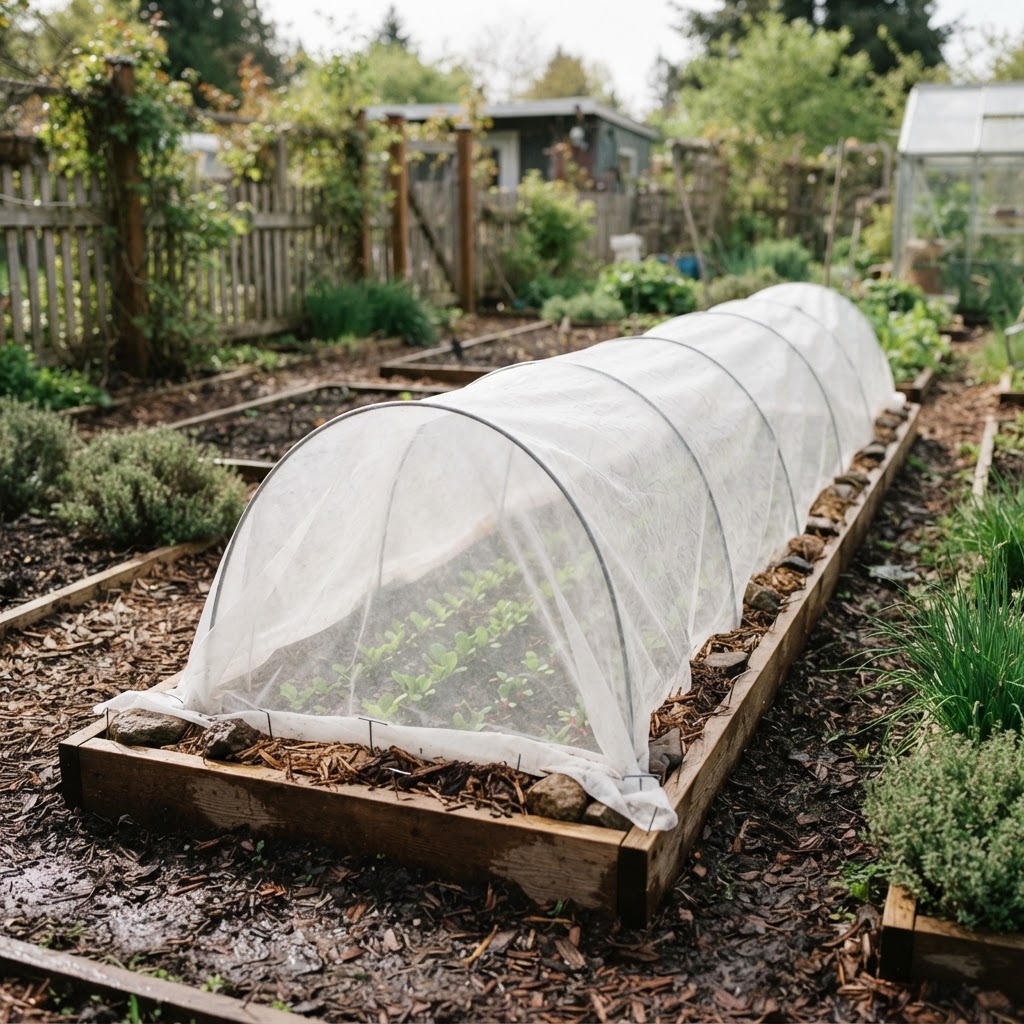
Once you understand your microclimates, you can begin to nudge them in your favor. If you have a particularly cold spot, consider installing windbreaks like hedges or decorative fencing to stop cold air flow. To create warmer pockets, use row covers or cloches to trap solar heat during the day. In areas that are too hot or dry, mulching heavily helps regulate soil temperature, while installing a simple trellis can provide the shade needed to keep crops like spinach productive well into the summer.
Choosing the Right Crops for Your Specific Environment
Success in the garden is ultimately about alignment. Once you have categorized your space into sunny/warm, shady/cool, or windy/exposed sections, match your crop choices accordingly. Do not fight the environment; if your yard has a persistent cool, shady spot, embrace it as a dedicated herb and leafy green garden. If you have a sun-drenched, heat-retaining wall, that is your prime real estate for peppers, eggplants, and melons.
Sources
- #microclimate gardening
- #vegetable garden tips
- #garden layout
- #seasonal gardening
Related Articles
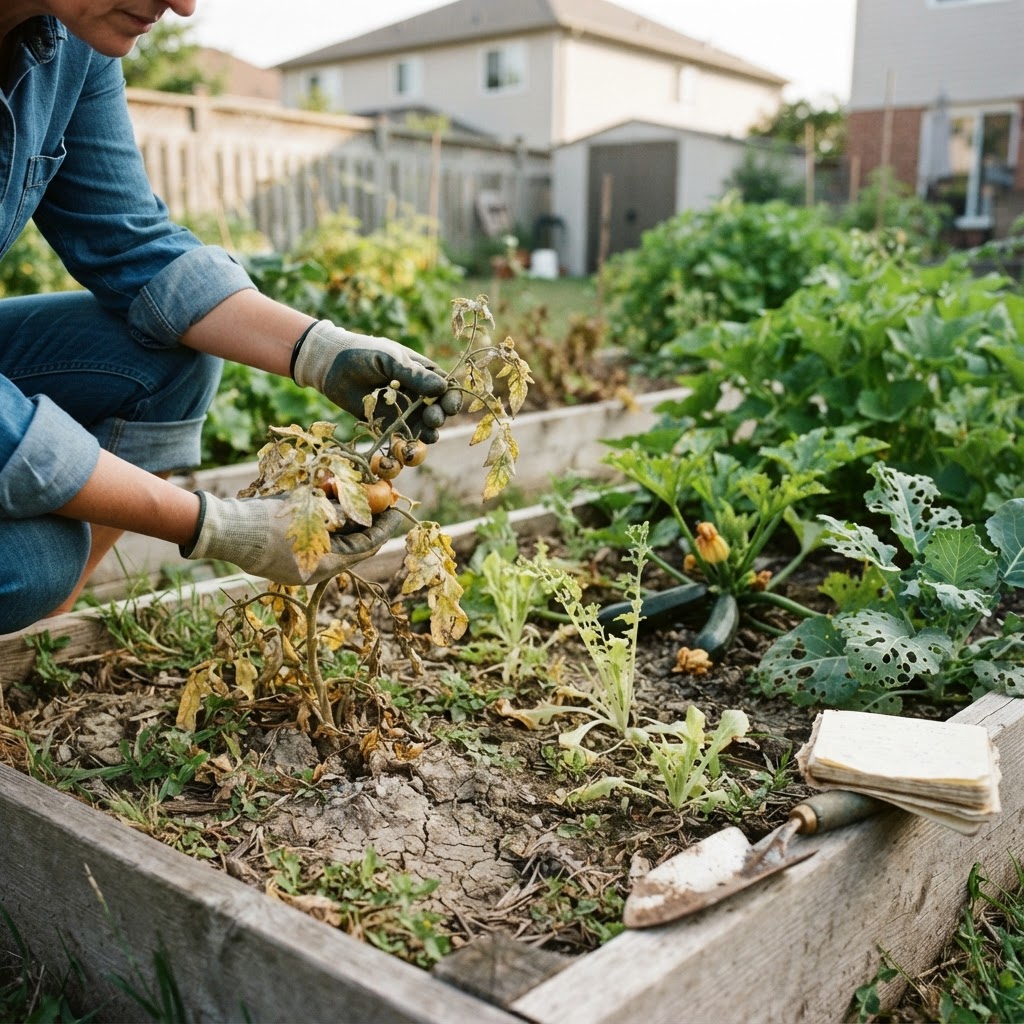
Vegetable Garden Failures: How to Fix Common Problems
Discover how to diagnose and resolve common vegetable garden challenges using practical, science-based troubleshooting techniques to save your plants.
High Yield Vegetable Gardening: Advanced Methods for Success
Take your harvest to the next level by implementing intensive planting strategies, precision nutrient management, and data-driven garden planning techniques.
Automated Garden Tools for Beginners: A Complete Guide
Learn how to use smart technology to streamline your gardening chores without losing the joy of working in the soil. This guide covers the basics of garden automation for beginners.