
Gardening
Vegetable Garden Layout Design: A Guide for Maximum Yield
Transform your vegetable garden from a chaotic patch into a high-yield system. Learn the fundamentals of space planning, orientation, and efficient design to maximize your harvest.
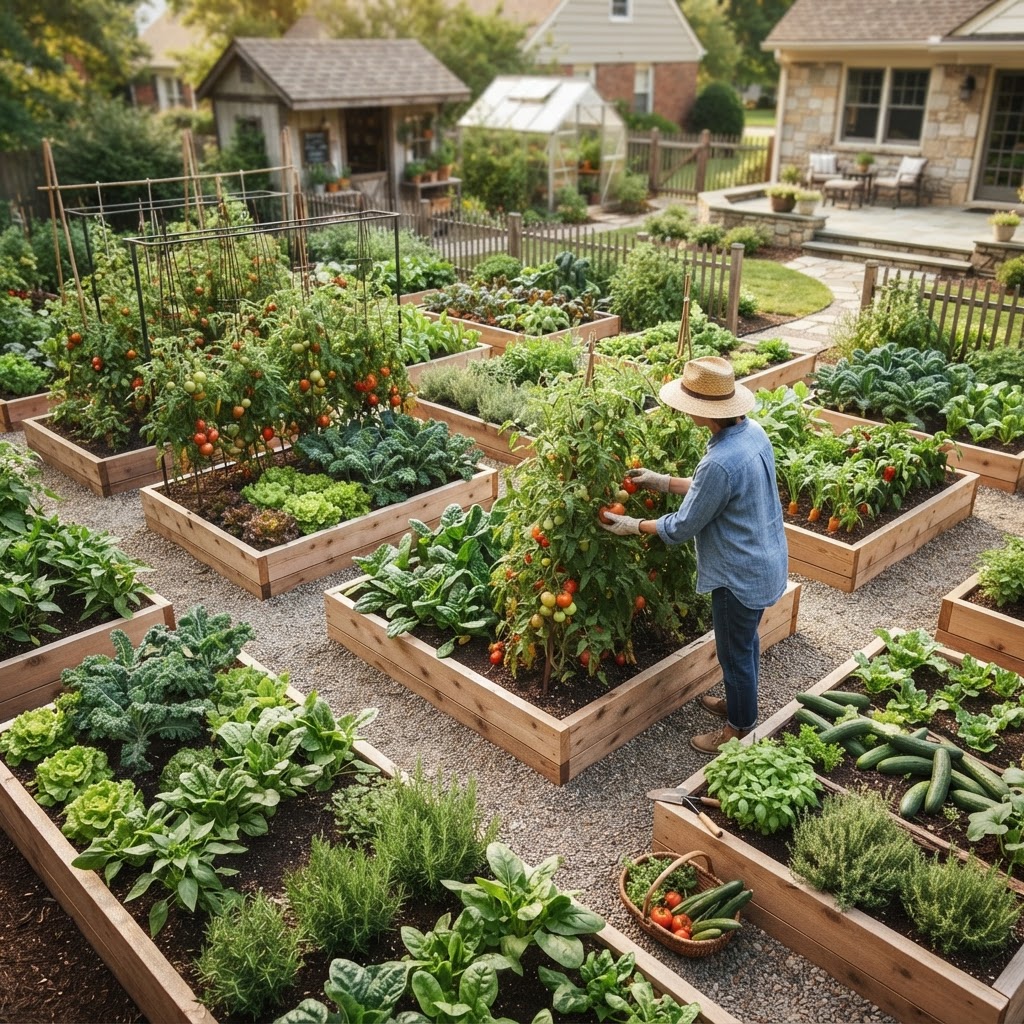
When you start a garden, the impulse is often to clear a patch of dirt and start planting. However, a well-thought-out vegetable garden layout design is the difference between a frustrating season of weeding and a bountiful harvest. By treating your garden as an engineered space, you can optimize sunlight, minimize water waste, and significantly increase the amount of produce you grow in a limited footprint.
Why Garden Layout Matters
Gardening is as much about logistics as it is about botany. A strategic layout ensures that you are not walking on your soil, which causes compaction, and that your crops are positioned to receive the resources they need. Efficiency in design means less time spent dragging hoses around, less time weeding, and more plants per square foot. When you plan your space, you create a system that works with nature rather than against it.
Assessing Your Growing Space
Before you draw a single line on paper, you must understand the site conditions of your backyard. Your garden layout design must respect the inherent characteristics of your land.
Sunlight and Orientation
Most vegetables require at least six to eight hours of direct sunlight. Observe how shadows move across your yard throughout the day. When considering orientation, a North-South alignment for rows is often recommended to ensure that the sun hits both sides of the plants equally as it moves across the sky. Conversely, if you live in a very hot climate, you might intentionally use tall crops like corn or trellised beans on the west side to shade sensitive greens during the brutal afternoon sun.
Soil Quality and Drainage Considerations
Observe where water pools after a heavy rain. If your garden is in a low spot, it will suffer from root rot. Layout design allows you to account for these issues by placing permanent paths in areas that drain poorly or by building up your planting areas to create natural elevation. Soil quality also dictates your layout; if you have poor native soil, you might shift from in-ground rows to raised beds to better control your growing medium.
Popular Vegetable Garden Layout Designs
The best garden plan depends on your goals, available space, and time commitment.
The Traditional Row Garden
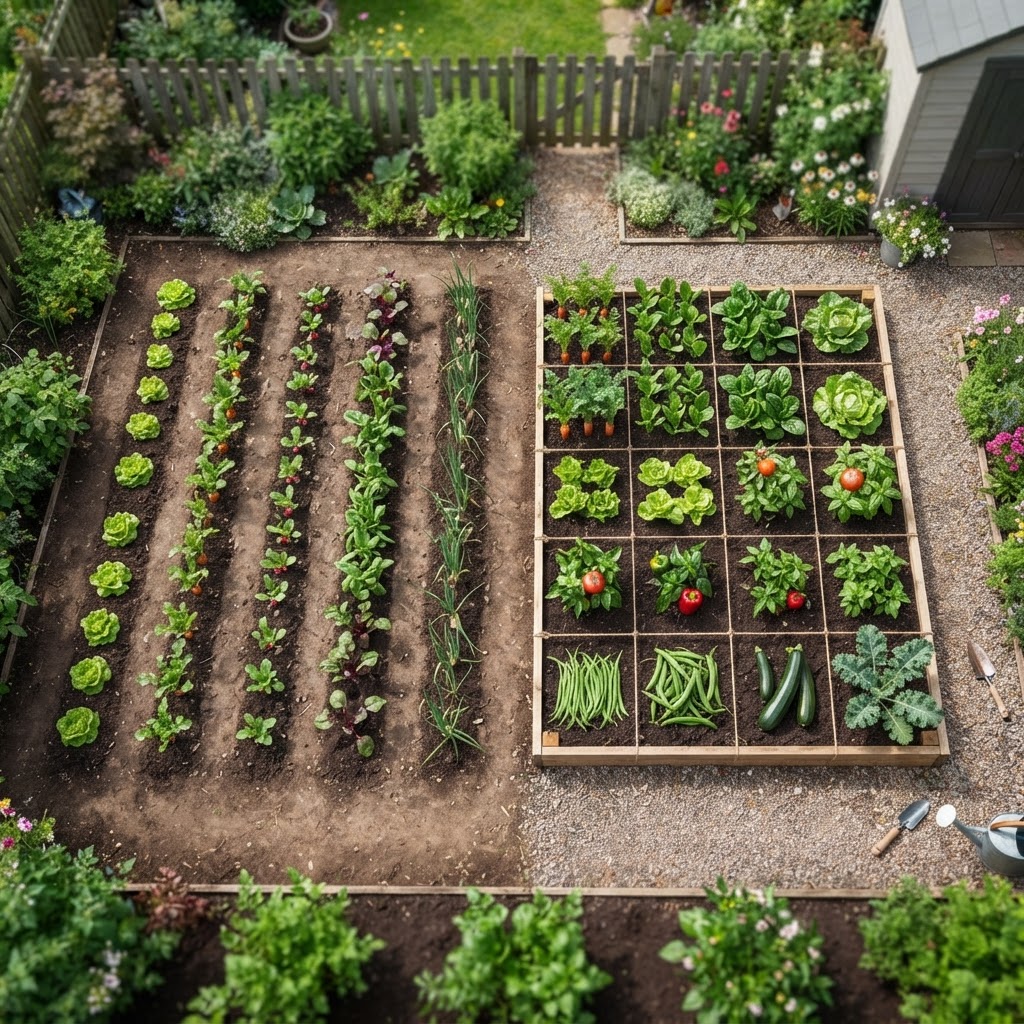
Ideal for larger properties and those using mechanical tillers. Rows are typically spaced three feet apart to allow for walking or equipment access. While simple, it can be inefficient for small urban lots because so much space is dedicated to paths.
Raised Bed Square-Foot Gardening
This is the gold standard for intensive production. By focusing on square-foot gardening layouts, you plant seeds in a grid pattern. This eliminates wasted space, smothers weeds through close canopy coverage, and is perfect for beginners who want a structured, manageable start.
Vertical Gardening for Small Spaces
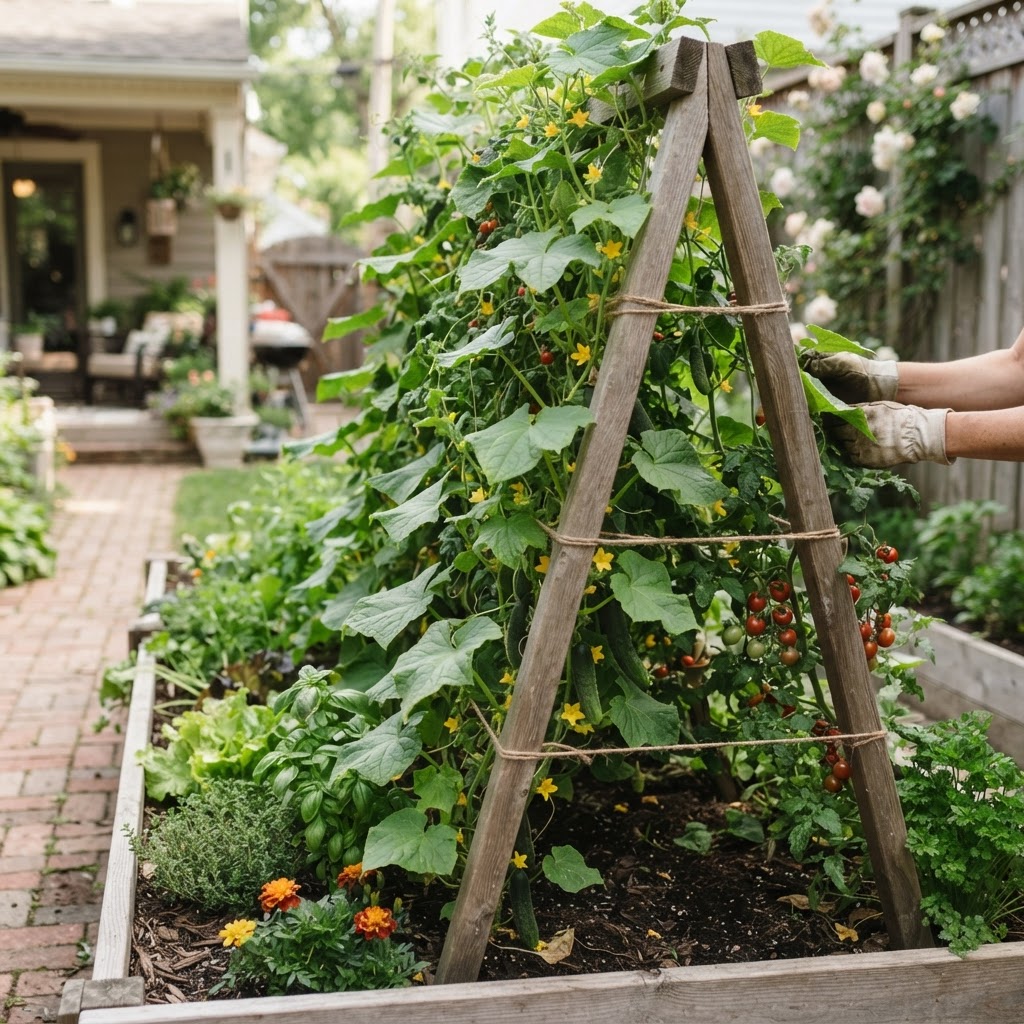
If you are limited by urban space, go up. Using trellises, arches, and hanging systems for vining crops like cucumbers, pole beans, and squash allows you to keep your ground space for low-growing root vegetables and greens.
Strategic Plant Placement and Companion Planting
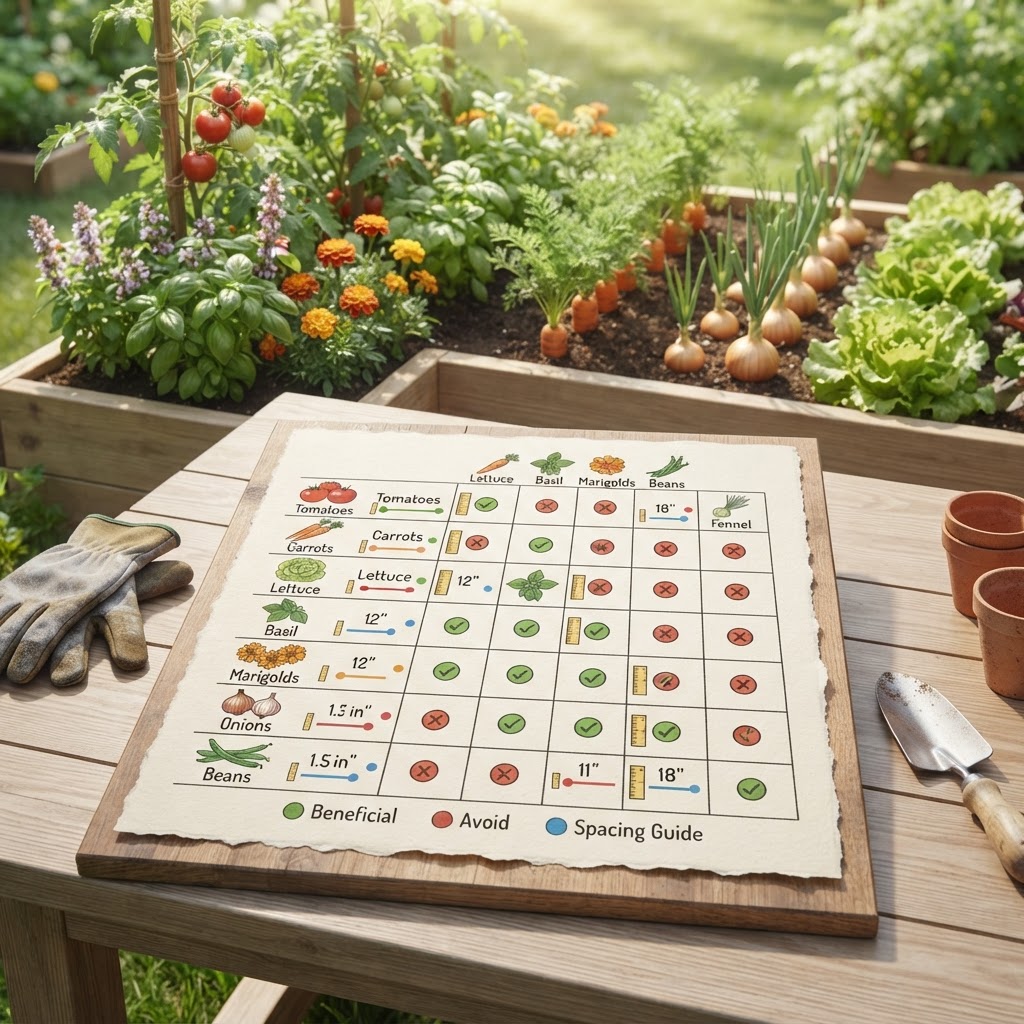
Your layout should group plants with similar needs. Place high-water plants like peppers and tomatoes near your water source. Utilize a companion planting chart to place mutually beneficial crops near each other. For example, planting nitrogen-fixing beans next to heavy-feeding corn can improve soil fertility, while planting strong-smelling herbs like basil or marigolds near tomatoes can help deter common pests.
Planning for Succession Planting and Rotation
A static garden is a stagnant garden. Your layout design should account for the entire season. Once spring peas are finished, what will follow? Planning for succession ensures that no bed stays empty for long. Additionally, crop rotation—the practice of moving plant families around your garden each year—is essential to prevent soil-borne diseases from taking hold in one specific location.
Common Layout Mistakes to Avoid
The most common error is making beds too wide. A bed should never be wider than four feet; if you cannot reach the center from the sides without stepping into the bed, you will eventually compact the soil. Another mistake is forgetting access. Always ensure your paths are wide enough for a wheelbarrow, and avoid "blind spots" in your design where plants are tucked away and forgotten until they are overgrown or infested with pests.
Sources
- #garden design
- #vegetable garden layout
- #square foot gardening
- #urban gardening
Related Articles
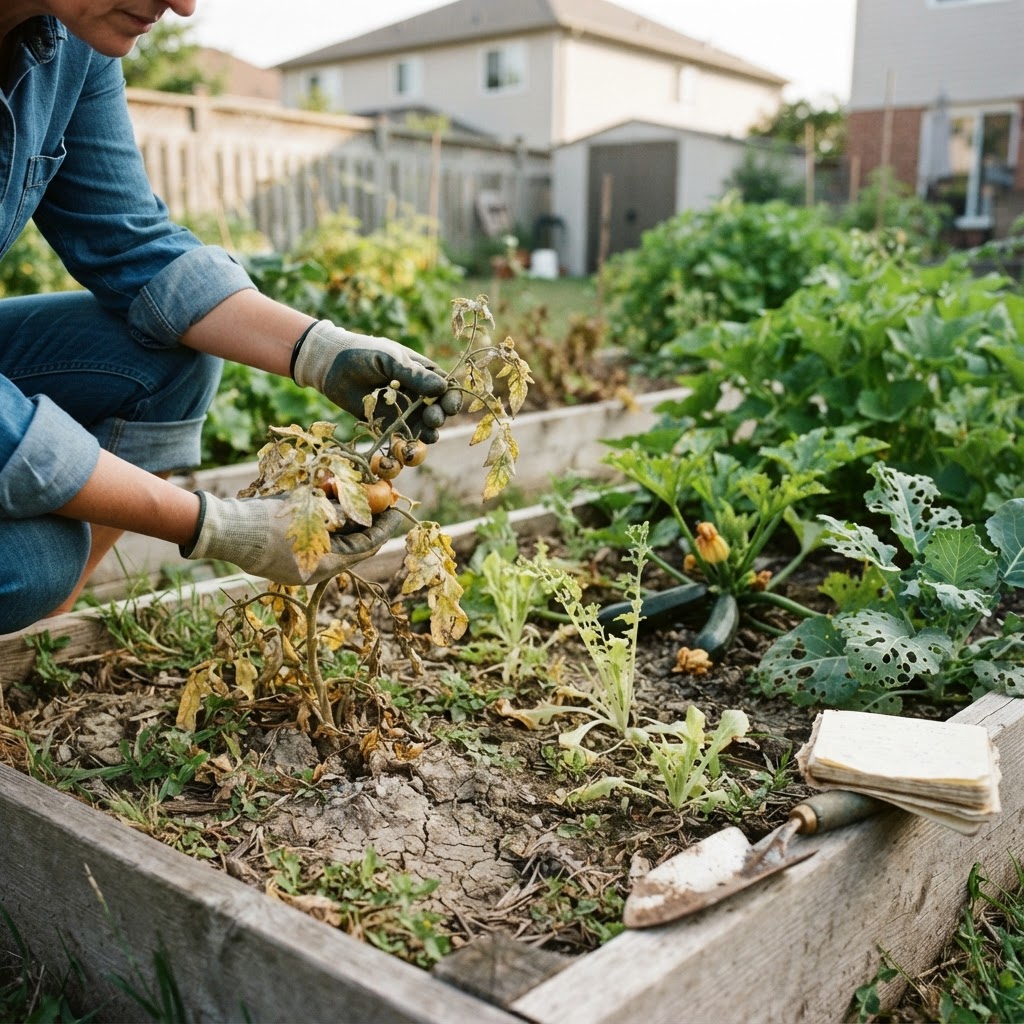
Vegetable Garden Failures: How to Fix Common Problems
Discover how to diagnose and resolve common vegetable garden challenges using practical, science-based troubleshooting techniques to save your plants.
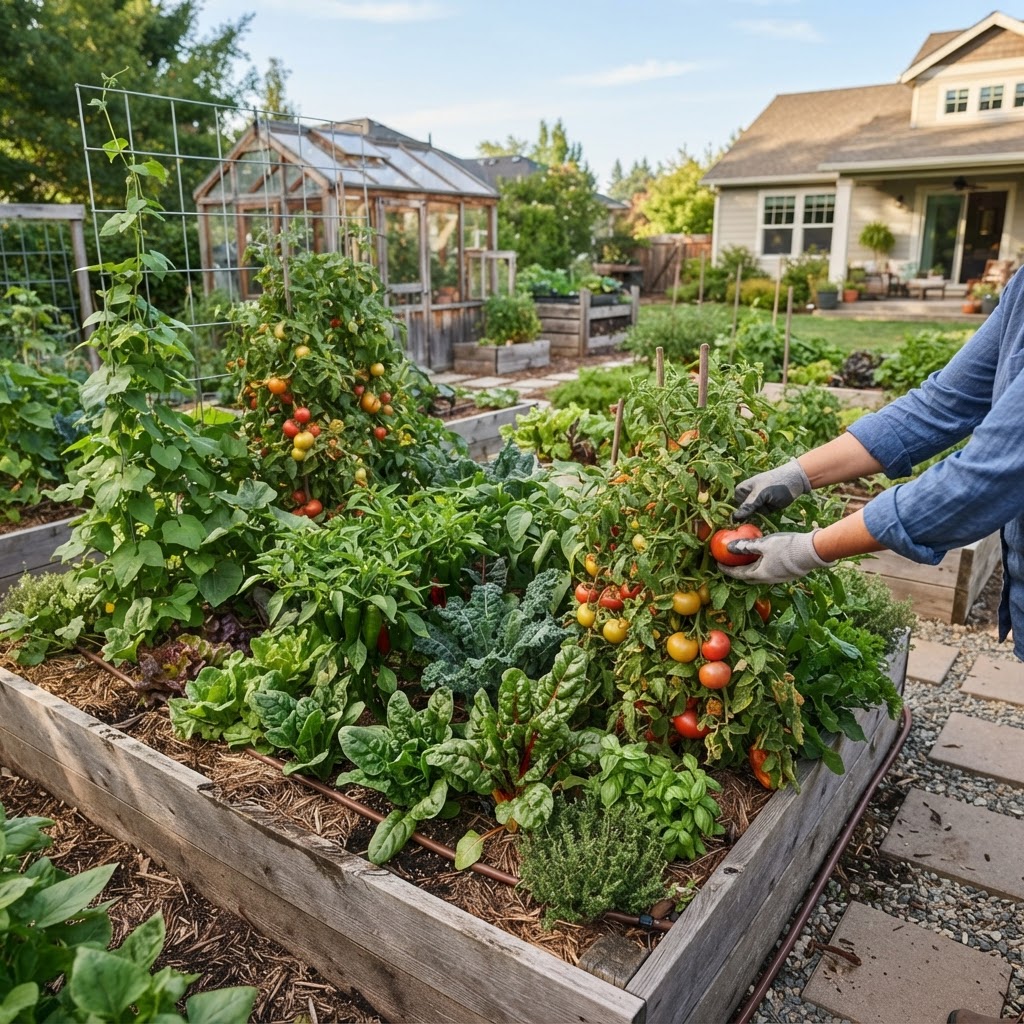
High Yield Vegetable Gardening: Advanced Methods for Success
Take your harvest to the next level by implementing intensive planting strategies, precision nutrient management, and data-driven garden planning techniques.
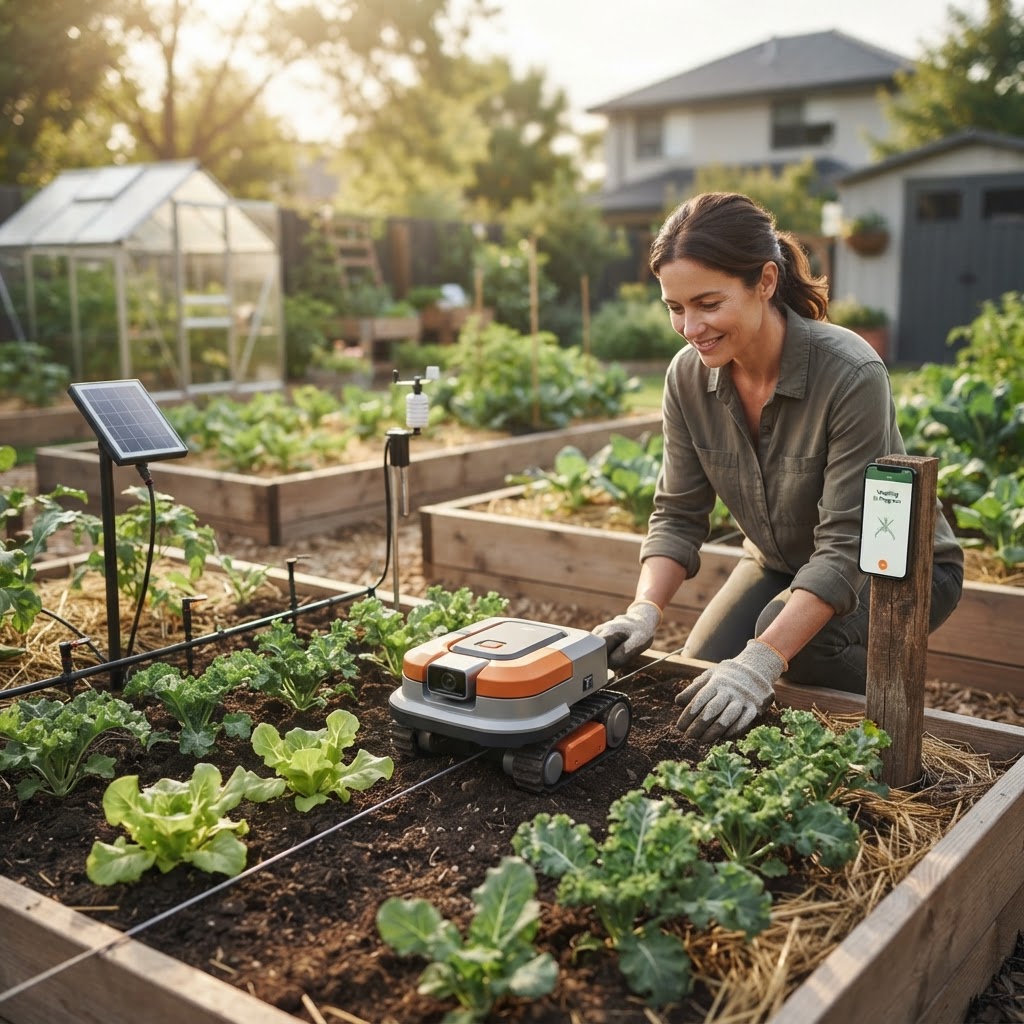
Automated Garden Tools for Beginners: A Complete Guide
Learn how to use smart technology to streamline your gardening chores without losing the joy of working in the soil. This guide covers the basics of garden automation for beginners.