Featured
10 Easiest Vegetables to Grow for Beginners
Growing your own vegetables is one of the most rewarding things you can do as a homeowner or renter. You get fresh produce right from your backyard, balcony,...
Why Start a Vegetable Garden?
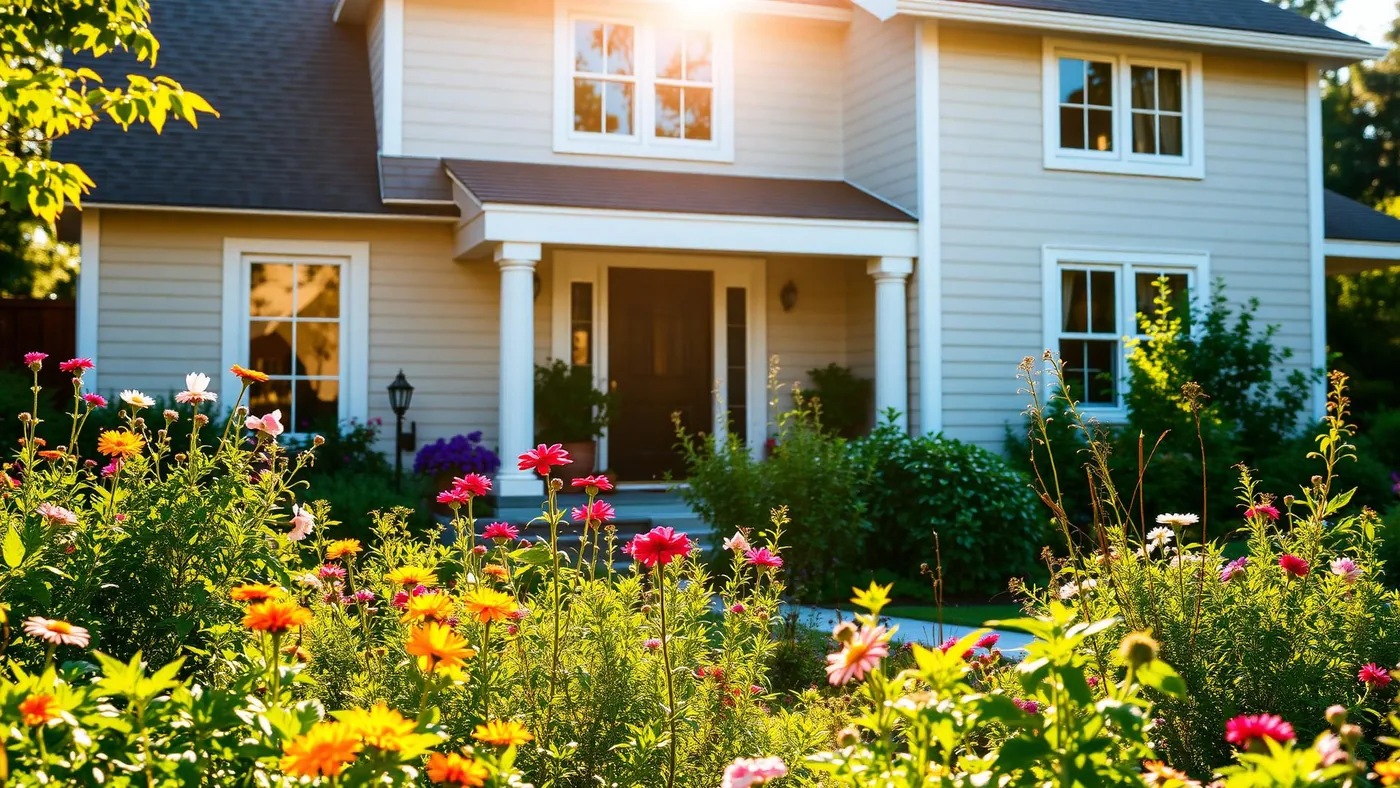
Growing your own vegetables is one of the most rewarding things you can do as a homeowner or renter. You get fresh produce right from your backyard, balcony, or windowsill — and you save money on groceries while you're at it. But for many beginners, the idea of starting a vegetable garden can feel overwhelming. Which plants should you choose? How much space do you need? What if everything just… dies?
Here's the truth: most people overthink it. Vegetable gardening doesn't have to be complicated. The secret is starting with the right plants — ones that are forgiving, fast-growing, and practically designed to succeed. That's exactly what this guide is all about. The easy vegetables to grow listed here are ideal for new gardeners who want quick wins, fresh harvests, and the confidence to keep going season after season.
Top 10 Easiest Vegetables for New Gardeners
Each vegetable below was chosen because it checks the boxes beginners care about most: minimal fuss, reasonable space requirements, and a satisfying, edible reward at the end. Many of them can even be grown in containers, making them great options for apartment dwellers or anyone with a small outdoor footprint.
1. Lettuce and Leafy Greens
Lettuce is arguably the single best vegetable for absolute beginners. It grows quickly (you can start harvesting in as little as 30 days), tolerates cool weather, and doesn't need deep soil — making it perfect for containers or raised beds. Varieties like loose-leaf lettuce, spinach, and arugula are especially forgiving. Simply sow seeds directly in the soil, keep them moist, and snip outer leaves as needed. This "cut-and-come-again" method means one planting gives you multiple harvests.
- Days to harvest: 30–60 days
- Space needed: 6–12 inches between plants
- Container-friendly: Yes — even a window box works
2. Radishes
If you want the fastest gratification in gardening, grow radishes. Some varieties are ready to harvest in as few as 22 days from seed. Radishes thrive in cool weather, need very little space, and are almost impossible to neglect to death. They're also fantastic for breaking up compacted soil, making them a great companion for other crops. Sow seeds directly in the ground and thin seedlings to about 2 inches apart.
- Days to harvest: 22–30 days
- Space needed: 2–3 inches between plants
- Container-friendly: Yes — a medium pot works well
3. Green Beans
Green beans are low-maintenance, high-yield plants that beginners love. Bush bean varieties (as opposed to pole beans) don't require staking or trellising, so setup is minimal. Direct sow seeds after the last frost date in your area, water consistently, and you'll be picking beans in about 50–60 days. One packet of seeds typically produces far more beans than you'd expect.
- Days to harvest: 50–60 days
- Space needed: 4–6 inches between plants
- Container-friendly: Yes, for bush varieties in large pots
4. Zucchini
Zucchini is famous in the gardening world for one reason: it produces abundantly. A single well-placed plant can keep a family stocked with zucchini all summer long. It grows fast, tolerates summer heat, and requires little attention beyond consistent watering. The main thing to watch is spacing — zucchini plants spread out, so give each one at least 2–3 feet of room. Check the plant daily once fruits start forming, as zucchini can go from perfect to oversized very quickly.
- Days to harvest: 50–65 days
- Space needed: 2–3 feet per plant
- Container-friendly: Possible in very large containers (15+ gallons)
5. Cherry Tomatoes
While large slicing tomatoes can be finicky, cherry tomatoes are one of the easiest and most satisfying vegetables to grow for beginners. They're more disease-resistant, produce fruit earlier, and bounce back from neglect better than their larger cousins. Choose a compact or patio variety if you're limited on space. Plant in a sunny spot (tomatoes need at least 6–8 hours of direct sun), water at the base, and use a simple cage or stake for support.
- Days to harvest: 60–70 days from transplant
- Space needed: 2 feet per plant minimum
- Container-friendly: Yes — 5-gallon pots or larger
6. Peas
Peas are a cool-season crop, meaning you can plant them in early spring (or fall in warmer climates) before most other vegetables go in the ground. They grow quickly, fix nitrogen into the soil (which actually improves your garden bed for future plants), and taste incredible fresh off the vine. Sugar snap peas are a particularly beginner-friendly variety — you eat the whole pod, so there's no shelling required. Give them something to climb, like a simple trellis or wire fence.
- Days to harvest: 60–70 days
- Space needed: 2–4 inches between plants
- Container-friendly: Yes, with a small trellis in the pot
7. Cucumbers
Cucumbers thrive in warm weather and produce generously once they get going. They do best with something to climb (a trellis or tomato cage), which also keeps fruit clean and makes harvesting easy. Water cucumbers consistently — irregular watering can lead to bitter-tasting fruit. For smaller spaces, look for "bush" cucumber varieties that stay compact. Harvest cucumbers when they reach full color but before they turn yellow, which signals overripeness.
- Days to harvest: 50–70 days
- Space needed: 12 inches between plants with vertical support
- Container-friendly: Yes, in large containers with a trellis
8. Peppers
Both sweet bell peppers and hot peppers are surprisingly easy to grow, and they're incredibly versatile in the kitchen. Peppers love heat and full sun, making them a great summer crop. Start seeds indoors 8–10 weeks before the last frost, or buy transplants from a local nursery to simplify things. Once established, pepper plants are relatively drought-tolerant and don't need a lot of fussing. They also do beautifully in containers.
- Days to harvest: 70–85 days from transplant
- Space needed: 18 inches between plants
- Container-friendly: Yes — one of the best container vegetables
9. Carrots
Carrots require a little more attention to soil than some other vegetables on this list — they need loose, well-drained soil free of rocks so the roots can grow straight down. If your native soil is heavy clay, raised beds or deep containers with quality potting mix are your best bet. Beyond that, carrots are hands-off: sow seeds directly, thin seedlings to 3 inches apart, keep the soil evenly moist, and wait. There's nothing quite like pulling your first carrot straight from the ground.
- Days to harvest: 70–80 days
- Space needed: 3 inches between plants, 12-inch deep soil
- Container-friendly: Yes — use deep pots (12+ inches)
10. Kale
Kale has earned its place as a beginner superstar. It's one of the most cold-hardy vegetables you can grow, surviving light frosts and even tasting sweeter after a cold snap. It's also a "cut-and-come-again" crop like lettuce — harvest outer leaves regularly and the plant keeps producing. Kale tolerates partial shade better than most vegetables, making it useful for spots that don't get full sun all day. It's also packed with nutrients, making every harvest feel extra worthwhile.
- Days to harvest: 55–75 days
- Space needed: 12–18 inches between plants
- Container-friendly: Yes — in pots at least 12 inches wide
🌱 Want more beginner gardening tips delivered straight to your inbox? Sign up for the Home Garden newsletter and get seasonal planting reminders, simple how-to guides, and fresh ideas every week.
Essential Tips for Vegetable Garden Success
Choosing the right vegetables is half the battle. These foundational tips will help you get the most out of your garden, no matter how much experience you have.
Start with Good Soil
Healthy soil is the foundation of a productive vegetable garden. Before planting, work compost or aged organic matter into your beds to improve drainage and nutrient availability. If you're gardening in containers or raised beds, use a quality potting mix formulated for vegetables. Good soil preparation upfront dramatically reduces problems later. (Check out our guide on basic soil preparation for beginners for a step-by-step walkthrough.)
Water Consistently, Not Excessively
Most vegetable gardens need about 1 inch of water per week, either from rainfall or supplemental watering. Rather than a little water every day, water deeply a few times per week to encourage roots to grow downward. The best time to water is in the morning, which allows foliage to dry during the day and reduces the risk of fungal disease. A simple drip system or soaker hose can make consistent watering nearly effortless.
Choose the Right Location
Most vegetables need 6–8 hours of direct sunlight per day to produce well. Before you plant, observe how sunlight moves across your yard or balcony throughout the day. South-facing spots are usually your best bet in the Northern Hemisphere. If full sun isn't available everywhere, prioritize your sunniest spots for fruiting vegetables like tomatoes, peppers, and cucumbers, and reserve shadier areas for leafy greens and kale.
Know Your Growing Zone
The USDA Plant Hardiness Zone Map divides the country into zones based on average minimum winter temperatures. Knowing your zone helps you understand your last and first frost dates, which determines when to plant and when to harvest. Planting too early (before the last frost) can kill warm-season seedlings overnight. Check a reliable zone reference for your zip code before planning each season.
Keep an Eye Out for Pests
Even the easiest vegetables can attract unwanted visitors. Common culprits include aphids, cucumber beetles, and caterpillars. The best defense is early detection — check the undersides of leaves regularly. Many pest problems can be handled with a strong spray of water, row covers, or introducing beneficial insects like ladybugs. For more detailed guidance, take a look at our article on how to manage common garden pests without reaching for harsh chemicals.
Don't Plant Too Much at Once
One of the most common beginner mistakes is planting everything at the same time and then getting overwhelmed by maintenance and harvesting. Start with two or three vegetables from this list, get comfortable with the process, then expand in subsequent seasons. A small, well-maintained garden will always outperform a large, neglected one.
Conclusion: Start Your Garden Today
The hardest part of any new hobby is simply beginning. If you've been putting off starting a vegetable garden because it seemed too complicated, too expensive, or too time-consuming — this list is proof that it doesn't have to be any of those things. The easy vegetables to grow covered in this guide are beginner-friendly by design: they're forgiving, fast-producing, and rewarding in a very tangible, edible way.
Start with one raised bed, a handful of containers on your patio, or even a single pot on your balcony. Plant a couple of items from this list, follow the basic care tips, and you'll be harvesting your own food before you know it. Every great gardener started exactly where you are right now — and the best time to begin is always today.
📬 Stay in the loop all season long. Subscribe to the Home Garden newsletter for planting calendars, easy-care guides, and beginner-friendly project ideas delivered to your inbox. No spam, just good gardening content.
Related Articles
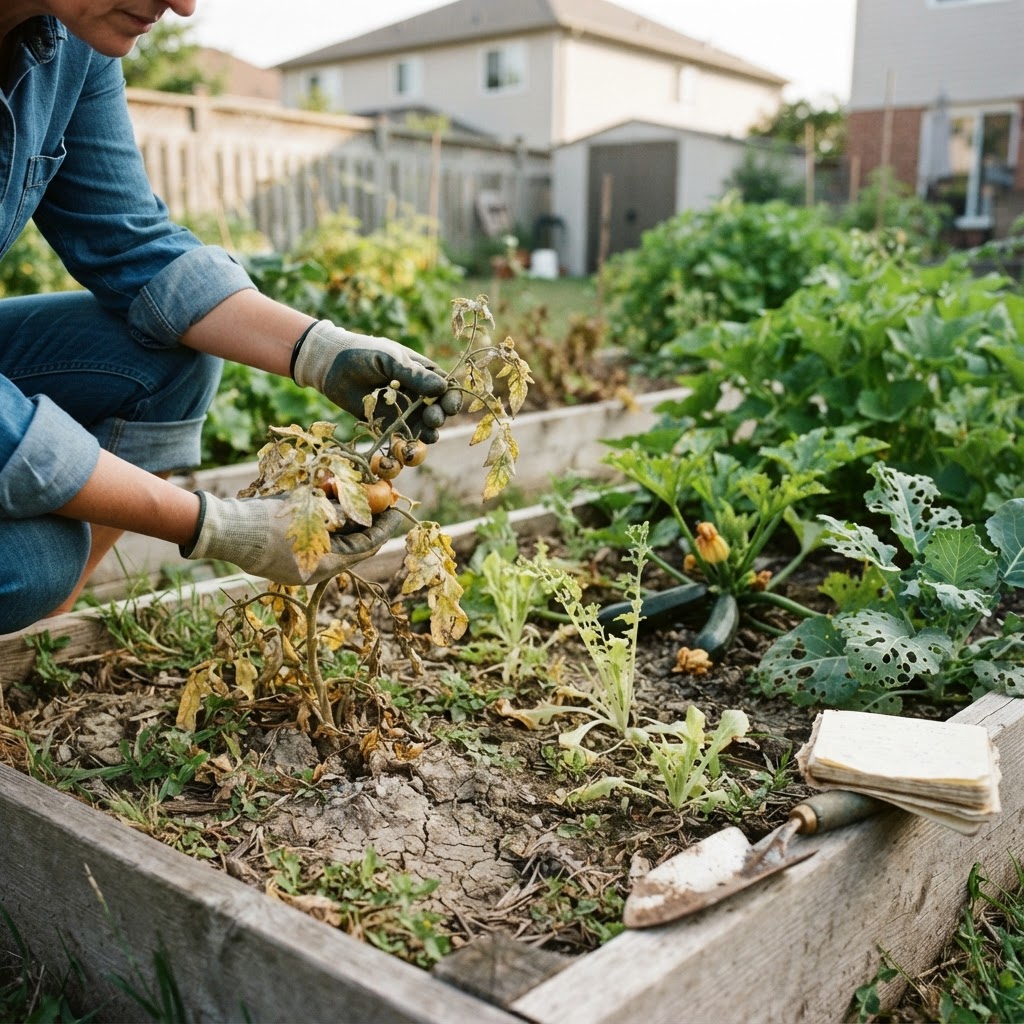
Vegetable Garden Failures: How to Fix Common Problems
Discover how to diagnose and resolve common vegetable garden challenges using practical, science-based troubleshooting techniques to save your plants.
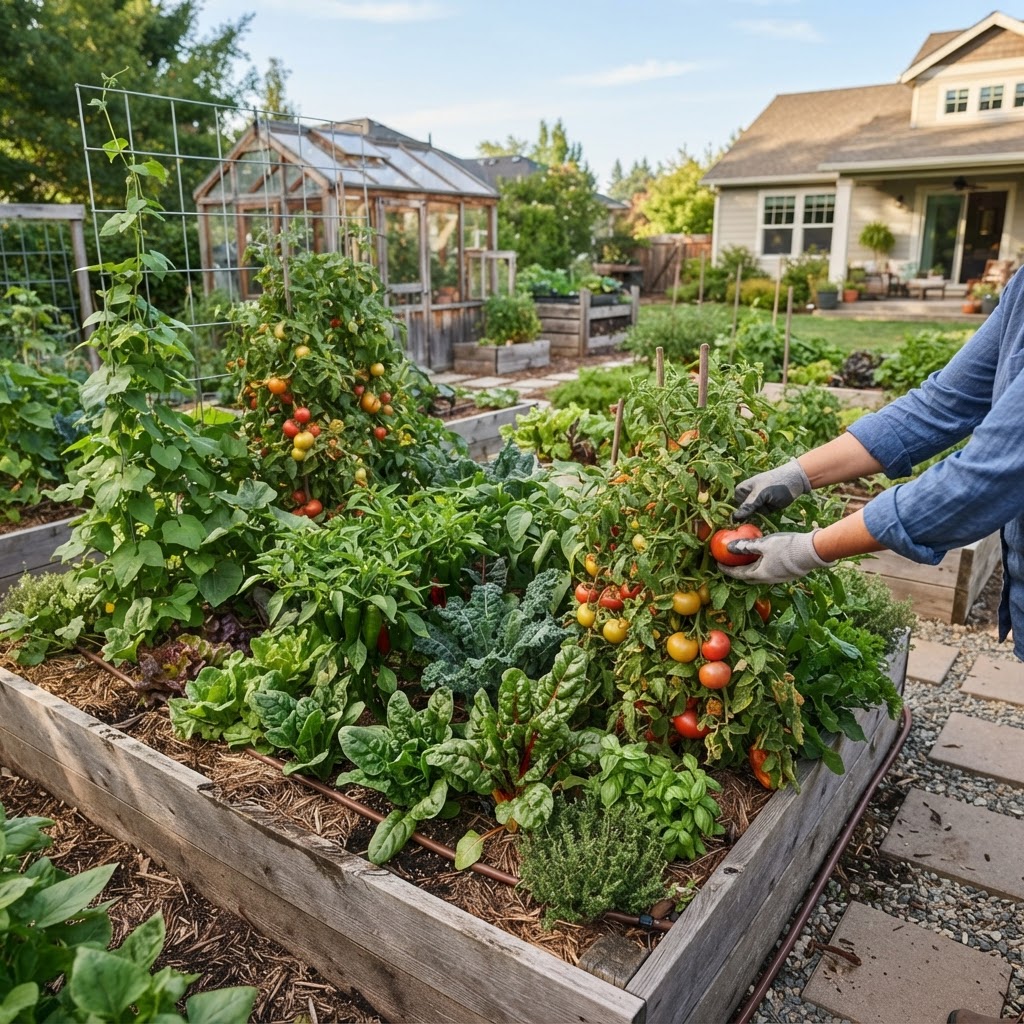
High Yield Vegetable Gardening: Advanced Methods for Success
Take your harvest to the next level by implementing intensive planting strategies, precision nutrient management, and data-driven garden planning techniques.
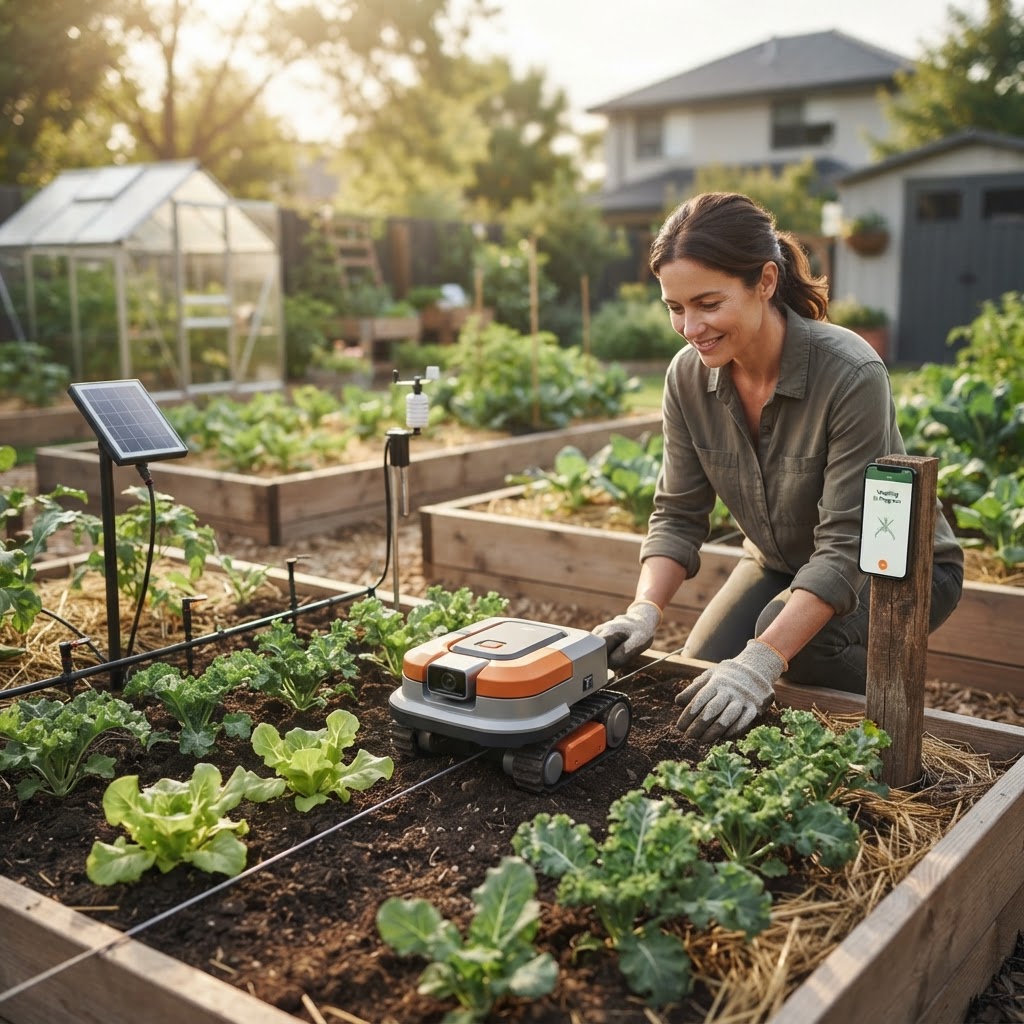
Automated Garden Tools for Beginners: A Complete Guide
Learn how to use smart technology to streamline your gardening chores without losing the joy of working in the soil. This guide covers the basics of garden automation for beginners.