
Gardening
How to Fix Common Indoor Plant Problems: A Pro Guide
Learn how to diagnose and treat common indoor plant problems with this straightforward troubleshooting manual for healthy houseplants.
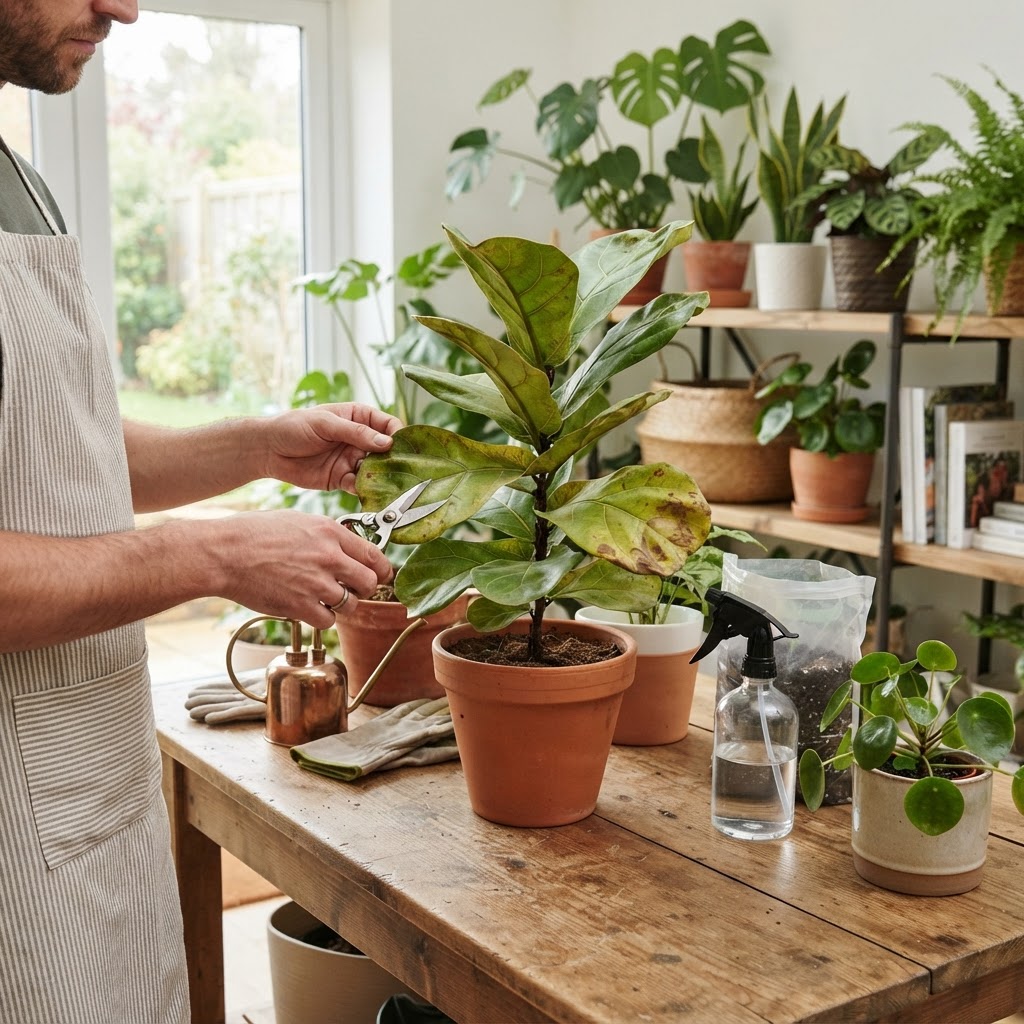
Identifying Signs of Plant Distress
Every plant enthusiast eventually faces the challenge of managing sick indoor plants. While it can be disheartening to see a vibrant specimen begin to decline, most indoor plant problems are fixable if caught early. The key to successful plant care lies in observation. Before assuming the worst, take a close look at your plant's environment, soil, and leaf condition. Plants communicate their needs through visual cues, and learning to interpret these signs is the first step toward recovery.
Common Leaf Issues: What They Mean
Leaves are often the first part of the plant to signal that something is amiss. By observing changes in color, texture, and shape, you can often pinpoint the underlying issue.
Yellowing Leaves
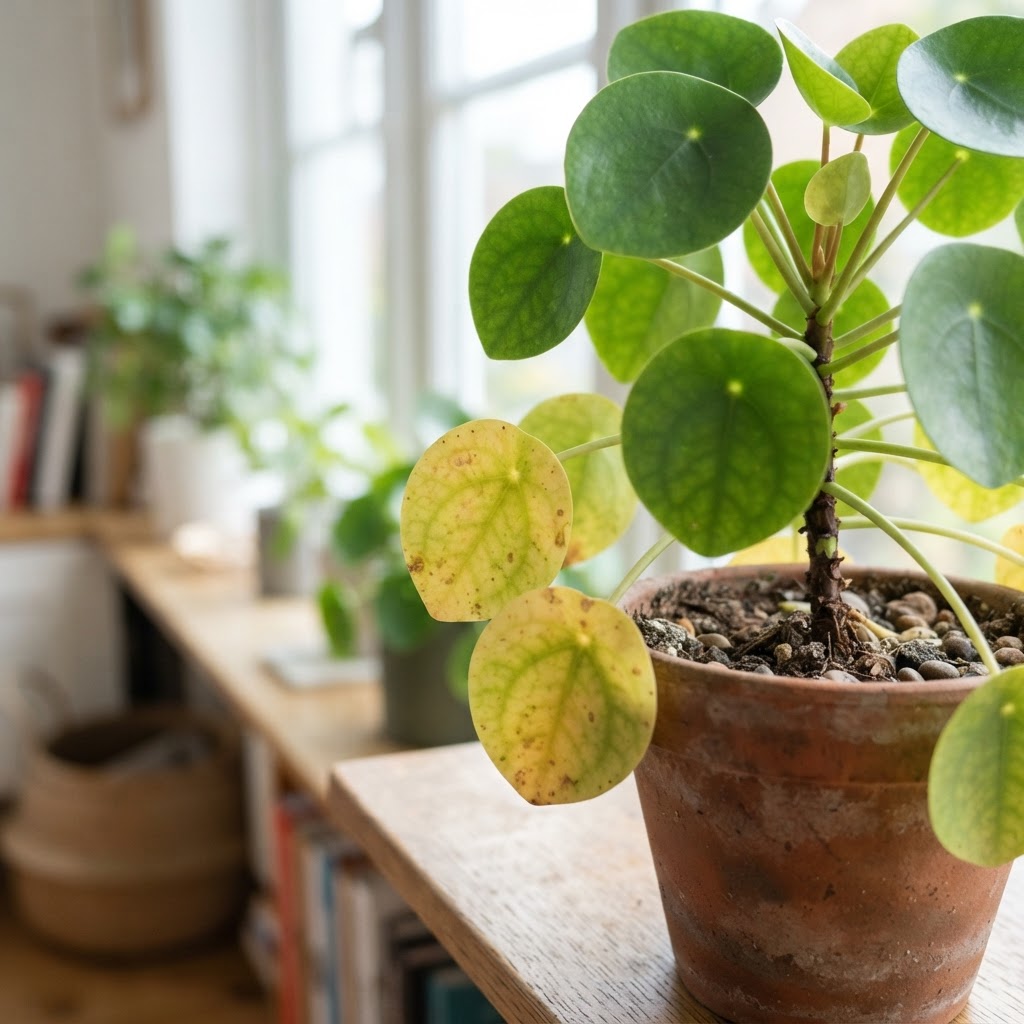
Yellow leaves, a condition known as chlorosis, often indicate water-related stress. While it is commonly associated with overwatering, it can also stem from poor drainage or nutrient deficiencies. If the lower leaves are turning yellow and feeling mushy, your plant is likely retaining too much moisture.
Brown Tips and Edges
Brown, crunchy tips on leaves are a classic sign of low humidity or mineral buildup in the soil. This is especially common in tropical plants kept in dry indoor environments during the winter months. Occasionally, this can also be caused by using water that is high in chlorine or fluoride.
Leaf Drop
Sudden leaf drop is often a reaction to environmental shock. If you have recently moved your plant to a new location, changed your watering schedule, or experienced a significant temperature shift, the plant may shed leaves as it attempts to adapt to its new conditions.
Troubleshooting Watering Problems
Watering is the most frequent cause of indoor plant problems. Finding the balance is critical to maintaining a healthy root system.
Overwatering vs. Underwatering
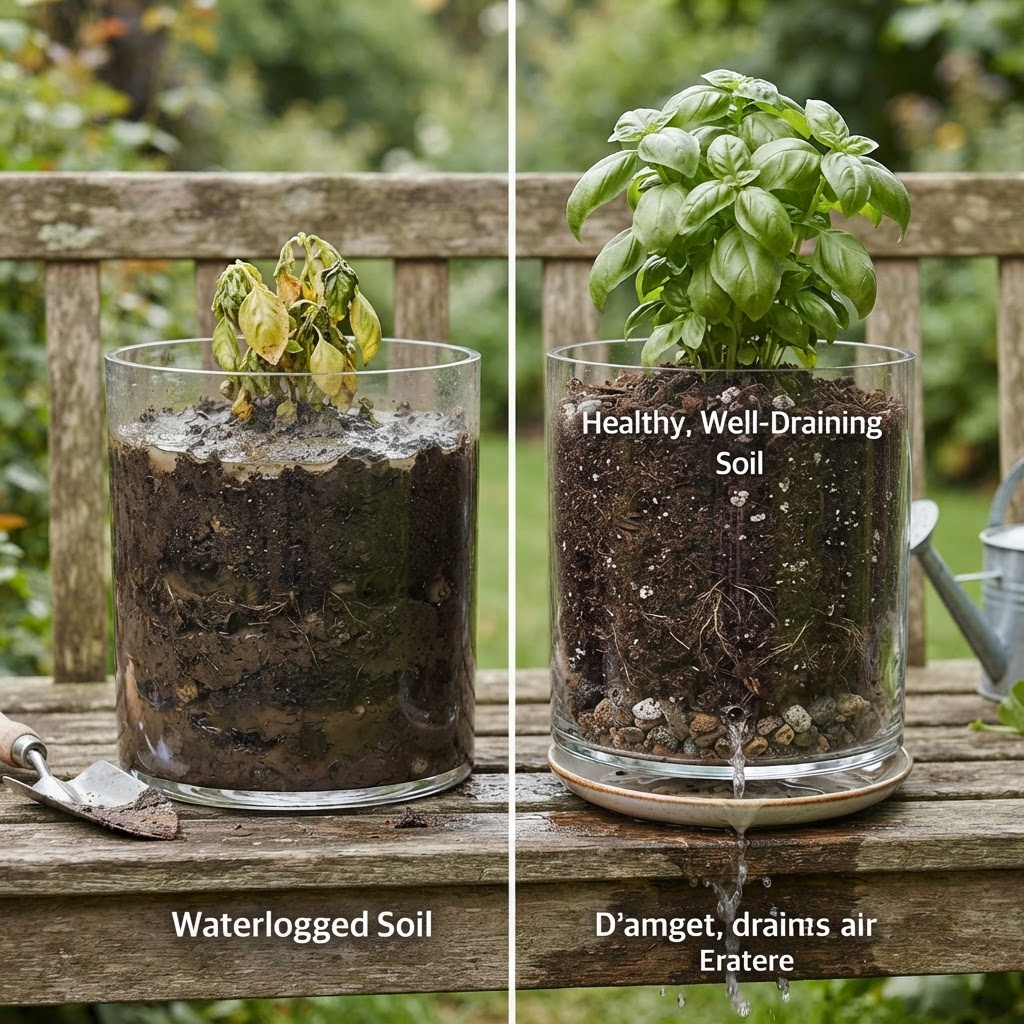
Overwatering does not just mean giving the plant too much water at once; it means keeping the soil consistently wet for too long, which suffocates the roots. Symptoms of overwatering include yellowing leaves, soft stems, and a foul odor coming from the soil. Conversely, underwatering results in dry, brittle leaves and stunted growth. Always check the top two inches of soil with your finger before reaching for the watering can.
Pests and Diseases
Even the best-cared-for plants can occasionally succumb to infestations. Early detection is your best defense.
Common Houseplant Pests
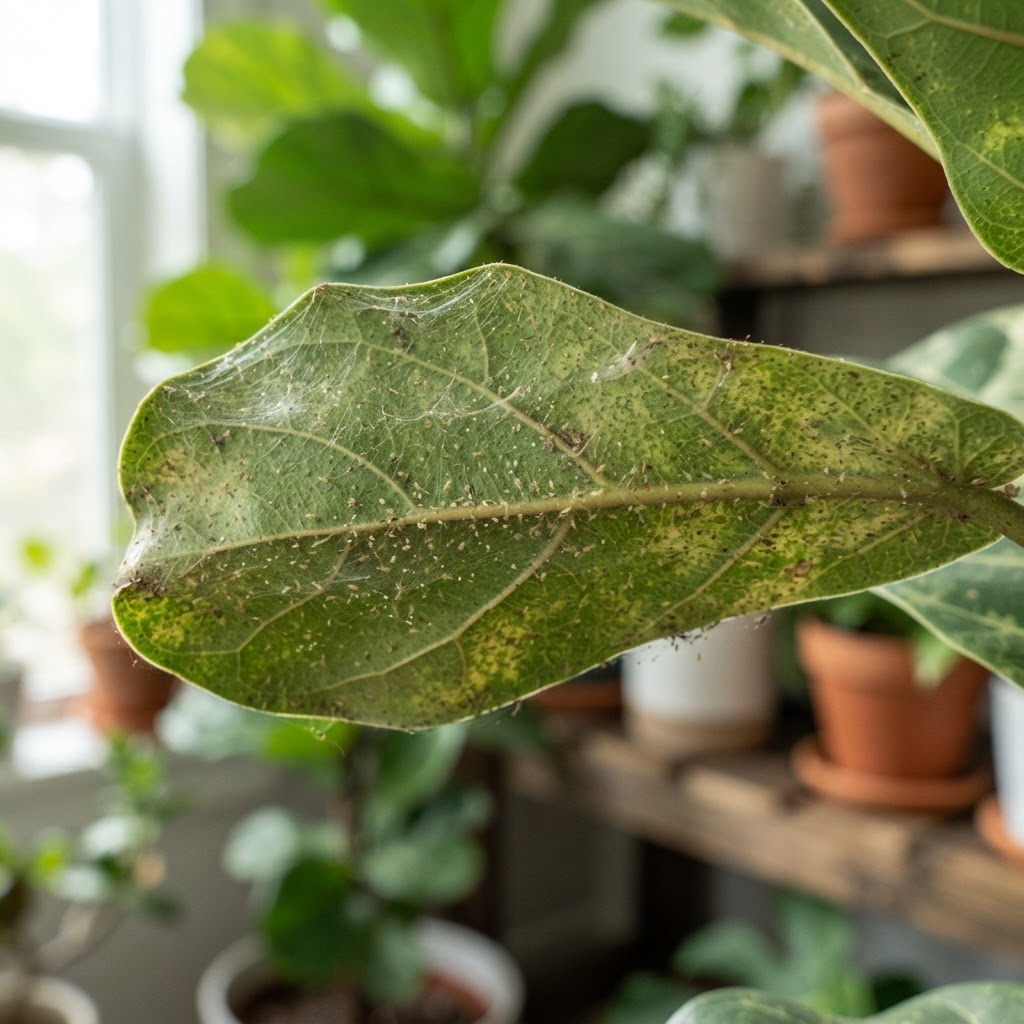
Keep an eye out for pests such as fungus gnats, spider mites, and scale. Fungus gnats often appear when the top layer of soil stays damp for extended periods. Spider mites prefer dry, hot conditions and often leave tiny webs behind. If you see sticky residue or small cotton-like patches on your foliage, investigate immediately and isolate the affected plant from your collection.
Light and Environment Factors
If your water and soil look healthy but the plant is still struggling, the issue is likely environmental. Plants need specific light conditions to perform photosynthesis. If a plant has large gaps between its leaves or is leaning heavily toward a window, it is likely reaching for more light.
When to Repot or Prune
Sometimes, a plant has simply outgrown its container. If you notice roots circling the bottom of the pot or growing out of the drainage holes, it is time to repot. Pruning is equally important; removing dead or diseased foliage allows the plant to direct its energy toward healthy growth instead of trying to save dying tissue.
Conclusion: Developing a Consistent Plant Care Routine
Fixing indoor plant problems is a process of trial and error. By maintaining a consistent routine—checking soil moisture weekly, cleaning leaves, and monitoring for pests—you can prevent most issues before they start. Remember that plants, like any living thing, have periods of rest and active growth. Patience and observation are your greatest tools as a home gardener.
Want to keep your plants thriving all year round? Sign up for our newsletter to receive seasonal care tips and troubleshooting guides delivered directly to your inbox.
- #houseplant care
- #plant health
- #gardening tips
- #troubleshooting
Related Articles
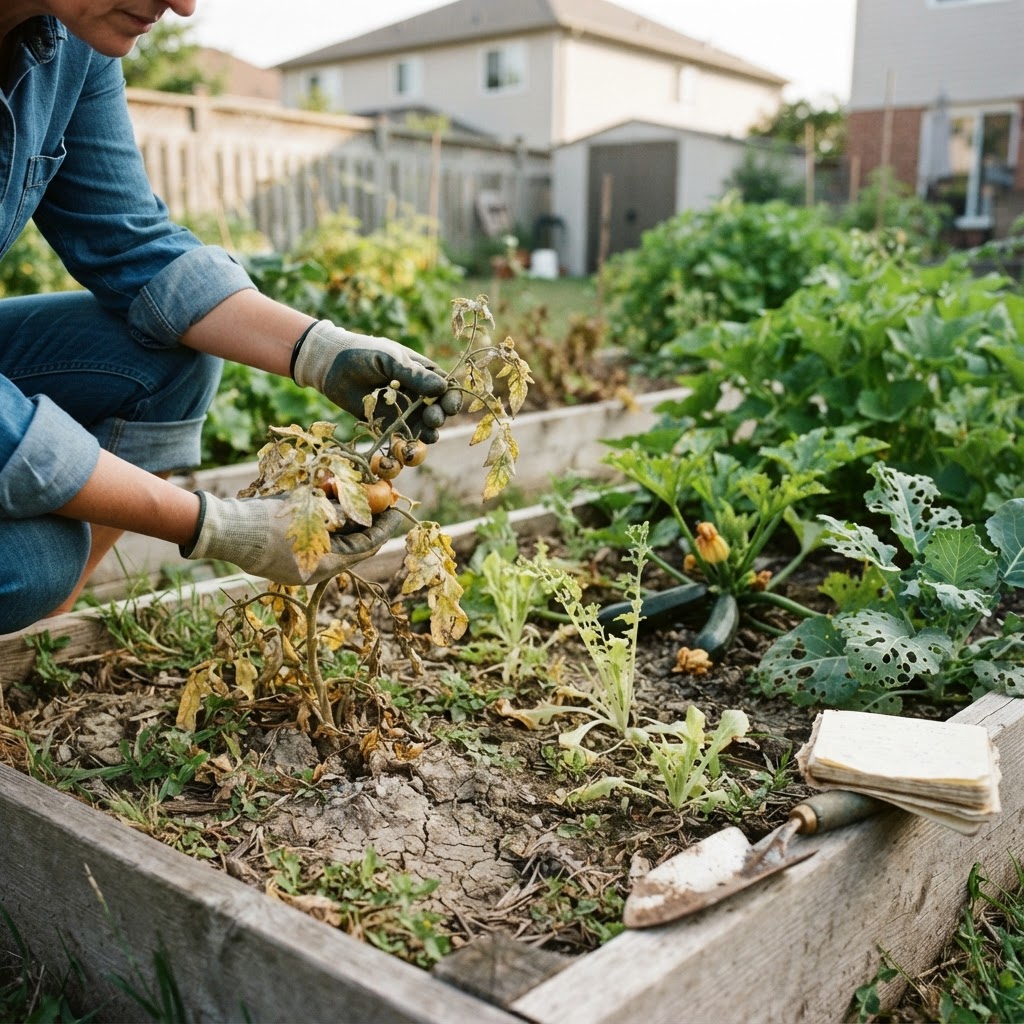
Vegetable Garden Failures: How to Fix Common Problems
Discover how to diagnose and resolve common vegetable garden challenges using practical, science-based troubleshooting techniques to save your plants.
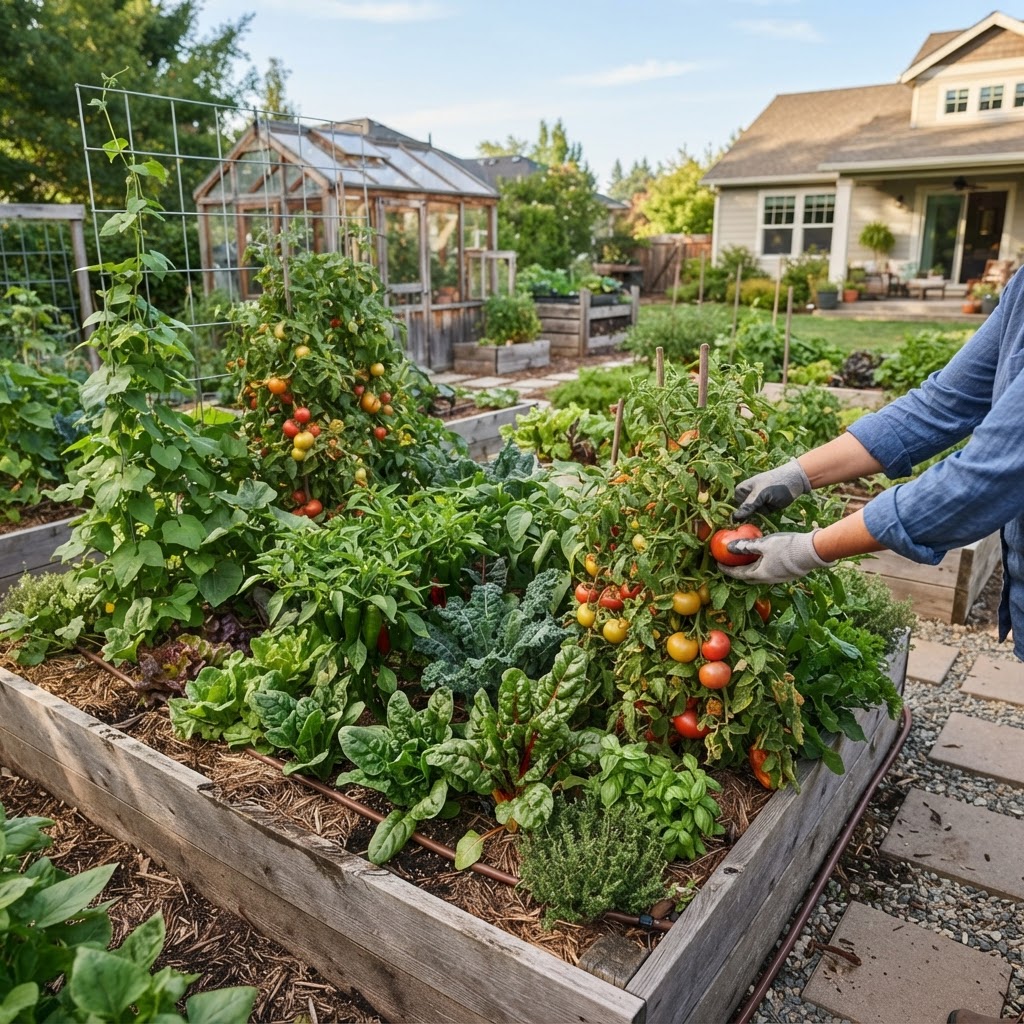
High Yield Vegetable Gardening: Advanced Methods for Success
Take your harvest to the next level by implementing intensive planting strategies, precision nutrient management, and data-driven garden planning techniques.
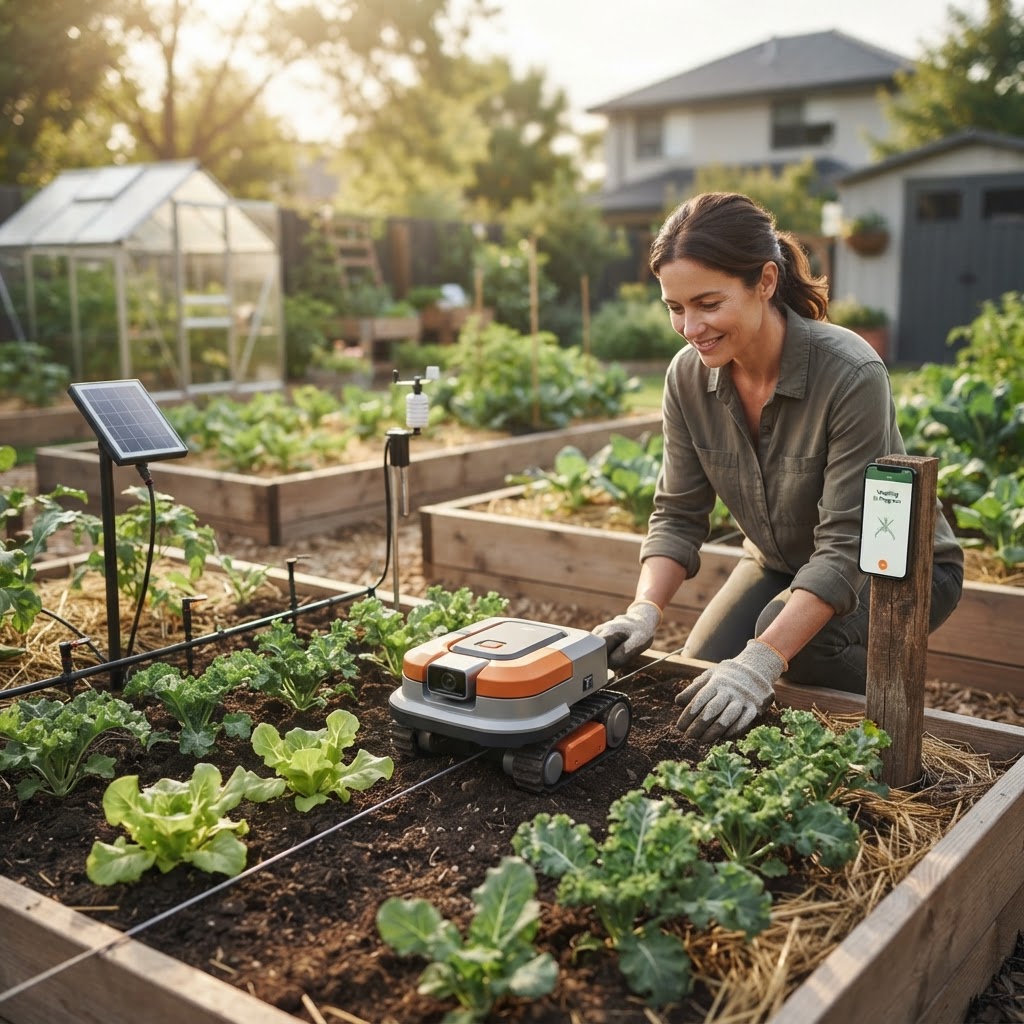
Automated Garden Tools for Beginners: A Complete Guide
Learn how to use smart technology to streamline your gardening chores without losing the joy of working in the soil. This guide covers the basics of garden automation for beginners.