
Gardening
10 Best Low-Maintenance Plants for Busy Homeowners
Discover the top low-maintenance plants that thrive with minimal care, perfect for busy professionals and gardening beginners alike. Learn how to maintain your indoor greenery without the stress.
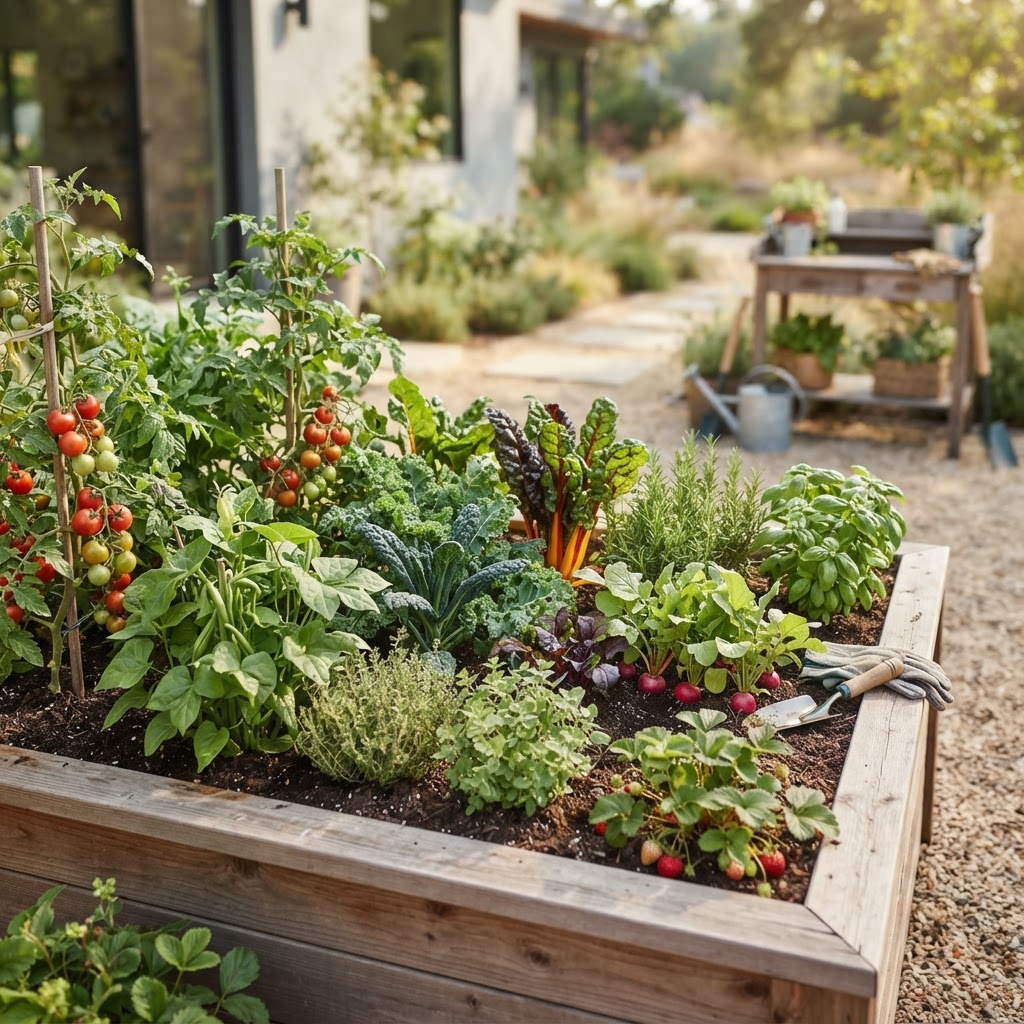
Do you love the idea of a lush indoor garden but fear that your busy schedule makes you a 'plant killer'? The myth that you need a natural green thumb to keep plants alive is one of the biggest barriers to entry for many homeowners. In reality, successful indoor gardening is less about innate talent and more about selecting the right species for your environment. By choosing low-maintenance plants, you can enjoy a vibrant home without the constant burden of daily care.
What Makes a Plant Truly Low-Maintenance?
A plant is considered low-maintenance if it is forgiving of irregular watering schedules, tolerant of varied light levels, and resistant to minor environmental fluctuations. These resilient survivors are the perfect foundation for any busy household. They essentially 'thrive on neglect,' allowing you to go about your week without worrying about their health every single day.
Top 10 Resilient Plants for Your Home Garden
Snake Plant (Sansevieria)
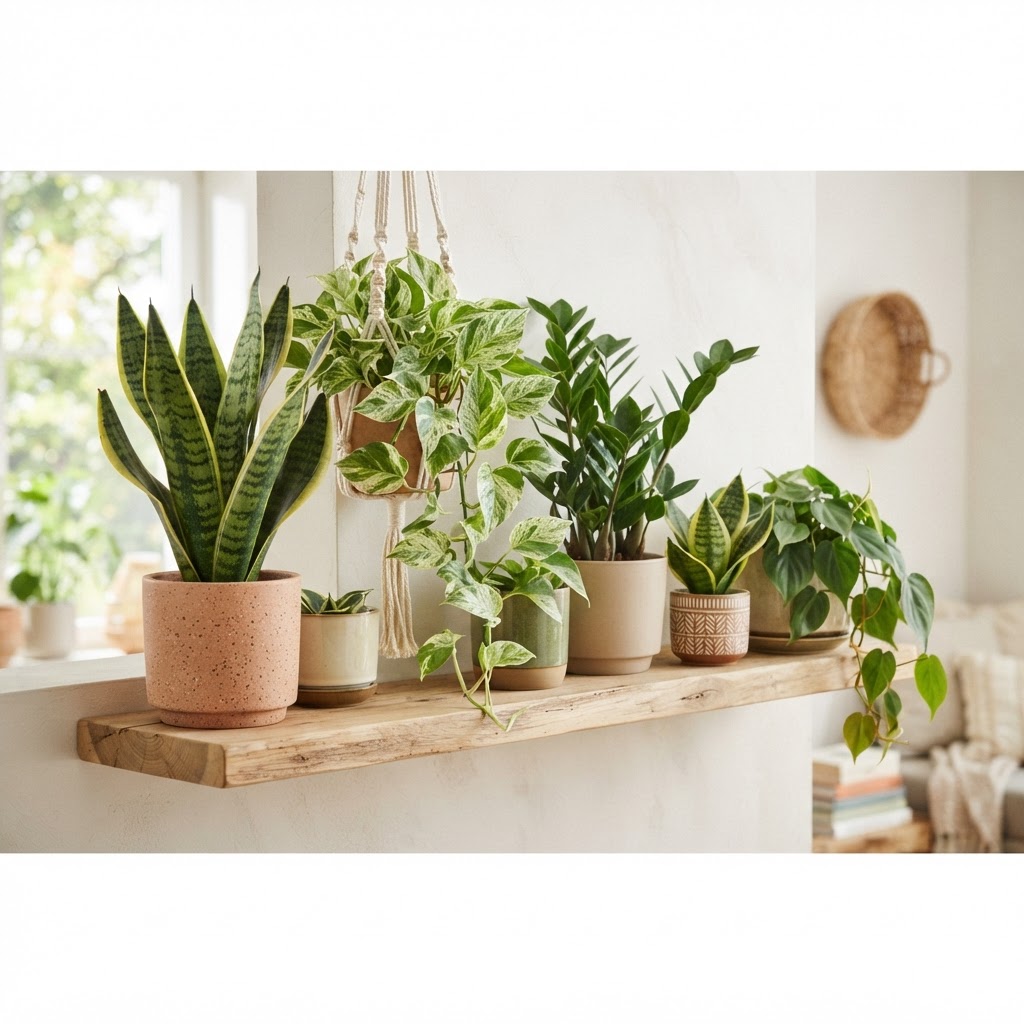
The Snake Plant is arguably the champion of the indoor gardening world. With its architectural, upright leaves, it fits perfectly in tight corners. It is incredibly drought-tolerant, meaning it actually prefers for its soil to dry out completely between waterings.
ZZ Plant (Zamioculcas zamiifolia)
The ZZ Plant features waxy, deep green leaves that reflect light beautifully. It is an ideal choice for rooms with very little natural light, as it is highly adaptable and requires very little water.
Pothos (Epipremnum aureum)
Known for its trailing vines, Pothos is one of the easiest houseplants to grow. It is highly expressive; the leaves will begin to droop slightly when it is time for a drink, making it a great plant for beginners who are still learning to read plant signals.
Spider Plant (Chlorophytum comosum)
The Spider Plant is a resilient, fast-growing variety that looks great in hanging baskets. It is highly adaptable and forgiving of erratic care, making it a staple in beginner collections.
Succulents and Cacti
These desert dwellers are engineered for survival. As long as you provide them with bright, direct sunlight and keep the watering to an absolute minimum, they will remain healthy for years.
Peace Lily
While the Peace Lily does prefer consistent moisture, it is famous for its ability to 'tell' you when it needs water. The entire plant will wilt dramatically when dry, but it bounces back quickly after a good soak, acting as an excellent teacher for novice gardeners.
Essential Care Tips for Busy Gardeners
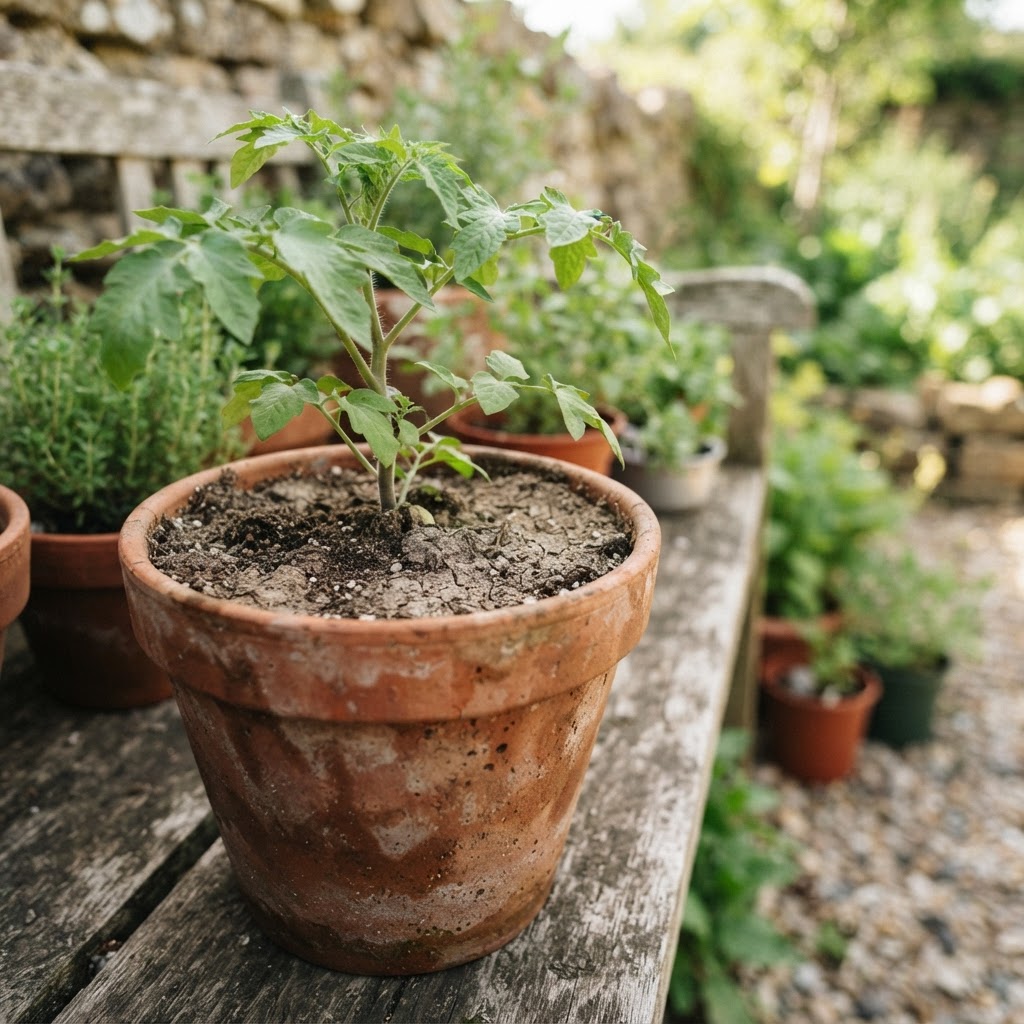
The secret to keeping low maintenance plants healthy is consistency, not frequency. Start by ensuring your pots have adequate drainage. Overwatering is the number one cause of houseplant death; ensure the top two inches of soil are dry before adding more water. Additionally, avoid placing plants directly in front of heating or air conditioning vents, which can strip away necessary humidity.
How to Automate Your Plant Care Routine
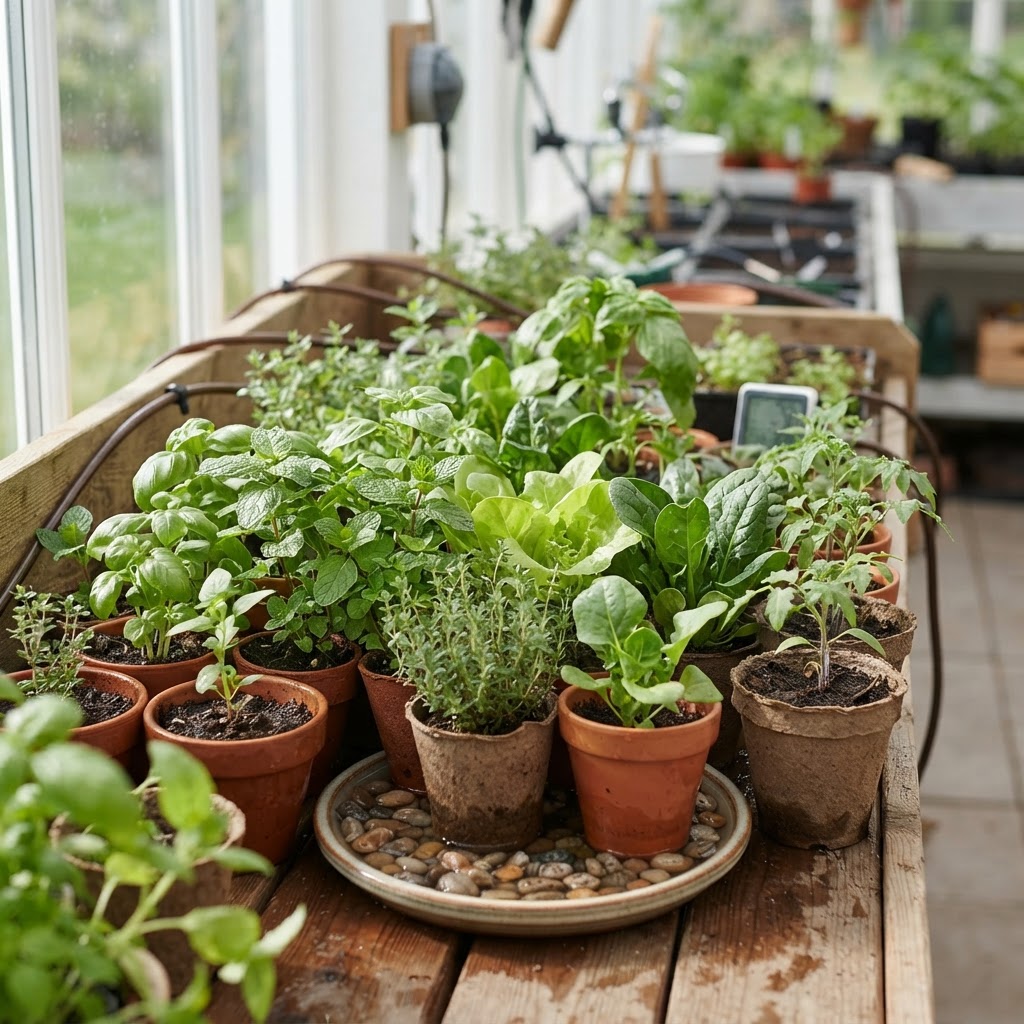
Busy homeowners can use a few tricks to simplify plant maintenance. Grouping plants together creates a microclimate that keeps humidity levels stable. Using self-watering pots or moisture-sensing spikes can also remove the guesswork from your schedule. Most importantly, set a recurring 'plant date' on your calendar once every two weeks to perform a quick health check rather than trying to monitor them daily.
Common Mistakes When Caring for Indoor Plants
Even the easiest plants have limits. Avoid the 'love trap' of over-fertilizing or overwatering. Most low-maintenance plants actually require very little fertilizer throughout the year. Another common mistake is repotting too frequently; plants often prefer to be slightly root-bound in their pots. If you see yellowing leaves, it is often a sign of waterlogged roots, signaling that it is time to reassess your watering frequency.
Frequently Asked Questions
- What are the easiest indoor plants to keep alive? The Snake Plant and ZZ Plant are widely considered the most resilient choices for beginners.
- Do low-maintenance plants need sunlight? Most do, but many (like Pothos) can adapt to lower light conditions, though they may grow slightly slower.
- How often should I water low-maintenance plants? Typically, every two weeks is a good starting point, but always check the soil moisture first.
- Can beginners grow plants successfully? Absolutely. Success is entirely dependent on picking a hardy plant and providing consistent, basic care.
- What are the signs of an overwatered plant? Yellowing leaves, soft or mushy stems, and a persistent damp odor from the soil are all classic indicators of too much water.
Sources
- #low maintenance plants
- #beginner gardening
- #houseplants
- #indoor gardening tips
Related Articles
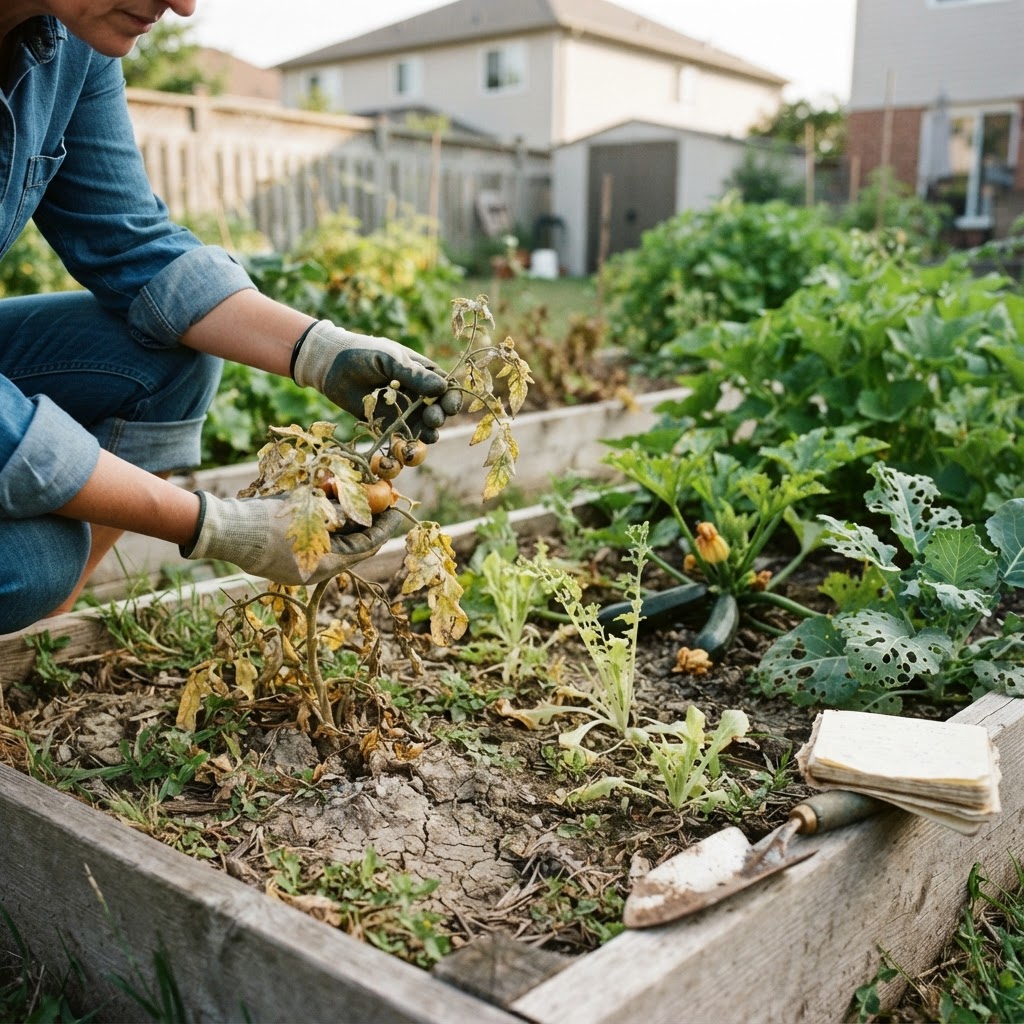
Vegetable Garden Failures: How to Fix Common Problems
Discover how to diagnose and resolve common vegetable garden challenges using practical, science-based troubleshooting techniques to save your plants.
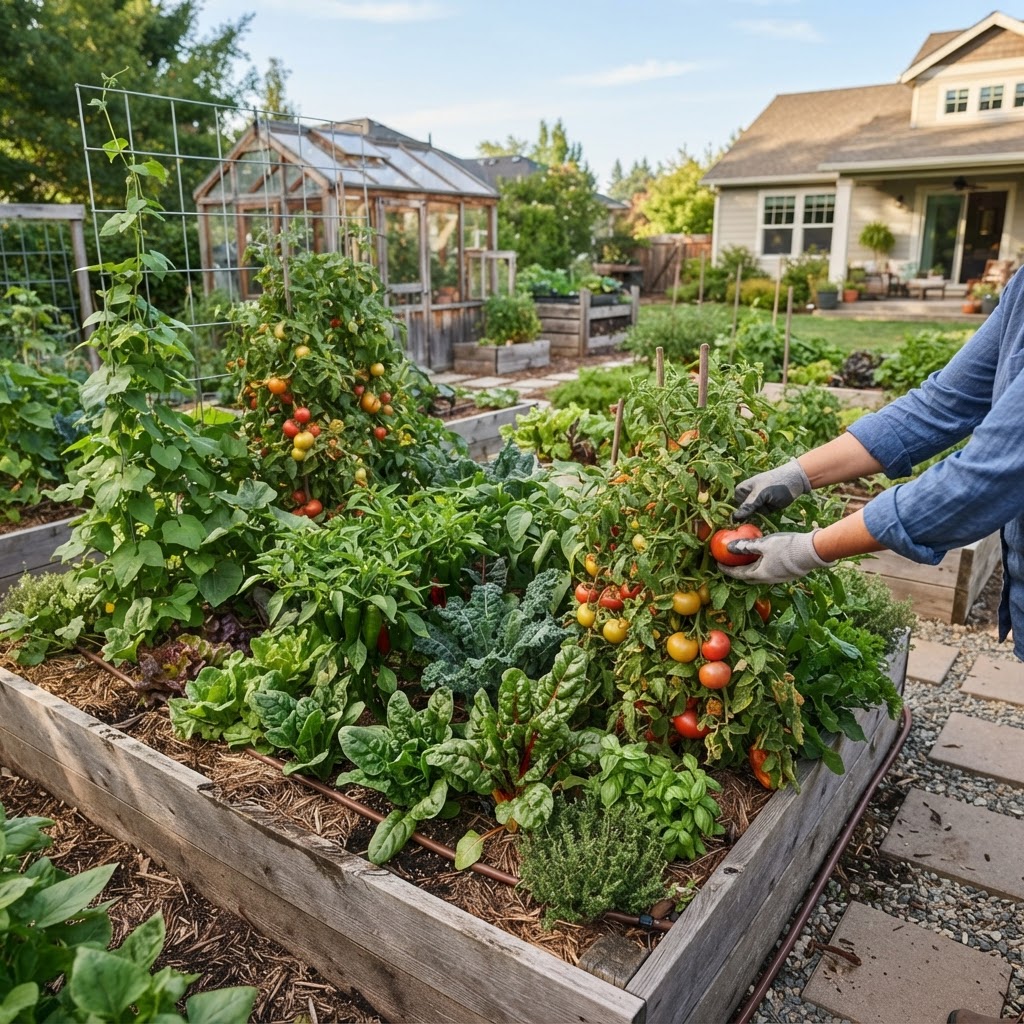
High Yield Vegetable Gardening: Advanced Methods for Success
Take your harvest to the next level by implementing intensive planting strategies, precision nutrient management, and data-driven garden planning techniques.
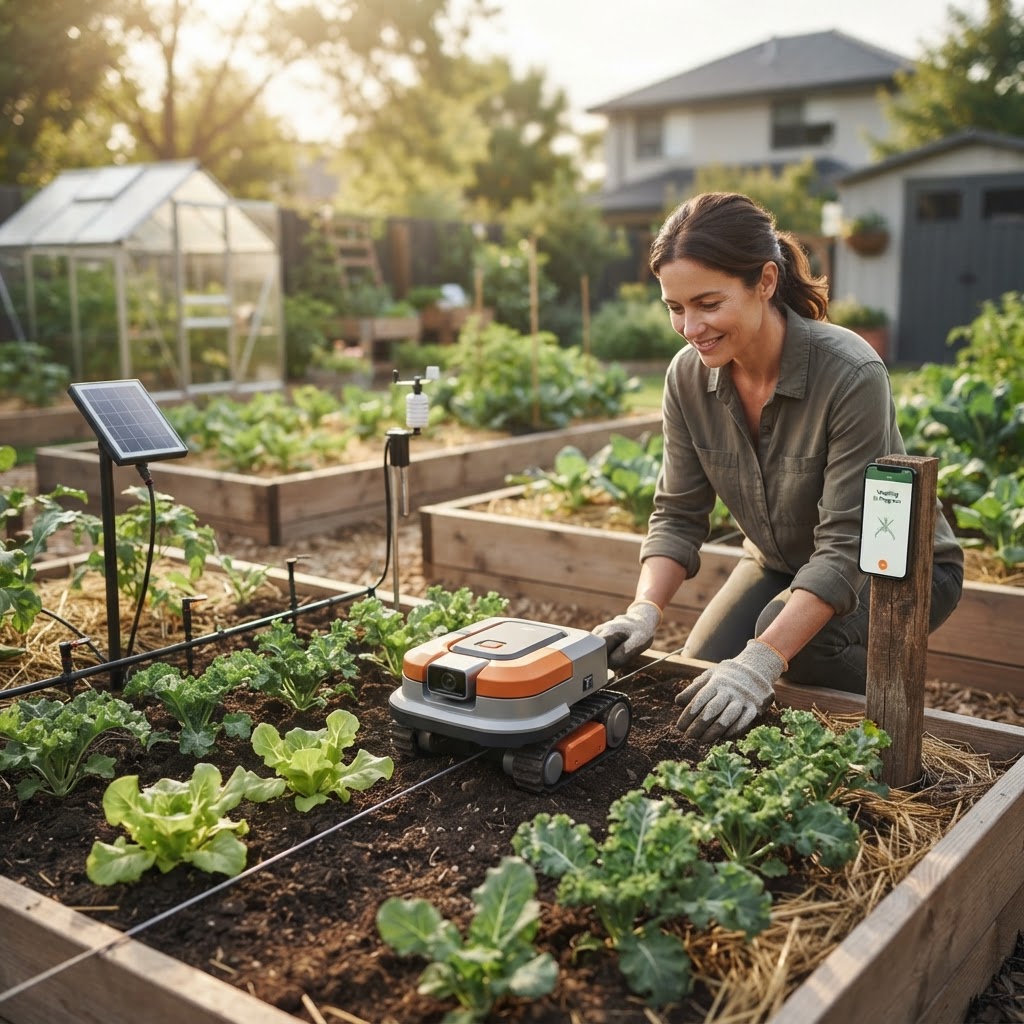
Automated Garden Tools for Beginners: A Complete Guide
Learn how to use smart technology to streamline your gardening chores without losing the joy of working in the soil. This guide covers the basics of garden automation for beginners.