
Gardening
Seasonal Garden Maintenance Checklist: Year-Round Guide
Transform your gardening experience with our comprehensive seasonal maintenance checklist designed to help you nurture a thriving, healthy garden throughout the year.
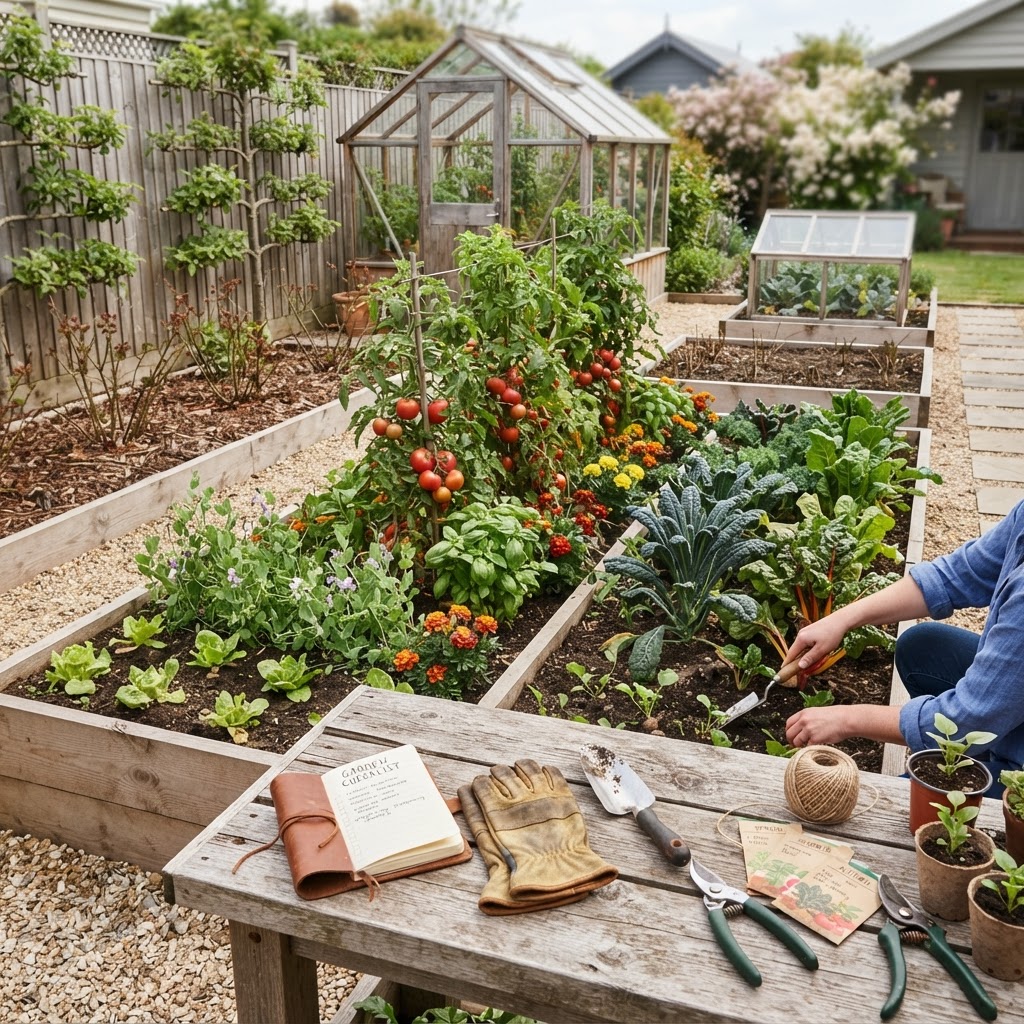
Gardening is often viewed as a series of disconnected chores, but seasoned gardeners know that the true secret to a bountiful harvest lies in understanding the garden as a continuous, rhythmic cycle. Effective seasonal garden maintenance is not about laboring for hours on end; it is about performing the right tasks at the right time to support your plants' natural growth phases.
By following a structured year-round garden care plan, you can minimize pest outbreaks, reduce plant stress, and maximize your overall yield. This guide provides a roadmap to help you stay ahead of the curve, ensuring your garden remains a vibrant sanctuary in every season.
Why Seasonal Maintenance Matters for Garden Health
Consistency is the bedrock of a successful garden. When you neglect regular maintenance, small issues—like a minor weed infestation or a lack of mulch—can quickly spiral into significant problems that threaten your entire crop. Seasonal care is proactive rather than reactive. By monitoring your soil, pruning dead growth, and preparing for shifting weather patterns, you create an environment where plants can thrive rather than just survive.
Furthermore, consistent care disrupts the lifecycle of common garden pests and diseases. Many pathogens overwinter in debris or weakened plant tissue. A tidy, well-maintained garden leaves fewer places for these unwanted visitors to hide, ultimately reducing your need for interventions later in the season.
Spring: Preparing for New Growth
Spring is the season of awakening. As the soil warms, your focus should shift to setting the stage for a productive growing season. This is the time to assess what survived the winter and to prepare the environment for new seeds and transplants.
Soil Preparation and Fertilization
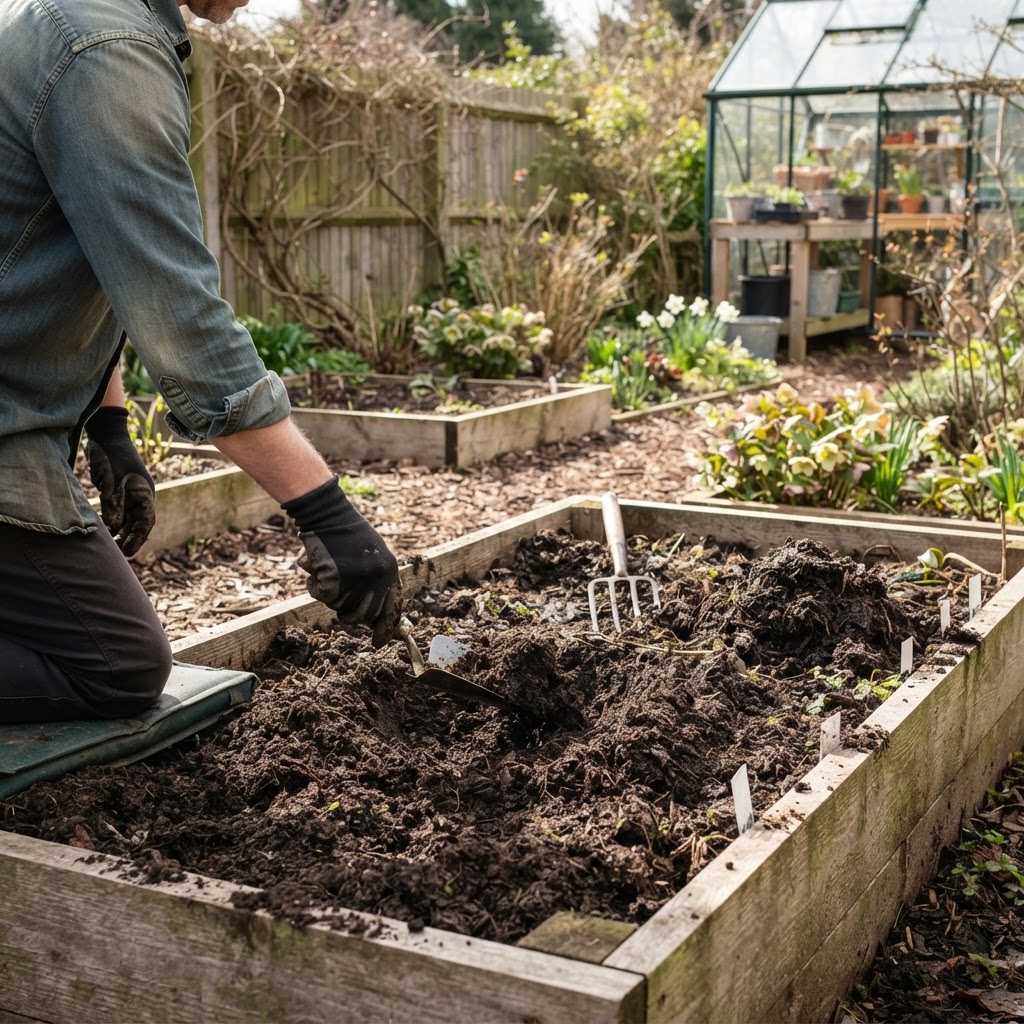
Before planting, test your soil to understand its nutrient profile. Healthy soil is the foundation of plant immunity. Incorporate organic matter such as finished compost to improve drainage and structure. Avoid working the soil when it is overly wet, as this can lead to compaction, which hinders root development. Once the soil temperature has risen, apply a balanced organic fertilizer to provide a steady supply of nutrients for early-stage growth.
Pruning and Cleanup
Remove any dead, diseased, or damaged branches from shrubs and perennials. Cleaning up winter debris is essential for sanitation, as it prevents the buildup of fungal spores. For perennials that were left standing, trim them back to encourage fresh growth. Remember to clean your tools thoroughly before and after pruning to avoid spreading diseases from one plant to another.
Summer: Maintenance and Monitoring
Summer is a period of rapid growth and high metabolic demand. Your main objective during this time is to support your plants through the challenges of heat, humidity, and peak production.
Watering Best Practices
Water is the most critical factor during the summer months. Deep, infrequent watering is superior to shallow, daily sprinklings. Aim to water early in the morning, which allows moisture to penetrate the roots before the heat of the day causes excessive evaporation. Always direct water to the base of the plant, keeping leaves dry to prevent fungal growth.
Weed Control and Mulching
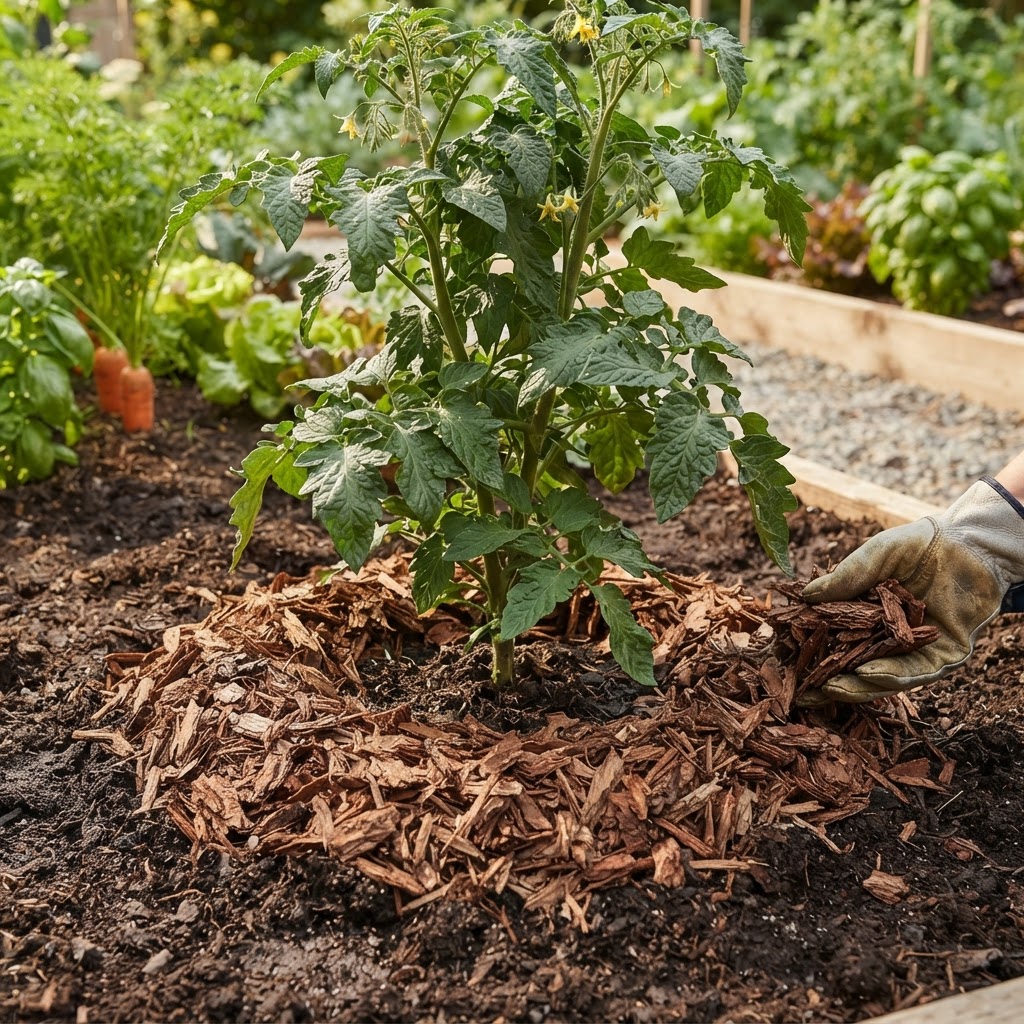
Summer weeds can quickly outcompete your vegetables for nutrients and water. Keep a close eye on your garden beds and pull weeds while they are young. To minimize the need for manual weeding, apply a thick layer of organic mulch, such as straw or wood chips, around your crops. Mulch serves a dual purpose: it suppresses weed germination and keeps the root zone cool and moist during intense heat waves.
Fall: Harvesting and Winter Preparation
As the days shorten, your focus shifts toward harvesting the fruits of your labor and preparing the garden for the dormant period. Fall is the time to 'close down' your beds in a way that protects the soil and simplifies your work for next spring.
End-of-Season Cleanup
Once the first frost arrives, remove spent vegetable plants. Compost any healthy foliage, but be sure to dispose of diseased plant material rather than adding it to your pile, as many pathogens can survive the decomposition process. This is also the ideal time to add a fresh layer of compost or cover crops to your beds to prevent soil erosion during the winter months.
Protecting Perennials and Bulbs
For perennials, a light mulch layer can help stabilize soil temperatures and protect crowns from repeated freezing and thawing. If you live in an area with harsh winters, consider wrapping sensitive shrubs or bringing containers into a sheltered location. Fall is also the prime window for planting spring-blooming bulbs, as they require a chilling period to develop successfully.
Winter: Planning and Maintenance
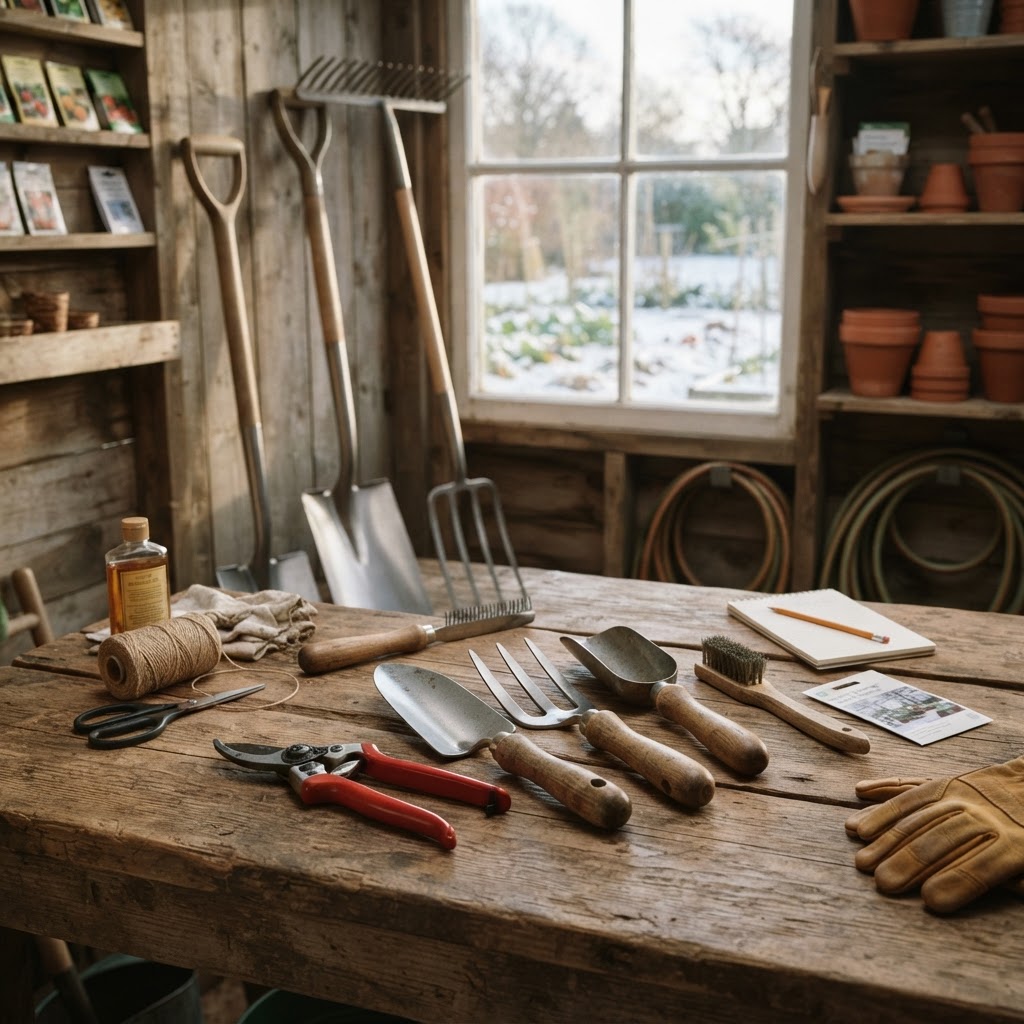
Winter is not a time for total inactivity; it is a time for reflection and preparation. Use the colder months to review your garden journals, order seeds for the coming year, and service your gardening tools. Cleaning, sharpening, and oiling your equipment now will save you precious time when spring arrives.
You can also use this period to study new gardening techniques or research plant varieties that are better suited to your specific climate. By the time the first signs of spring appear, you will have a clear, actionable plan ready to execute.
Conclusion: A Consistent Approach to Gardening Success
Gardening is a journey, not a destination. By embracing the natural rhythms of the seasons and committing to routine maintenance, you move from feeling overwhelmed by tasks to feeling empowered by the progress of your garden. Remember that every season serves a purpose in the life cycle of your plants. With this seasonal garden maintenance checklist, you are well-equipped to nurture a landscape that is both beautiful and highly productive year after year.
Frequently Asked Questions
- What tasks are most important at the start of spring?The most important spring tasks include testing your soil, incorporating organic compost, and cleaning up winter debris to prevent disease.
- How do I protect my garden during the heat of summer?Use thick organic mulch to retain soil moisture, water deeply at the base of plants in the morning, and monitor for early signs of heat stress.
- What should be done in the garden before the first frost?Complete your final harvests, clear out spent crops, and apply a layer of mulch or cover crops to protect the soil from winter erosion.
- Is there any gardening work to do during winter?Winter is perfect for planning next year's layout, cleaning and sharpening your tools, and reviewing your garden notes from the previous season.
- How does seasonal maintenance prevent pests and diseases?Regular cleanup removes the hiding spots and overwintering sites for many pests and pathogens, while healthy soil management creates robust plants that are better able to resist infections.
Sources
- #garden planning
- #seasonal gardening
- #soil health
- #gardening tips
Related Articles
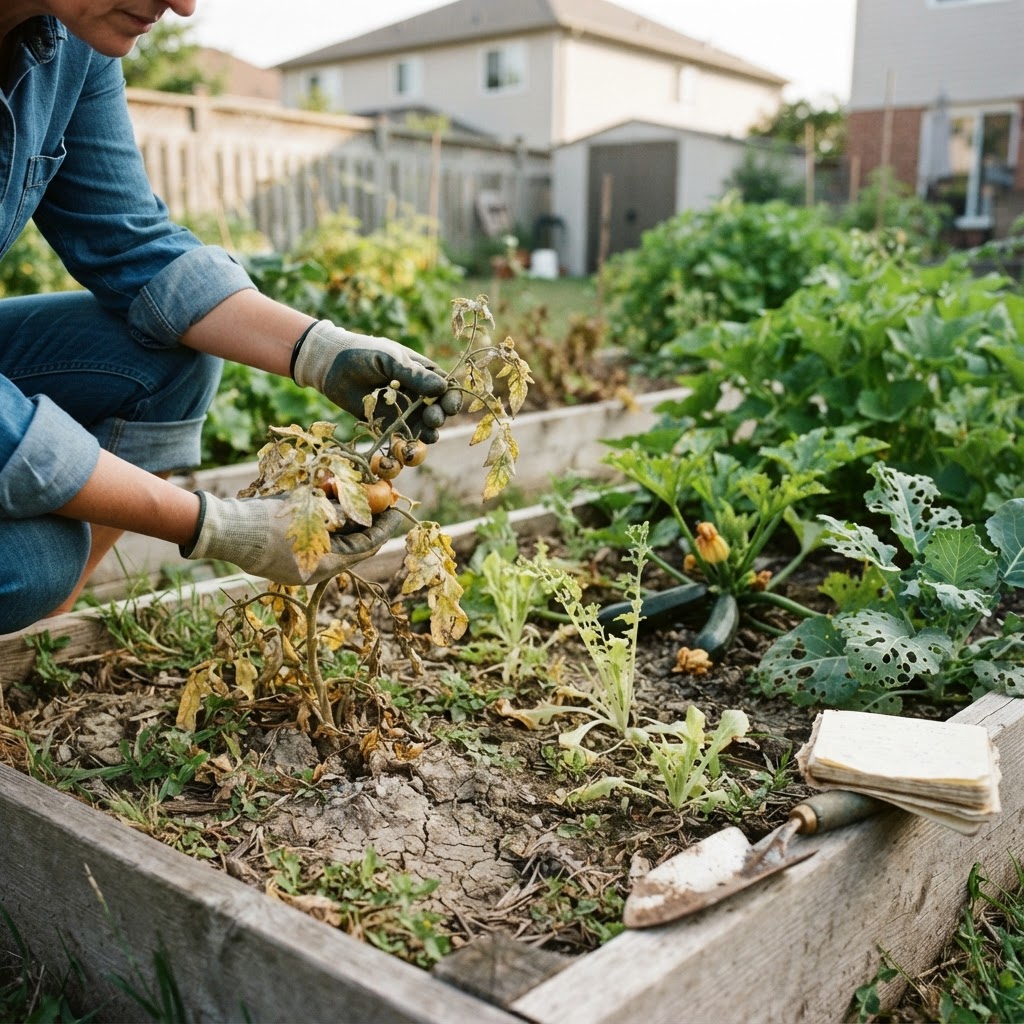
Vegetable Garden Failures: How to Fix Common Problems
Discover how to diagnose and resolve common vegetable garden challenges using practical, science-based troubleshooting techniques to save your plants.
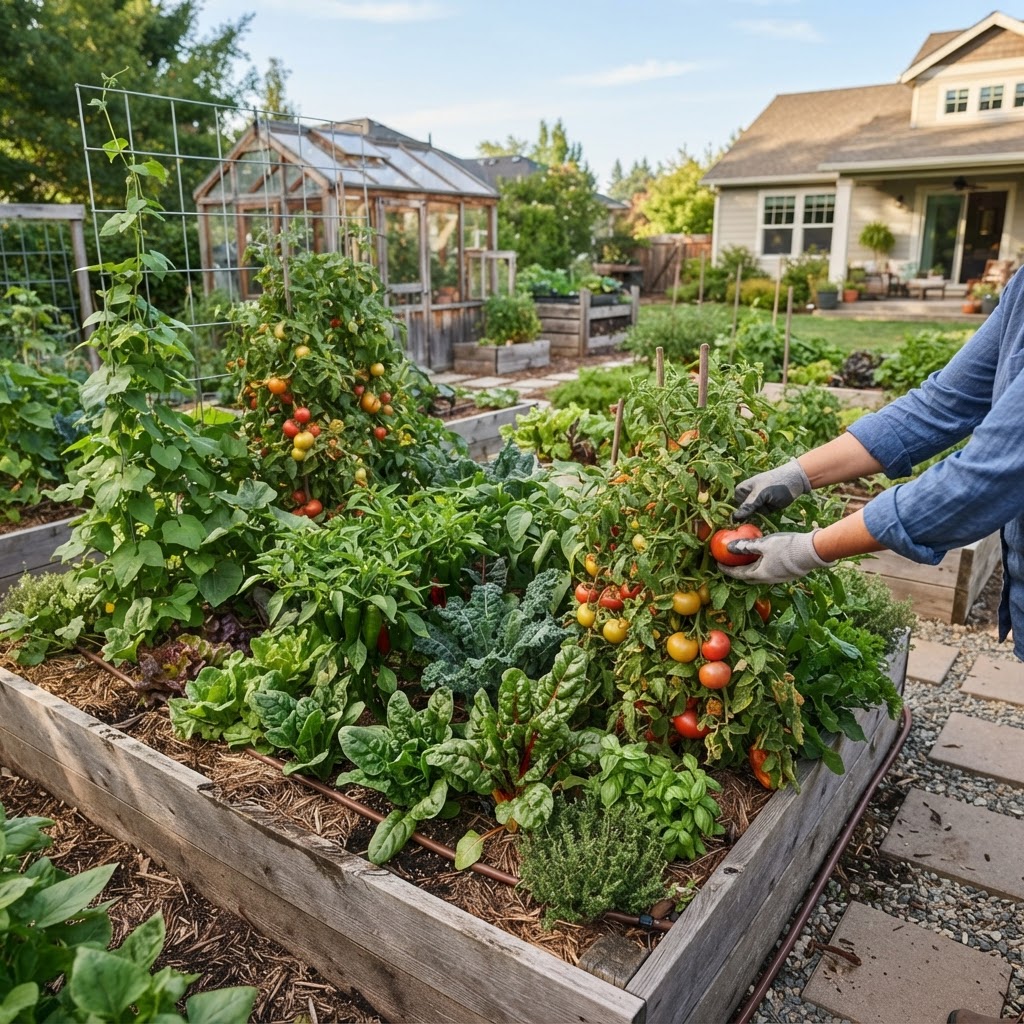
High Yield Vegetable Gardening: Advanced Methods for Success
Take your harvest to the next level by implementing intensive planting strategies, precision nutrient management, and data-driven garden planning techniques.
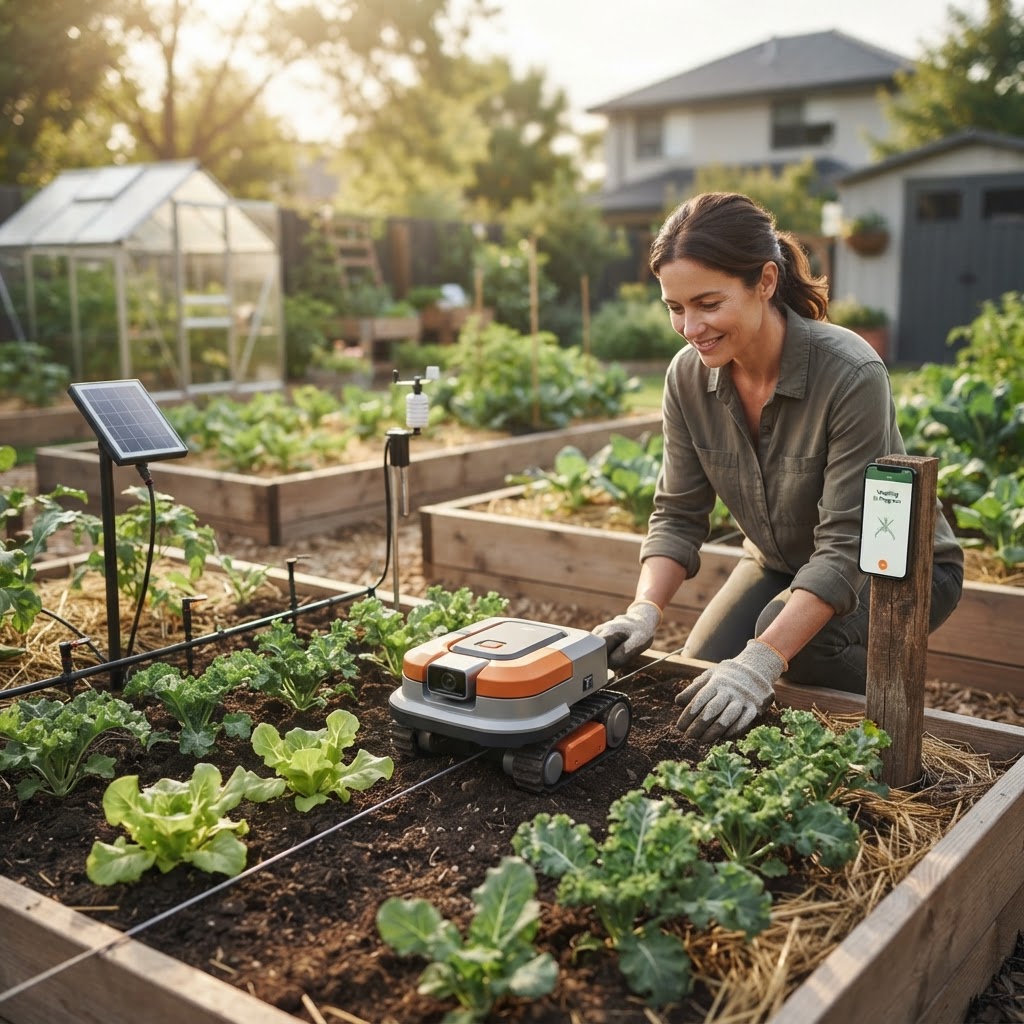
Automated Garden Tools for Beginners: A Complete Guide
Learn how to use smart technology to streamline your gardening chores without losing the joy of working in the soil. This guide covers the basics of garden automation for beginners.