
Gardening
Drip Irrigation 101: How to Set Up Your Garden System
Discover how to design and install an efficient drip irrigation system for your vegetable garden to save water and improve plant health with this step-by-step guide.
What is Drip Irrigation and Why Use It?
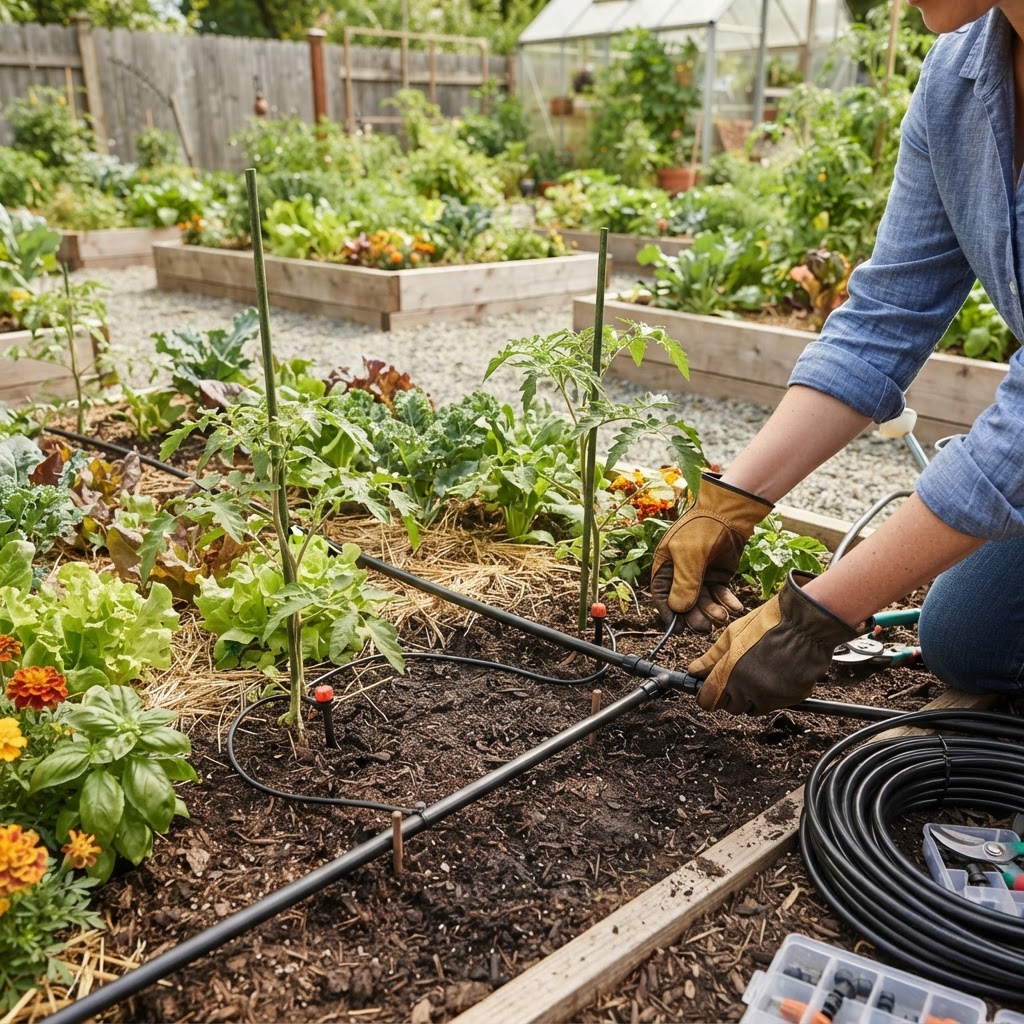
Drip irrigation is a method of watering that delivers water directly to the root zone of your plants at a low pressure and a slow, steady rate. Unlike traditional overhead sprinklers that spray water across foliage, a drip irrigation system places water exactly where it is needed most. For home vegetable gardeners, this transition represents a significant upgrade in both plant health and water conservation.
By minimizing evaporation and runoff, drip systems allow you to maintain consistent soil moisture levels, which is crucial for high-yield vegetable crops. It is a highly efficient way to manage a home garden, particularly for those looking to move away from manual watering routines.
Benefits of Drip Irrigation for Your Vegetable Garden
The primary advantage of choosing a drip irrigation system over sprinklers is the reduction in water waste. Sprinklers often lose significant moisture to wind drift and surface evaporation. In contrast, drip systems direct water straight to the soil, ensuring that the roots receive the hydration while keeping the leaves dry. This reduction in foliage wetness is a key strategy for preventing common fungal diseases like powdery mildew and blight.
Furthermore, because drip systems water only the specific area around your plants, they discourage weed growth between rows, which helps keep your garden beds much cleaner and easier to manage. Once established, these systems can also be automated with a simple timer, giving you more flexibility and consistency in your daily gardening schedule.
Subscribe to our newsletter for more practical, seasonal tips on efficient gardening techniques and garden maintenance.
Essential Components of a Drip Irrigation System
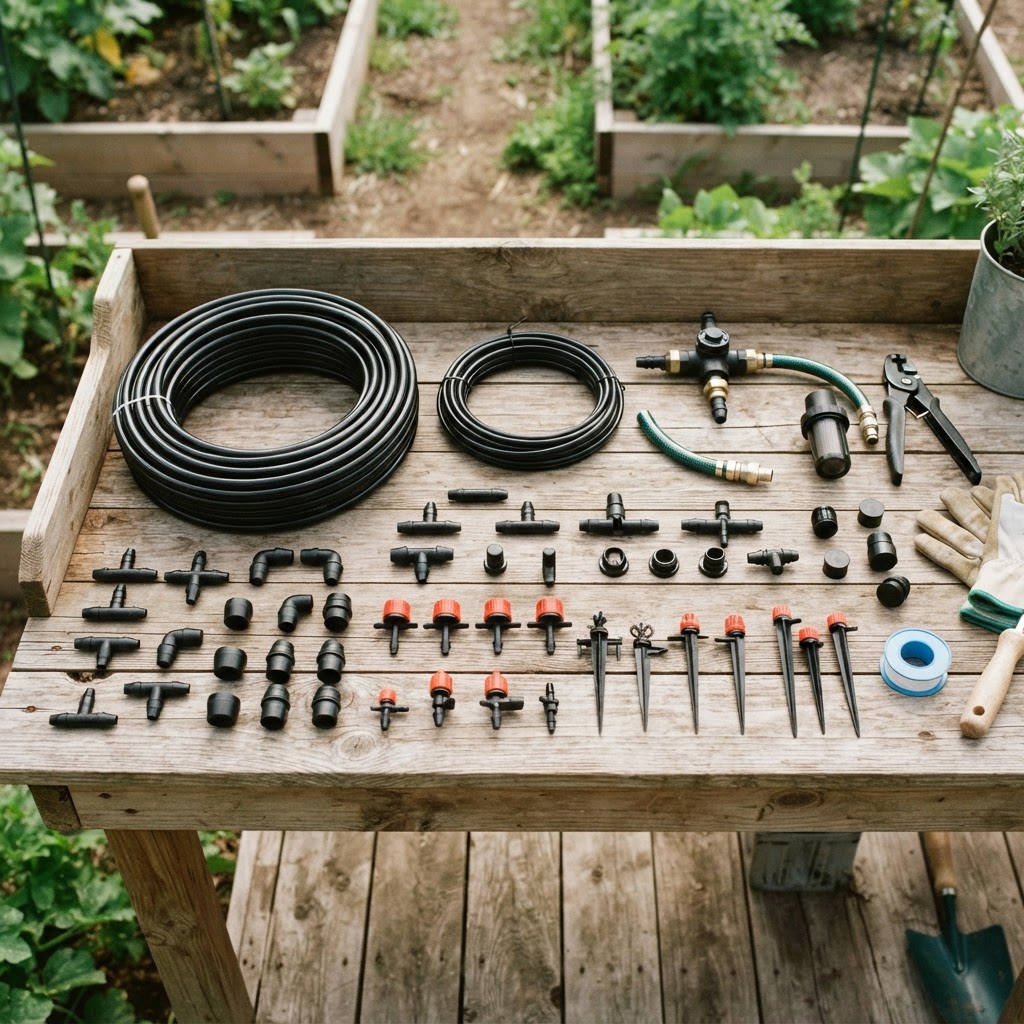
Building your own system is quite straightforward as most components are modular. You will typically need:
- Mainline tubing: Usually 1/2-inch poly tubing that carries water from your source.
- Distribution tubing: Smaller 1/4-inch tubing for reaching individual plants.
- Emitters: Devices that control the flow rate of water.
- Connectors and fittings: Tees, elbows, and end caps to customize your layout.
- Filter and pressure regulator: Essential for preventing clogs and protecting the system from high water pressure.
Planning Your Garden Layout
Before buying materials, sketch your garden on paper. Identify your water source and map out how you want to route your main supply line. Ensure you group plants with similar water needs together to optimize the system. Whether you are working with long rows or a series of raised beds, keeping the design simple will make installation much easier.
Step-by-Step Installation Guide
Step 1: The Water Source Connection
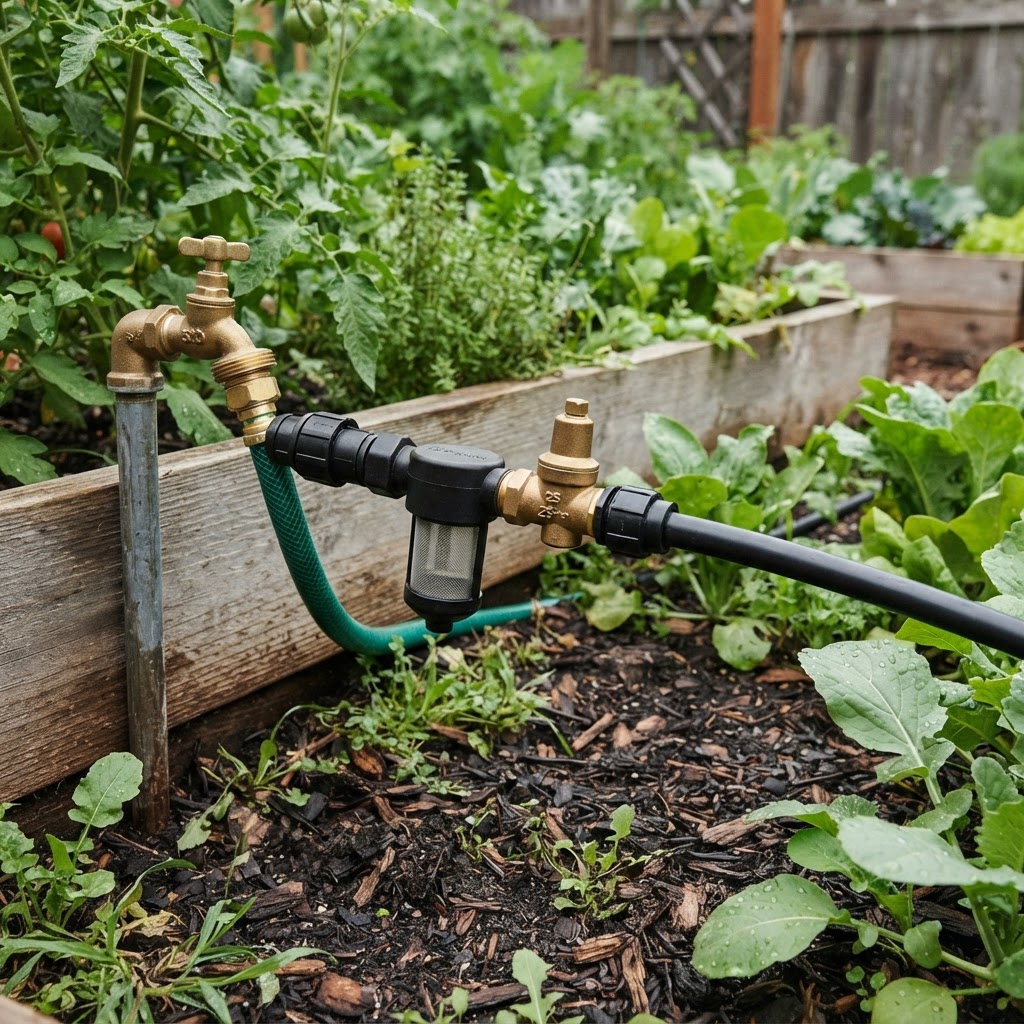
Begin at your faucet. You will attach a backflow preventer, a garden hose filter, and a pressure regulator to ensure your system operates safely. This is the most critical step to ensure your tubing doesn't burst and that your emitters don't clog with sediment.
Step 2: Laying Out the Mainline Tubing
Unroll your 1/2-inch mainline tubing along your garden beds. Use hold-down stakes to secure the tubing against the soil. Allow the tubing to warm up in the sun before laying it out, as this makes it much more flexible and easier to work with.
Step 3: Attaching Emitters and Drip Lines
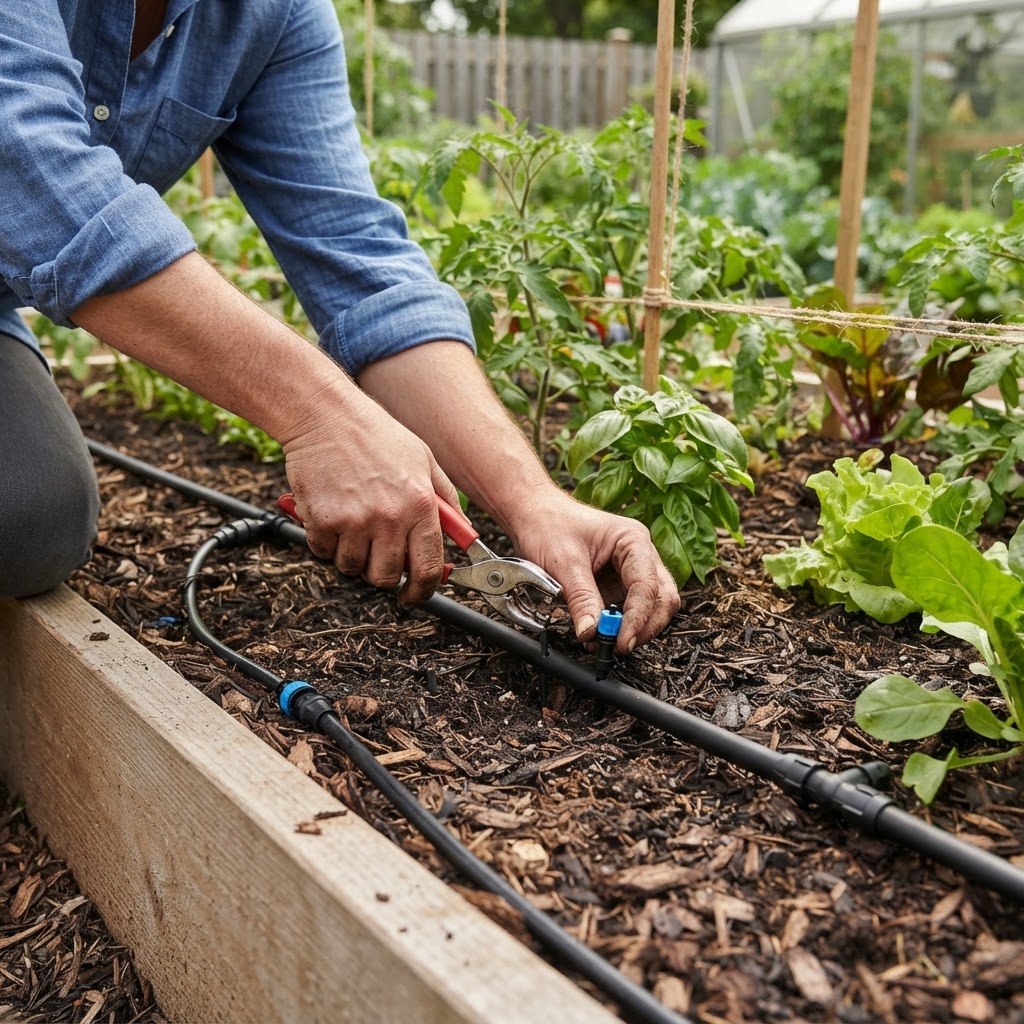
Use a hole-punch tool to create openings in the mainline where you need water. Insert emitters directly into the mainline or use 1/4-inch microtubing to extend the water reach to specific plant root zones. This customization is perfect for both row crops and individual containers.
Step 4: Flushing and Testing the System
Before closing the ends of the tubing, run the water for a few minutes to flush out any debris that may have entered during installation. Check for leaks at every connection and ensure every emitter is dripping consistently. Once verified, cap the ends.
Tips for Maintaining Your Irrigation System
To keep your system running smoothly, inspect your emitters at the start of every season for mineral buildup. If you live in an area with hard water, soaking your emitters in a vinegar solution can dissolve calcium deposits. Additionally, always drain your lines if you live in a climate where freezing occurs during the winter months.
Common Troubleshooting and Solutions
If you notice uneven water distribution, verify that your pressure regulator is functioning correctly. If an emitter is completely clogged, it is usually more cost-effective to replace it than to repair it. For large gardens, check periodically for small leaks along the mainline, which can often be fixed with a simple "goof plug" or a replacement connector.
By investing a little time in setting up your system correctly, you will find that managing your garden becomes far less labor-intensive. For more inspiration on setting up your space, explore our guides on Raised bed gardening guides and Best mulching techniques for moisture retention to further boost your garden productivity.
Ready to take your gardening to the next level? Join our weekly newsletter for expert tips on keeping your vegetable garden lush and healthy throughout the season.
Sources
- #drip irrigation
- #water conservation
- #garden maintenance
- #DIY garden
Related Articles
Vegetable Garden Failures: How to Fix Common Problems
Discover how to diagnose and resolve common vegetable garden challenges using practical, science-based troubleshooting techniques to save your plants.
High Yield Vegetable Gardening: Advanced Methods for Success
Take your harvest to the next level by implementing intensive planting strategies, precision nutrient management, and data-driven garden planning techniques.
Automated Garden Tools for Beginners: A Complete Guide
Learn how to use smart technology to streamline your gardening chores without losing the joy of working in the soil. This guide covers the basics of garden automation for beginners.