
Gardening
Vegetable Garden Maintenance: Essential Weekly & Monthly Guide
Transform your gardening routine with this structured maintenance guide. Learn the essential weekly and monthly tasks needed to keep your vegetable patch healthy and productive all season long.
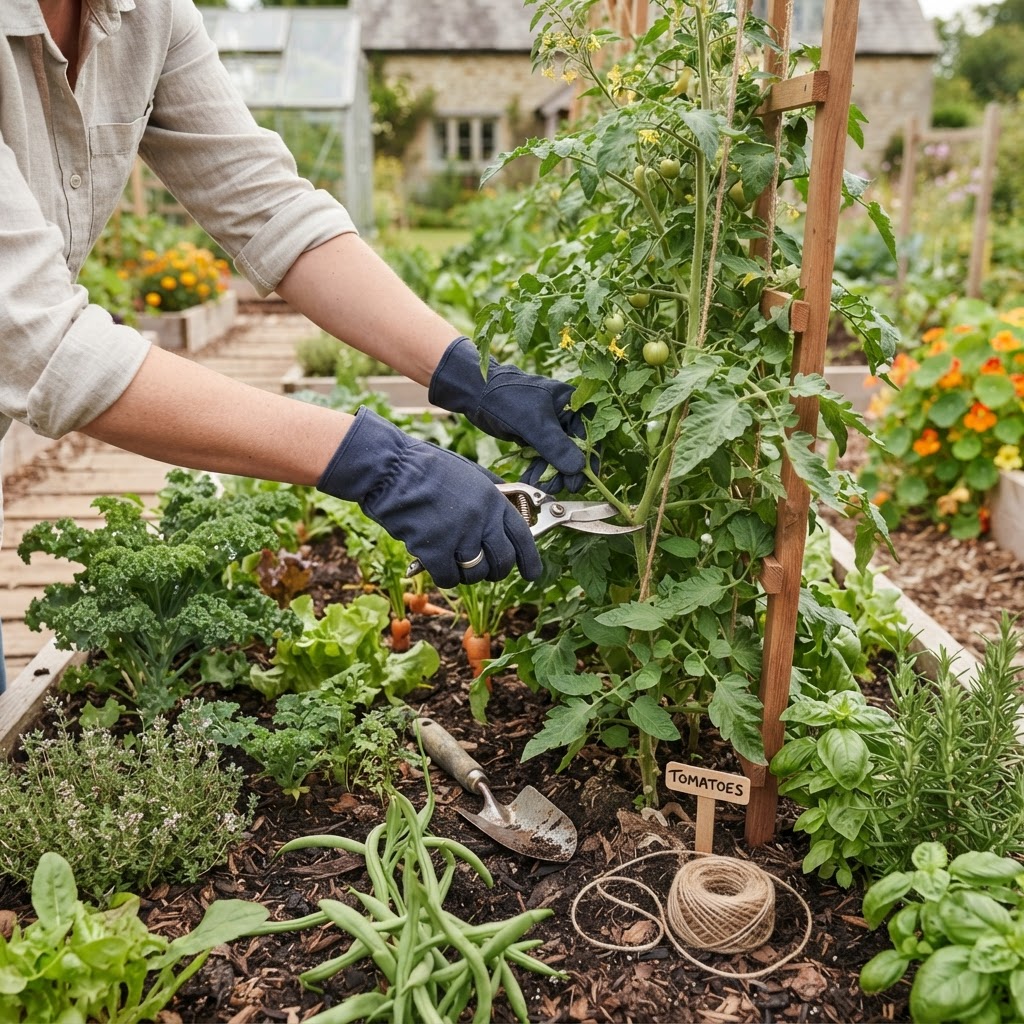
Why Consistent Garden Maintenance Matters
Gardening is often romanticized as a relaxing hobby, but for those seeking a bountiful harvest, it is a practice of consistent care. A vegetable garden maintenance guide is more than just a list of chores; it is the blueprint for plant health. When you follow a routine, you transition from reactive gardening—where you only act when plants are dying—to proactive gardening, where you prevent issues before they begin.
Regular attention allows you to spot nutrient deficiencies, pest outbreaks, and irrigation issues while they are still manageable. By dedicating specific times to these tasks, you save hours of heavy lifting and remediation later in the season. Consistent upkeep creates an environment where vegetables can thrive, leading to higher yields and more resilient plants.
Weekly Vegetable Garden Maintenance Checklist
Establishing a rhythm for your garden ensures that no task falls by the wayside. Treat your garden like a living system that needs a quick health check every seven days.
Watering and Moisture Management
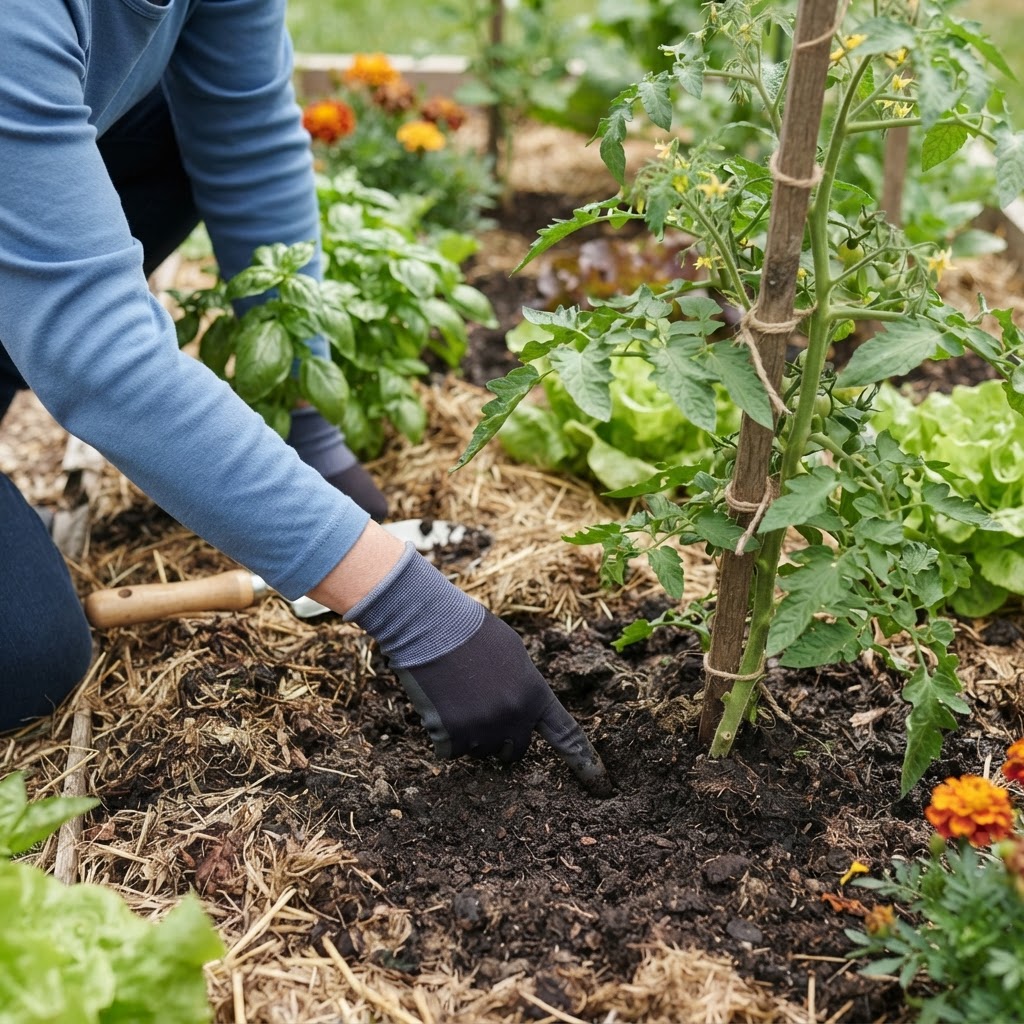
Water is the lifeblood of your patch. Instead of watering on a set day, check the soil moisture levels twice a week by inserting your finger two inches into the soil. If it is dry, it is time to irrigate. Focus water at the base of the plant to keep foliage dry, which significantly reduces the risk of fungal diseases.
Weed Control and Prevention
Weeds are opportunistic thieves that steal water, nutrients, and sunlight from your crops. Spending 15 minutes a week walking your rows to pull small weeds is infinitely easier than clearing a patch that has been overgrown for a month. Aim to pull weeds after a light rain or watering when the soil is soft and the roots come out easily.
Monitoring for Pests and Diseases
A walk-through is your best defense. Look under leaves for aphids, inspect stems for squash vine borer damage, and watch for yellowing leaves that might indicate fungal issues. Early detection is the single most important factor in preventing a minor annoyance from becoming a total crop failure.
Monthly Vegetable Garden Maintenance Checklist
While weekly tasks cover the "living" needs of your garden, monthly tasks address the foundational health of your soil and the structural integrity of your plants.
Soil Fertility and Fertilization
Vegetables are heavy feeders. Throughout the growing season, soil nutrients deplete as plants consume them. Every four to six weeks, apply a balanced organic compost or a granular fertilizer based on the specific needs of your crops. Always test your soil at the start of the season to ensure you aren't over-applying specific nutrients.
Pruning, Training, and Staking
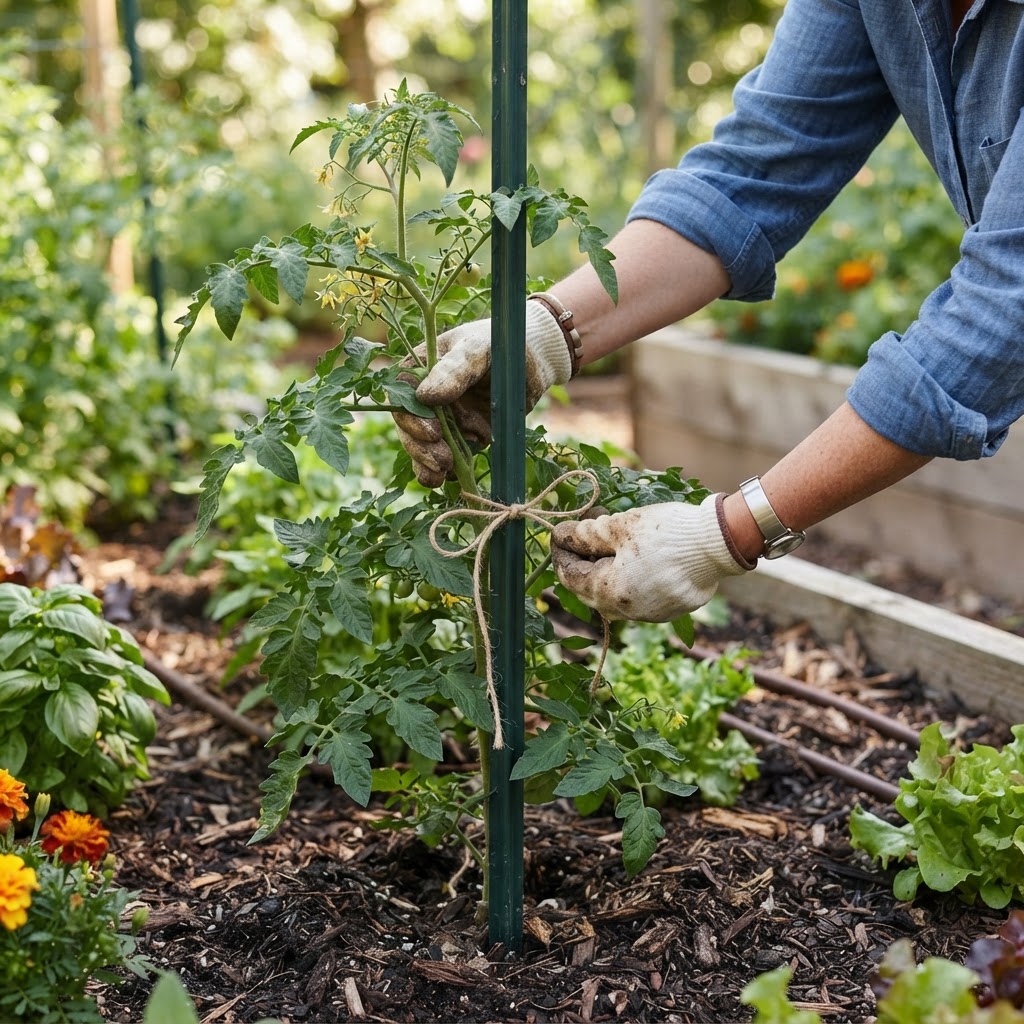
As your plants grow, they need structural support. Spend time each month tightening ties on tomatoes, tucking vining plants back into their cages, and pruning away suckers on indeterminate plants to ensure good airflow. Air circulation is critical for preventing mildew and rot in the middle of the canopy.
Succession Planting and Cleanup
A productive garden never stays empty for long. As you harvest a crop, clear out the old debris and immediately reseed or transplant the next round. Removing spent plants promptly also eliminates breeding grounds for pests and pathogens that could threaten your remaining healthy crops.
Seasonal Maintenance Adjustments
Your garden maintenance needs will shift drastically with the sun and temperature. In the heat of mid-summer, your primary focus will be irrigation and moisture retention through mulching. As autumn approaches, your focus shifts toward cleaning up dead debris, protecting against the first frost, and preparing your soil for the winter months. Always consult local planting calendars to stay ahead of the changing daylight hours.
Best Tools for Efficient Garden Maintenance
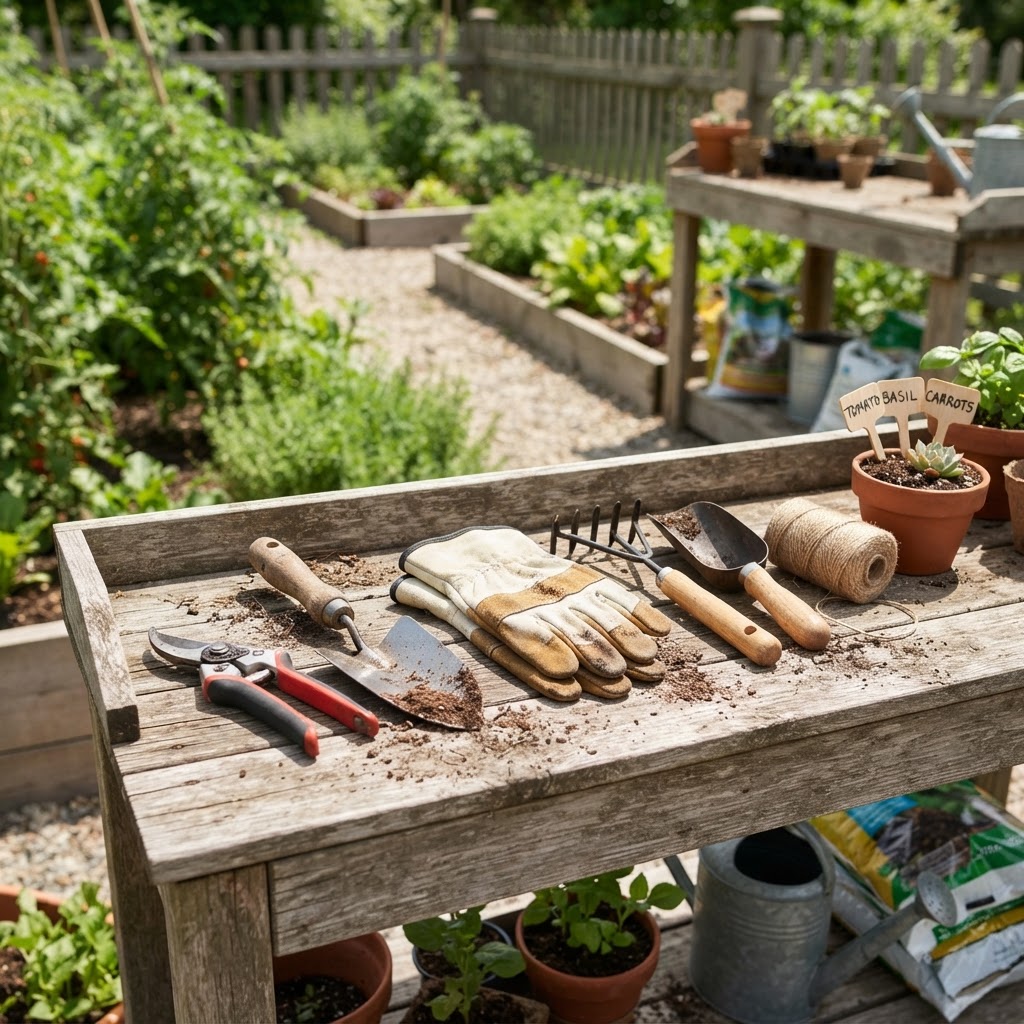
Efficiency relies on having the right tools nearby. A sharp hand trowel, a pair of sturdy pruners, a quality soil moisture meter, and a comfortable garden kneeler are essential for every gardener. Keep these tools clean and oiled to ensure they perform well when you need them most.
FAQ
- What are the most important daily vs weekly garden maintenance tasks? Daily tasks are mostly about observation and watering, while weekly tasks focus on structural weeding and pest management.
- How do I create a maintenance schedule for a vegetable garden? Start by picking a consistent day for deep maintenance and keep a garden journal to note when to fertilize or monitor specific growth stages.
- How often should I fertilize my vegetable plants? Generally, every 4-6 weeks is standard, but always follow the guidelines for your specific crops and soil type.
- What signs indicate my vegetable garden needs urgent maintenance? Sudden wilting, yellowing leaves, holes in foliage, or slow stunted growth are all red flags that require immediate investigation.
- How does seasonal change affect vegetable garden upkeep? Shifts in temperature and day length dictate what plants are in season, changing your watering, fertilizing, and harvesting requirements significantly.
By following these structured routines, you can cultivate a thriving garden with less stress and more enjoyment. Ready to start your journey? Sign up for our newsletter for seasonal planting tips and advanced soil care strategies delivered straight to your inbox.
Sources
- #garden maintenance
- #vegetable gardening
- #organic gardening
- #garden tips
- #gardening schedule
Related Articles
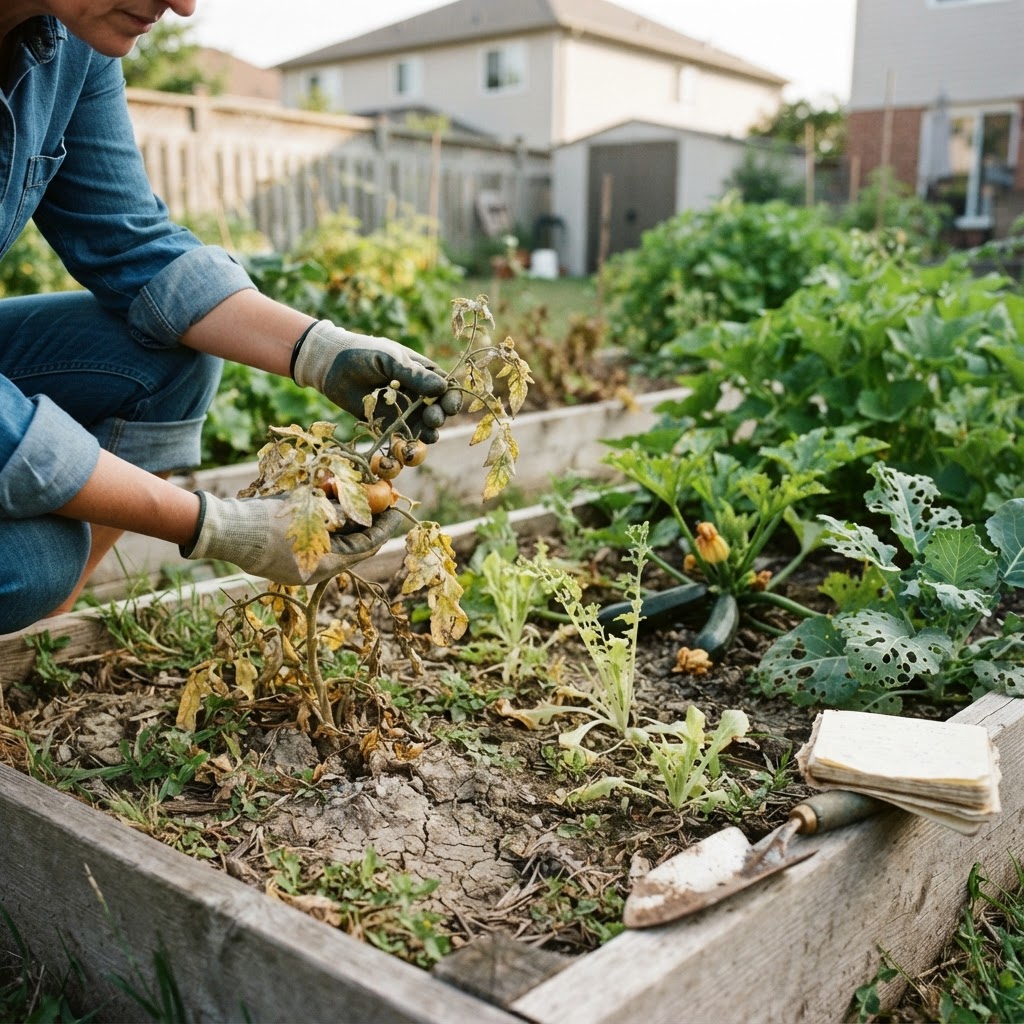
Vegetable Garden Failures: How to Fix Common Problems
Discover how to diagnose and resolve common vegetable garden challenges using practical, science-based troubleshooting techniques to save your plants.
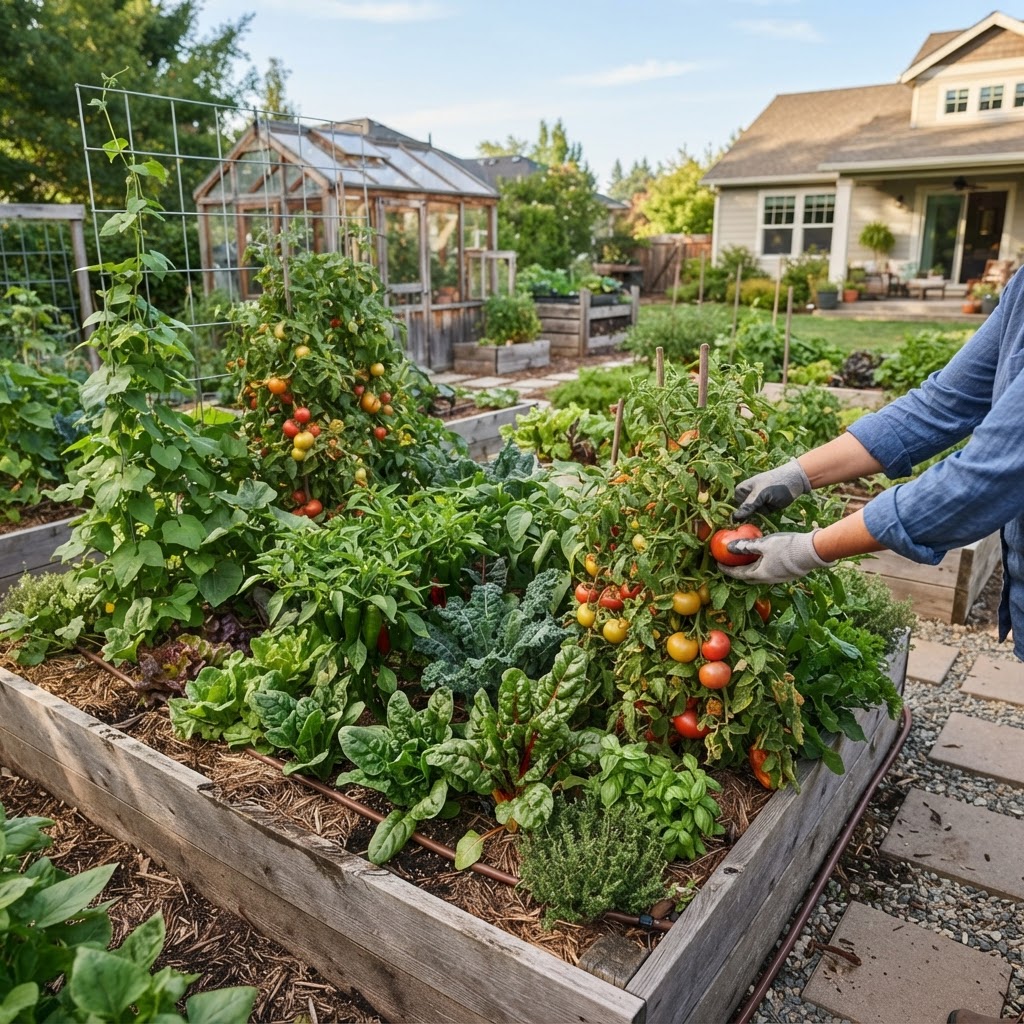
High Yield Vegetable Gardening: Advanced Methods for Success
Take your harvest to the next level by implementing intensive planting strategies, precision nutrient management, and data-driven garden planning techniques.
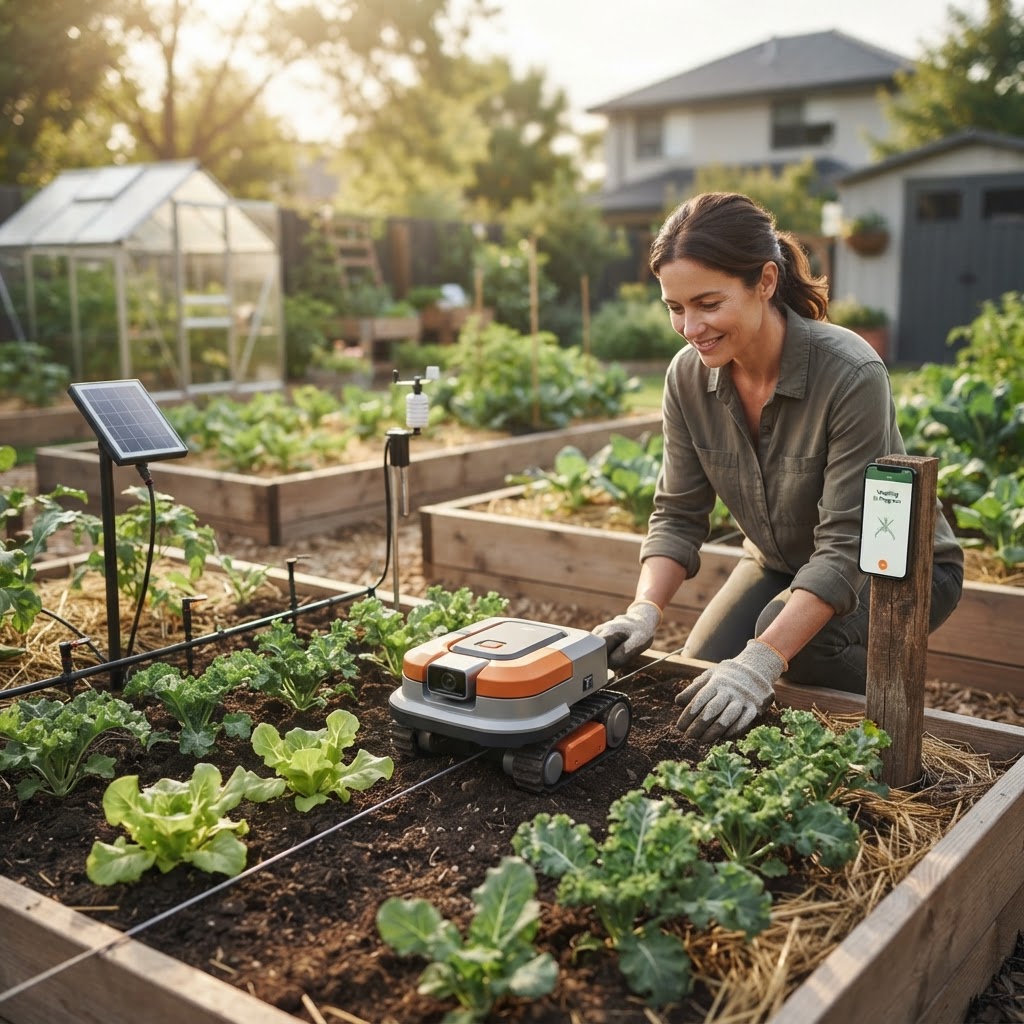
Automated Garden Tools for Beginners: A Complete Guide
Learn how to use smart technology to streamline your gardening chores without losing the joy of working in the soil. This guide covers the basics of garden automation for beginners.