
Gardening
Advanced Soil Preparation Techniques for Vegetable Gardens
Move beyond basic fertilization by mastering advanced soil management practices that foster a thriving microbial ecosystem for superior garden productivity.
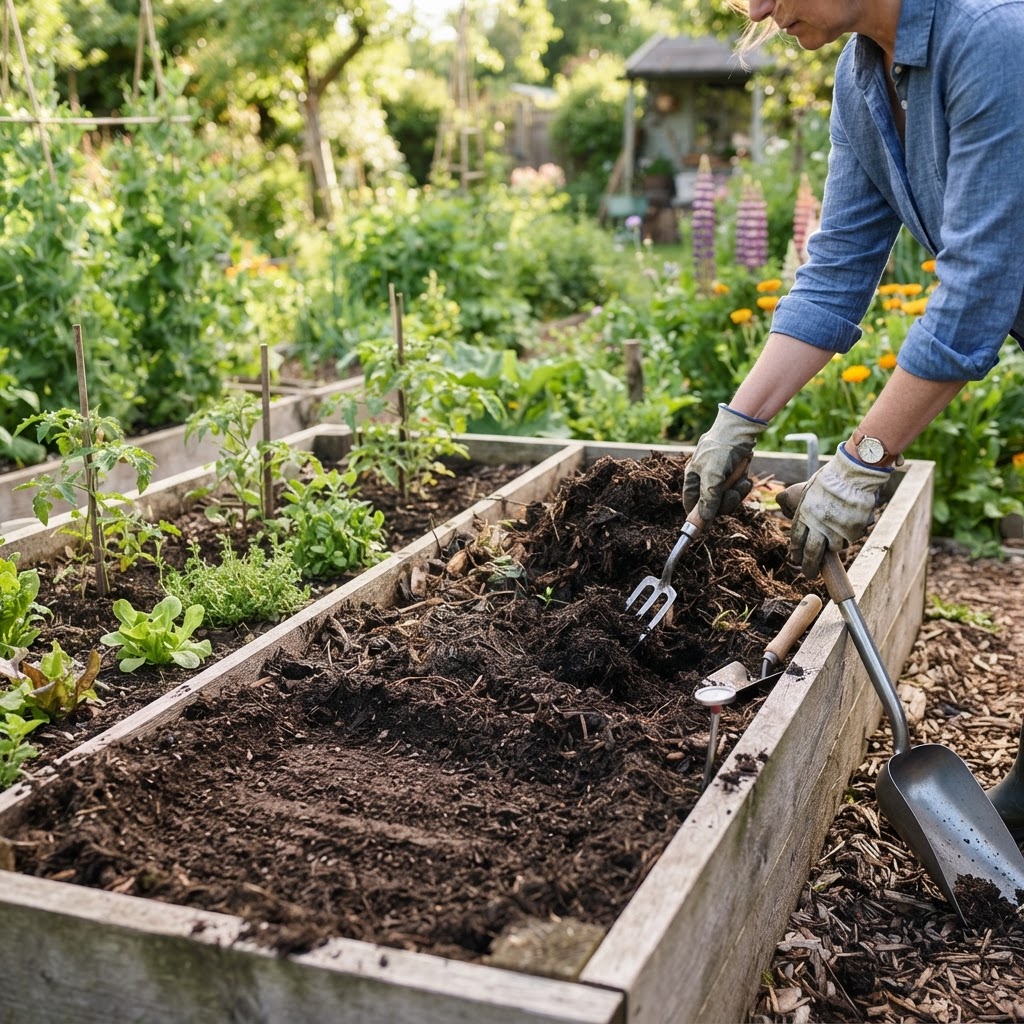
The Science of Soil Structure and Health
Successful vegetable gardening begins beneath the surface. Experienced gardeners recognize that soil is not merely a medium for roots, but a complex, living ecosystem. Advanced soil preparation techniques focus on the interaction between physical structure, chemical composition, and biological activity. By viewing the garden as a biological unit, you can shift from simply replacing nutrients to building a resilient, self-sustaining soil web.
Testing Your Soil: Beyond the Basic Kit
Standard home testing kits often only provide a surface-level look at N-P-K ratios and pH. To achieve mastery over your garden's health, look to university agricultural extensions for comprehensive testing. These reports provide deeper insights into cation exchange capacity (CEC), organic matter percentages, and micronutrient availability. Understanding your soil's mineral balance allows for surgical amendments rather than indiscriminate fertilization, which can disrupt delicate soil chemistry.
Correcting Soil Texture and Drainage
Soil structure is dictated by the ratio of sand, silt, and clay particles. If your garden suffers from compaction or waterlogging, amending with high-quality organic matter is the most effective long-term solution. Unlike sand, which can worsen compaction if added incorrectly, compost and aged leaf mold create aggregates—small clumps of soil that improve aeration and moisture retention simultaneously. Improving drainage is critical, as oxygenated roots are essential for vigorous vegetable growth.
Advanced Organic Matter Integration
Integration goes beyond just tilling in compost. Consider layering methods that mimic natural forest floors. By incorporating materials with varied carbon-to-nitrogen ratios, you create a diverse buffet for beneficial fungi and bacteria, which in turn convert raw organic matter into plant-available nutrients.
Compost Tea and Microbial Inoculants
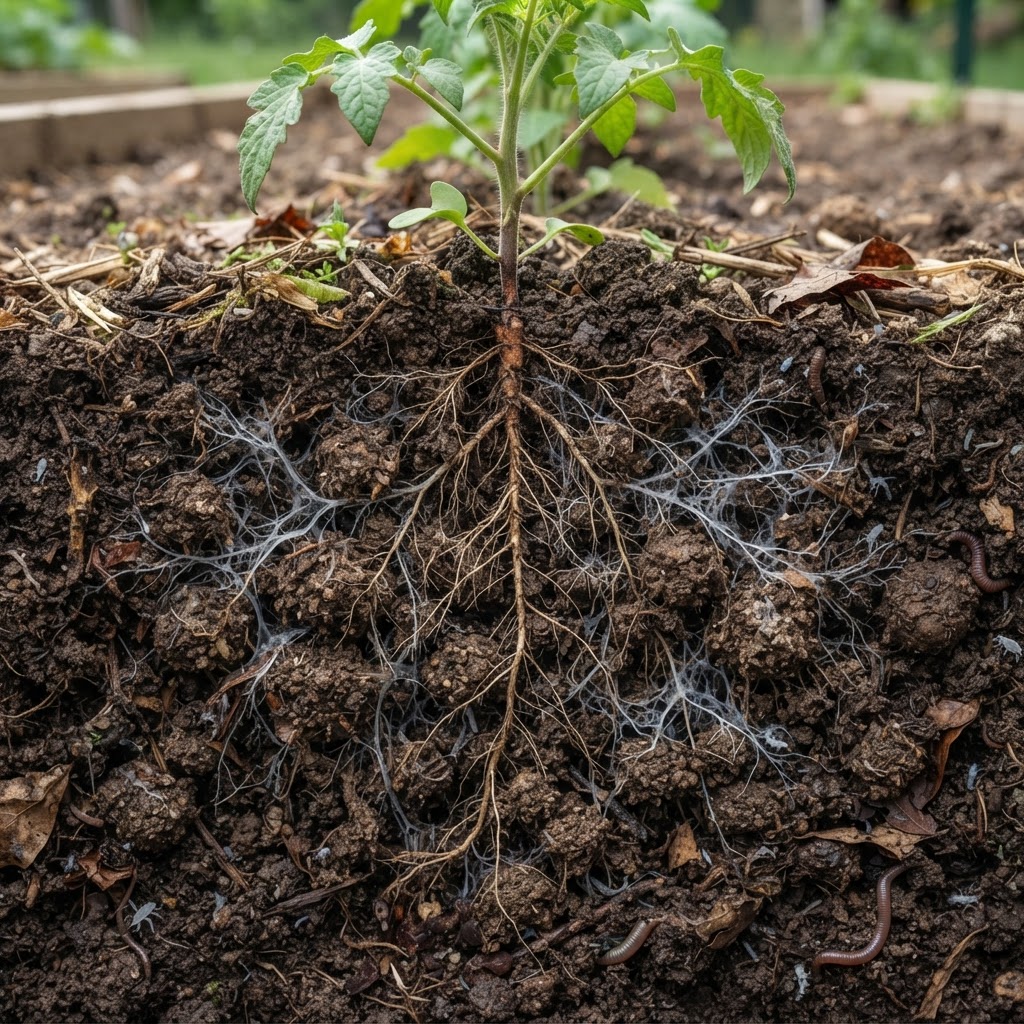
When soil biology has been compromised or needs a boost, microbial inoculants and aerated compost teas can introduce beneficial fungi and bacteria directly into the rhizosphere. These additions aid in breaking down complex organic molecules, essentially pre-digesting nutrients for your vegetable crops. Use these during the peak growing season to maintain high levels of microbial activity.
The Role of Cover Crops for Nutrient Cycling
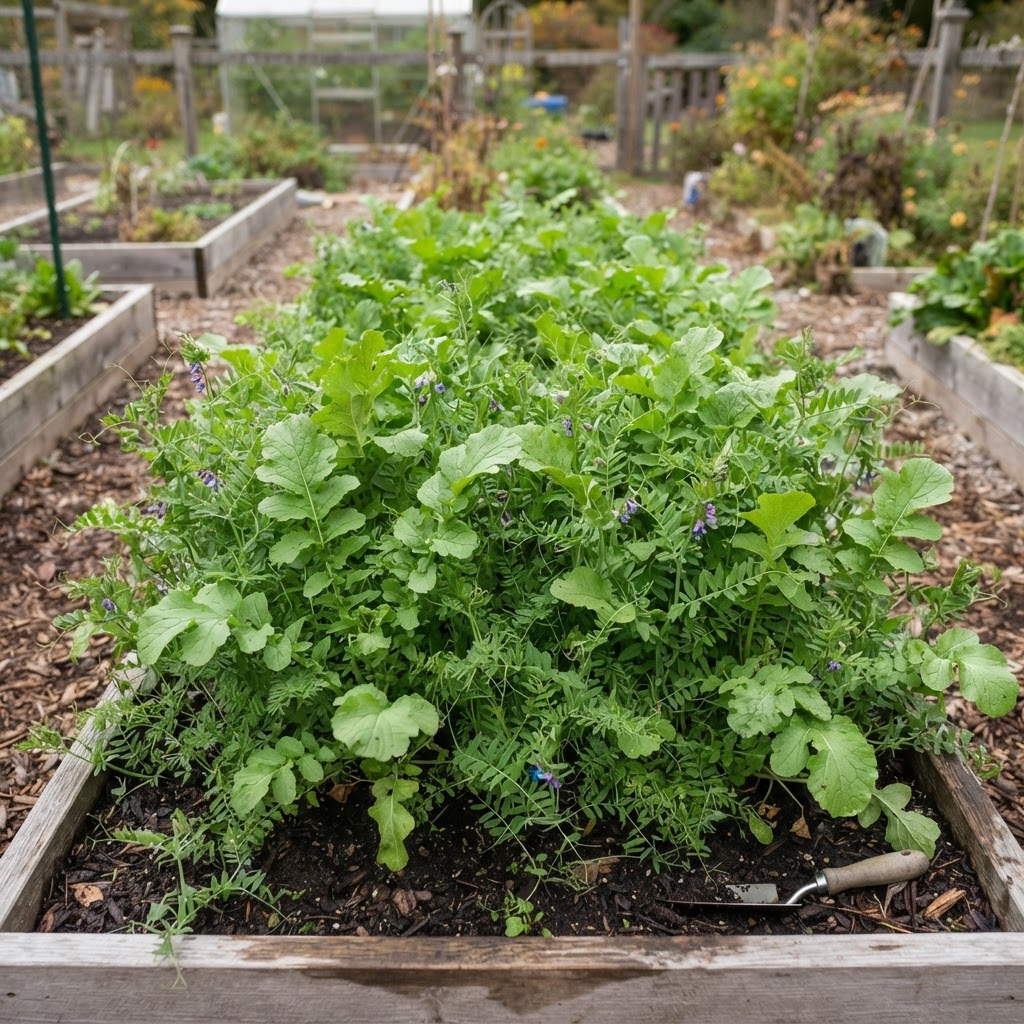
Cover crops, or green manures, are essential for professional-level soil management. Leguminous crops like clover or vetch fix nitrogen from the atmosphere, while deep-rooted grains like rye or tillage radish break up subsurface compaction. When turned into the soil or mowed as mulch, these crops act as a biological pump, moving minerals from the subsoil back to the topsoil.
Balancing Soil pH for Optimal Nutrient Uptake
Nutrient availability is highly dependent on soil pH. Even with perfect fertility, crops will suffer if the pH is outside their preferred range, as specific nutrients become chemically "locked out." Regularly monitoring pH and using appropriate amendments like agricultural lime for acidic soil or elemental sulfur for alkaline soil ensures that your plants can actually access the nutrients you provide.
The No-Till Gardening Philosophy
The no-till approach is perhaps the most significant shift in advanced soil management. Tilling disrupts the intricate fungal networks and soil structure you work so hard to build. By keeping the soil layers undisturbed, you protect the fungal hyphae that extend root systems and facilitate moisture transport. A no-till system preserves the natural habitat of earthworms and beneficial bacteria, leading to a more robust, low-maintenance garden over time.
Maintaining Soil Health Long-Term
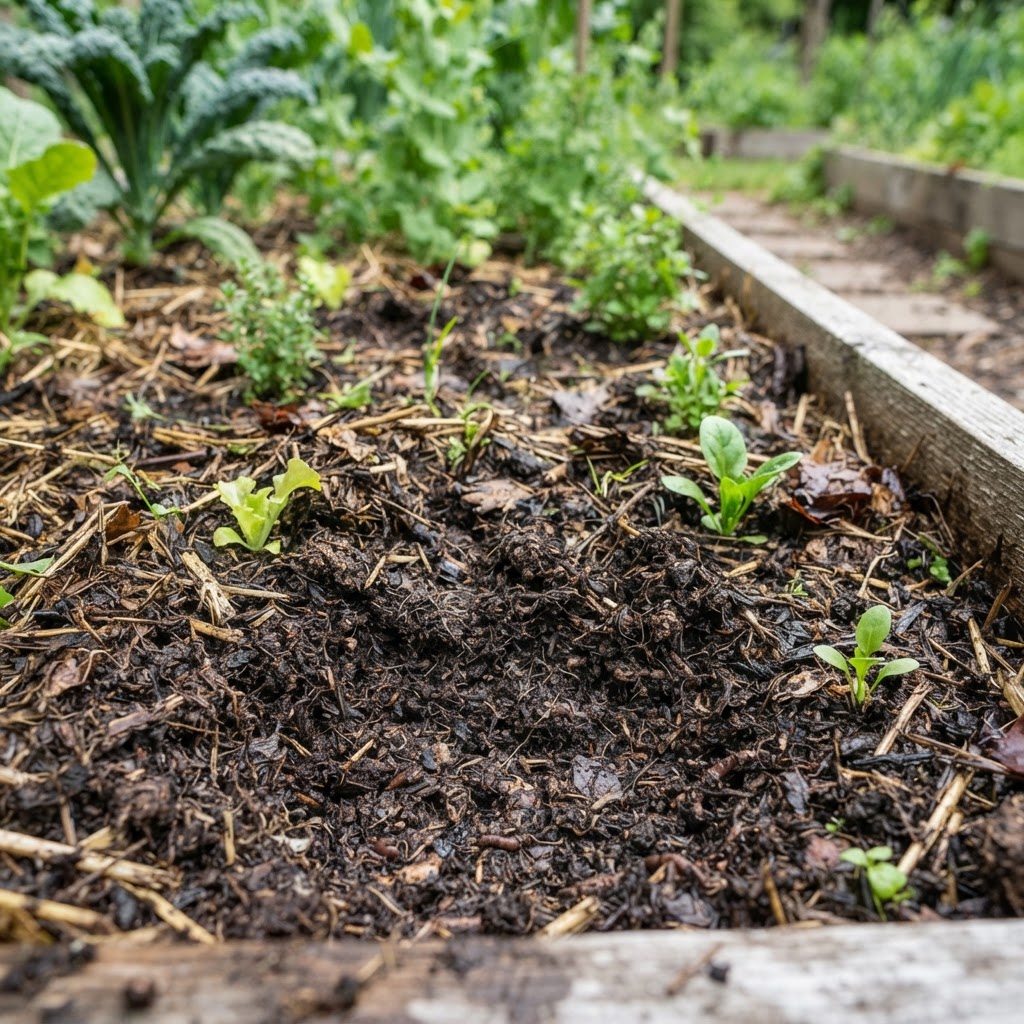
Sustainability in the garden is a marathon, not a sprint. Long-term health requires a consistent cycle of adding organic matter, rotating crops to prevent nutrient depletion, and minimizing soil disturbance. As you cultivate your soil’s biology, you will find that your garden becomes more resistant to pests and diseases, and your reliance on external inputs will naturally decrease.
- #soil health
- #organic gardening
- #soil science
- #no-till gardening
Related Articles
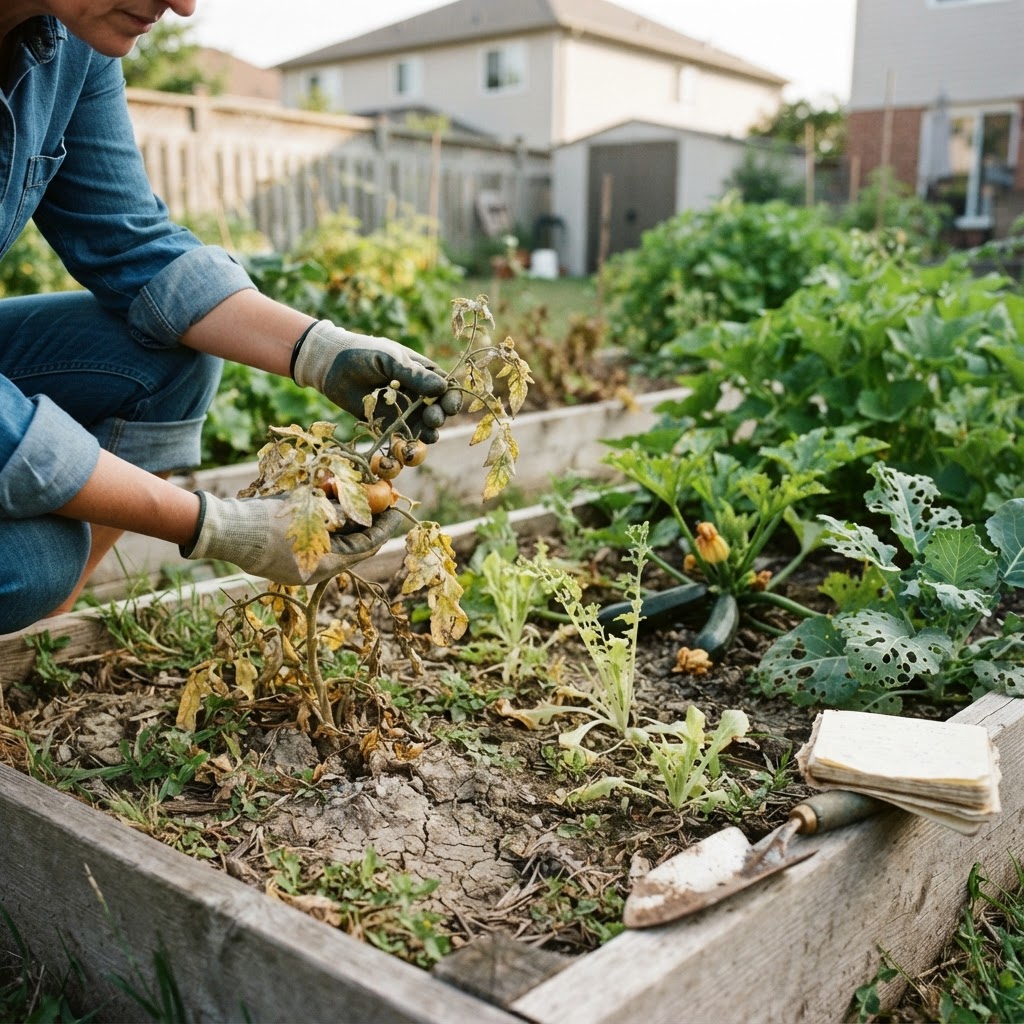
Vegetable Garden Failures: How to Fix Common Problems
Discover how to diagnose and resolve common vegetable garden challenges using practical, science-based troubleshooting techniques to save your plants.
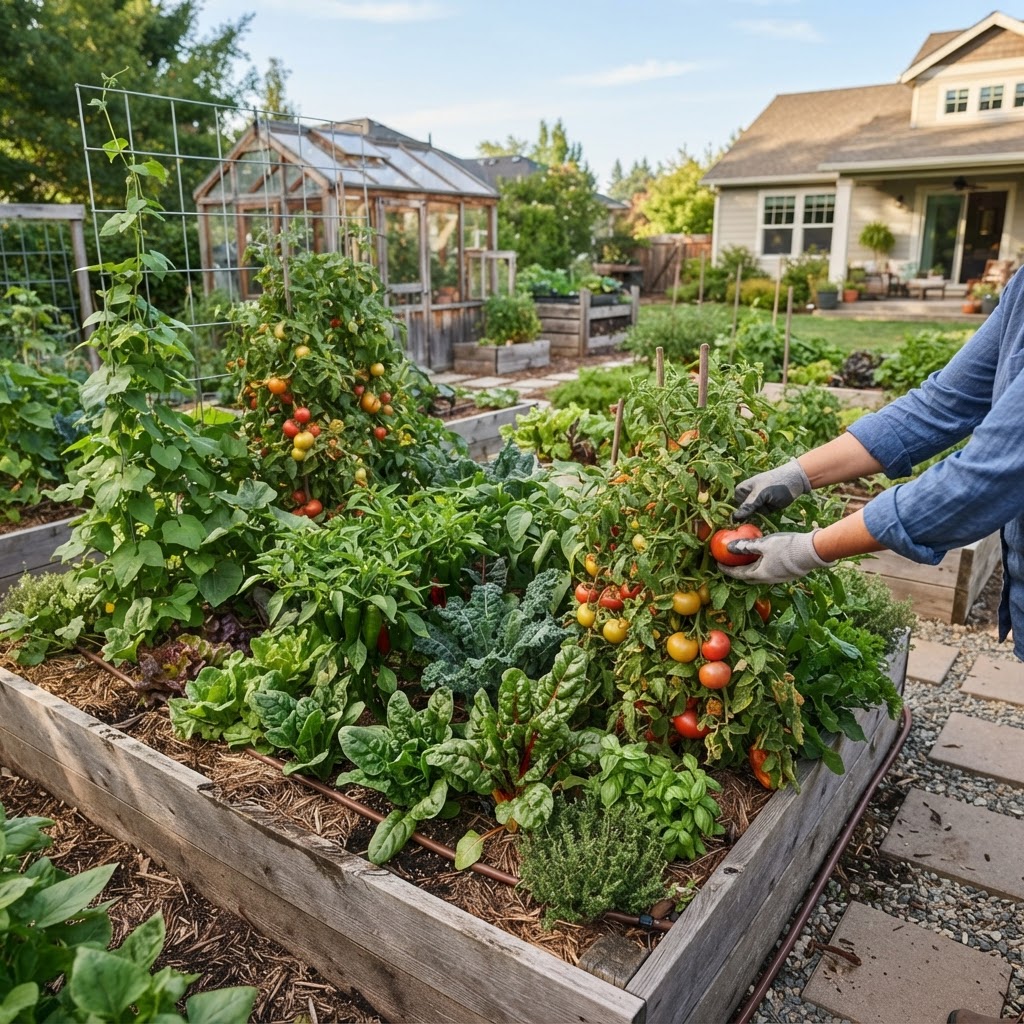
High Yield Vegetable Gardening: Advanced Methods for Success
Take your harvest to the next level by implementing intensive planting strategies, precision nutrient management, and data-driven garden planning techniques.
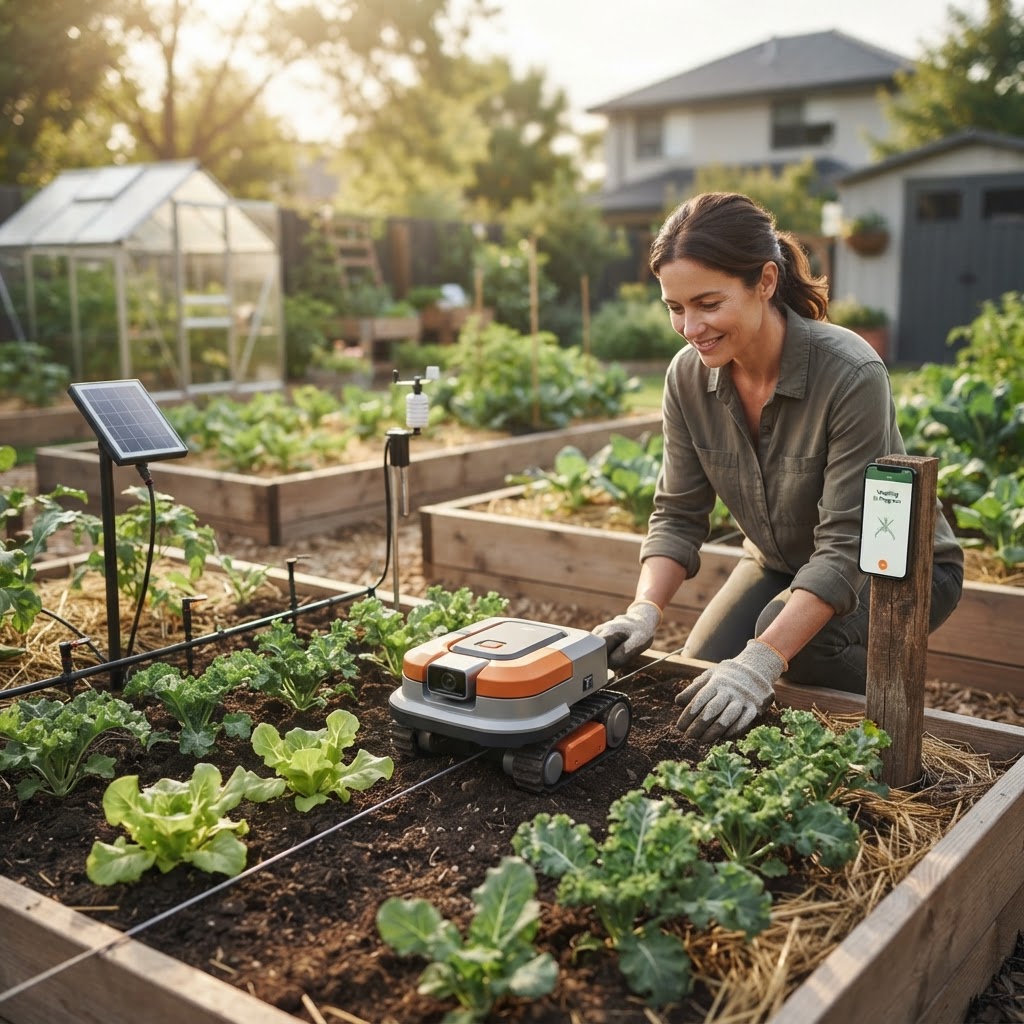
Automated Garden Tools for Beginners: A Complete Guide
Learn how to use smart technology to streamline your gardening chores without losing the joy of working in the soil. This guide covers the basics of garden automation for beginners.