
Gardening
How to Build a Vertical Vegetable Garden in Your Apartment
Transform your small apartment into a thriving food source by growing upward. This guide covers the best systems, crops, and maintenance hacks for vertical vegetable gardening.
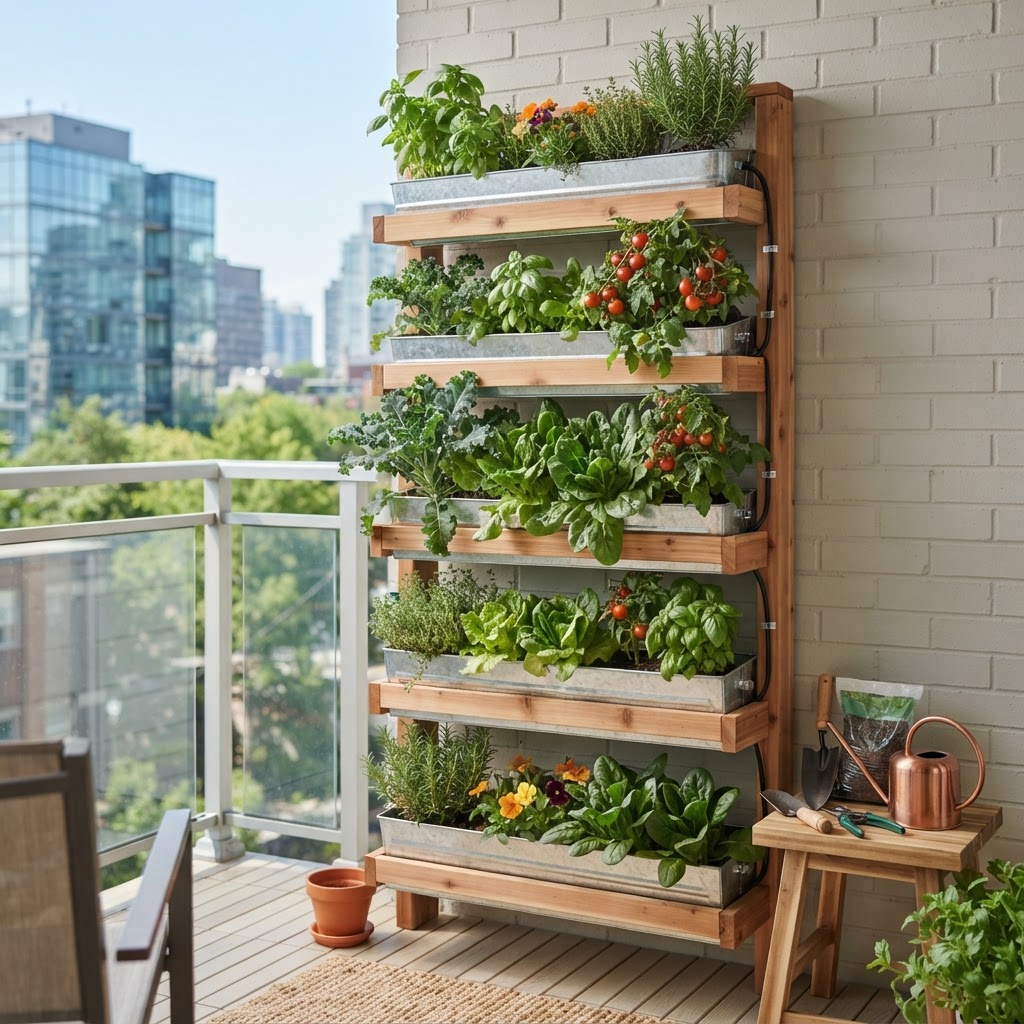
For many apartment dwellers, the dream of harvesting homegrown vegetables feels out of reach due to limited square footage. However, the secret to high-yield gardening in small spaces isn't about the size of your floor; it is about the height of your walls. A vertical vegetable garden for apartments allows you to reclaim vertical space, turning blank walls or small balconies into productive edible landscapes.
Why Choose Vertical Gardening for Small Apartments?
Vertical gardening is the ultimate solution for urban dwellers. By growing crops upward, you maximize your yield per square foot, improve air circulation around plants, and keep produce off the floor, which can reduce certain soil-borne pests. It also adds a layer of natural beauty to your living space, effectively turning your kitchen or living room into a living, breathing pantry.
Assessing Your Apartment's Growing Conditions
Before buying containers, you must evaluate the micro-climate of your home. A successful vertical garden relies on understanding your specific indoor environment.
Evaluating Light Exposure
Light is the fuel for your garden. Most fruiting vegetables, such as tomatoes and peppers, require at least six to eight hours of direct sunlight. If your windows face north, you may struggle with traditional sun-loving crops. Observe your apartment throughout the day to track how light moves. If natural light is insufficient, consider using supplemental LED grow lights to bridge the gap.
Considering Airflow and Space Constraints
Indoor plants need fresh air to prevent fungal issues and mold. Avoid tucking your vertical system into a stagnant corner. Ensure there is enough space between your wall-mounted units and other furniture to allow for consistent air circulation.
Best Vegetables for Vertical Apartment Gardens
Not every plant is suited for a vertical lifestyle. You should prioritize varieties labeled as "bush," "patio," or "dwarf."
- Leafy Greens: Lettuce, kale, and spinach thrive in wall-pocket systems because they have shallow root systems.
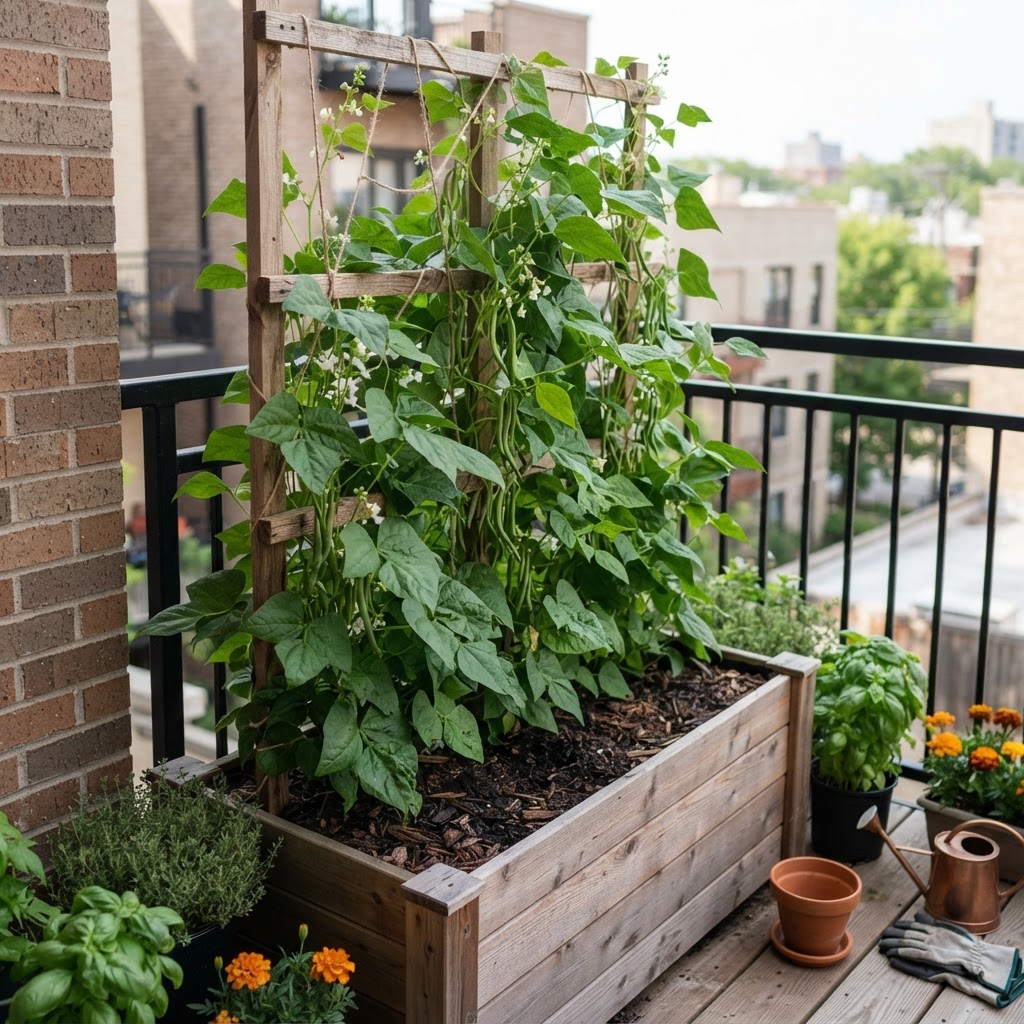
- Climbing Crops: Pole beans, peas, and cucumbers are natural vertical growers. They require simple trellises to thrive.
- Herbs: Basil, mint, and cilantro are perfect for tiered shelving or small modular wall units.
- Dwarf Tomatoes: Look for determinate cherry tomato varieties that don't sprawl uncontrollably.
Choosing the Right Vertical Gardening System
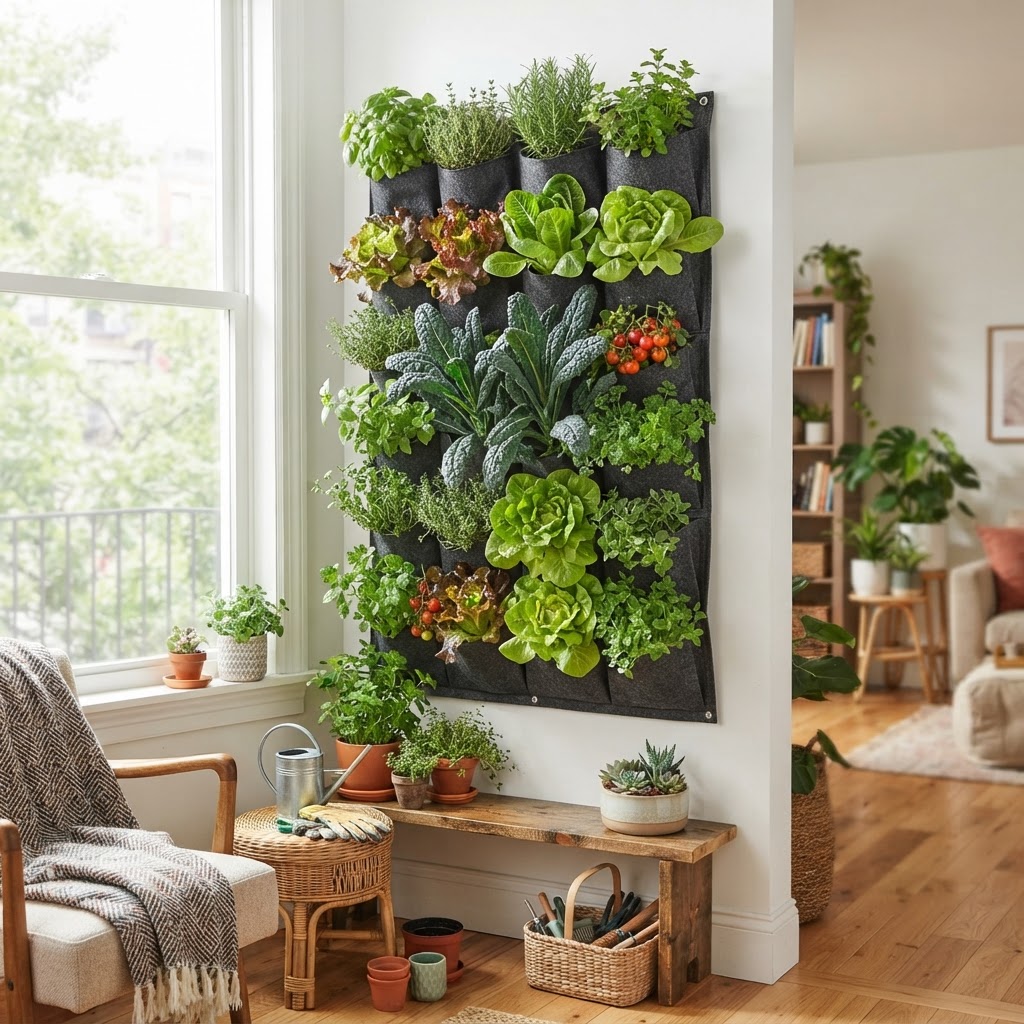
Wall-Mounted Planters and Pocket Systems
Felt pocket systems are excellent for beginners. They are lightweight, allow for root aeration, and can be easily mounted to walls using sturdy hooks or bars.
Trellises and Stakes for Climbing Crops
For beans and cucumbers, a simple wooden or metal trellis secured to a heavy pot is often enough. This keeps the weight stable while providing the support your plants need to reach toward the light.
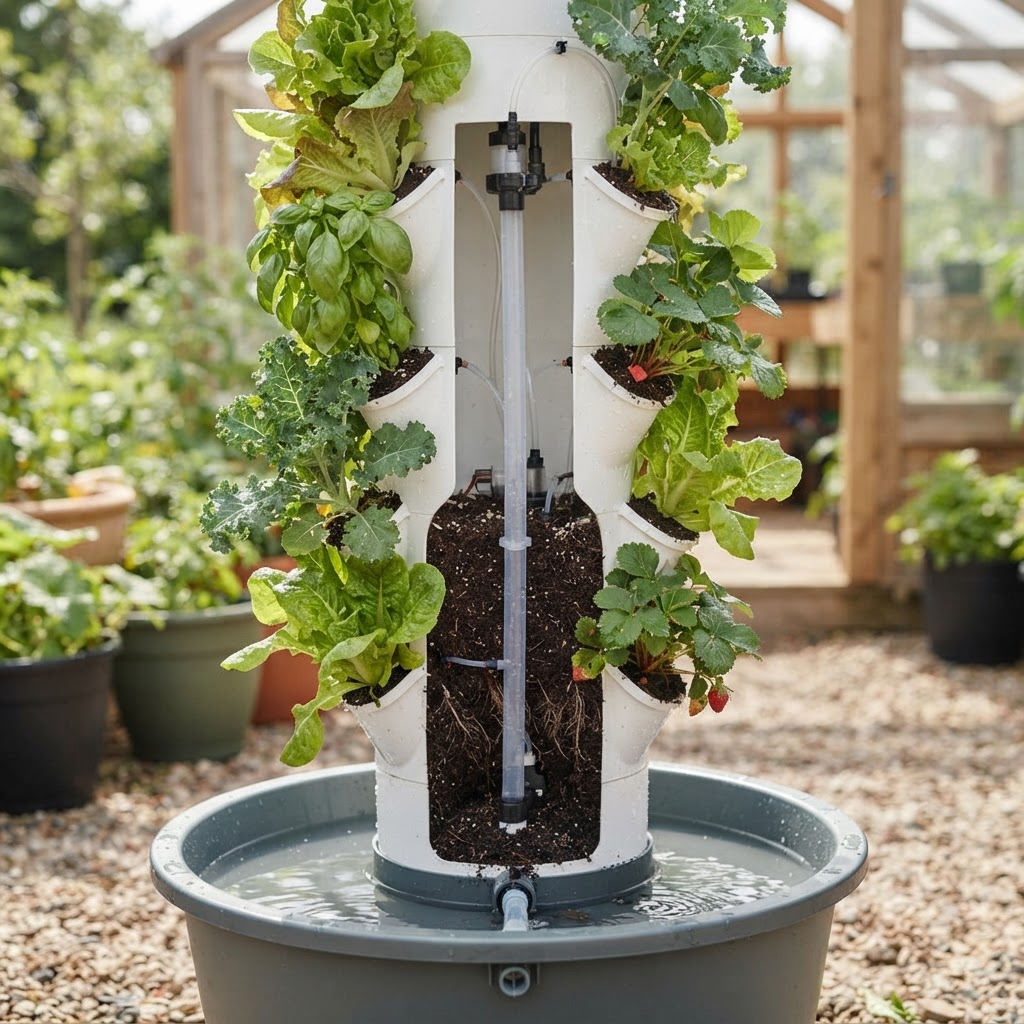
Stackable Containers and Tower Gardens
If you have a small balcony, stackable towers are highly efficient. These systems allow you to grow ten or more plants in a footprint that would normally accommodate just one.
Essential Maintenance Tips for Indoor Vertical Gardens
Watering is the most common challenge in apartment gardening. To avoid mess, choose systems with built-in drainage trays or liners that catch excess water. Always check the soil moisture level with your finger before watering, as vertical units can dry out faster than traditional deep containers.
For pest control, focus on prevention. Inspect leaves regularly for aphids or spider mites. Since you are in a small space, use gentle methods like neem oil or simply wiping leaves down with a damp cloth.
Overcoming Common Small-Space Gardening Challenges
The biggest hurdle in apartment gardening is often the weight. Ensure your wall-mounting hardware is rated for the combined weight of the containers, soil, and water. When choosing a growing medium, opt for high-quality indoor potting mixes rather than garden soil, which is too heavy and prone to harboring pests.
Ready to take the next step in your apartment gardening journey? To master the complexities of irrigation, light management, and high-yield layouts for your specific space, check out our Vertical Gardening Mastery eBook. It is the comprehensive system you need to scale your urban harvest.
Sources
- #vertical gardening
- #apartment gardening
- #small space hacks
- #urban farming
Related Articles
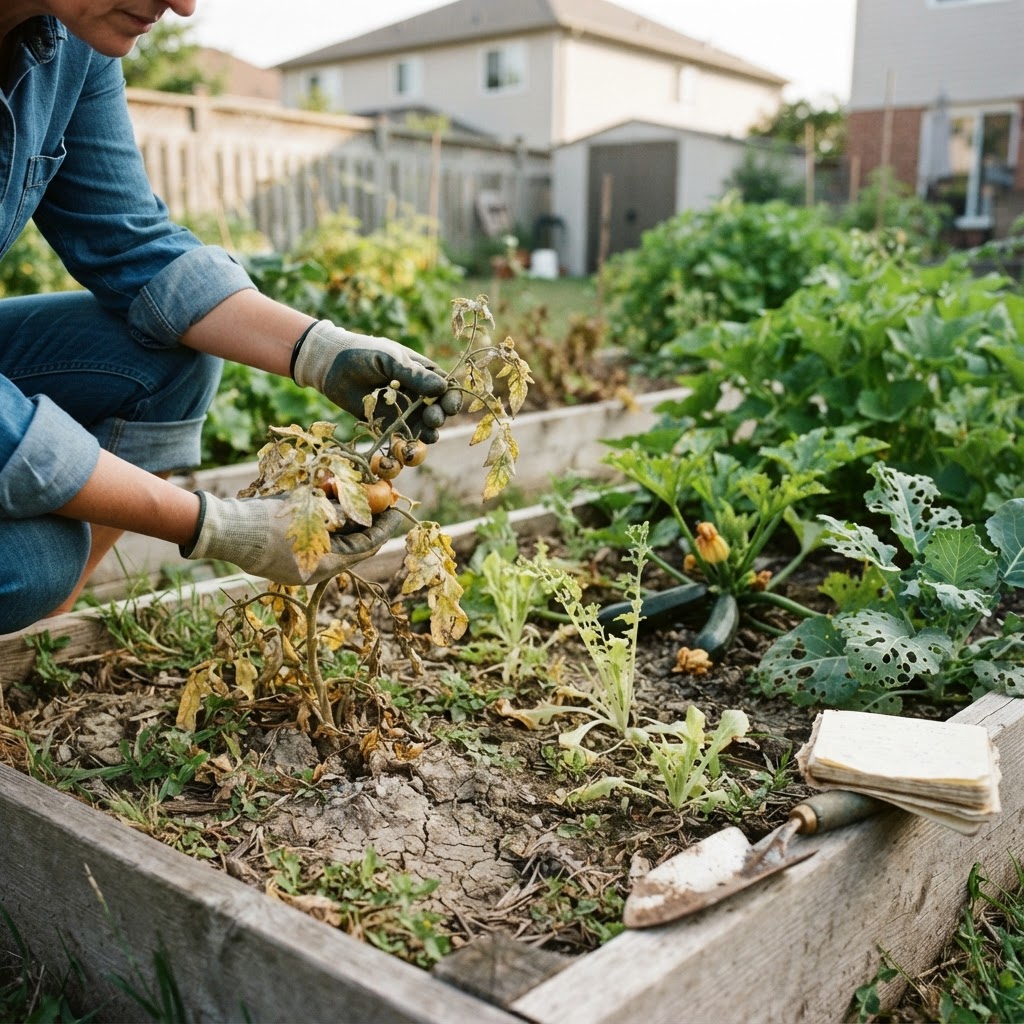
Vegetable Garden Failures: How to Fix Common Problems
Discover how to diagnose and resolve common vegetable garden challenges using practical, science-based troubleshooting techniques to save your plants.
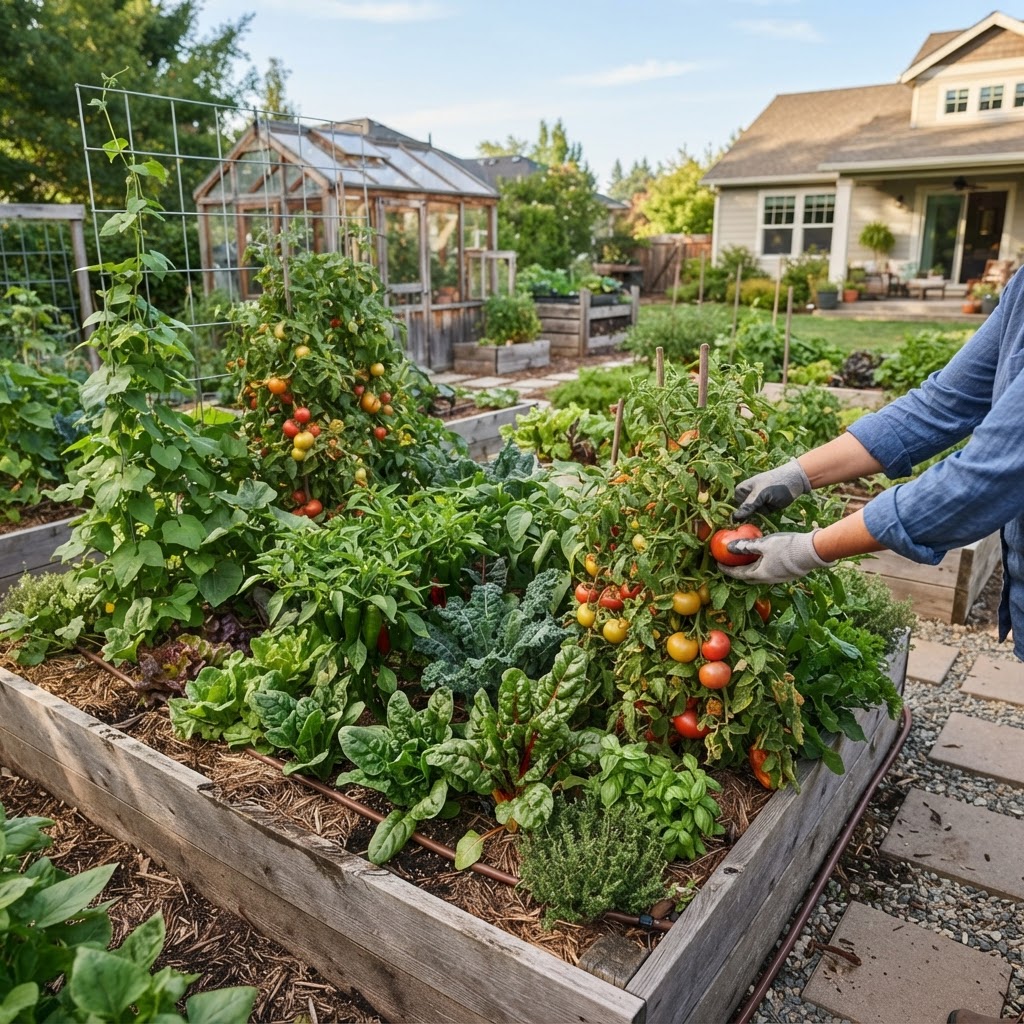
High Yield Vegetable Gardening: Advanced Methods for Success
Take your harvest to the next level by implementing intensive planting strategies, precision nutrient management, and data-driven garden planning techniques.
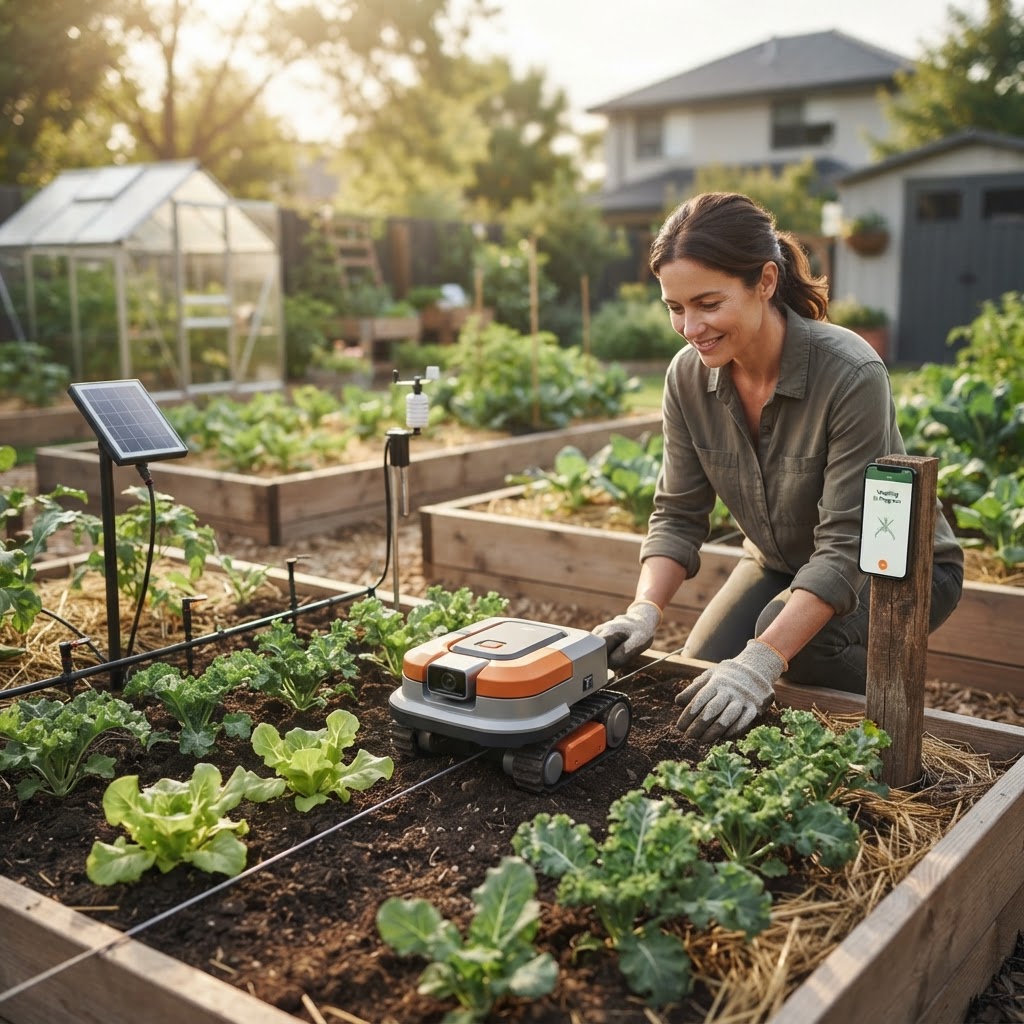
Automated Garden Tools for Beginners: A Complete Guide
Learn how to use smart technology to streamline your gardening chores without losing the joy of working in the soil. This guide covers the basics of garden automation for beginners.