
Gardening
How to Properly Water Your Vegetable Garden for Maximum Growth
Discover the essential techniques for watering your vegetable garden effectively, focusing on root-zone hydration to promote healthier plants and higher yields.
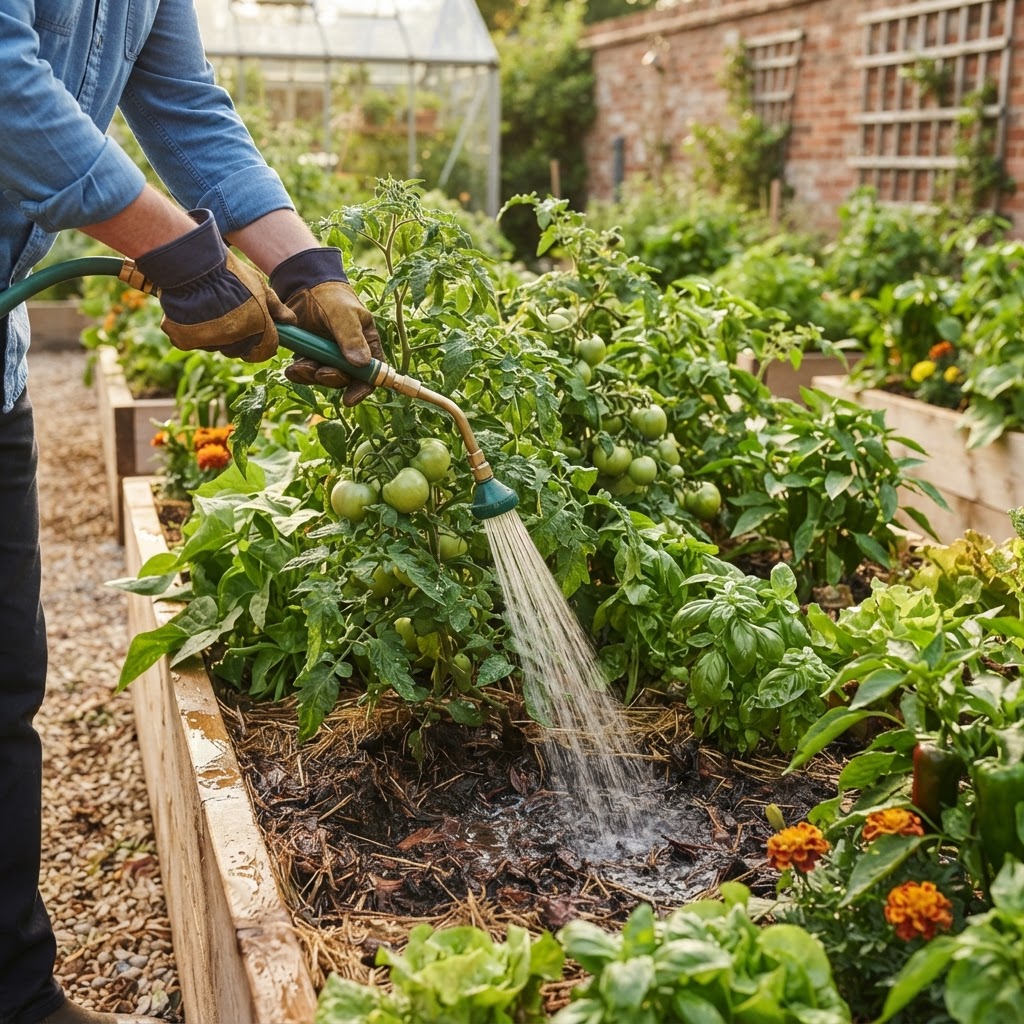
Water is the lifeblood of your vegetable garden, yet it is often the most misunderstood aspect of plant care. Many gardeners inadvertently harm their crops by providing too much water on the surface or neglecting the deep root zones where plants actually need moisture. Understanding the science of watering your vegetable garden is the single most effective way to improve your harvest.
Why Watering Technique Matters for Vegetable Health
Plants take up water through their roots via a process called osmosis. When you irrigate properly, you aren't just wetting the soil; you are creating a nutrient-delivery system. Consistent moisture encourages deep root growth, which makes plants more resilient to heat, drought, and transplant shock. Conversely, shallow, frequent watering encourages roots to stay near the surface, leaving them vulnerable to rapid soil temperature fluctuations and drying out.
The Golden Rule: Understanding Soil Moisture Needs
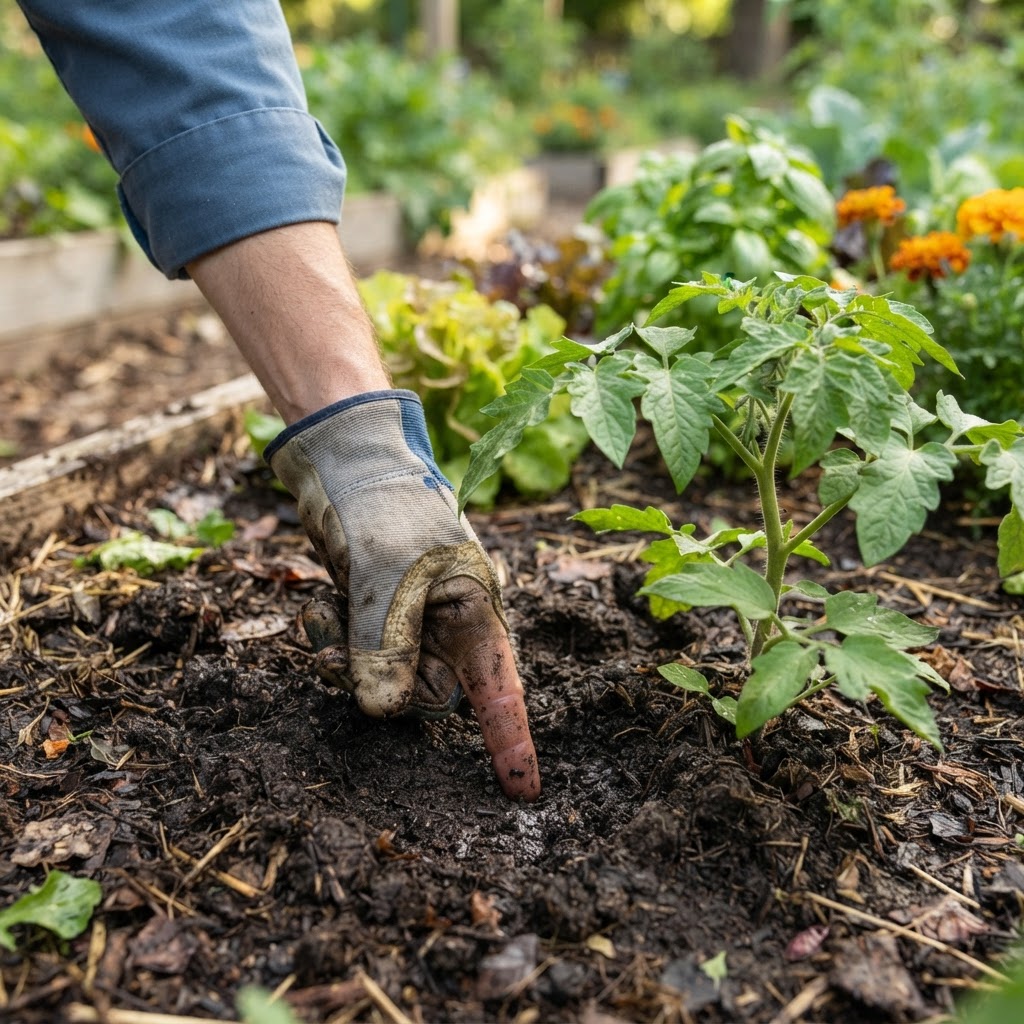
The most important rule in vegetable gardening is to water the soil, not the foliage. Most vegetables thrive in soil that is consistently moist—not soggy, not bone dry. A good rule of thumb is the "finger test": insert your finger into the soil up to the second knuckle. If it feels damp, wait. If it feels dry, it is time to hydrate. Soil structure plays a huge role here; well-amended soil with plenty of organic matter will hold moisture much longer than compacted clay or sandy soil.
Best Time of Day to Water Your Garden
The best time to water your vegetable garden is early in the morning, typically between 6:00 AM and 9:00 AM. Watering early allows the plants to hydrate fully before the heat of the day kicks in. Any water that splashes onto the leaves has time to evaporate in the sun, which significantly reduces the risk of fungal diseases like powdery mildew. If morning watering isn't possible, late afternoon is a secondary option, provided you avoid wetting the leaves late at night.
Common Watering Methods: Drip Irrigation vs. Hand Watering
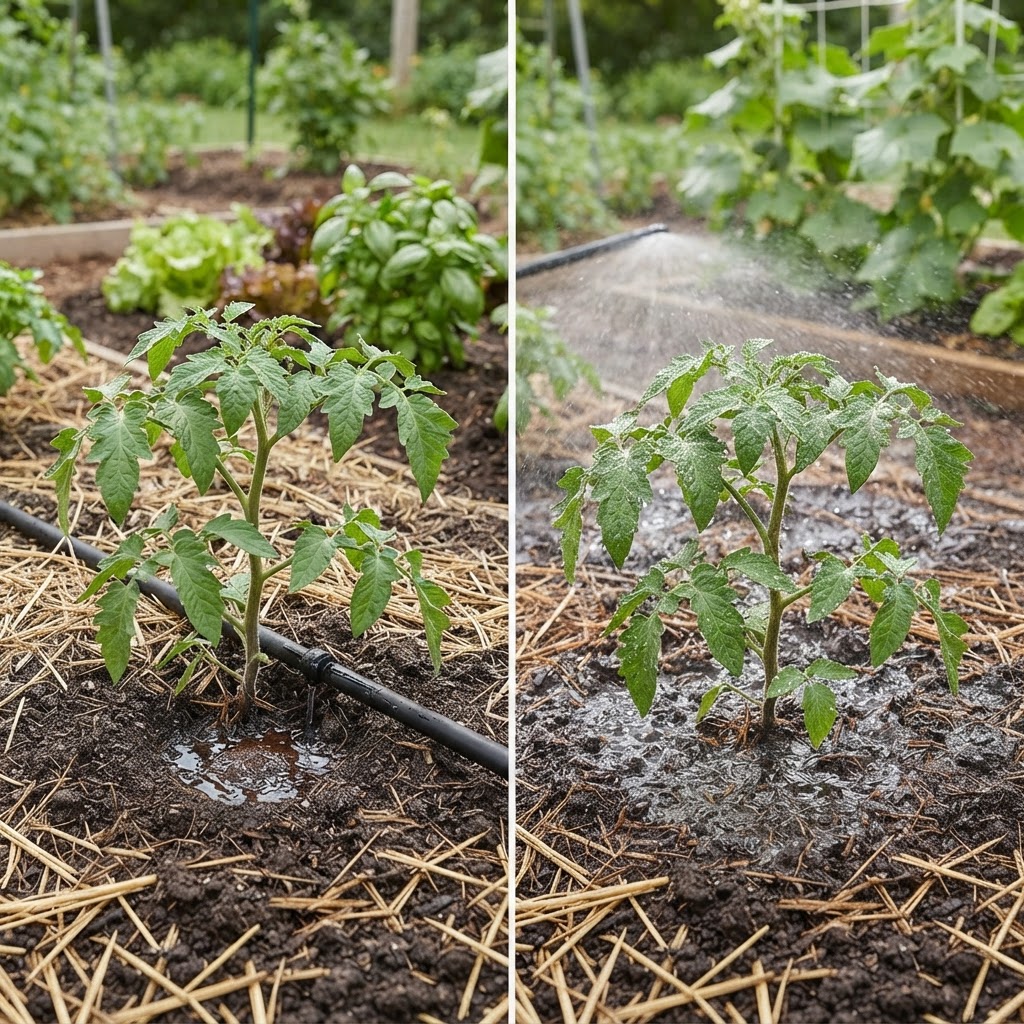
Drip irrigation systems are the gold standard for efficiency, as they deliver water directly to the base of the plant, minimizing waste through evaporation. Hand watering is effective for smaller gardens, but it requires patience. You must ensure you are applying water slowly enough for it to soak into the root zone rather than running off the surface.
Avoiding Leaf Wetness to Prevent Disease
Why is leaf wetness a problem? Many plant pathogens, such as blight and fungal spots, require moisture to spread. By using a drip system or a focused hose setting at the base of the plant, you keep the foliage dry, creating a hostile environment for disease and a healthy environment for your vegetables.
How Much Water Do Vegetables Actually Need?
Most vegetable crops require about one inch of water per week, including rainfall. However, this varies based on your local climate, plant maturity, and soil type. Leafy greens have shallow roots and need frequent, light moisture, while fruiting crops like tomatoes and peppers require deeper, less frequent soaking to support their heavy production.
Watering Tips for Container and Vertical Gardens
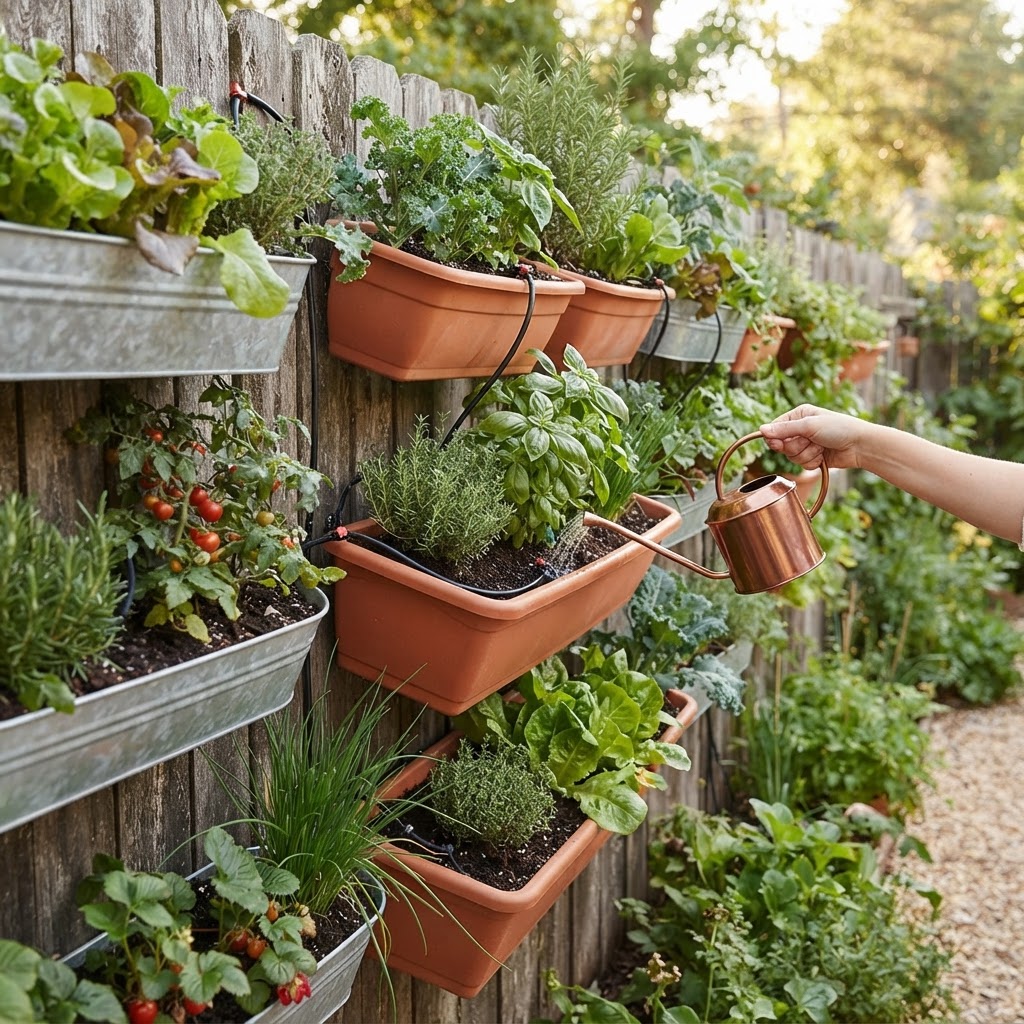
Container gardens, particularly vertical setups, are prone to rapid drying because of their limited soil volume. You may need to water these daily or even twice daily during peak summer. Because the roots are restricted, they rely entirely on your intervention for survival. If you are struggling to maintain consistent moisture in your small-space garden, check out our guide on Vertical Gardening Mastery to learn specialized techniques for irrigation in tight quarters.
Signs of Overwatering vs. Underwatering
Distinguishing between the two can be tricky because both can cause yellowing leaves. Underwatered plants usually look wilted, crisp, and dry at the edges. Overwatered plants often look limp and yellow, but the soil will feel heavy and waterlogged. If your plants are showing stress, always check the soil moisture levels before adding more water.
Sources
- #watering
- #vegetable garden
- #irrigation
- #gardening tips
Related Articles
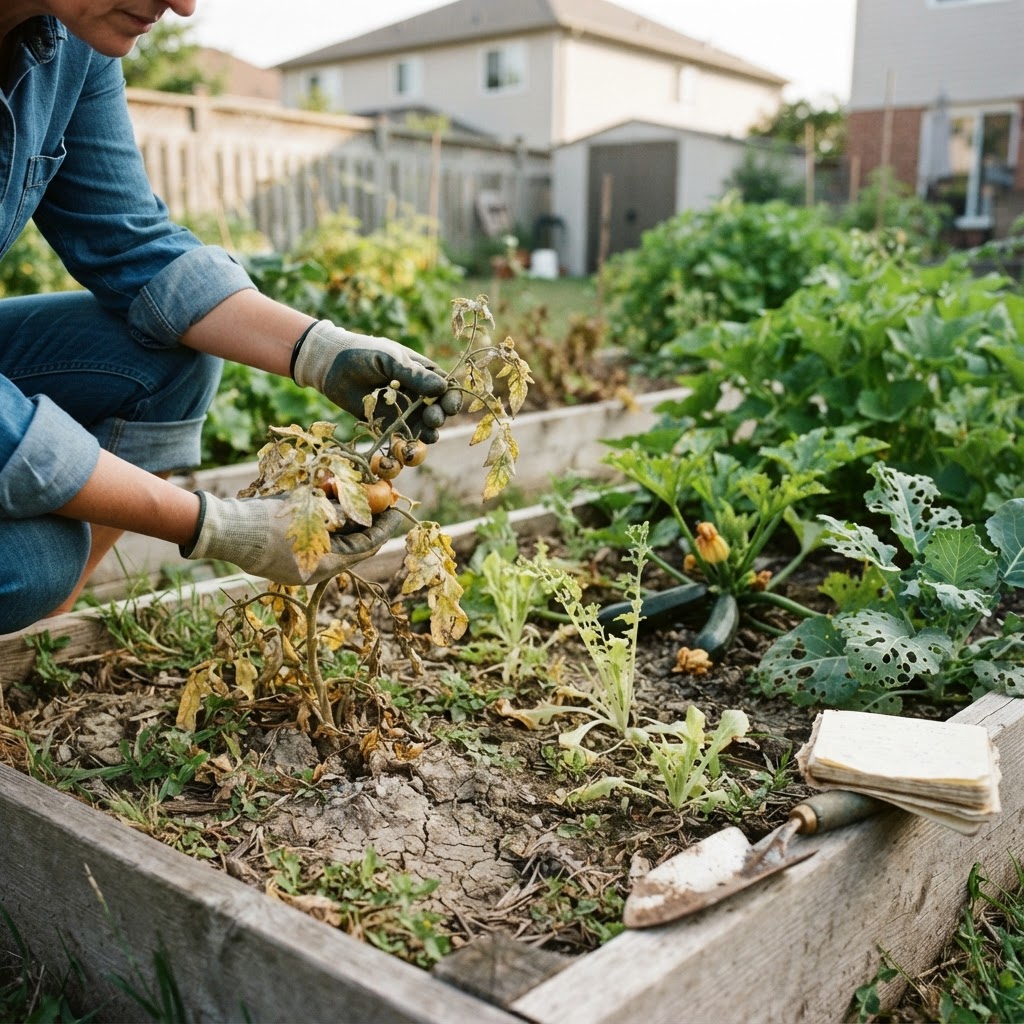
Vegetable Garden Failures: How to Fix Common Problems
Discover how to diagnose and resolve common vegetable garden challenges using practical, science-based troubleshooting techniques to save your plants.
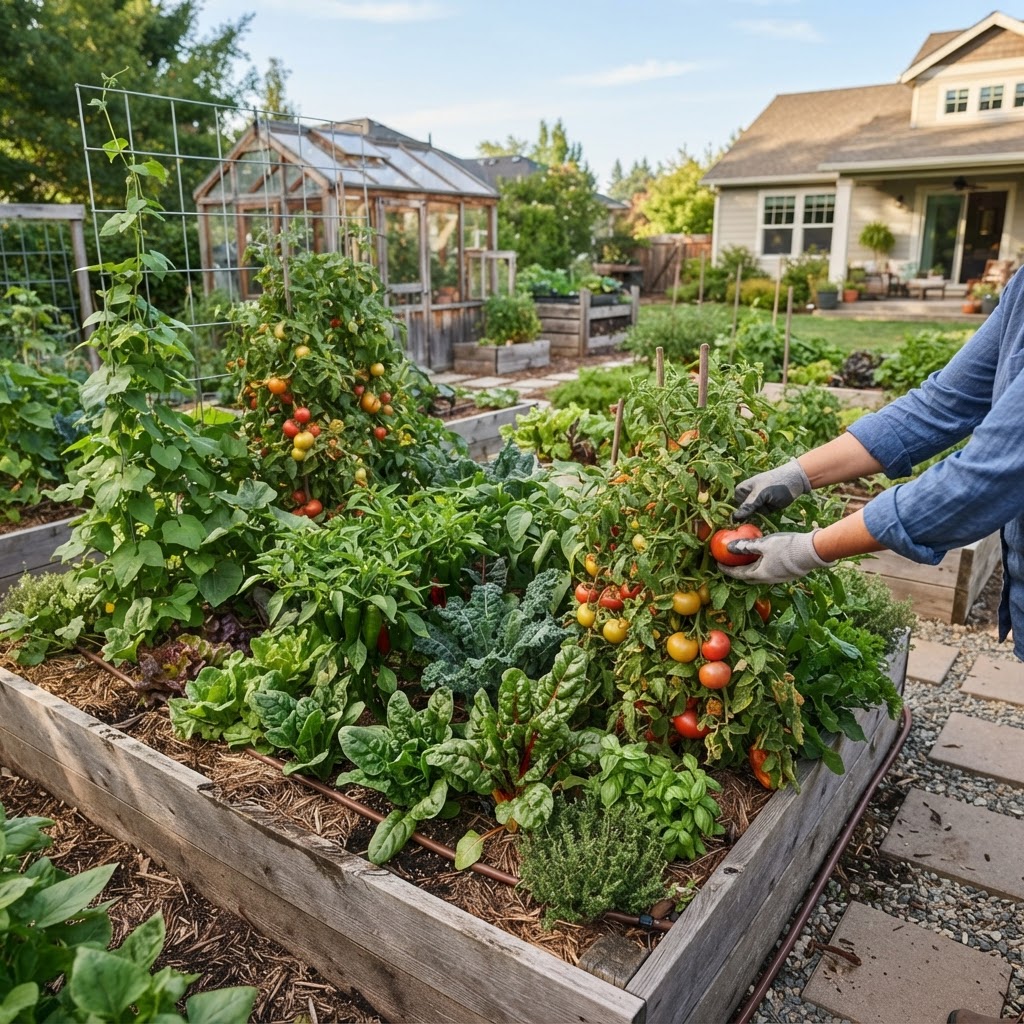
High Yield Vegetable Gardening: Advanced Methods for Success
Take your harvest to the next level by implementing intensive planting strategies, precision nutrient management, and data-driven garden planning techniques.
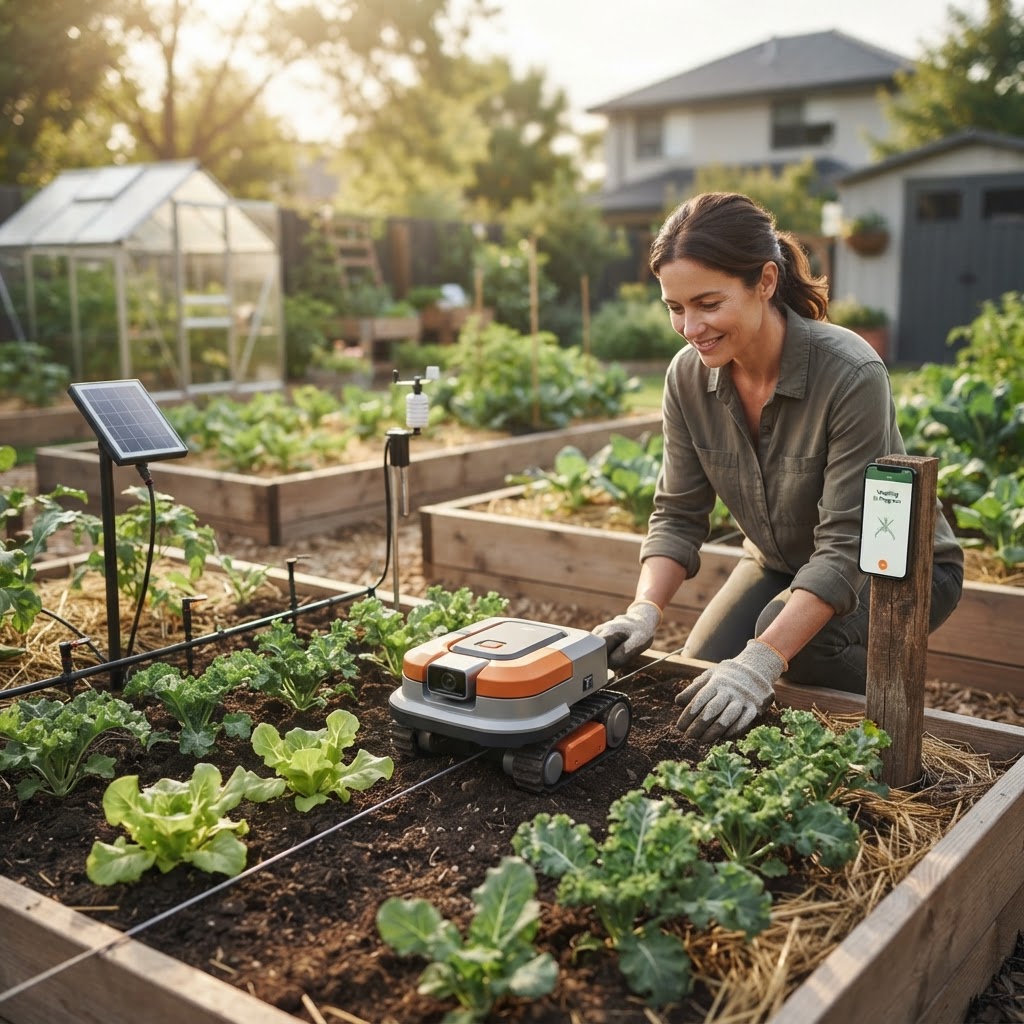
Automated Garden Tools for Beginners: A Complete Guide
Learn how to use smart technology to streamline your gardening chores without losing the joy of working in the soil. This guide covers the basics of garden automation for beginners.